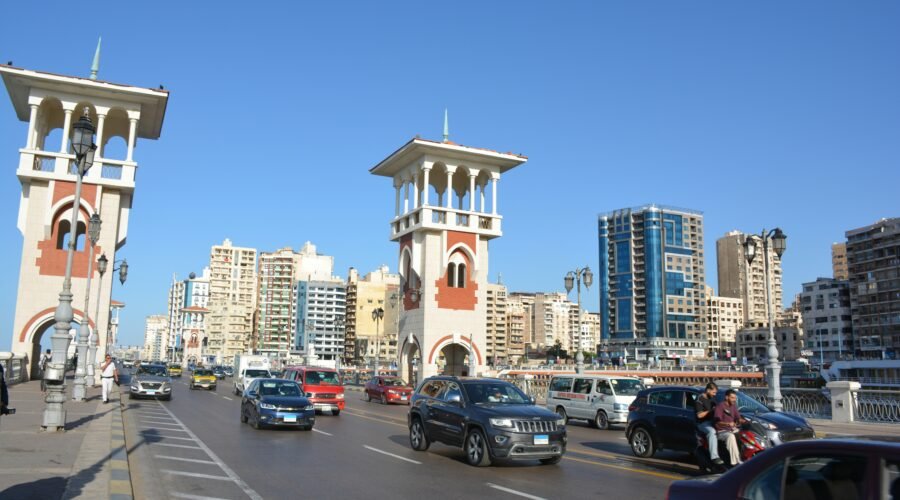
Planning a trip to Alexandria, Virginia requires balancing outdoor sightseeing along historic brick-lined streets with the Mid-Atlantic region’s distinct seasonal shifts. Whether you want to stroll through Old Town’s 18th-century architecture, tour George Washington’s Mount Vernon estate, or cruise the Potomac River into Washington, D.C., timing your visit determines everything from hotel rates to daily comfort.
Quick Answer
The best time to visit Alexandria, Virginia is during spring (mid-April to May) and fall (mid-September to October). These shoulder months provide comfortable temperatures between 60°F and 78°F (15°C–26°C), lower humidity, vibrant seasonal foliage or blooms, and manageable walking conditions across Old Town’s historic corridors.
Key Takeaways
- Prime Weather: Late April through May and late September through October offer mild temperatures and low humidity.
- Budget Travel: January and February offer the lowest hotel rates of the year, with discounts of up to 40% compared to summer peaks.
- Peak Crowds: June through August brings heavy family tourism, while late March to early April sees regional spikes from the National Cherry Blossom Festival.
- Festive Atmosphere: December transforms Old Town with the Scottish Christmas Walk Weekend and the Holiday Boat Parade of Lights.
1. Spring (April to May): Prime Blooms and Walking Weather
Spring is widely considered the premier travel season for Alexandria. As the Mid-Atlantic shakes off winter, the city’s private courtyards, cobblestone alleys, and riverfront parks burst into bloom, creating ideal conditions for walking tours and patio dining.
Spring Weather and Temperatures
Daily highs rise from the low 60s Fahrenheit (16°C) in early April to the mid-70s Fahrenheit (24°C) by late May. Evening lows hover between 45°F and 58°F (7°C–14°C), making light layers essential. Rainfall occurs primarily in brief, passing fronts rather than multi-day washouts, according to climate records from the National Weather Service Baltimore/Washington Office.
Spring Crowds and Tourism Volume
Visitor foot traffic builds steadily starting in late March. While Old Town remains relaxed on weekdays, weekends bring regional day-trippers and school tour groups visiting nearby national monuments. Popular sites like the Torpedo Factory Art Center and Gadsby’s Tavern Museum see increased attendance, making advance dinner reservations along King Street highly recommended.
Spring Lodging and Travel Costs
Hotel rates rise from winter lows to moderate levels. Premium pricing occurs when dates coincide with peak bloom at the nearby National Cherry Blossom Festival in Washington, D.C., as many visitors choose to stay in Alexandria for its walkable charm and direct Metrorail connection.
Pro Tip: During cherry blossom season, take the Potomac Water Taxi directly from the Old Town Alexandria Marina to the D.C. Wharf or Georgetown to bypass heavy highway traffic and crowded Metrorail transfers.
Notable Spring Events
- Historic Garden Week in Alexandria (April): An exclusive annual tour granting public access to historic private homes and manicured 18th-century gardens throughout Old Town.
- Spring Wine Festival & Sunset Tour at Mount Vernon (May): An evening celebration featuring Virginia wineries on the East Lawn of George Washington’s estate overlooking the Potomac River.
- Earth Day & Waterfront Celebrations (April/May): Community eco-festivals, outdoor fitness events, and guided history walks along the riverfront parks.
2. Fall (September to October): Crisp Days and Autumn Foliage
Autumn rivals spring as the best time to visit Northern Virginia. By mid-September, summer humidity clears, replaced by crisp air, clear skies, and brilliant foliage along the George Washington Memorial Parkway.
Fall Weather and Foliage Timelines
High temperatures range comfortably from the mid-70s Fahrenheit (24°C) in September down to the low 60s Fahrenheit (16°C) by late October. Humidity levels drop significantly. Peak fall foliage in Alexandria typically arrives between mid-to-late October, transforming the tree-lined streets of Old Town and the grounds of George Washington’s Mount Vernon into a vibrant display of amber, gold, and crimson.
Fall Crowds and Sightseeing Conditions
Sightseeing conditions in the fall are among the best of the year. Weekday mornings offer quiet streets for photography and museum visits, while weekends remain lively with outdoor markets, wine festivals, and ghost tours celebrating Alexandria’s historic lore.
Fall Lodging Rates and Budget Expectations
Accommodation rates are moderate to moderately high, especially during major festival weekends in September and early October. Booking rooms six to eight weeks in advance ensures availability at boutique hotels within walking distance of the King Street Trolley route.
Notable Fall Events
- Alexandria King Street Art Festival (September): A premier outdoor festival transforming over six blocks of historic King Street into an open-air art gallery featuring national artists.
- Mount Vernon Colonial Market & Fair (September): An authentic 18th-century marketplace featuring traditional craftspeople, historical demonstrations, and live period entertainment.
- Fall Wine Festival at Mount Vernon (October): A popular tasting event showcasing Virginia varietals alongside historic cellar tours.
- Historic Ghost & Graveyard Tours (October): Nightly guided lantern-led walking tours exploring colonial-era burial grounds and haunted landmarks.
3. Summer (June to August): Waterfront Energy and Peak Heat
Summer brings long daylight hours, vibrant waterfront beer gardens, and a packed schedule of outdoor concerts. However, visiting during these months requires preparation for intense heat and humidity typical of the mid-Atlantic river basin.
Warning: Afternoon temperatures frequently exceed 90°F (32°C) with heat index values above 100°F (38°C). Schedule indoor museum visits or boat cruises between 1:00 PM and 5:00 PM, stay hydrated, and carry sun protection.
Summer Heat, Humidity, and Thunderstorms
July and August are the hottest months of the year, with average daily highs between 87°F and 92°F (31°C–33°C). High relative humidity is common, often producing sudden afternoon or evening thunderstorms. These storms typically pass within an hour but bring heavy localized downpours.
Summer Crowds and Family Travel
Because schools are on summer break, June through August represents peak family travel. Lines for Mount Vernon mansion tours, the Carlyle House, and waterfront dining reach their annual peak. Weekends are consistently crowded, so planning early-morning starts for popular landmarks is essential.
Summer Accommodation Costs
Due to high regional leisure travel demand across the greater Washington metropolitan area, summer hotel rates are among the highest of the year. Travelers seeking value should look for properties near the Carlyle or Eisenhower Avenue neighborhoods, which connect to Old Town via a short bus ride or the free King Street Trolley.
Notable Summer Events
- Portside in Old Town Summer Festival (June): A free two-day festival along the waterfront featuring local craft beer, artisanal food, live jazz, and indie rock.
- Alexandria Birthday & USA Independence Celebration (July): An annual fireworks display, symphony concert, and birthday cake celebration hosted at Oronoco Bay Park along the river.
- Outdoor Movie Nights and Waterfront Concerts (June–August): Weekly community film screenings and live musical performances in Old Town’s public parks.
4. Winter (November to March): Holiday Magic and Budget Travel
Winter in Alexandria is divided into two distinct travel experiences: a magical, festive holiday season from late November through December, followed by a quiet, budget-friendly low season in January, February, and early March.
Winter Weather, Freezes, and Snowfall
Winter temperatures average highs in the mid-40s Fahrenheit (7°C–9°C) and lows dipping into the 20s Fahrenheit (-5°C to -2°C). While heavy snowfall is infrequent, occasional winter storms or freezing rain can occur. Dress in warm thermal layers, insulated coats, and comfortable walking shoes with good traction for colonial brick sidewalks.
Winter Crowds and Low-Season Solitude
Aside from the bustling holiday weekends in December, winter is the quietest time to explore the city. Museums, historic taverns, and art galleries can be enjoyed without lines or crowds, providing an intimate look into Alexandria’s colonial heritage.
Off-Season Hotel Deals and Budget Perks
January and February offer the most attractive hotel discounts of the entire year. Many top-tier hotels in Old Town lower their rates, and local restaurants frequently participate in regional Winter Restaurant Week promotions, making this window the prime choice for budget-conscious travelers.
Note: December room rates spike significantly during the first two weekends due to high demand for holiday parades and historic mansion tours. Book holiday accommodations at least three months in advance.
Notable Winter and Holiday Events
- Scottish Christmas Walk Weekend & Parade (Early December): A signature heritage tradition featuring bagpipers, Scottish clans in traditional tartans, and historic home tours.
- Alexandria Holiday Boat Parade of Lights (Early December): Dozens of brightly illuminated and festively decorated powerboats and sailboats cruising along the Potomac waterfront.
- Mount Vernon by Candlelight (Selected December Evenings): Guided lantern tours of the historic estate featuring 18th-century music, dancing, and colonial holiday traditions.
- First Night Alexandria (New Year’s Eve): A family-friendly, alcohol-free performing arts festival featuring live music, comedy, and midnight fireworks over the river.
Alexandria Travel Seasons at a Glance
| Season | Average Temps (°F / °C) | Crowd Level | Hotel Price Index | Best Suited For |
|---|---|---|---|---|
| Spring (Apr–May) | 55°F–76°F (13°C–24°C) | Moderate to High | Moderate / High | Sightseeing, Garden tours, Cherry Blossoms |
| Summer (Jun–Aug) | 70°F–90°F+ (21°C–32°C+) | Peak / High | Highest | Family vacations, River cruises, Live music |
| Fall (Sep–Oct) | 54°F–77°F (12°C–25°C) | Moderate | Moderate | Foliage, Wine festivals, Historic walking tours |
| Winter (Nov–Mar) | 25°F–48°F (-4°C–9°C) | Low (Except Dec) | Lowest (Deals) | Budget travel, Holiday magic, Museum visits |
5. Final Thoughts and Practical Advice
Selecting your travel window comes down to your personal travel priorities:
Best Time for Favorable Weather
Target late April to mid-May or late September to mid-October. You will enjoy mild temperatures, low humidity, and pleasant conditions for walking throughout Old Town and the waterfront parks.
Best Time to Avoid Crowds
Plan your visit for January, February, or early March. Weekday visits outside of major holidays allow you to experience historic landmarks, art galleries, and restaurants with minimal wait times.
Best Time for Budget Travelers
The post-holiday winter window from January through early March offers the lowest hotel pricing and airline fares. Late summer (late August) can also reveal competitive deals as family travel winds down before the school year.
Best Time for Festivals and Cultural Events
If vibrant community events are your focus, choose May, September, or December. These months feature Alexandria’s signature art festivals, waterfront wine tours, and world-renowned Christmas traditions.
Essential Trip Planning Tips
- Utilize the King Street Trolley: Alexandria offers a free, accessible trolley running every 15 minutes along King Street between the King St-Old Town Metrorail station and the Potomac riverfront.
- Book Key Attractions Early: Timed entry passes for George Washington’s Mount Vernon mansion and popular boat cruises sell out weeks in advance during spring and summer weekends.
- Pack for Changing Weather: Mid-Atlantic weather can fluctuate rapidly. Pack lightweight layers, comfortable walking footwear suitable for historic brick surfaces, and an umbrella regardless of the season.
Frequently Asked Questions
What is the best time of year to visit Alexandria, Virginia for favorable weather?
The best time for ideal weather is during spring (mid-April to May) and fall (mid-September to October). Average daily temperatures range between 60°F and 78°F (15°C–26°C) with low humidity and minimal rainfall, providing perfect walking conditions for exploring Old Town and the waterfront.
When is the peak tourist season in Alexandria, Virginia?
Peak tourist season occurs during the summer months of June, July, and August, driven by family vacations, outdoor river events, and national holiday celebrations. A secondary regional spike occurs in late March and April during the National Cherry Blossom Festival.
What is the off-peak season in Alexandria, Virginia?
The off-peak travel season runs from January through early March. Aside from holiday surges in December, these winter months experience the lowest visitor numbers, fewer crowds at major museums, and significant discounts on boutique hotels and dining.
When is the best time to visit Alexandria, Virginia to avoid crowds?
To avoid crowds while still enjoying reasonable weather, visit during mid-week days in late April, late September, or early November. For the quietest sightseeing experience overall, visit during January and February.
What time of year offers the best value for accommodation and activities in Alexandria, Virginia?
The best value for hotels and flights is found in January and February. During this post-holiday off-season, downtown Old Town hotels often discount rates by 30% to 40%, and local restaurants host winter dining specials.
Sources
- Visit Alexandria — Official destination tourism guides, seasonal event schedules, and local transportation data.
- George Washington’s Mount Vernon — Official visitor hours, historic mansion tour guidelines, and annual festival dates.
- National Weather Service (Baltimore/Washington Office) — Historical climate records, monthly temperature averages, and seasonal precipitation trends for Northern Virginia.
- National Cherry Blossom Festival — Regional bloom schedules, event dates, and visitor travel information.
- City of Alexandria Official Portal — Historic district guidelines, King Street Trolley operations, and waterfront public access data.