For most travelers, the best time to visit Fort McMurray is from late May through June or in September. These periods balance milder weather, long enough days for outdoor activities, and generally comfortable conditions without committing you to the deepest winter cold. July and August are better if your priority is the warmest weather and maximum outdoor access.
Quick Answer
Late May through June and September are strong all-around choices for Fort McMurray. Choose July or August for the warmest weather and longest activity days, and choose late summer through winter or early spring if dark skies and northern lights are your priority. Always check wildfire, smoke, weather, and local event conditions before traveling.
Key Takeaways
- Best balance: Late May through June or September for comfortable sightseeing and outdoor recreation.
- Warmest conditions: July has the highest normal daytime maximum, at about 23.9°C (75°F).
- Northern lights: Darker nights return in late summer and continue through fall, winter, and early spring; displays are never guaranteed.
- Spring caution: River breakup can create ice-jam and flooding hazards, so follow municipal closures and stay away from unstable riverbanks.
- Warm-season caution: Wildfire danger and smoke can affect travel between spring and fall, so check fire conditions and the Air Quality Health Index before outdoor plans.
- Prices: Do not assume summer is always most expensive or winter is always cheapest; Fort McMurray accommodation demand can also be influenced by business travel, events, holidays, and work schedules.
1. Weather by Season in Fort McMurray
Fort McMurray has large seasonal swings, so weather is one of the most important factors when choosing your dates. The figures below are based on Environment and Climate Change Canada’s 1991–2020 climate normals for Fort McMurray, not a forecast for any particular trip.
Winter (December – March)
Winter is cold, snowy, and suited to travelers who specifically want a northern winter experience.
- Temperatures: Normal daytime maximums are about -9.9°C (14°F) in December, -11.9°C (11°F) in January, -7.3°C (19°F) in February, and 0.1°C (32°F) in March. Normal nighttime minimums range from roughly -22.3°C (-8°F) in January to -13.5°C (8°F) in March. Cold snaps can be much colder than these averages.
- Snow and ice: Expect winter driving conditions, packed snow, icy surfaces, and the possibility of severe wind chill.
- Daylight: December and January have short days, so plan outdoor activities around the available light.
- Activities: Depending on conditions and local availability, winter can suit snowmobiling, cross-country skiing, snowshoeing, ice fishing, skating, and northern-lights viewing.
Warning: Winter averages do not show how severe individual cold spells can become. Check the current Environment Canada forecast and wind chill before spending extended time outdoors, and never assume lake or river ice is safe simply because the weather is cold.
Spring (April – May)
Spring warms quickly, but it can be one of the most changeable periods of the year.
- Temperatures: April’s normal daily maximum is about 9.3°C (49°F), while May reaches about 17.2°C (63°F). Nights can still be below freezing in April.
- Thaw conditions: Melting snow can leave trails wet, muddy, or icy. Conditions can change quickly from morning to afternoon.
- Wildlife: Birds return and wildlife becomes more active. Stay alert on forested trails and never approach or feed wild animals.
- River conditions: Ice breakup on the Athabasca and Clearwater rivers can create rapidly changing water levels and ice-jam hazards.
Warning: River breakup is not something to approach for a closer look. The Regional Municipality of Wood Buffalo advises people to stay away from riverbanks, ice, flowing water, and closed areas when breakup is underway. Check RMWB River Breakup updates before visiting waterfront areas in spring.
Summer (June – August)
Summer brings the warmest temperatures and longest activity days of the year.
- Temperatures: Normal daytime maximums are about 21.7°C (71°F) in June, 23.9°C (75°F) in July, and 22.2°C (72°F) in August. Normal nighttime minimums are roughly 8°C to 11°C (46°F to 51°F).
- Daylight: Very long northern days give you more usable time for sightseeing, hiking, biking, golf, paddling, and other outdoor activities.
- Weather: Warm days can still be interrupted by rain, thunderstorms, cooler spells, or smoke.
- Insects: Mosquitoes and other insects can be noticeable in warm weather, especially around wooded and wet areas.
- Activities: Summer provides the broadest access to trails, parks, lakes, rivers, outdoor events, and seasonal recreation.
Warning: Wildfire danger and smoke can change quickly in northern Alberta. Before hiking, camping, paddling, or driving into forested areas, check Alberta wildfire information, local alerts, and the Air Quality Health Index. Smoke can affect an area even when the fire itself is far away.
Autumn (September – November)
Autumn changes quickly from mild early-fall weather to true winter conditions by November.
- Temperatures: September’s normal daytime maximum is about 16.2°C (61°F), October’s about 7.3°C (45°F), and November’s about -3.2°C (26°F).
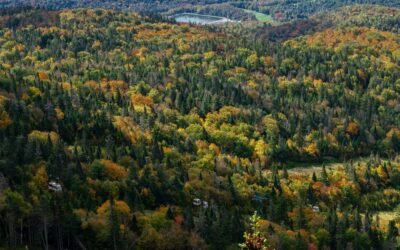
- Foliage: September is a strong period for boreal forest colour and landscape photography.
- Insects: Bug pressure generally drops as temperatures cool, making early fall comfortable for hiking.
- Night skies: Darkness returns much earlier than in midsummer, improving opportunities for stargazing and aurora watching.
- Weather changes: Frost and snow become increasingly possible as fall progresses.
For additional seasonal planning information, see the official Fort McMurray Wood Buffalo seasons and climate guide.
2. Crowds and Availability: What to Expect When
Fort McMurray is not a leisure-tourism destination on the scale of Banff or Jasper, so seasonal demand can be less predictable. Hotel availability may reflect business travel, major projects, sporting events, conferences, holidays, and community events as well as tourism.
Summer Travel Period (June – August)
Summer is the easiest season for many outdoor visitors because of warm weather, long days, and broad activity access.
- Tourism: Families, campers, anglers, golfers, and other outdoor visitors have more reasons to travel during the warmest months.
- Accommodation: Popular properties or room types may sell out around events or busy work periods, but summer is not guaranteed to be the most expensive period every year.
- Tours and activities: Seasonal experiences generally have their widest operating window in summer. Reserve early when your trip depends on a specific guided activity.
- Roads and recreation areas: Weekends and events can increase traffic around popular parks and recreation sites even when city traffic remains manageable.
Shoulder Seasons (April – May, September – October)
These periods can offer a useful compromise, although spring and fall conditions are less predictable than summer.
- Tourism: Leisure demand may be lighter than during prime summer weekends.
- Accommodation: You may find better availability, but compare actual rates rather than assuming shoulder-season prices will always be lower.
- Activities: Some seasonal services may be opening, closing, or operating reduced schedules.
- Atmosphere: September is particularly attractive if you want fall colour, fewer insects, cooler hiking weather, and darker evenings.
Winter Travel Period (November – March)
Winter attracts a different type of visitor rather than simply being an empty off-season.
- Tourism: General warm-weather sightseeing drops, while winter recreation and northern-lights trips become more relevant.
- Accommodation: Deals are possible, but Fort McMurray’s business-travel market means winter does not automatically guarantee the lowest hotel rate.
- Activities: Summer activities close or become impractical, while snowmobiling, snowshoeing, skiing, skating, and other winter recreation may be available when conditions permit.
- Northern lights: Long dark nights are helpful, but autumn and early spring can also provide useful darkness without the deepest winter cold.
3. Cost Considerations: Stretching Your Dollar
Travel costs in Fort McMurray depend more on your exact dates, demand, transportation needs, and activities than on a simple high-season versus low-season rule.
Accommodation
Lodging is often one of the largest trip expenses, but Fort McMurray’s business market can make pricing different from a conventional resort destination.
- Summer (June-August): Check early if you are traveling during holidays, festivals, sporting events, or popular outdoor weekends.
- Shoulder Seasons (April-May, Sept-Oct): These dates can offer useful availability, but compare live rates because work travel and local events can still push prices higher.
- Winter (Nov-March): Promotional rates may appear, but do not assume winter is automatically cheapest.
Pro Tip: Compare refundable hotel rates across several nearby dates before committing. In Fort McMurray, shifting the trip by one or two nights can sometimes matter more than simply choosing a different season.
Flights
Fort McMurray International Airport (YMM) currently lists Air Canada and WestJet at the main terminal, with McMurray Aviation operating separately on Snow Eagle Drive. Current nonstop destinations listed by YMM include Calgary and Edmonton, while Air Canada also lists Toronto service. Routes and frequencies can change, so verify your dates directly with the airport or airline.
- Peak travel dates: Christmas, school holidays, long weekends, and major events can produce higher fares or fewer convenient seats.
- Weekdays: There is no dependable rule that Tuesday, Wednesday, or Saturday will always be cheapest from YMM. Compare multiple dates instead.
- Flexibility: Checking a one- or two-day range on either side of your preferred travel date can reveal significantly different fares.
Check the current YMM airline directory before booking.
Activities & Tours
Activity costs vary according to season, equipment, guiding, transportation, and how far outside the city you travel.
- Guided experiences: Book in advance when a specific tour is central to your trip, particularly if the operator has limited departures or group sizes.
- Self-guided options: Municipal trails, parks, scenic walks, and some community events can keep daily sightseeing costs low.
- Winter recreation: Equipment rental, guided ice fishing, snowmobiling, or other specialized winter experiences can add substantially to your budget.
Food
Food spending depends on how often you dine out and what type of accommodation you choose.
- Eating out: Fort McMurray offers casual restaurants, pubs, fast food, and full-service dining.
- Groceries: A hotel suite or other accommodation with a kitchen can help reduce meal costs on a longer trip.
4. Activities & Events by Season
Your preferred activities can matter more than the calendar when deciding the best time to visit Fort McMurray.
Winter Wonders (December – March)
Winter suits travelers who are prepared for cold weather and want experiences that are unavailable during summer.
- Northern Lights: Long dark nights can provide excellent viewing conditions when the sky is clear and auroral activity is present. Get away from bright lights where it is safe and legal to do so.
- Snowmobiling: The wider Wood Buffalo region has extensive winter recreation opportunities. Check trail conditions and local rules before heading out.
- Ice Fishing: Ice fishing is available in the region, but verify Alberta fishing regulations and local ice conditions before going onto frozen water.
- Cross-Country Skiing and Snowshoeing: The Birchwood Trails include groomed snow trails and are used for winter recreation.
- WinterPLAY: The Regional Municipality of Wood Buffalo hosts WinterPLAY, a winter festival whose dates and program change from year to year. Check the official WinterPLAY page for the current schedule.
Spring Awakening (April – May)
Spring can be rewarding for nature-focused visitors who are comfortable adapting plans to mud, ice, water levels, and changing weather.
- Birdwatching: Migratory birds return as the region warms.
- Early Hiking: Trails gradually become usable, but snow, ice, standing water, and mud can remain well into the season.
- Wildlife Viewing: Wildlife becomes more active. Observe from a safe distance and never feed animals.
- River Breakup: The Athabasca and Clearwater rivers undergo annual breakup, but ice jams and rapid water-level changes can be hazardous. Follow municipal alerts rather than approaching the river to watch moving ice.
Summer Adventure (June – August)
Summer offers the greatest range of straightforward outdoor options and is the easiest season for a first visit.
- Hiking & Biking: The Birchwood Trails form a large maintained urban trail network through boreal forest, with routes used for walking, running, and biking.
- Boating & Paddling: Lakes and waterways in the region support paddling and boating, but conditions, experience level, required safety equipment, and local advisories should guide where you go.
- Fishing: Fishing is a popular regional activity. Check current Alberta regulations, licensing requirements, and any water-specific restrictions.
- Golfing: Long summer daylight makes it easier to fit a round into a sightseeing day.
- Local Festivals: Canada Day is one verified annual municipal celebration. Other event dates vary, so check the current RMWB and Fort McMurray Wood Buffalo event calendars rather than relying on a previous year’s schedule.
- Oil Sands Discovery Centre: The Oil Sands Discovery Centre explains the history, science, and technology of Alberta’s oil sands. Check current operating hours before visiting.
Warning: RMWB advises Birchwood Trails users to watch for wildlife, including bears. Stay alert, avoid headphones that block your hearing, learn local bear-safety guidance, and carry bear spray where recommended and legally permitted.
Autumn Colours & Calm (September – November)
| Month | Weather | Visitor Conditions | Cost Outlook |
|---|---|---|---|
| June | Mild to warm; normal high about 21.7°C | Long daylight and broad activity access | Variable; compare live rates |
| July | Warmest normal daytime high, about 23.9°C | Excellent for outdoor activities; insects and smoke are possible | Variable around holidays and events |
| August | Warm; normal high about 22.2°C | Good outdoor access; darker nights begin returning | Variable; book key activities ahead |
| September | Cooler; normal high about 16.2°C | Fall colour, fewer insects, and darker evenings | Often worth comparing with summer dates |
September is one of the most attractive periods for travelers who prefer cool air, autumn colour, and longer nights.
- Fall Foliage Drives: Boreal forest colour can make late September especially scenic.
- Photography: Cooler light, autumn foliage, and earlier sunsets offer varied landscape conditions.
- Hiking: Cooler temperatures and fewer insects can make trail walking more comfortable.
- Wildlife Spotting: Wildlife remains active, so keep a safe distance and stay alert on forest trails.
- Community Events: Markets and seasonal events vary from year to year, so confirm dates shortly before traveling.
For current attractions and seasonal experiences, use the official Fort McMurray Wood Buffalo Visit & Explore guide rather than relying on old event listings.
5. Tailoring Your Trip: Finding Your “Best” Time
There is no single best month for every visitor. Your priorities matter more than a generic peak-season label.
If You Want the Best Weather and Most Activities
Aim for: Late June to August.
- Pros: Warmest normal temperatures, very long days, good trail access, and the widest range of warm-weather recreation.
- Cons: Mosquitoes, wildfire smoke, thunderstorms, popular-event demand, and higher prices on some dates are possible.
If You Prefer Fewer Crowds, Good Value, and Mild Weather
Aim for: Late May to mid-June or September.
- Pros: Comfortable daytime conditions, good sightseeing potential, and either late-spring greenery or autumn colour. September also tends to have fewer insects and darker nights.
- Cons: Spring can be muddy and affected by river breakup, while September nights become increasingly cool. Seasonal businesses may have reduced schedules near the edges of their operating season.
If Seeing the Northern Lights is Your Priority
Aim for: Late summer through fall, winter, or early spring when nights are properly dark.
- Pros: Longer darkness gives you more opportunity to watch for aurora. Late summer and fall can combine dark skies with considerably milder temperatures than midwinter.
- Cons: Aurora activity, cloud cover, moonlight, smoke, and local light pollution all affect what you can see. No travel date guarantees a display.
Note: Midsummer is less convenient for aurora hunting because Fort McMurray’s northern latitude produces very long daylight. Darkness improves substantially as late summer gives way to fall.
If Budget is Your Absolute Top Priority
Aim for: The dates with the lowest live flight and hotel rates, not one predetermined month.
- Pros: Flexible travelers can compare several weeks and move the trip around business demand, holidays, and major events.
- Cons: The cheapest dates may fall during cold weather or when seasonal activities have limited schedules.
A Practical Tip: Always Check Local Calendars
Before finalizing your trip, check current Fort McMurray and Regional Municipality of Wood Buffalo event calendars for your exact month and year. A festival, hockey tournament, conference, construction project, or other major event can affect hotel availability, traffic, and operating hours.
What to Pack by Season
- Winter: Insulated coat, warm boots, thermal layers, hat, gloves or mittens, and clothing suitable for the forecasted wind chill.
- Spring: Waterproof footwear, warm layers, a weather-resistant jacket, and traction for lingering icy surfaces when needed.
- Summer: Light layers, rain protection, insect repellent, sun protection, and an extra layer for cool evenings.
- Fall: Layers, a warm outer jacket, waterproof footwear, and gloves or a hat later in the season.
Wildfire and Smoke Planning
Wildfire season in Canada generally runs from early April into October, although conditions vary each year. Fires do not need to be close to Fort McMurray for smoke to affect visibility and air quality.
Before a warm-season trip, check Alberta wildfire smoke information, local emergency alerts, and the Air Quality Health Index. If smoke is heavy, reduce or reschedule strenuous outdoor activity according to public-health guidance.
Fort McMurray’s best season depends on the experience you want: warm and active in summer, colourful and calmer in September, or cold and dark enough for a true northern winter trip.
Fort McMurray offers worthwhile experiences throughout the year, but the most comfortable dates for a typical first visit are late spring, summer, and early fall. Match the season to your preferred activities, then verify weather, wildfire smoke, river conditions, event schedules, and operating hours shortly before departure.
Frequently Asked Questions
What is the best time to visit Fort McMurray for favorable weather?
June through August provides the warmest normal weather, with July having a normal daily maximum of about 23.9°C (75°F). If you prefer cooler conditions, late May, June, and September offer a good balance for sightseeing and outdoor activities.
When is the busiest time to visit Fort McMurray?
Summer attracts more outdoor recreation and event travel, but Fort McMurray also has substantial business demand. Hotel availability can therefore tighten at other times because of work schedules, conferences, sporting events, and local events.
What is the off-peak season in Fort McMurray?
General warm-weather tourism is lowest during the coldest winter months, but winter is still active for business travel and seasonal recreation. Do not assume that every winter date will have lower hotel or flight prices.
When should I visit Fort McMurray to avoid crowds?
Late May, early June, and September can be good choices if you want comfortable outdoor conditions without concentrating your trip on the busiest summer holiday weekends. Always check local events because a major event can change demand on specific dates.
How can I save money when visiting Fort McMurray?
Compare several flight and hotel dates instead of relying on a fixed “cheap season.” Flexible dates, refundable hotel searches, accommodations with kitchen facilities, and free or low-cost trails and parks can all reduce the total cost of a trip.
When is the best time to see the northern lights in Fort McMurray?
Look for periods when nights are genuinely dark, from late summer through fall, winter, and early spring. Winter provides long nights, while late summer and fall can offer more comfortable temperatures. Clear skies and auroral activity are still required, so sightings are never guaranteed.
Can wildfire smoke affect a summer trip to Fort McMurray?
Yes. Wildfire smoke can travel long distances and affect Fort McMurray even when a fire is not nearby. Check Alberta wildfire information, local emergency alerts, the weather forecast, and the Air Quality Health Index before long outdoor activities.
Sources
- Environment and Climate Change Canada — Fort McMurray 1991–2020 Climate Normals — monthly temperature normals and long-term climate context.
- Fort McMurray International Airport — Airlines — current airlines and nonstop destination information.
- Regional Municipality of Wood Buffalo — Birchwood Trails — trail activities and wildlife/bear-safety information.
- Oil Sands Discovery Centre — current attraction information and operating details.
- Regional Municipality of Wood Buffalo — River Breakup — spring ice-jam, flooding, closure, and river-safety information.
- Government of Alberta — Wildfire Smoke Information — wildfire-smoke conditions, air-quality information, and planning guidance.