When’s the best time to visit Mont-Tremblant, Quebec? Honestly, it really depends on what you’re looking for. If you want to ski or snowboard, the winter months are your prime time. For vibrant fall colors and hiking, autumn is unbeatable. If you’re after lake activities and warmer weather without the peak buzz, the summer shoulder seasons are a good bet. And if you’re on a budget and don’t mind cooler temps, the spring can be surprisingly pleasant. Let’s break down the seasons to help you pinpoint your perfect Mont-Tremblant escape.
Winter in Mont-Tremblant is practically synonymous with skiing and snowboarding. The resort is world-renowned for its slopes, drawing crowds from all over. If hitting the powder is your main goal, this is when you’ll find the best conditions and the full resort experience.
December: The Early Bird Gets the Snow
- Weather: December can be a bit of a gamble. Early December might still be shaking off its autumn chill, with temperatures hovering around freezing. However, by mid-to-late December, consistent cold usually sets in, bringing reliable snowfall. Expect average daily temperatures to be between -10°C and -5°C (14°F to 23°F). Nighttime can dip significantly lower.
- Crowds: This is where it gets tricky. The weeks leading up to Christmas and New Year’s are extremely busy. Think packed slopes, busy restaurants, and booked-up accommodations. If you want to experience the festive atmosphere and have access to all amenities, this is part of the deal. However, if you prefer fewer people, consider aiming for the first few weeks of December before the holiday rush truly kicks in.
- Costs: Expect peak season prices for accommodations and lift tickets during the Christmas and New Year’s period. If you can visit before the major holidays (early December), you might find slightly more reasonable rates, but it’s still a popular time, so don’t expect deep discounts. Equipment rentals will also be at their highest.
- Activities: Skiing and snowboarding are the main draws. The resort typically opens its main lifts in late November or early December, depending on natural snowfall. You’ll also find opportunities for snowshoeing, cross-country skiing, ice skating in the village, and enjoying the festive lights and events.
January & February: The Heart of Ski Season
- Weather: These are typically the coldest months, offering the most consistent and often deepest snow. Average daily temperatures usually range from -15°C to -7°C (5°F to 19°F), with potential for much colder snaps. The days are shorter, but the sunshine on a crisp bluebird day can be absolutely stunning. Frostbite is a real concern, so proper layering is essential.
- Crowds: Generally, January sees a slight dip in crowds after the New Year’s rush. However, it remains a very popular time, especially if snowfall is excellent. February often sees a resurgence in visitors, particularly during any school breaks or long weekends. Weekends will always be busier than weekdays.
- Costs: You’re squarely in peak season, so prices for lodging, lift tickets, and rentals will be at their highest. Booking well in advance is crucial, especially for weekends and popular dates. The closer you are to the resort village, the more you’ll likely pay.
- Activities: This is prime time for the full Mont-Tremblant ski experience. All runs and lifts are usually open, offering the best terrain. Beyond downhill skiing, you’ll find excellent conditions for cross-country skiing on groomed trails, snowshoeing through wooded paths, ice climbing (for the adventurous), and indulging in après-ski activities like hot chocolate by a fireplace or a dip in a hot tub. The village is buzzing with energy.
March: The Sweet Spot for Spring Skiing
- Weather: March often brings a welcome change. While still cold enough for snow, temperatures start to moderate, often reaching above freezing during the day. This means softer snow, especially in the afternoons, which many skiers and snowboarders prefer. Average daily temperatures might range from -8°C to 2°C (18°F to 36°F). The snow base is usually still substantial from the earlier months.
- Crowds: As the hardcore ski season winds down, crowds typically begin to thin out, especially after the March Break period (which can vary by province and state). Weekdays become significantly quieter. You’ll still find plenty of people enjoying the slopes, but the feeling of being on a truly busy day subsides.
- Costs: This is often where you can start to see some deals emerge. Even though conditions can still be excellent, prices for lodging and lift tickets may begin to decrease as resorts try to attract visitors for the final weeks. If you’re looking for good skiing without the absolute peak crowds and prices, March can be ideal.
- Activities: Spring skiing is the highlight. The warmer sun makes for a more pleasant experience on the slopes. Many people enjoy the ability to ski in lighter gear. You’ll still have access to most of the resort’s offerings. Think about enjoying lunch on a sunny patio overlooking the mountain.
If you’re planning a trip to Mont-Tremblant, Quebec, you might find it helpful to read our related article on the best time to visit, which covers essential aspects such as weather, crowds, and costs. This comprehensive guide will help you make informed decisions for your travel plans. For more insights, check out the article here: Best Time to Visit Mont-Tremblant.
2. The Autumn Spectacle: Fall Colors and Cooler Trails
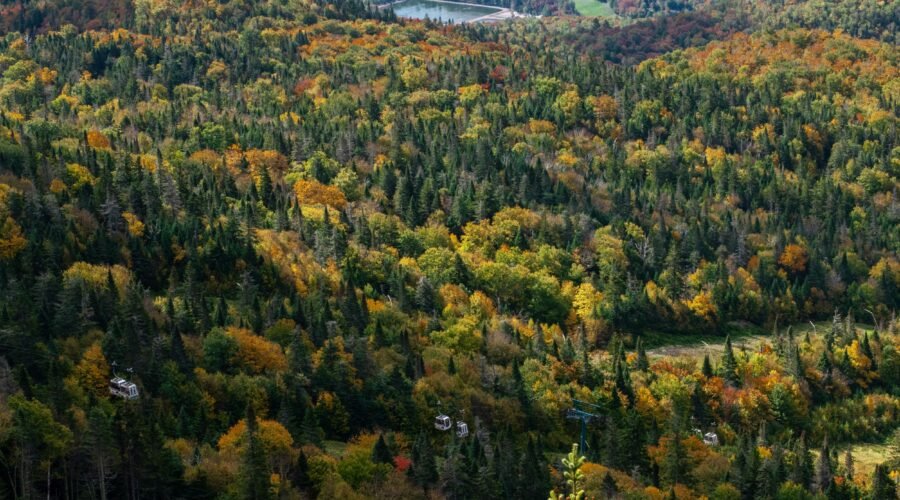
Autumn in Mont-Tremblant is a feast for the eyes and a wonderful time for outdoor activities that don’t involve snow. The landscape transforms into a vibrant tapestry of reds, oranges, and yellows, making it a picturesque destination.
September: The Gentle Transition to Fall
- Weather: September offers some of the most pleasant weather of the year. Daytime temperatures are typically mild, ranging from 15°C to 22°C (59°F to 72°F), making it perfect for exploring. Nights start to cool down, so bring layers. While peak fall foliage usually hits in early to mid-October, you might start seeing the first hints of color in the later half of September.
- Crowds: This is the beginning of the fall shoulder season. The summer crowds have largely dispersed, and the ski enthusiasts haven’t arrived yet. You’ll find a much more relaxed atmosphere in the village and on the trails, though weekends can still see a fair number of visitors who’ve come for the early color or hiking.
- Costs: You can often find better deals on accommodations in September compared to the summer or peak winter months. It’s a good time to snag a nice place without paying top dollar. Restaurants and shops will also likely be more accessible.
- Activities: Hiking is a major draw, with trails offering stunning views of the emerging fall colors. Cycling along the Linear Park (P’tit Train du Nord) is also fantastic. You can still enjoy activities like kayaking and paddleboarding on the lake, though the water will be cooler. The pedestrian village is pleasant for strolling and enjoying the cooler air.
October: Peak Foliage Glory
- Weather: October is when Mont-Tremblant truly shines with its fall colors. The weather can be variable. Early October usually offers crisp, cool days with average temperatures between 8°C and 15°C (46°F to 59°F). Later in the month, it can become quite chilly, with frost becoming more common. Snow is unlikely, but don’t be surprised by a dusting of frost on the ground in the mornings.
- Crowds: This is arguably the busiest time of year for non-ski activities. The stunning fall foliage attracts a significant number of visitors, especially on weekends. If you’re coming for the peak color, expect to share the views. Weekdays will be much quieter.
- Costs: Prices can creep up in October, particularly on weekends and during the absolute peak of the fall colors, due to high demand. However, it’s generally still less expensive than the peak winter ski season. Booking accommodation in advance is highly recommended if you want specific dates or deals.
- Activities: Hiking is at its absolute best, with trails like the Mont Tremblant summit trail offering panoramic vistas of the colorful landscape. The Maple Trail is also a popular choice. Scenic drives around the region are a must. The gondola ride up the mountain provides breathtaking views of the forest. You can still enjoy some leisurely activities in the village, but beach days are definitely over.
3. The Summer Splash: Lakes, Trails, and Sunshine

Summer in Mont-Tremblant means sunshine, warm weather, and a focus on outdoor recreation beyond the snow. It’s a popular time for families and those looking to enjoy the natural beauty in a different light.
June: The Gentle Awakening of Summer
- Weather: June is a transition month. Early June can still feel a bit cool, with average daytime temperatures around 18°C to 24°C (64°F to 75°F). By the end of June, you’re usually into proper summer warmth. Rain showers are possible, but often brief. The days are long, offering plenty of daylight.
- Crowds: June is often a lovely time to visit before the major summer vacation rush hits. The crowds are generally moderate, making it easier to enjoy activities and find seating at restaurants. Weekends will be busier than weekdays, but it won’t feel overwhelming.
- Costs: June often represents a sweet spot for pricing. You can find good deals on accommodation and activities before the peak summer rates kick in. It’s a good opportunity to get more bang for your buck.
- Activities: Many summer activities begin in earnest in June. The lake is usually warm enough for swimming, kayaking, and paddleboarding. Hiking trails are fully accessible and lush. The pedestrian village comes alive with outdoor dining and music. It’s a great time for exploring the region with pleasant weather and fewer people.
July & August: The Peak of Summer Heat and Activity
- Weather: These are the warmest months, with average daytime temperatures ranging from 22°C to 30°C (72°F to 86°F), and sometimes higher. Humidity can be a factor, especially in August. Thunderstorms are common in the afternoons, so keep an eye on the sky. The days are at their longest, offering ample time for exploration.
- Crowds: This is the peak of the summer tourist season. Expect the village and attractions to be busy, especially on weekends and during any local festivals or events. Accommodations will be at their most expensive and will book up far in advance. Patience may be required in popular spots.
- Costs: You’re looking at peak season prices for everything. Lodging, dining, and activities will be at their highest, especially in the main resort village. If budget is a major concern, consider staying a bit further out or visiting during the shoulder seasons.
- Activities: Water sports are in full swing on Lac Tremblant. Swimming, boating, jet skiing, and wakeboarding are popular. The resort and surrounding areas offer numerous hiking and biking trails. The Mont Tremblant Casino is a draw for some. Amusement parks and family-friendly attractions are bustling. The atmosphere is lively and energetic.
4. The Shoulder Season Sweet Spots: Balancing Weather and Value

The shoulder seasons – late spring and early autumn – often offer the best of both worlds: good weather, fewer crowds, and more manageable prices.
May: The Emerging Green of Spring
- Weather: May is a transitional month where spring is definitely in bloom. Early May can still be quite cool, with average daytime temperatures around 10°C to 18°C (50°F to 64°F). You might even encounter lingering patches of snow in higher elevations or shaded areas earlier in the month. By late May, the weather is usually much nicer, with warmer temperatures and more consistent sunshine. Rain is common.
- Crowds: This is one of the quietest times of year. The winter crowds are gone, and the summer season hasn’t fully kicked off. You’ll find a very peaceful atmosphere, with plenty of space to yourself on trails and in the village. This is a great time for a relaxed getaway.
- Costs: Prices for accommodation and activities are generally lower in May than in either the peak winter or summer seasons. It’s an excellent time to find deals and enjoy the area without breaking the bank.
- Activities: While the lake might still be too cold for swimming for most, you can enjoy beautiful scenery as nature awakens. Hiking trails will be opening up, though some higher elevation trails might still be muddy or have snow. The village will be open, but some seasonal attractions might not have started their summer operations yet. It’s ideal for those seeking tranquility and natural beauty without the hustle and bustle.
Late November: The Pre-Season Calm
- Weather: Late November is on the cusp of winter. Temperatures are reliably freezing, with average daily highs around -5°C to 0°C (23°F to 32°F). Natural snowfall can be inconsistent, but the resort is usually starting to open its slopes with significant snowmaking efforts. It can be quite cold and crisp, with shorter daylight hours.
- Crowds: This is the calm before the storm. The holiday crowds haven’t arrived yet, and most families are not on vacation. You’ll find a relatively quiet resort, allowing for a more individual experience on the slopes.
- Costs: You might be able to find slightly better deals on lodging compared to the peak holiday weeks that immediately follow. Lift ticket prices might also be a touch lower before the full season pricing structure takes effect. However, it’s still considered early high season for ski resorts.
- Activities: Skiing and snowboarding are the main focus, with a good portion of the mountain usually open thanks to snowmaking. It’s a good time for those who want to hit the slopes early and enjoy fresh snow without the intense crowds. Cross-country skiing and snowshoeing trails will also be accessible if natural snow is sufficient. The village will be buzzing with preparations for the holiday season.
When planning your trip to Mont-Tremblant, Quebec, it’s essential to consider various factors such as weather, crowds, and costs to ensure an enjoyable experience. For a deeper understanding of how to make the most of your visit, you might find it helpful to read a related article that discusses the best times to travel based on these aspects. This resource can provide valuable insights and tips for your journey. To explore more about travel reviews and recommendations, check out this informative article on how we review products at Lele Tours.
5. The Off-Season Gems: Budget and Solitude
| Month | Weather | Crowds | Costs |
|---|---|---|---|
| January | Cold, snowy | High | High |
| April | Mild, melting snow | Low | Low |
| July | Warm, sunny | High | High |
| October | Cool, colorful foliage | Low | Low |
If your priority is saving money and enjoying peace and quiet, there are specific times when Mont-Tremblant offers significant advantages.
Early December (Pre-Holiday Rush)
- Weather: As mentioned in the winter section, early December can be cold and snowy, but the predictability increases as the month progresses. Temperatures will be consistently below freezing.
- Crowds: This is the key. Before the week of Christmas, crowds are significantly lighter. You can enjoy the winter atmosphere and the start of the ski season without the intense pressure of peak holiday visitors.
- Costs: While not as budget-friendly as a true off-season, early December can offer slightly lower prices for accommodation and potentially lift tickets than the last two weeks of December. It’s a good compromise if you want winter activities with a bit more breathing room.
- Activities: Skiing and snowboarding are available, though perhaps not all the runs are open yet. It’s a great time to get in some early season runs and enjoy the festive decorations in the village without the peak season crowds.
Late April and Early May (Post-Ski, Pre-Summer Bloom)
- Weather: This is the true off-season. Late April can still be chilly, with a chance of lingering snow, especially in shaded areas. Daytime temperatures might be around 5°C to 15°C (41°F to 59°F). Early May sees a gradual warming although it can still be unpredictable.
- Crowds: This is the quietest period. Most winter activities have concluded, and the summer season hasn’t truly begun. You’ll find the village very peaceful.
- Costs: This is your prime time for budget travel. Accommodation prices drop considerably, and you can find some excellent deals. Many restaurants and shops will still be open, offering a more relaxed and affordable experience.
- Activities: This is the time for appreciating the natural beauty as spring unfolds. Hiking trails will be opening, albeit with potential mud and lingering snow higher up. You can enjoy leisurely walks and scenic drives. It’s an excellent time for nature photography and quiet contemplation. Some adventurous individuals might still find lake activities possible but with very cold water. It’s a time to savor the tranquility and the transition.
6. Mont-Tremblant for Specific Interests: Tailoring Your Visit
Your ideal time to visit can also depend on what you want to get out of your trip. Here’s a quick breakdown by interest:
For the Serious Ski/Snowboarder:
- Best Time: January and February for the deepest snow and best conditions. March for spring skiing and often good conditions with fewer crowds.
- Consider: Late December for the full resort experience and festive atmosphere, but be prepared for crowds and high costs.
For the Fall Foliage Enthusiast:
- Best Time: Early to mid-October for peak color.
- Consider: September for fewer crowds and the beginning of color change.
For the Summer Lake Lover:
- Best Time: July and August for the warmest weather and water temperatures.
- Consider: June for pleasant weather and fewer crowds before the peak season.
For the Budget Traveler:
- Best Time: Late April/early May or late November/early December (pre-holiday).
- Consider: The shoulder seasons (September, October, June) for a good balance of weather and cost.
For Peace and Quiet:
- Best Time: Late April/early May or the periods right after major holidays (e.g., early January).
- Consider: Weekdays during any season, especially outside of major school holidays.
FAQs
1. What is the best time to visit Mont-Tremblant, Quebec for ideal weather?
The best time to visit Mont-Tremblant for ideal weather is during the summer months of June to August, when the temperatures are warm and the days are long.
2. When is the peak tourist season in Mont-Tremblant, Quebec?
The peak tourist season in Mont-Tremblant is during the winter months of December to March, when the ski season is in full swing. The summer months of June to August also see a high influx of tourists.
3. What is the off-peak season in Mont-Tremblant, Quebec?
The off-peak season in Mont-Tremblant is during the spring and fall months of April to May and September to November, when the weather is milder and the crowds are thinner.
4. When is the best time to visit Mont-Tremblant, Quebec to avoid crowds?
To avoid crowds, it is best to visit Mont-Tremblant during the off-peak seasons of spring and fall, particularly in April to May and September to November.
5. When is the most cost-effective time to visit Mont-Tremblant, Quebec?
The most cost-effective time to visit Mont-Tremblant is during the off-peak seasons of spring and fall, when accommodation and activity prices are generally lower.