Planning a trip to Penticton, British Columbia? The best time to visit depends on what you want to do. July and August deliver the warmest lake weather and the liveliest atmosphere, while late May through June and September usually offer a better balance of comfortable temperatures and lighter crowds. Winter works best if Apex Mountain, snowshoeing, or a quiet city break is your priority.
Because Penticton sits between Okanagan Lake and Skaha Lake, the experience changes noticeably with the seasons. Weather, winery activity, accommodation demand, events, and mountain conditions can all influence which month works best for you.
Quick Answer
For most travelers, the best time to visit Penticton is June or September. You still get warm weather, wineries, outdoor activities, and access to the lakes without quite as much peak-summer pressure. Choose July or August for the hottest beach weather, September for wine harvest, and winter for skiing at nearby Apex Mountain.
Key Takeaways
- Best overall balance: June and September for warm days, outdoor activities, and generally lighter crowds than peak summer.
- Best for beaches: July and August, when Penticton has its hottest average daytime temperatures.
- Best for wineries and harvest: September into October, when grape harvest is underway across the region.
- Best for lower-demand travel: Late fall, early spring, and much of winter outside major holiday periods.
- Best for snow sports: Winter, using Penticton as a base for Apex Mountain and nearby Nordic trails.
Best Time to Visit Penticton at a Glance
| Trip Priority | Best Time | Why |
| Swimming and beaches | July-August | Warmest weather and full summer lake season |
| Weather + fewer crowds | June or September | Comfortable daytime temperatures with less peak-season pressure |
| Wine touring and harvest | September-October | Grape harvest and comfortable touring weather |
| Hiking and cycling | May-June or September | Milder temperatures than midsummer afternoons |
| Quiet getaway | November-March | Lower visitor demand outside ski and holiday periods |
| Skiing and snowshoeing | December-March | Higher-elevation snow at Apex Mountain and nearby Nordic terrain |
Month-by-Month Weather in Penticton
Environment and Climate Change Canada’s 1991-2020 climate normals provide a useful baseline for trip planning. These numbers are averages rather than forecasts, so individual days can be considerably warmer or colder.
| Month | Average High | Average Low | Typical Travel Feel |
| January | 1.6°C / 35°F | -3.2°C / 26°F | Quiet city, mountain snow sports |
| February | 4.6°C / 40°F | -3.1°C / 26°F | Winter recreation continues |
| March | 10.2°C / 50°F | -0.6°C / 31°F | Cool early spring |
| April | 15.7°C / 60°F | 2.4°C / 36°F | Good for walking and early-season exploring |
| May | 21.4°C / 71°F | 7.1°C / 45°F | Warm shoulder season |
| June | 24.6°C / 76°F | 10.6°C / 51°F | Excellent all-round month |
| July | 29.2°C / 85°F | 13.5°C / 56°F | Peak beach season |
| August | 28.4°C / 83°F | 12.8°C / 55°F | Hot, busy and event-filled |
| September | 22.6°C / 73°F | 8.5°C / 47°F | Warm shoulder season and harvest |
| October | 14.3°C / 58°F | 3.5°C / 38°F | Cooler harvest and fall scenery |
| November | 6.7°C / 44°F | 0°C / 32°F | Quiet off-season |
| December | 2.1°C / 36°F | -2.8°C / 27°F | Winter and holiday season |
Source: Environment and Climate Change Canada 1991-2020 Climate Normals for Penticton.
1. Summer: Late June to August
Summer is Penticton’s peak lake season. Okanagan Beach, Skaha Beach, patios, wineries, water sports, festivals, and the Kettle Valley Rail Trail all attract visitors during the warmest part of the year.
Weather: Hot and Sunny
July is the warmest month by the official 1991-2020 normals, with an average daily maximum of 29.2°C (84.6°F). August is close behind at 28.4°C (83.1°F). Temperatures can climb well above those averages during heat events, so plan strenuous hiking or cycling for cooler parts of the day.
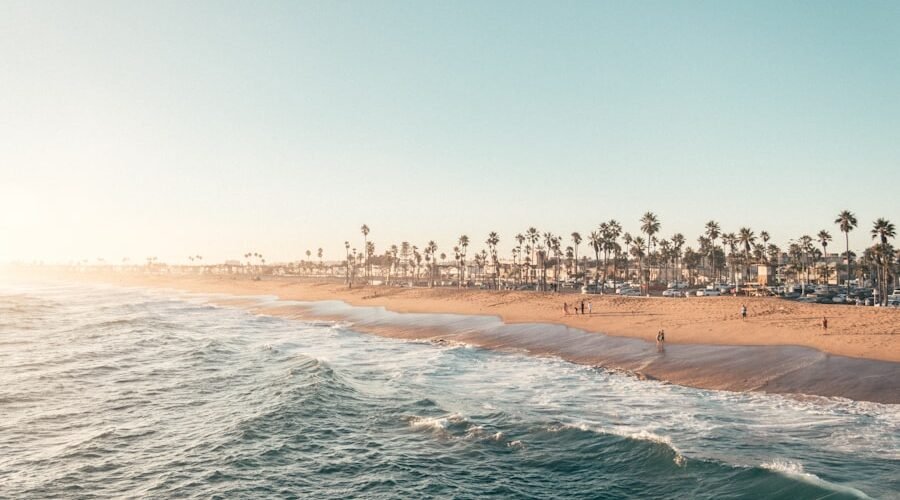
This is prime swimming, paddling, boating, sunbathing, and patio weather. Penticton’s public beaches on Okanagan Lake and Skaha Lake become major summer gathering places.
Warning: Summer heat and wildfire smoke can occasionally disrupt outdoor plans in the South Okanagan. Smoke conditions can change quickly, so check British Columbia air-quality warnings and emergency information before long hikes, rides, or lake days when regional fires are active.
Crowds: Peak Season Buzz
Summer is Penticton’s busiest visitor season. Beaches, restaurants, popular wineries, lakefront areas, and major events can be especially busy on weekends and holidays. If you enjoy an energetic atmosphere and want the widest range of summer activities, this is the season to choose.
Costs: Usually the Highest Demand
Hotels and vacation rentals generally face their strongest demand in midsummer, particularly around weekends and major events. Exact prices vary by property and date, so compare rates rather than assuming one month will always be more expensive. Booking early gives you a better choice of lakefront rooms, family accommodations, and properties with pools.
Activities: Full Summer Mode
- Lake Exploration: Swim, paddleboard, kayak, boat, or enjoy other water sports on Okanagan Lake and Skaha Lake.
- Beach Days: Okanagan Beach and Skaha Beach are two of the city’s best-known summer areas.
- Wine Touring: Winery tasting rooms and patios are active across the surrounding South Okanagan wine region.
- Hiking and Biking: The Kettle Valley Rail Trail is popular, but early morning or evening outings are more comfortable during hot weather.
- Festivals: Penticton Peach Festival is an annual August tradition. Check the official Peach Festival site for each year’s dates and schedule.
Pro Tip: If you want summer lake weather without spending every afternoon in the hottest conditions, start outdoor activities early, relax by the water in the afternoon, and save winery patios or lakeside walks for later in the day.
For transparency about how this site evaluates recommendations and travel-related content, see How We Review Products.
2. Shoulder Seasons: May-June and September-Early October
For many travelers, the shoulder seasons provide Penticton’s best balance. You can still enjoy wineries, trails, markets, patios, and lake views while avoiding some of the intensity of July and August.
Weather: Comfortable for Exploring
May-June: Penticton’s normal average daily maximum rises from 21.4°C (70.5°F) in May to 24.6°C (76.3°F) in June. Nights remain cooler, especially in May. This is an excellent period for hiking, cycling, golf, winery visits, and sightseeing.
September-Early October: September has an average daily maximum of 22.6°C (72.7°F), while October’s monthly average drops to 14.3°C (57.7°F). Early September can still feel summery, but evenings become progressively cooler as fall develops.
Crowds: Noticeably Lighter
You can still encounter busy weekends, events, and popular tasting rooms, but shoulder-season travel generally feels less intense than peak midsummer. Restaurant reservations and winery visits may be easier to arrange, particularly on weekdays.
Costs: Often Better Value
Accommodation demand can ease outside peak summer dates, which may produce better rates or more room choices. Savings are not guaranteed, especially during festivals, long weekends, weddings, or wine events, so compare your exact dates before booking.
Activities in May and June
- Winery Tours: Explore tasting rooms before peak summer traffic builds.
- Hiking and Biking: Milder conditions are well suited to the KVR Trail and other outdoor routes.
- Golf: Spring offers comfortable daytime temperatures for a round.
- Kayaking and Paddleboarding: Paddling becomes increasingly appealing as the weather warms, although lake-water comfort varies by person and date.
- Farmers’ Market: The Penticton Farmers’ Market currently operates its outdoor market on Saturdays from mid-April through the end of October.
Activities in September and Early October
- Harvest Season: Grapes are typically harvested during September and October, making this an especially interesting period for wine-country travel.
- Hiking and Biking: Cooler temperatures are comfortable for longer outdoor days.
- Fall Scenery: Vineyards, orchards, and surrounding landscapes begin taking on autumn colors.
- Fishing: The cooler season can be appealing for anglers, subject to local regulations and conditions.
- Markets and Local Produce: September and October remain productive months for Okanagan fruit, farm stands, and the Saturday Farmers’ Market.
If your schedule is flexible, June and September are the strongest all-around choices: warm enough for most outdoor activities, but generally less intense than peak July and August.
3. Late Fall: Mid-October to November
This period is easy to overlook, but it can suit travelers who prefer quiet streets, cool-weather walks, relaxed dining, and lower visitor demand.
Weather: Cool and Changeable
October’s normal average daily maximum is 14.3°C (57.7°F), falling to 6.7°C (44.1°F) in November. Average nighttime temperatures fall from 3.5°C (38.3°F) in October to around freezing in November. Pack layers and expect shorter days than in summer.
Crowds: Very Quiet
Visitor numbers generally fall after the main summer and early-fall travel periods. Some tourism businesses may reduce their hours, so check individual winery, attraction, and tour schedules before making a special trip.
Costs: Good Potential for Value
Lower visitor demand can make late fall a useful time to search for accommodation deals. Prices still vary by property and event calendar, so treat this as a general trend rather than a guarantee.
Activities: Slower and More Relaxed
- Winery Visits: Some South Okanagan wineries remain open beyond the main summer season, although winter and late-fall hours vary.
- Dining: Explore Penticton’s restaurants and craft-beverage scene without midsummer crowds.
- Indoor Attractions: Museums, galleries, shops, and other indoor stops become more useful as the weather cools.
- Nature Walks: Lakeside routes can be peaceful when you dress for cooler temperatures.
- Breweries and Distilleries: Cooler weather is a good time to explore Penticton’s established craft-beverage scene.
4. Winter: December to February
Penticton is quieter in winter than during its lake-focused summer season, but it can work well as a base for mountain recreation, winery visits, dining, and a slower Okanagan getaway.
Weather: Cold in Town, Snowier in the Mountains
On the valley floor, Penticton’s 1991-2020 normal average daily maximum is 2.1°C (35.8°F) in December, 1.6°C (34.9°F) in January, and 4.6°C (40.3°F) in February. Average lows are roughly -3°C (27°F). Snow can occur in the city, but conditions are much snowier and more dependable at higher elevations.
Apex Mountain Resort is about 33 km (21 miles), or roughly a 40-minute drive, from Penticton under normal conditions. Nickel Plate Nordic Centre lies farther beyond Apex and provides cross-country skiing and snowshoeing terrain.
Crowds: Quiet City With Holiday and Ski Spikes
Penticton itself is generally much calmer than in summer. Visitor demand can increase around Christmas, New Year’s, ski weekends, and periods of strong mountain conditions.
Costs: Often Affordable Outside Busy Dates
Winter can provide attractive accommodation value outside holiday and ski-demand periods. Check exact hotel rates and cancellation policies, especially if your plans depend on snow conditions.
Activities: Snow Sports and Cozy Stops
- Skiing and Snowboarding: Head to Apex Mountain Resort for downhill terrain.
- Cross-Country Skiing and Snowshoeing: Nickel Plate Nordic Centre is located beyond Apex at higher elevation.
- Ice Skating: Penticton’s outdoor rink is at 107 Martin Street in Gyro Park. Operation depends on the season and current conditions, so check the City of Penticton skating page before visiting.
- Winter Walking: Lower-elevation routes may remain suitable for walking when surfaces are safe.
- Winery and Brewery Visits: Some tasting rooms operate through winter, although hours vary.
- Holiday Atmosphere: December brings seasonal events and decorations around the community.
Note: Do not judge Apex Mountain snow conditions by what you see in downtown Penticton. The resort and Nordic areas are at substantially higher elevation, so mountain conditions can be very different from the valley floor.
For information about how this website uses cookies and related technologies, see our Cookie Policy.
5. Early Spring: March to Early May
Early spring marks the gradual return of warmer weather, longer days, orchard blossoms, outdoor markets, and easier access to lower-elevation trails.
Weather: Cool but Warming Quickly
Average daily maximums rise from 10.2°C (50.4°F) in March to 15.7°C (60.3°F) in April and 21.4°C (70.5°F) in May. Nights remain considerably cooler, so layers are useful even when afternoons feel mild.
Crowds: Generally Low
March and early April remain relatively quiet compared with summer. Activity increases as May approaches and more outdoor businesses, markets, patios, and visitor services move into their warm-season schedules.
Costs: Worth Comparing
Spring can offer good accommodation availability before peak summer demand arrives. Long weekends and special events can still affect rates, so check your dates rather than relying on season alone.
Activities: Blossoms and Outdoor Exploration
- Scenic Drives: Explore orchards, vineyards, lakeshore roads, and surrounding communities as spring growth returns.
- Winery Tours: Spring can provide a quieter tasting experience before midsummer.
- Hiking and Biking: Lower-elevation trails gradually become more accessible as winter conditions retreat.
- Bird Watching: Spring brings increased wildlife and bird activity across the valley.
- Golf: Course opening dates depend on weather and ground conditions.
- Farmers’ Market: The outdoor Penticton Farmers’ Market season currently begins in mid-April.
Which Season Is Best for Your Trip?
For Families and Beach Trips
Choose July or August if swimming, beaches, paddling, and a full summer atmosphere are your priorities. June can be a strong alternative if you prefer warm weather with slightly less peak-season intensity.
For Wine Lovers
September and early October are especially appealing because grape harvest typically takes place in September and October. Spring and early summer are also attractive if you prefer green vineyards and fewer peak-season visitors.
For Hiking and Cycling
May, June, and September usually provide a better temperature balance than the hottest midsummer afternoons. Always adjust plans for current heat, smoke, wind, and trail conditions.
For Budget-Conscious Travelers
Look first at late fall, early spring, and winter outside holiday or ski-demand periods. Accommodation prices change dynamically, so compare actual dates rather than relying only on the season.
For Winter Sports
December through March is the logical window if Apex Mountain is central to your trip. Check current snow reports, road conditions, and resort operations shortly before traveling.
Practical Penticton Travel Planning
Penticton Airport (YYF) provides direct connections that currently include Vancouver and Calgary through scheduled airline service. Routes and frequencies can change, so confirm your flight schedule before booking accommodation around an arrival time.
If you visit during July or August, reserve popular accommodation as early as practical, particularly for festival weekends. For May, June, September, and October, you may have more flexibility, but weddings, sporting events, wine events, and long weekends can still tighten availability.
During summer, check both the weather forecast and British Columbia air-quality information shortly before outdoor activities. Wildfire smoke is not present all summer, but when it occurs, conditions can change quickly across the Okanagan Valley.
Bottom line: Penticton is a true four-season destination, but June and September provide the strongest overall balance for many visitors. Pick July or August for peak lake life, September and early October for harvest and wine touring, and winter if mountain recreation matters more than beaches.
Frequently Asked Questions
What is the best time to visit Penticton for good weather?
June through September offers the warmest and most reliable conditions for outdoor travel. July and August are hottest, while June and September usually provide a more comfortable balance for sightseeing, hiking, cycling, wineries, and lakefront activities.
When is peak tourist season in Penticton?
July and August are the heart of peak season because of hot weather, beaches, lake activities, school vacations, and summer events. Weekends and festival dates can be particularly busy.
What is the quietest time to visit Penticton?
November through early spring is generally much quieter than summer, although Christmas, New Year’s, ski weekends, and special events can create temporary increases in demand.
When can I find lower accommodation costs in Penticton?
Late fall, winter outside holiday periods, and early spring are good times to look for lower-demand rates. Prices vary by property, event calendar, and booking date, so compare actual travel dates before deciding.
When is the best time to visit Penticton wineries?
Wine touring is possible through much of the year, but September and early October are especially interesting because grape harvest typically occurs during September and October. Summer has the liveliest patio atmosphere, while spring and late fall can feel quieter.
Is winter a good time to visit Penticton?
Yes, especially if you want a quiet city break combined with skiing, snowboarding, cross-country skiing, or snowshoeing at higher elevations. Apex Mountain Resort is about a 40-minute drive from Penticton under normal conditions.
Can wildfire smoke affect a summer trip to Penticton?
Yes. Wildfire smoke can occasionally affect the South Okanagan during fire season, although it is not present throughout every summer. Conditions can change quickly, so check official British Columbia air-quality warnings and emergency information before strenuous outdoor activities.
Sources
- Environment and Climate Change Canada — Penticton 1991-2020 Climate Normals — monthly average temperature data.
- Visit Penticton — About Penticton — official seasonal tourism and weather overview.
- Penticton Farmers’ Market — current outdoor market season and schedule.
- Apex Mountain Resort — Getting Here — official distance and drive time from Penticton.
- Penticton Peach Festival — official annual festival information.
- Government of British Columbia — Air Quality Warnings — wildfire-smoke guidance and South Okanagan air-quality information.