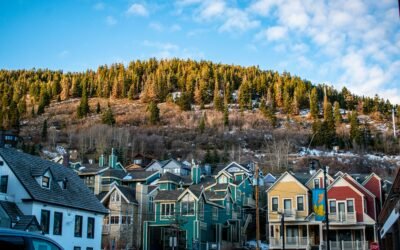
Vernon, British Columbia can work as a year-round destination, but the best month depends on what you want to do. Summer brings the warmest lake weather, spring and fall suit hiking and quieter sightseeing, and winter shifts the focus toward skiing and snow activities at SilverStar Mountain Resort. Weather, operating schedules, crowds and accommodation demand can all change by date, so it helps to compare the seasons before you book.
Quick Answer
For most warm-weather travellers, June through September is the best time to visit Vernon, British Columbia. July and August are hottest and busiest, while June and September can offer a better balance of comfortable weather and lighter crowds. For skiing, plan around SilverStar’s operating calendar, which normally extends from late fall into early spring.
Key Takeaways
- Best for lake activities: July and August offer the warmest daytime weather.
- Best balance: June and September combine pleasant temperatures with fewer peak-season pressures than midsummer.
- Best for hiking and biking: Late spring and early fall usually offer milder daytime temperatures.
- Best for fall experiences: September and October bring harvest activities, cooler trails and changing foliage.
- Best for snow sports: Follow SilverStar Mountain Resort’s published operating dates rather than relying on fixed calendar months.
- Before any trip: Check current weather, air quality, road conditions and seasonal business hours.
Vernon Weather and Travel Seasons at a Glance
Environment and Climate Change Canada’s 1991–2020 climate normals provide a better baseline than broad estimates. The figures below use normal daily maximum and minimum temperatures for Vernon; individual days can be much warmer or colder.
| Season | Typical Daytime Highs | Best For | Main Trade-Off |
| Spring: April–May | About 15–21°C (59–70°F) | Hiking, cycling, golf, blossoms | Cool evenings and variable weather |
| Summer: June–August | About 24–28°C (75–83°F) | Beaches, swimming, paddling, summer events | Higher demand, heat and possible wildfire smoke |
| Fall: September–October | About 12–22°C (54–72°F) | Trails, harvest experiences, sightseeing | Cooler nights and reduced seasonal hours |
| Winter: November–March | Roughly -1 to 9°C (30–48°F) in the valley, depending on month | Skiing, snowshoeing, Nordic skiing | Winter roads and fewer warm-season attractions |
Official climate normals are available from Environment and Climate Change Canada.
1. Spring in Vernon: April to May
Spring is one of Vernon’s more flexible shoulder seasons. The valley greens up, golf courses and seasonal attractions begin reopening, and hiking and cycling become more comfortable as lower-elevation trails dry out.
Weather in Spring
- April: Vernon’s normal daily maximum is about 15.1°C (59°F), with a normal minimum near 2.3°C (36°F). Warm afternoons are possible, but mornings and evenings can still feel cold.
- May: The normal daily maximum rises to about 20.9°C (70°F), while the normal minimum is about 6.8°C (44°F). May generally feels much more springlike, although layers remain useful.
The lakes are still cold early in the season, so spring is generally better for shore walks, paddling with appropriate cold-water precautions, golf, cycling and hiking than for a classic beach holiday.
Crowds in Spring
April is generally calmer than midsummer. Activity increases through May, particularly around weekends and holidays, but spring can still be a good choice when you want outdoor access without planning around the strongest summer demand.
Costs in Spring
Spring accommodation can offer better value than high-demand summer dates, but there is no universal seasonal price rule. Hotel rates, vacation rentals, flights and rental cars change by day, event and availability, so compare your exact travel dates rather than assuming every April or May stay will be inexpensive.
Pro Tip: Spring is especially useful if your priority is hiking, cycling or golf rather than swimming. Tourism Vernon’s 2026 spring information showed several local golf courses opening during April, but opening dates should always be checked for your travel year.
2. Summer in Vernon: June to August
Summer provides the widest range of classic Okanagan warm-weather activities. Beaches, paddling, boating, hiking, cycling and outdoor events all compete for your time, and Vernon’s location among Okanagan Lake, Kalamalka Lake and Swan Lake makes water a major part of a summer visit.
Weather in Summer
- June: The normal daily maximum is about 23.8°C (75°F), with a normal minimum near 10.2°C (50°F). It is warm enough for a wide range of outdoor activities without the normal midsummer highs of July and August.
- July: The normal daily maximum reaches about 28.4°C (83°F), making July the hottest month in the 1991–2020 Vernon normals.
- August: The normal daily maximum is about 27.9°C (82°F), with warm conditions continuing across the valley.
Individual heat events can push temperatures well above these normals. For hikes and rides during hot weather, start earlier in the day, carry enough water and adjust your route to the conditions.
Crowds in Summer
July and August are the dates most likely to feel busy around beaches, popular trails, lake access points, restaurants and family attractions. If your trip depends on a particular hotel, resort, rental vehicle, boat rental or guided activity, reserving early gives you more choice.
Costs in Summer
Strong leisure demand can push accommodation and rental prices higher on popular summer weekends. However, pricing is dynamic rather than fixed. Comparing weekdays with weekends and checking June against July or August can reveal meaningful differences.
Warning: Wildfire smoke can periodically affect the Okanagan during summer. Smoke conditions can change quickly, so check current B.C. air-quality warnings and forecasts before strenuous hiking, cycling or other long outdoor activities. Follow local emergency information if a wildfire is affecting your travel area.
Best Summer Activities
Swimming, beaches, kayaking, stand-up paddleboarding and boating are natural summer choices. Vernon also has extensive hiking and biking opportunities, while SilverStar adds lift-accessed summer biking during its scheduled bike-park season. Operating dates change each year, so confirm them before building a trip around the mountain.
3. Fall in Vernon: September to October
Fall is one of the strongest alternatives to midsummer. September can retain warm daytime conditions while October brings a much clearer autumn feel. Tourism Vernon specifically promotes September and October for harvest-oriented trips, culture and outdoor activities.
Weather in Fall
- September: The normal daily maximum is about 21.7°C (71°F), with a normal minimum of about 8.2°C (47°F). That makes September particularly comfortable for hiking and cycling.
- October: The normal maximum drops to about 12.4°C (54°F), with a normal minimum around 2.9°C (37°F). Pack layers and expect much colder mornings and evenings than in September.
Fall-colour timing varies with elevation and the year’s weather, so avoid planning an entire trip around a guaranteed “peak” date.
Crowds in Fall
Visitor pressure usually eases after the main summer holiday period. September weekends can still be active, but the overall atmosphere is generally more relaxed than midsummer. October can feel quieter again, particularly outside events and harvest activities.
Costs in Fall
Fall can provide good value, particularly once summer demand eases, but rates still depend on your property and dates. Some seasonal businesses shorten their hours or close later in the season, so verify anything that is essential to your itinerary before booking.
Harvest and Farm Visits
Do not treat August through October as one universal harvest window. Crop timing differs. Tourism Vernon lists some cherry picking beginning in July, while other farms and orchards operate from later summer into October. Check individual farms for what is actually ripe and available during your visit.
4. Winter in Vernon: November to March
Winter changes the purpose of a Vernon trip. The valley itself is quieter, while SilverStar Mountain Resort becomes a major destination for alpine skiing, snowboarding, Nordic skiing and other snow activities.
Weather in Winter
- November: Vernon’s normal daily maximum is about 4.5°C (40°F), with a minimum near -1.8°C (29°F).
- December: The normal daily maximum is about -0.2°C (32°F), with a minimum near -5.8°C (22°F).
- January: The normal daily maximum is about -0.5°C (31°F), with a minimum near -6.4°C (20°F).
- February: The normal daily maximum rises to about 2.8°C (37°F), with a minimum near -5°C (23°F).
- March: Spring starts becoming noticeable in the valley. The normal daily maximum is about 9°C (48°F), although mountain conditions can remain fully wintry.
Valley temperatures do not describe conditions at SilverStar’s higher elevation. Check mountain forecasts separately if snow sports are the main reason for your trip.
SilverStar Ski Season
Do not assume that skiing is limited to December through March. For the 2026/27 season, SilverStar lists a tentative Nordic opening of November 20, 2026, a tentative alpine opening of November 27, 2026, and a tentative alpine closing date of April 4, 2027. Weather and snow conditions can change those dates, so verify the resort’s current operating calendar before booking non-refundable travel.
You can check the latest dates directly on SilverStar Mountain Resort’s hours and operations page.
Winter Crowds and Costs
Winter demand is concentrated differently from summer. Vernon’s valley accommodations may be relatively quiet on many winter dates, while SilverStar can be much busier around holidays, school breaks and popular ski weekends. Resort lodging, lift access and equipment rentals can make a ski-focused trip considerably more expensive than a quiet winter stay in town.
Winter Driving
Warning: If you drive to Vernon or SilverStar in the colder months, check B.C. winter-driving requirements and current road conditions. Drivers must obey posted winter-tire and chain signs. Requirements generally run from October 1 through April 30 on designated routes, although some routes end March 31.
Carry suitable winter gear, allow extra travel time and avoid driving when conditions are beyond your experience or vehicle setup. Never assume that a frozen-looking lake is safe for skating; use maintained or officially designated skating areas instead.
5. How to Choose the Best Month for Your Trip
The easiest way to choose is to start with your main activity rather than choosing a month first.
Best Time for Specific Activities
- Swimming and beach days: July and August provide the warmest normal daytime temperatures.
- Kayaking and paddleboarding: Late spring through early fall can work, but water temperature, wind and your cold-water safety equipment matter as much as air temperature.
- Hiking and cycling: May, June, September and early October often provide more comfortable temperatures than the hottest part of summer.
- Golf: The local golf season generally runs across the warmer months, but individual course opening and closing dates vary with conditions.
- Farm and orchard visits: Crop availability can run from midsummer into fall depending on the fruit or produce.
- Fall scenery: September and October are the main autumn period, but exact foliage timing varies.
- Alpine skiing and snowboarding: Use SilverStar’s official seasonal calendar rather than a fixed December-to-March rule.
- Nordic skiing and snowshoeing: Winter is the core season, subject to snow and trail operations.
Best Time by Travel Priority
- For the warmest weather: July and August.
- For warm weather with less midsummer intensity: June or September.
- For fewer visitors: April, October and non-holiday winter dates can be worth considering, depending on which attractions you need open.
- For hiking comfort: Late spring and early fall.
- For harvest experiences: September and October, with some crops available earlier.
- For winter sports: Late fall through early spring when SilverStar is operating.
- For a lower-cost trip: Compare shoulder-season and non-holiday winter dates, but check actual rates before assuming they are cheaper.
For many travellers, June and September are the strongest compromise: pleasant daytime weather, plenty of outdoor options and less midsummer pressure than the peak of July and August.
Planning Your Trip to Vernon
Getting There
Tourism Vernon identifies Kelowna International Airport (YLW) as the main nearby airport and places it about 30 minutes south of Vernon. Rental cars are available at the airport, while Vernon is also accessible by road and bus.
See current access information on Tourism Vernon’s Getting Here page.
Accommodation
Vernon and the surrounding area offer hotels, motels, B&Bs, resorts, vacation accommodation and camping. The best location depends on your trip: staying in Vernon can suit city and lake activities, while a mountain stay may make more sense when skiing is your priority.
For current options, check Tourism Vernon’s accommodation directory rather than relying on a fixed list that may become outdated.
Note: Seasonal schedules matter in Vernon. Before travelling, verify accommodation availability, attraction hours, trail or mountain operations, road conditions, weather and air quality for your exact dates.
Frequently Asked Questions
What is the best time to visit Vernon, British Columbia for good weather?
June through September provides the most reliable range of warm-weather activities. July and August are hottest, while June and September can be more comfortable for travellers who want warm days without the strongest midsummer heat.
When is the busiest time to visit Vernon?
July and August are generally the busiest warm-weather months because beaches, lakes, family travel and summer activities are all in season. Holiday and school-break periods can also make SilverStar busy during winter.
When is Vernon quieter?
April and October generally offer a quieter atmosphere than midsummer. Non-holiday winter dates can also be quiet in Vernon itself, although SilverStar follows a separate ski-season demand pattern.
What is the cheapest time to visit Vernon?
Shoulder-season dates in spring and fall, plus some non-holiday winter dates, can offer better accommodation value than high-demand summer weekends. Prices change dynamically, however, so compare your exact dates before booking.
When is the best time for swimming in Vernon?
July and August are the strongest choices for a beach-focused trip because they have Vernon’s warmest normal daytime temperatures. Early September can also deliver warm weather, but lake and air conditions vary from year to year.
When can you ski at SilverStar Mountain Resort?
The exact season changes with snow and operations. For 2026/27, SilverStar lists tentative Nordic opening on November 20, alpine opening on November 27 and alpine closing on April 4. Always confirm current dates before booking.
Do I need winter tires when driving to Vernon?
Winter-tire requirements apply on designated British Columbia routes when signs are posted. Requirements generally begin October 1 and continue through March 31 or April 30 depending on the highway. Check your route and current road conditions before travelling.
Can wildfire smoke affect a summer trip to Vernon?
Yes. Wildfire smoke can periodically affect the Okanagan, and conditions may change quickly. Check current B.C. air-quality warnings and local emergency information shortly before and during your trip, especially if you plan strenuous outdoor activities.
Sources
- Environment and Climate Change Canada — Vernon 1991–2020 Climate Normals — monthly temperature normals used throughout this guide.
- Tourism Vernon — Things to Do — official overview of seasonal activities in Vernon.
- Tourism Vernon — Getting Here — airport and transportation information.
- SilverStar Mountain Resort — Hours of Operation — current and tentative mountain operating dates.
- Government of British Columbia — Winter Driving — winter-tire, chain and seasonal road guidance.
- Government of British Columbia — Air Quality Data — current air-quality information and warnings, including wildfire-smoke conditions.