

Thinking about a trip to Kilis, Turkey, and wondering when to pack your bags? The weather can make a big difference to your experience. Spring and autumn offer more comfortable conditions than the intense summer heat, but the exact month matters. Before choosing dates, you’ll also need to consider the city’s location near the Syrian border and check current travel advisories. Here’s how to weigh the weather, crowds, costs, and practical considerations when planning your visit.
Quick Answer
April and October generally offer the most comfortable weather for exploring Kilis, Turkey. May is warmer, while September can still be hot. July and August bring intense summer heat, and winter is cooler and wetter. Before making travel arrangements, check official government advisories because Kilis is located near the Syrian border.
Key Takeaways
- Comfortable sightseeing weather: April and October are generally the most appealing months.
- Warmer conditions: May and September can suit travelers who prefer higher temperatures.
- Summer: July and August have average daytime highs above 36°C.
- Winter: Expect cooler weather and more frequent rainfall.
- Budget: Compare actual accommodation and transportation prices rather than assuming one season is always cheapest.
- Safety: Review current border-region travel advisories before booking or setting out.
Important Travel Warning: Kilis is in southeastern Turkey near the Syrian border. As of September 24, 2026, the UK Foreign, Commonwealth & Development Office advises against all travel within 10 km of the Turkey–Syria border. The US State Department advises against travel to the Syrian and Iraqi border regions and identifies Kilis among southeastern provinces subject to restrictions for US government employees. Check the official guidance for your nationality, your exact destination, and every part of your planned route before making travel arrangements. Travel against official advice may affect insurance coverage. Read the UK regional travel advice and US State Department travel advisory.
Kilis Weather by Season
Kilis sits in southeastern Turkey and has hot, relatively dry summers and cooler, wetter winters. Its location gives it a different seasonal pattern from Turkey’s coastal resort destinations.
The Turkish State Meteorological Service provides official long-term climate records for the city. These averages offer a useful starting point, although actual temperatures and rainfall will vary from year to year.
Summer Heat: June to August
Summers in Kilis are, frankly, hot. Average daytime highs are approximately 33°C in June and above 36°C in both July and August.
Temperatures can climb higher during heatwaves, making extended sightseeing uncomfortable, especially in the middle of the day.
Rainfall is limited during summer. July, for example, averages only around 4 mm of rainfall according to official climate records.
If you enjoy intense heat and long daylight hours, summer may still appeal from a weather perspective. However, plan outdoor activities carefully and avoid treating the entire afternoon as suitable for walking.
For anyone traveling during a period when their destination and route are considered suitable under current official advice, early mornings and evenings are more practical for outdoor activities.
Pro Tip: In hot weather, carry drinking water, wear a hat and sunscreen, and arrange indoor breaks during the hottest hours. Check the latest forecast rather than relying on historical monthly averages.
Mild Springs: March to May
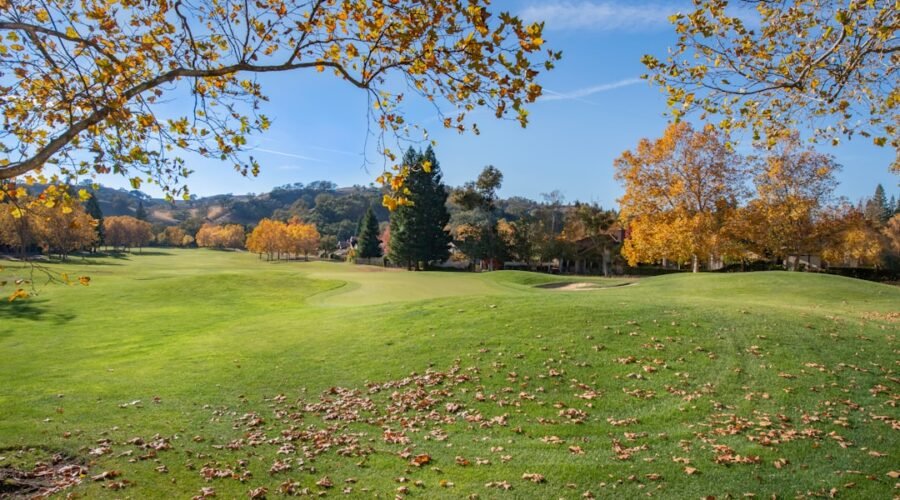
Spring is generally one of the most pleasant times to explore Kilis, but temperatures change noticeably between March and May.
March has an average daytime high of approximately 16°C. By April, that rises to around 22°C, making it particularly suitable for walking and outdoor sightseeing.
May is significantly warmer, with an average daytime high close to 28°C.
April is a good weather-based choice if you want to explore historical sites, spend time in local markets, or enjoy outdoor cafes without the strongest summer heat.
Spring rain is still possible, especially earlier in the season. April averages around nine days with measurable rainfall, so a light waterproof layer is useful.
Beautiful Autumns: September to November
Autumn offers another opportunity to explore Kilis in milder conditions, although September is still quite hot.
September has an average daytime high of approximately 33°C. That makes it considerably warmer than many travelers might expect from an autumn holiday.
October is more comfortable, with average daytime highs around 27°C and cooler evenings.
By November, the average daytime high drops to approximately 18°C, and rainfall becomes more frequent.
For travelers who want to walk around the city and explore its historical surroundings, October generally offers a better balance of warmth and comfort than September.
Late October and early November can also be appealing if you prefer cooler weather, although you should prepare for a greater chance of rain.
Cooler Winters: December to February
Winters in Kilis are noticeably cooler. Average daytime highs are approximately 10°C in January and 12°C in February, while nighttime temperatures can approach freezing.
December is among the wetter months, averaging approximately 87 mm of rainfall.
Frost and occasional snowfall are possible. Historical weather records also show that more substantial snow accumulation has occurred, so it is better not to assume that winter snow will always be brief or insignificant.
Winter conditions can make outdoor sightseeing less comfortable, particularly during wet or windy periods.
If you are visiting during winter, pack warm layers, a waterproof jacket, and shoes suitable for wet streets.
Check the local weather forecast before planning rural excursions or long drives.
Navigating Kilis’s Crowds
When planning a trip, figuring out when other people are likely to be around can make a difference to your experience. Do you prefer a lively atmosphere or a more peaceful, unhurried visit?
Kilis is not a major international resort destination like Istanbul or Antalya. However, that does not mean visitor numbers remain constant throughout the year.
Reliable monthly tourism figures for Kilis are not available in the sources used for this guide. For that reason, it would be misleading to promise that a particular month is always the busiest or quietest.
Peak Tourist Season: Summer, July and August
Summer holidays can affect travel demand, but Kilis should not automatically be treated like Turkey’s coastal resort destinations.
July and August are the hottest months, not a verified period of maximum tourist arrivals.
Accommodation availability may change with local travel, family visits, business activity, and individual events.
If you are considering summer dates, check actual room availability and transportation schedules before making assumptions about crowds.
Shoulder Seasons: April–May and September–October
Spring and autumn are attractive mainly because of their weather, rather than any guaranteed reduction in visitor numbers.
April and October are especially suitable for travelers who prefer outdoor sightseeing in more comfortable temperatures.
You may find it easier to explore the city at your own pace, but this depends on local circumstances and holiday dates.
Restaurants, markets, and public spaces can still be busy during local celebrations and national holidays.
Off-Season: November–March, Excluding Holidays
Winter may appeal to travelers who prefer cooler weather and a quieter atmosphere.
However, lower tourist numbers and cheaper accommodation should not be treated as guaranteed.
Availability, business schedules, and local demand can vary throughout the year.
The main trade-off is the weather: shorter daylight hours, cooler temperatures, and a higher chance of rainfall may limit outdoor activities.
Considering Kilis’s Costs
Money is always a factor, isn’t it? The dates you choose can affect accommodation and transportation prices, but Kilis does not have a verified seasonal pricing pattern that supports universal claims about the cheapest or most expensive months.
It is more useful to compare real prices for the dates you are considering.
Your overall budget will depend on where you are traveling from, how you reach Kilis, your accommodation preferences, local transportation, and the activities you plan.
Peak Season Pricing: Summer, July–August
Summer travel can be expensive on certain routes, especially when your departure dates overlap with school holidays or other periods of high demand.
However, that does not establish that July and August are always the most expensive months for accommodation in Kilis.
Compare flight and hotel prices for your exact dates before making a booking.
If your travel plans are flexible, checking different weekdays and nearby departure dates may reveal meaningful price differences.
Mid-Range Costs: April–May and September–October
The shoulder seasons can offer a useful balance between comfortable weather and travel costs.
April and October are particularly appealing for sightseeing, while May and September are warmer alternatives.
Accommodation prices may vary depending on availability, holidays, and local demand.
Rather than assuming a fixed seasonal discount, compare the total cost of your trip, including transportation, accommodation, meals, and any planned excursions.
Budget-Friendly Travel: November–March, Excluding Holidays
Winter is worth checking if you have flexible travel dates and do not mind cooler weather.
You may find suitable accommodation offers, but there is no reliable basis for describing winter as unquestionably the cheapest season in Kilis.
Consider the extra practical costs of winter travel, such as additional transportation or changes to outdoor plans during bad weather.
Also check national holiday dates and individual hotel policies. New Year’s Day and religious holidays can affect business schedules and availability.
Budget Note: Compare the full cost of several realistic itineraries rather than judging value by hotel prices alone. A cheaper room may not save money if transportation is inconvenient or weather disrupts your plans.
Special Considerations for Your Visit
Beyond the general weather, crowd, and cost patterns, a few other factors can influence when you visit Kilis.
Local celebrations, agricultural traditions, historical attractions, and transportation conditions can all affect your experience.
Local Festivals and Events
Kilis, like the rest of Turkey, follows a calendar of national holidays and religious celebrations.
Eid al-Fitr and Eid al-Adha are important occasions when people may travel to spend time with family. Some businesses and public services may operate on different schedules during these holidays.
The dates change from year to year, so check the official Turkish holiday calendar for your intended travel period.
Local cultural events can also offer opportunities to experience regional traditions, but you should confirm specific event dates through official local announcements rather than relying on an assumed annual schedule.
If you prefer a quieter atmosphere, compare your planned dates with the national holiday calendar before arranging accommodation.
Agricultural Cycles and Local Life
Kilis has strong agricultural traditions, including olive cultivation and vineyards.
The surrounding landscape and local produce can change with the seasons, adding another dimension to a visit.
Autumn may be of interest if you want to learn more about regional agricultural life and seasonal produce.
However, harvest dates depend on crop conditions, weather, and local practices. Do not assume that a particular farm or producer will offer visitor access.
During summer, high temperatures can make rural outdoor activities less comfortable.
The Kilis Provincial Culture and Tourism Directorate provides more information about the area’s cultural and agricultural heritage.
Day Trip Potential
If you are planning day trips from Kilis to surrounding areas, the weather becomes an even more important factor.
The region includes historical attractions such as Oylum Höyük and Ravanda Castle, both described by the provincial tourism authorities.
Spring and autumn generally provide more comfortable conditions for outdoor exploration than the peak summer months.
Extended rainfall can make rural visits less enjoyable, while high summer temperatures can make walking and driving more tiring.
Before making plans, confirm that your proposed destination and every part of the route are permitted and suitable under current travel advisories.
Check attraction access arrangements, transportation availability, and the local forecast before departure.
Travel Safety and Border Restrictions
Weather should not be the only consideration when deciding whether to visit Kilis.
The province borders Syria, and government travel advice identifies additional risks in the wider border region.
As of September 24, 2026, the UK advises against all travel within 10 km of the border. The US State Department advises against travel to the Syrian and Iraqi border regions.
These advisories can change, and their precise wording may differ by nationality.
Check your government’s current guidance, identify the exact location of your accommodation and attractions, and review the complete transportation route.
Confirm whether your travel insurance covers the intended destination and activities. If official advice covers your itinerary, consider postponing the trip or choosing a different destination.
Do not assume that a sightseeing location is suitable simply because it appears on a tourism website.
What to Pack for Each Season
Packing for Kilis is easier when you plan around the actual season rather than treating the whole year as warm and dry.
- Spring: Comfortable walking shoes, light layers, and a waterproof jacket.
- Summer: Lightweight clothing, sunscreen, sunglasses, a hat, and drinking water.
- Autumn: Breathable daytime clothing, an extra layer for evenings, and rain protection later in the season.
- Winter: Warm layers, a waterproof outer layer, and footwear suitable for cold or wet conditions.
Regardless of the season, carry the travel documents required for your nationality and check current entry requirements before departure.
Keep a copy of your travel insurance information and allow enough flexibility for changes to transportation or weather conditions.
Putting It All Together: Your Ideal Kilis Timing
Here is a simple seasonal comparison to help you narrow down your options. The weather figures are based on official long-term climate records. Crowd and cost information is presented as planning guidance rather than an unsupported seasonal ranking.
| Month | Weather | Crowds | Costs |
|---|---|---|---|
| April–May | April is mild; May is warmer. Some spring rainfall. | Check national holidays and local events. | Compare current accommodation and transport prices. |
| June–August | Very hot and generally dry, particularly in July and August. | Summer demand may vary; no verified local seasonal ranking. | Check exact travel dates and availability. |
| September–October | September remains hot; October is milder. | Depends on holidays, events, and local demand. | Compare current rates rather than assuming discounts. |
| November–March | Cooler conditions and more frequent rainfall. | Check holiday schedules and local availability. | Potential offers vary; winter savings are not guaranteed. |
Weather takeaway: April and October are generally the most comfortable months for outdoor sightseeing. May and September are warmer alternatives, while July and August are considerably hotter.
These are climate-based recommendations, not a statement that travel is currently advisable. Always check the official guidance for your exact itinerary.
The “Perfect Blend” Traveler: Spring and Autumn
If you are seeking pleasant weather for exploring historical sites, browsing markets, and enjoying local cuisine outdoors, April and October are strong options from a climate perspective.
April offers mild daytime conditions, while October usually remains warm without the average temperatures experienced in September.
May can also be enjoyable if you do not mind warmer afternoons.
Accommodation prices and visitor numbers are less predictable, so check actual availability rather than assuming that every shoulder-season date will be quiet or inexpensive.
The “Heat Seeker” or “No Crowds, No Problem” Traveler: Summer or Winter
If you thrive in intense heat, summer offers long daylight hours and generally dry conditions. However, July and August can be uncomfortable for extended outdoor sightseeing.
Plan around the heat, take regular breaks, and avoid strenuous activity during the hottest hours.
On the other hand, winter may appeal if you prefer cooler weather and do not mind occasional rain or frost.
You will have fewer daylight hours for outdoor activities and may need to adjust your plans when the weather changes.
Neither season guarantees fewer visitors or lower prices, so compare the practical details before deciding.
The “Budget Explorer”: Late Autumn and Early Spring
If stretching your travel funds is your main priority, consider comparing dates in late October, November, and early March.
These periods can provide alternatives to the hottest summer months, although the weather may be less predictable.
You could experience pleasant, crisp days or periods of rainfall.
The smartest approach is to compare the total cost of several suitable itineraries, including accommodation, transportation, and any weather-related changes.
Book only after confirming that your destination and route are consistent with current travel guidance.
Ultimately, the best time to visit Kilis depends on your priorities and the conditions at the time of travel. April and October offer attractive weather for sightseeing, but a responsible decision also requires checking official advisories, current forecasts, transportation arrangements, and actual travel costs.
Frequently Asked Questions
1. What is the best time to visit Kilis, Turkey, in terms of weather?
April and October generally provide the most comfortable weather for sightseeing. May is warmer, while September still experiences substantial summer-like heat. Check the latest forecast before traveling.
2. When is the peak tourist season in Kilis, Turkey?
There is no verified monthly visitor dataset supporting a definitive peak tourist season for Kilis. Summer holidays and local events may influence demand, but travelers should check accommodation availability and national holiday dates for their intended visit.
3. When is the off-peak tourist season in Kilis?
Winter may offer a quieter atmosphere, but lower visitor numbers are not guaranteed. November through March brings cooler weather and more frequent rainfall, so check local schedules and current conditions before planning activities.
4. What are the costs like during the summer months in Kilis?
Summer prices depend on travel dates, accommodation availability, transportation demand, and local circumstances. There is no reliable evidence that Kilis accommodation always reaches its highest prices in July and August. Compare actual quotes before booking.
5. When is the best time to avoid crowds and high costs in Kilis?
There is no guaranteed cheapest or quietest month. Consider flexible dates outside major holidays and compare current accommodation and transportation prices. April and October offer comfortable weather, while late autumn and early spring provide additional dates worth checking.
6. Is September too hot for sightseeing in Kilis?
September can still be quite hot, with an average daytime high of approximately 33°C. October is usually more comfortable for extended outdoor activities.
7. Is Kilis currently suitable for tourist travel?
Kilis is near the Syrian border, where government travel advisories identify significant risks. As of September 24, 2026, the UK advises against all travel within 10 km of the Turkey–Syria border, while the US advises against travel to the Syrian and Iraqi border regions. Check your government’s latest advice, exact destination, route, and insurance conditions before making arrangements.
Sources
- Turkish State Meteorological Service — Kilis Climate Statistics — official long-term temperature, rainfall, and seasonal weather records.
- Turkish State Meteorological Service — Kilis Weather Forecast — current local weather information and historical temperature records.
- Kilis Provincial Culture and Tourism Directorate — local history, cultural attractions, and agricultural heritage.
- UK Foreign, Commonwealth & Development Office — Turkey Regional Risks — official guidance for the Turkey–Syria border region.
- US Department of State — Türkiye Travel Advisory — current regional travel warnings and safety guidance.

[…] you are comparing seasonal travel patterns in other destinations, you can also read our best time to visit Kilis, Turkey […]