


The best time to visit Burdur for a mixed city and archaeological trip is usually May to early June or September to October. These are useful starting points if you want to avoid the highest average summer temperatures. Your best dates still depend on the forecast, transport and which parts of the province you plan to explore.
Quick Answer
Start with May or September for outdoor sightseeing, then compare early June and October against your plans. Use Burdur city for museums and allow separate travel time for Sagalassos, Kibyra and Lake Salda. Check site access before booking. Seasonal weather patterns do not guarantee quieter attractions or cheaper rooms.
Key Takeaways
- July and August have the highest average daytime temperatures in Burdur city.
- Spring needs rain protection and layers. Winter nights can fall below freezing.
- City weather figures do not describe the mountain conditions at Sagalassos.
- Lake Salda has protected areas. Beach and water entry are prohibited at Beyaz Adalar.
- Compare real trip quotes rather than relying on an assumed cheapest month.
Burdur Weather by Season
The table uses selected monthly figures from the Turkish State Meteorological Service’s Burdur city record for 1931–2025. High and low mean the average daily maximum and minimum. These are long-term observations, not a forecast for your stay.
| Month | Average daily high | Average daily low | Average monthly rain |
|---|---|---|---|
| January | 6.9°C | -0.8°C | 56.1 mm |
| April | 17.9°C | 6.1°C | 43.4 mm |
| May | 23.1°C | 10.2°C | 46.4 mm |
| June | 28.2°C | 14.0°C | 30.5 mm |
| July | 32.1°C | 17.1°C | 13.6 mm |
| August | 32.4°C | 17.0°C | 9.2 mm |
| September | 28.0°C | 13.0°C | 16.0 mm |
| October | 21.6°C | 8.4°C | 31.0 mm |
Spring: City Walks and Archaeological Days
April starts cooler than May, especially in the evening. Bring a layer and waterproof outerwear. A spring itinerary works best when you can move an outdoor visit to another day if rain arrives. Do not assume showers will always be brief or that every trail is ready to use.
May gives you a useful balance for walking, with a lower average daytime high than June. If ancient sites are your priority, check the route and opening hours for each one. A museum day in Burdur is a useful alternative when the forecast makes an exposed site less appealing.
Local markets can fit around your sightseeing. Check the actual market day and current event announcements.
Summer: Plan Around Heat
In July and August, plan exposed walking for the cooler parts of the day within opening hours. Carry drinking water and sun protection, and take breaks. The average summer night is cooler than the original article suggested, but that does not make every room comfortable. Check whether your accommodation offers the cooling you need.
Summer school holidays, weekends and public holidays can affect individual attractions and bookings. There is no verified visitor series here that ranks every month across Burdur province. Check availability at the places you want to stay and avoid treating the whole region as equally busy.
Lake Salda Is a Protected Visit
Do not plan unrestricted swimming or watersports at Lake Salda. The official Beyaz Adalar visitor guidance prohibits entry to the beach and lake in that area. It also describes a separate car park and electric shuttle access. Follow the current signs and visitor instructions for your chosen area, and confirm current transport arrangements before you go.
Plan a lake visit around permitted viewpoints and designated visitor facilities. Do not assume that Burdur Lake offers the same facilities or permitted activities as another lake.
Autumn: Flexible Sightseeing with Cooler Evenings
September can still be warm during the day. October has a lower average high and cooler evenings, so add warmer layers. Either month can work for a trip that combines museums with outdoor heritage. Check the short-range forecast rather than relying on a promise of clear skies.
Use daylight and opening times to set the order of your day. A distant archaeological visit should have its own travel allowance. If you want to join a harvest activity, ask the organiser about the actual date, booking requirement and whether visitors can participate. A crop season alone does not confirm a public event.
Winter: Museums and Weather-Dependent Routes
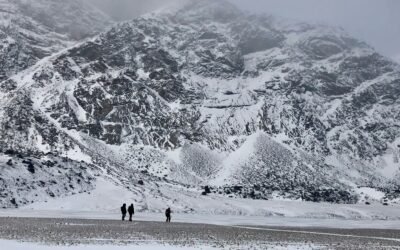
Winter is an option if you want a city-focused visit and accept cold conditions. Freezing nights, rain, snow or ice may affect an outdoor plan. Check the forecast and road conditions before leaving, especially if you are heading into higher terrain. Do not count on snow sports or a clear mountain road without current confirmation.
Check accommodation, restaurant and transport availability for your dates. Fewer visitors do not guarantee every service will run, and winter does not automatically produce the lowest total trip cost.
Museums, Ancient Sites and Trip Planning
Burdur Museum and the Natural History Museum are separate attractions. The provincial tourism authority’s 2026 visitor schedule lists the Natural History Museum as closed on Mondays. Check the current opening days, ticket category and last admission for each visit. Admission rules can change.
For a wider route, use the individual guides to Sagalassos, Kibyra and Ağlasun. These are separate destinations, so allow for travel and different local conditions.
Compare the whole journey before selecting an airport, coach service or hire car. Confirm the last leg to your accommodation and each attraction. Do not assume a flight arrival includes a direct onward connection or that a town bus reaches an archaeological entrance.
Costs and Booking Decisions
Get quotes for at least two possible dates using the same room standard, luggage and cancellation conditions. Add transport to the sites, parking, admission, meals and any guide you need. A cheaper room can be offset by a longer transfer.
Ask providers to confirm prices and inclusions in writing before payment. Check current event information with the Burdur provincial tourism authority if a festival is central to your trip.
FAQs
What is the best time to visit Burdur?
May to early June and September to October are practical starting points for a sightseeing trip. Choose your dates around the forecast, the sites you want to visit and actual booking prices.
How hot is Burdur in summer?
Burdur city has average daily highs of 32.1°C in July and 32.4°C in August in the Turkish State Meteorological Service record for 1931–2025. Heatwaves can be hotter. Mountain sites have different conditions.
Can you swim at Lake Salda?
Do not assume that swimming is allowed throughout Lake Salda. The official visitor site prohibits entry to the beach and water at Beyaz Adalar. Follow the current rules and signs for the specific area you visit.
Is winter the cheapest time to visit Burdur?
There is no verified cheapest season for every visitor. Compare complete quotes for your dates, including transport, accommodation, admission and cancellation terms. Winter weather can also change your route.
Which museums can you visit in Burdur?
Burdur Museum and the Natural History Museum are separate visits. The provincial tourism authority’s 2026 schedule lists the Natural History Museum as closed on Mondays. Recheck opening days and last admission before travelling.

[…] a wider trip, compare our Gölhisar seasonal guide, Burdur travel timing and Sagalassos visiting seasons. Check travel times and access for each stop […]
[…] a wider itinerary, compare our Burdur seasonal guide and Sagalassos trip timing. Check the journey and forecast for each destination […]