Choosing the best time to visit Guatemala can change your entire travel experience. The country offers ancient Maya ruins, volcano hikes, colonial towns, and colorful festivals, but weather conditions vary by season and region. Before booking, compare the dry and rainy seasons, local events, crowds, and travel costs to find the months that suit your plans.
Quick Answer
The best time to visit Guatemala is generally November through April, when most regions experience drier weather. December through March offers reliable conditions for Antigua, Lake Atitlán, and volcano hikes. February and March are especially good for Tikal. Choose May through October for greener scenery, fewer tourists, and potentially lower accommodation costs.
Last checked: November 11, 2026. Key dates and figures were verified against official sources.
Key Takeaways
- November through April is generally best for outdoor activities, although Petén can remain rainy into December and January.
- September and October are among the wettest months, with a greater risk of flooding and travel delays.
- Guatemala’s Holy Week celebrations take place March 21–28 in 2027, making Antigua especially busy.
- The rainy season brings green landscapes, waterfalls, and quieter attractions, particularly outside holiday periods.
- Temperatures vary greatly by elevation. Highland towns are cooler than the Petén jungle and coastal lowlands.
Guatemala’s Two Seasons: Dry vs. Wet Explained
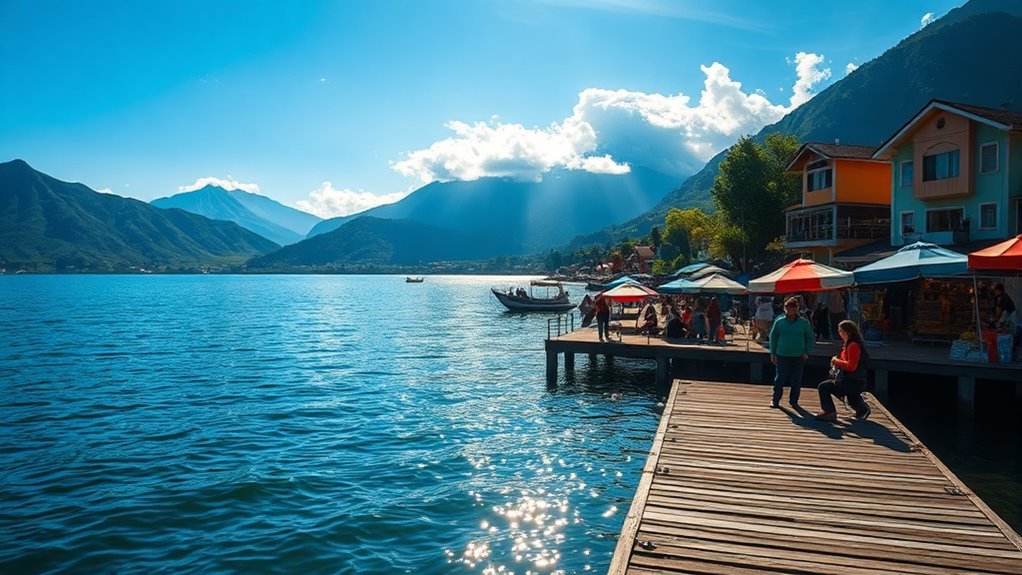
Guatemala has two main seasons: the dry season from November to April and the rainy season from May to October. These periods describe the general weather pattern, especially across the highlands and Pacific coast.
However, Guatemala’s climate changes with elevation and location. The Caribbean coast, Alta Verapaz, and Petén can receive substantial rain even during months considered dry elsewhere.
According to Guatemala’s disaster management agency, CONRED, the rainy season generally extends from May through October. Its onset can occur earlier in some regions, while July and August may bring a temporary reduction in rainfall known as the canícula.
| Factor | Dry Season: Nov–Apr | Rainy Season: May–Oct |
|---|---|---|
| Rainfall | Generally lighter, especially in the highlands | Frequent showers and thunderstorms |
| Landscapes | Clearer views, drier trails, some dusty areas | Lush vegetation and stronger waterfalls |
| Crowds | Busier around Christmas, New Year, and Holy Week | Generally fewer visitors, with some holiday exceptions |
| Prices | Higher around popular holidays | Possible hotel and tour discounts |
| Best activities | Volcano trekking, archaeology, sightseeing | Photography, cultural visits, green scenery |
If your priority is dependable hiking weather, choose the dry season. If you prefer quieter places and green landscapes, the rainy season can still offer an excellent trip.
The Dry Season (November–April): The Best Time to Visit Guatemala for Most Travelers
The dry season is the easiest period for many first-time visitors. With less rain across much of Guatemala, you can plan outdoor activities and travel between major destinations with fewer weather-related interruptions.
It is particularly suitable for exploring Antigua, Lake Atitlán, the Pacific coast, and Guatemala’s volcanic highlands.
Here are three experiences that benefit from drier conditions:
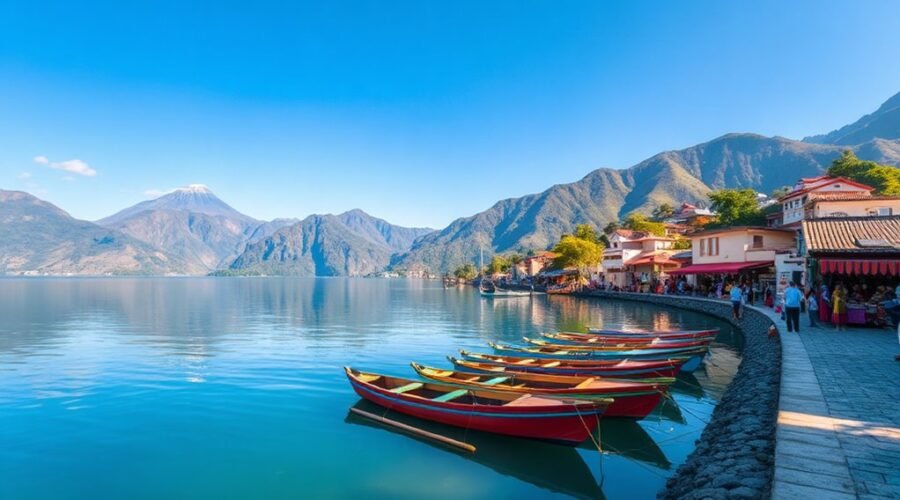
- Lake Atitlán: Enjoy clearer views of surrounding volcanoes, morning kayaking, lakeside walks, and visits to villages such as Panajachel, San Juan La Laguna, and Santiago Atitlán.
- Antigua: Explore colonial streets, historic churches, markets, and rooftop viewpoints with fewer afternoon rain interruptions.
- Tikal: Walk through archaeological plazas and jungle trails. February through April is especially dry in Petén, although temperatures rise during March and April.
For volcano trekking, December through March often provides favorable conditions. Clear mornings can improve views from trails around Acatenango and Pacaya.
However, the dry season does not guarantee perfect visibility. Clouds, strong winds, volcanic activity, and cold mountain temperatures can affect excursions at any time.
The busiest periods include Christmas, New Year, and Semana Santa. Popular accommodations in Antigua and lakeside villages can fill early during these holidays.
Who should visit during this season? First-time visitors, hikers, families, photographers seeking clear views, and travelers following a busy multi-destination itinerary.
The Wet Season (May–October): Why It’s Worth Considering Anyway
Guatemala’s rainy season offers lush landscapes, fewer crowds in many destinations, and opportunities to save on accommodation. It is a good choice if you have a flexible schedule and do not mind occasional changes to outdoor plans.
Rain often develops during the afternoon or evening in highland areas. However, some days bring prolonged showers, and rainfall can vary significantly between regions.
Lower Crowds, Better Prices
May through October can be a rewarding period for budget travelers. Hotels and tour operators may offer lower rates when demand falls, particularly outside local holidays and special events.
Potential benefits include:
- Better accommodation availability in destinations such as Antigua and Lake Atitlán.
- More flexibility when choosing guided tours and transportation.
- Quieter archaeological sites, viewpoints, restaurants, and markets.
Discounts are not universal. Popular properties, holiday weekends, and destinations with strong domestic tourism can remain expensive.
May and early June can provide a useful compromise between lower visitor numbers and manageable rainfall.
Lush Green Landscapes
Rain transforms Guatemala’s mountains, forests, and farmland. Vegetation becomes greener, waterfalls gain volume, and mist creates dramatic views across the highlands.
The season is attractive for nature photography and guided visits to cloud forests, waterfalls, and wildlife habitats.
Areas such as Semuc Champey and the forests of Alta Verapaz can look particularly green. However, heavy rain can also make rivers dangerous and trails difficult to access.
Cultural activities continue throughout the season. Local celebrations, traditional markets, agricultural activities, and community festivals offer opportunities to learn about living Maya traditions.
To experience these places respectfully, use local guides when appropriate and ask permission before photographing people or ceremonies.
Rain Patterns Vary Regionally
Guatemala does not experience identical rainfall everywhere. Its mountains, coastlines, and jungle create different weather patterns.
- Pacific Coast: Hot conditions throughout the year, with heavier rainfall and thunderstorms during the wet season.
- Antigua and Lake Atitlán: Often sunny or partly cloudy mornings followed by afternoon rain during wetter months.
- Petén: Hot, humid conditions with significant rainfall from June through October. Rain can continue into November and December.
- Alta Verapaz and the Caribbean: Moist conditions throughout much of the year, without the clearly defined dry period found in parts of the highlands.
Warning: Heavy rain can trigger flash floods, landslides, dangerous river currents, and volcanic mudflows called lahars. Never cross flooded roads or swollen rivers. Avoid exposed hiking routes during thunderstorms and follow local emergency instructions.
September and October generally deserve the most caution for long overland journeys. Leave flexibility in your schedule if traveling through mountainous or remote areas during these months.
Month-by-Month Guide to Visiting Guatemala
For a balanced combination of weather and sightseeing, December through March is a strong choice. April is warmer, while May begins the wetter period across much of Guatemala.
The table below uses 1991–2020 national climate averages from the World Bank Climate Change Knowledge Portal, based on ERA5 climate data. These are countrywide averages, not forecasts for Antigua, Lake Atitlán, or Tikal.
The figures come from the World Bank’s monthly temperature dataset and monthly precipitation dataset.
| Month | Mean Temp. | Avg. Rainfall | Crowds and Highlights |
|---|---|---|---|
| January | 20.7°C / 69°F | 61 mm | Dry highlands; New Year crowds, then easier sightseeing |
| February | 21.8°C / 71°F | 39 mm | Excellent for volcano hikes and Tikal; generally manageable crowds |
| March | 23.1°C / 74°F | 49 mm | Warm, mostly dry; Semana Santa crowds in 2027 |
| April | 24.7°C / 76°F | 72 mm | Hotter lowlands; good sightseeing before heavier rains |
| May | 24.9°C / 77°F | 180 mm | Rain begins; greener scenery and fewer visitors |
| June | 24.2°C / 75°F | 289 mm | Very wet nationally; waterfalls and green landscapes |
| July | 23.8°C / 75°F | 199 mm | Possible midseason dry spell; Rab’in Ajaw festivities |
| August | 23.9°C / 75°F | 229 mm | Rainy weather; local festivals and school-holiday travel |
| September | 23.6°C / 75°F | 297 mm | One of the wettest months; Independence Day on September 15 |
| October | 22.9°C / 73°F | 248 mm | Wet conditions continue; fewer international visitors |
| November | 21.7°C / 71°F | 122 mm | Dry-season transition; giant kite festivals on November 1 |
| December | 20.9°C / 70°F | 69 mm | Dry highlands; Christmas events and higher holiday demand |
These national averages help show the seasonal pattern, but they hide major local differences. For example, a pleasant day in Antigua can coincide with much hotter weather in Tikal.
January–February: Cooler highland mornings and generally dry weather make these months excellent for volcano hikes, Lake Atitlán, and sightseeing. February is also a particularly good time for Tikal.
March–April: Temperatures rise in the lowlands. March is still favorable for outdoor activities, while April can become extremely hot in Petén. Holy Week creates major visitor demand in the areas hosting celebrations.
May–June: Rainfall increases, vegetation turns green, and many tourist destinations become quieter. June can bring substantial rainfall, making flexible travel plans helpful.
July–August: The canícula may bring a temporary reduction in rain, although its timing and strength vary. Traditional festivals and local holiday periods can still attract visitors.
September–October: These are among the wettest months nationally. Cultural sightseeing remains possible, but remote routes and exposed outdoor activities require greater care.
November–December: Rain generally decreases in much of the country. November brings important cultural celebrations, while December offers festive activities and more reliable highland weather.
Best Time to Visit Tikal and the Petén Jungle
The best time to visit Tikal is generally February through March. These months offer relatively low rainfall before the intense heat of April and May.
Tikal is located in Guatemala’s northern Petén region, where conditions are hotter and more humid than in Antigua or Lake Atitlán. Its archaeological monuments stand among dense tropical forest containing howler monkeys, spider monkeys, and many bird species.
Here is how the seasons affect a visit:
- December–January: Cooler conditions than late spring, but some rain remains possible.
- February: One of the driest months, making it excellent for long archaeological walks.
- March: Generally dry, with rising daytime temperatures and good opportunities to explore the ruins.
- April–May: Often extremely hot. Start early and carry enough drinking water.
- June–October: Hot, humid, and rainy, with muddy paths and more frequent thunderstorms.
- November: A transitional month. Rainfall decreases gradually, although jungle showers remain common.
Tikal is open throughout the year, so even rainy-season visits are possible when conditions permit.
Tikal Opening Hours and Entrance Fees
According to the Guatemalan Ministry of Culture and Sports’ official Tikal visitor information, regular park hours are 6:00 a.m. to 6:00 p.m., Monday through Sunday.
The published admission fees are:
| Admission Type | Foreign Visitors | Guatemalan Visitors |
|---|---|---|
| Regular park admission | Q150 | Q25 |
| Sunrise or sunset admission | Q100 extra | Q20 extra |
| Museum admission | Q30 | Q5 |
These are the published fees checked in November 2026. Admission is free for children under 10.
Special sunrise access runs approximately 4:00–6:00 a.m., while sunset access runs approximately 6:00–8:00 p.m. Both require regular admission, an additional ticket, and an authorized guide hired separately.
The park is about 63 km from Flores. The ministry describes the journey as approximately one hour by road, although actual travel times depend on transport and conditions.
Pro Tip: Visit Tikal early in the morning to reduce heat exposure and improve your chances of seeing active wildlife. Bring water and sun protection, and stay on authorized paths. Climb only structures specifically open to visitors.
Best Time to Visit Lake Atitlán and Antigua
November through April is generally the best time to visit Lake Atitlán and Antigua. Both destinations enjoy relatively dry conditions, pleasant daytime weather, and good opportunities for sightseeing.
However, each place offers different experiences throughout the year.
Lake Atitlán is ideal for village visits, lakeside walks, kayaking, and photography. Morning conditions are often calmer, while afternoon winds can make boat travel rougher.
Antigua is known for its colonial architecture, cafés, churches, markets, and nearby volcano excursions. Its most famous cultural season is Semana Santa, when processions and colorful street carpets attract large crowds.
| Month Range | Lake Atitlán | Antigua |
|---|---|---|
| Nov–Feb | Drier weather, clearer views, morning kayaking | Dry, pleasant days and cooler evenings |
| Mar–May | Warmer weather, windy afternoons, increasing rain in May | Semana Santa in March or April, depending on the year |
| Jun–Sep | Green mountains, frequent showers, fewer visitors | Lush surroundings, rainy afternoons, quieter streets |
| October | Wet conditions, with rain gradually easing | End of the rainy season; variable weather |
For Lake Atitlán, Panajachel offers convenient transport connections, while San Juan La Laguna is known for local art, textiles, and community experiences.
For Antigua, the historic center is especially enjoyable in dry weather because you can explore much of it on foot.
If you want to swim in Lake Atitlán, choose locations where local guidance indicates suitable water conditions. Water quality can vary, and not every shoreline is appropriate for swimming.
How Climate Varies Across Guatemala’s Highlands, Coast, and Jungle
Guatemala contains several climate zones within a relatively small area. Elevation is a major reason temperatures differ so much between destinations.
The highlands are generally cooler, while the lowlands and coastal regions experience hotter, more humid conditions.
- Highlands: Antigua, Lake Atitlán, and Quetzaltenango have mild days and cooler nights. Temperatures can become very cold at higher elevations, especially on volcano summits.
- Pacific Coast: Monterrico and nearby coastal areas remain hot throughout the year. Rainfall increases during the wet season, but sea breezes can provide some relief.
- Petén Jungle: Flores and Tikal experience tropical heat and humidity. April and May can be especially hot, while June through October brings substantial rain.
- Caribbean and Verapaz: Livingston, Cobán, and surrounding areas can receive rain throughout much of the year. Cloudy and humid conditions are common.
For perspective, highland destinations such as Antigua can have pleasant daytime temperatures while Tikal experiences heat above 30°C (86°F).
High-altitude hiking requires additional preparation because conditions become colder and windier as you climb.
Guatemala also lies within the region affected by Atlantic and eastern Pacific tropical storms. The Atlantic hurricane season runs from June 1 through November 30, while the eastern Pacific season runs from May 15 through November 30.
Heavy rainfall, rather than direct hurricane winds, is often an important concern for inland travel.
Understanding these regional differences helps you choose destinations that match your preferred weather instead of relying only on the national dry-season calendar.
Festivals and Events That Should Influence When You Book
Guatemala’s festivals can be just as important as weather when choosing your travel dates. Some celebrations attract large crowds, while others offer opportunities to experience local traditions in smaller communities.
Three particularly notable events are Semana Santa in Antigua, the giant kite festivals in November, and the Rab’in Ajaw festival in Cobán.
Semana Santa Celebrations
Semana Santa, or Holy Week, is one of Guatemala’s most important religious and cultural celebrations. Antigua is especially famous for its processions, elaborate floats, and decorative street carpets known as alfombras.
The celebration is so significant that UNESCO inscribed Holy Week in Guatemala on its Representative List of the Intangible Cultural Heritage of Humanity in 2022.
In 2027, Semana Santa runs from March 21 through March 28.
Key dates include:
- March 21, 2027: Palm Sunday.
- March 25, 2027: Holy Thursday.
- March 26, 2027: Good Friday.
- March 27, 2027: Holy Saturday.
- March 28, 2027: Easter Sunday.
These dates match the 2027 Guatemala holiday calendar. Individual procession schedules and routes are organized locally.
During Holy Week, you can experience:
- Alfombras: Detailed street carpets made from colored sawdust, flowers, and other natural materials.
- Religious processions: Large floats carried through Antigua’s historic streets, often accompanied by music and prayers.
- Traditional foods: Seasonal dishes such as bacalao and sweet breads, which reflect local Holy Week customs.
Many processions and street decorations can be viewed from public areas without buying a ticket. However, some museums and organized experiences charge admission.
Accommodation demand increases sharply during the main celebration days. Booking several months ahead is sensible if you want to stay in central Antigua.
Arrive before Good Friday if you want to see alfombras being prepared rather than only the finished decorations.
Day of the Dead and Giant Kite Festivals
Guatemala’s Day of the Dead traditions are closely associated with family remembrance, cemetery visits, and colorful community celebrations.
The giant kite festivals take place on November 1, All Saints’ Day, in Santiago Sacatepéquez and Sumpango. Both towns are known for enormous handmade kites called barriletes gigantes.
According to Guatemala’s Ministry of Culture and Sports, the giant kite tradition received UNESCO recognition in 2024.
The kites are decorated with intricate designs and carry cultural meanings connected with remembrance, community identity, and ancestral traditions.
Visitors can expect:
- Large, colorful kites displayed in public gathering areas.
- Families visiting cemeteries to honor deceased relatives.
- Traditional music, local foods, and community activities.
One well-known seasonal dish is fiambre, a cold salad traditionally associated with All Saints’ Day and Day of the Dead celebrations.
Although November is generally quieter than the Christmas holiday period, the kite festival towns can become crowded on November 1.
Plan transport carefully and respect the cemetery ceremonies, which have deep personal and spiritual meaning for participating families.
Rabin Ajaw Festival
The Rab’in Ajaw Festival is a major Indigenous cultural celebration held in Cobán, Alta Verapaz. It honors the languages, traditional clothing, identity, and leadership of Indigenous women from different Guatemalan communities.
The title Rab’in Ajaw is commonly translated as “Daughter of the King.”
The festival generally takes place in July. The Guatemalan government’s 2026 festival report confirms that the 58th National Folkloric Festival began on July 23, 2026, in Cobán.
Activities include:
- Traditional garments representing distinct Indigenous communities.
- Speeches delivered in participants’ Indigenous languages.
- Cultural presentations and community celebrations.
- The selection and crowning of Rab’in Ajaw.
The event is more than a beauty competition. It celebrates cultural knowledge, leadership, and the preservation of living traditions.
The exact dates for the 2027 festival were not confirmed during this review. Travelers planning around the event should allow for changes to its annual schedule.
Other notable celebrations include Guatemala’s Independence Day on September 15 and the traditional Quema del Diablo on December 7, followed by Christmas festivities later in the month.
What You’ll Pay in Peak Season vs. Low Season in Guatemala
Travel costs in Guatemala depend on the season, destination, accommodation type, and local events. Christmas, New Year, and Semana Santa often create stronger demand for hotels and tours.
During these busy periods, accommodation rates may be considerably higher than during quieter months.
The original budgeting estimate suggests peak-season accommodation prices can be 20–40% higher, particularly in popular destinations such as Antigua, Lake Atitlán, and Tikal. This percentage is not a verified nationwide average and should be treated as an estimate rather than a guaranteed seasonal difference.
During the wet season, some hotels offer lower rates to attract travelers. Tour operators may also have greater availability, although discounts depend on the individual business.
For example, a mid-range hotel charging $80 per night in December might offer a $50 rate during a quieter period such as July. This is an illustrative price comparison, not a verified quote for a specific property.
Other costs may remain similar throughout the year, including:
- Government-set admission fees at archaeological attractions.
- Regular public transportation fares.
- Everyday meals at local restaurants and markets.
- Basic supplies and services in smaller communities.
Travelers seeking better value should compare the full cost of lodging, transport, tours, and weather-related schedule flexibility rather than focusing only on room prices.
Best value periods: May, early June, and portions of September and October can offer quieter destinations and better accommodation availability, provided you are comfortable with greater rainfall.
What to Pack for Guatemala’s Dry and Wet Seasons
Pack for both the season and the places you plan to visit. Guatemala’s highlands can become chilly at night, while Petén and the Pacific coast remain hot and humid.
Lightweight clothing works well for lowland sightseeing, but you’ll need warmer layers for mountain towns and volcano excursions.
Dry Season Packing Essentials
For November through April, prioritize sun protection, comfortable walking clothes, and layers for cooler mornings and evenings.
Useful items include:
- Breathable clothing: Lightweight shirts and trousers for daytime sightseeing.
- Warm layers: A fleece or light jacket for Antigua, Lake Atitlán, and higher elevations.
- Sun protection: Sunscreen, sunglasses, and a wide-brimmed hat.
- Walking shoes: Comfortable footwear with reliable grip for cobblestones and uneven trails.
- Reusable water bottle: Fill it with safe drinking water rather than untreated tap water.
If you plan an overnight volcano trek, bring clothing suitable for much colder temperatures than those experienced in nearby towns.
Wet Season Gear Necessities
For May through October, prepare for heavy showers, muddy paths, and high humidity. Quick-drying clothing and waterproof protection for valuables can make a significant difference.
Recommended items include:
- Waterproof rain jacket: Prefer a breathable design with sealed seams.
- Water-resistant or waterproof footwear: Choose shoes with strong traction for wet streets and trails.
- Dry bags: Protect electronics, passports, and other important documents.
- Travel umbrella: Useful for walking around Antigua and other towns.
- Insect repellent: Especially helpful in warm, humid lowland regions.
- Quick-dry clothing: Easier to manage when humidity makes ordinary fabrics slow to dry.
A small daypack with a rain cover is also useful during excursions.
Avoid relying on ordinary sneakers with worn soles for muddy hiking trails. Slippery surfaces and uneven ground can increase the risk of falls.
Note: If your itinerary includes remote jungle areas, high-altitude trekking, or regions with mosquito-borne disease risks, consult a travel health professional before departure. Your medical needs may differ depending on your route and planned activities.
Frequently Asked Questions
Is Guatemala Safe for Solo Travelers Visiting During Peak Tourist Season?
Guatemala has safety risks for solo travelers, even during peak tourist season. The U.S. State Department issued a Level 3 advisory in March 2026, recommending that travelers reconsider visiting because of crime and terrorism risks. Certain areas carry higher warnings. Use reputable transportation, avoid unnecessary nighttime road travel, and follow official security advice.
Do I Need a Visa to Visit Guatemala as a Foreign Traveler?
Visa requirements depend on your nationality. U.S. citizens do not need a tourist visa for visits of up to 90 days. Canadian citizens and many European passport holders also generally qualify for visa-free tourism. Entry requirements differ for other nationalities. U.S. travelers must complete an electronic immigration and customs declaration before entering and leaving Guatemala.
What Vaccinations Are Recommended Before Traveling to Guatemala?
Travelers should be current on routine vaccinations, and hepatitis A and typhoid vaccines are commonly recommended. Malaria prevention medication may be appropriate for travel to certain departments, including Petén and Alta Verapaz. Yellow fever vaccination is not routinely recommended for Guatemala itself, but proof may be required after travel through certain risk countries. Consult a healthcare professional.
Can I Drink Tap Water Safely Anywhere in Guatemala?
Untreated tap water is generally not considered safe for travelers to drink in Guatemala. Use sealed bottled water or water treated by a reliable method such as boiling, appropriate filtration, or disinfection. Avoid swallowing untreated river or lake water. These precautions reduce the risk of gastrointestinal infections during your trip.
What Currency Is Used in Guatemala, and Is Cash Necessary?
Guatemala uses the Guatemalan quetzal (GTQ). Cash is useful for markets, small restaurants, local transport, and businesses that do not accept payment cards. Larger hotels and established tourist businesses often accept cards. Carry smaller bills, use reputable currency exchange services or ATMs, and keep some cash available for tips and minor purchases.
For authoritative travel guidance, the U.S. State Department’s Guatemala travel advisory provides safety information, entry requirements, and current security restrictions. The CDC Yellow Book guidance for Guatemala covers vaccination recommendations, malaria prevention, and drinking-water precautions.
Conclusion
The best time to visit Guatemala depends on your priorities. Choose November through April for generally drier weather, easier outdoor planning, and clear highland views. February and March are especially appealing for visiting Tikal.
If you prefer quieter attractions, green landscapes, and potential hotel savings, consider May through October while allowing flexibility for rain. Match your dates to the regions and festivals you want to experience, and you can enjoy Guatemala in almost any season.
Sources
- CONRED, Guatemala: Rainy-season timing, canícula, and weather-related hazards.
- World Bank Climate Change Knowledge Portal, Temperature Data: Guatemala’s national monthly temperature averages for 1991–2020.
- World Bank Climate Change Knowledge Portal, Precipitation Data: Guatemala’s national monthly rainfall averages for 1991–2020.
- Time and Date, Guatemala Holidays 2027: Verified Holy Week and public holiday dates.
- Guatemala Ministry of Culture and Sports, Tikal: Official park hours, entrance fees, and visitor access details.
- UNESCO, Holy Week in Guatemala: Cultural significance, traditions, and 2022 heritage recognition.
- Government of Guatemala, Giant Kite Tradition: November 1 celebrations and cultural heritage recognition.
- Government of Guatemala, Rab’in Ajaw Festival: Festival significance and confirmed July 2026 dates.
- U.S. Department of State, Guatemala: Security advisory, visa information, and entry procedures.
- CDC Yellow Book, Guatemala and Belize: Vaccinations, malaria risks, and food and water safety.