Ethiopia isn’t just a destination for seasoned adventurers who can tough out unpredictable weather. Timing your trip correctly makes all the difference between trekking the Simien Mountains under clear skies and traversing muddy, washed-out trails. You’ll also find that crowds and costs swing dramatically depending on when you go. Whether you’re chasing cultural festivals, wildlife, or budget-friendly travel, the right month changes everything — and what you discover might surprise you.
Ethiopia’s Highland, Lowland, and Rift Valley Climates Explained
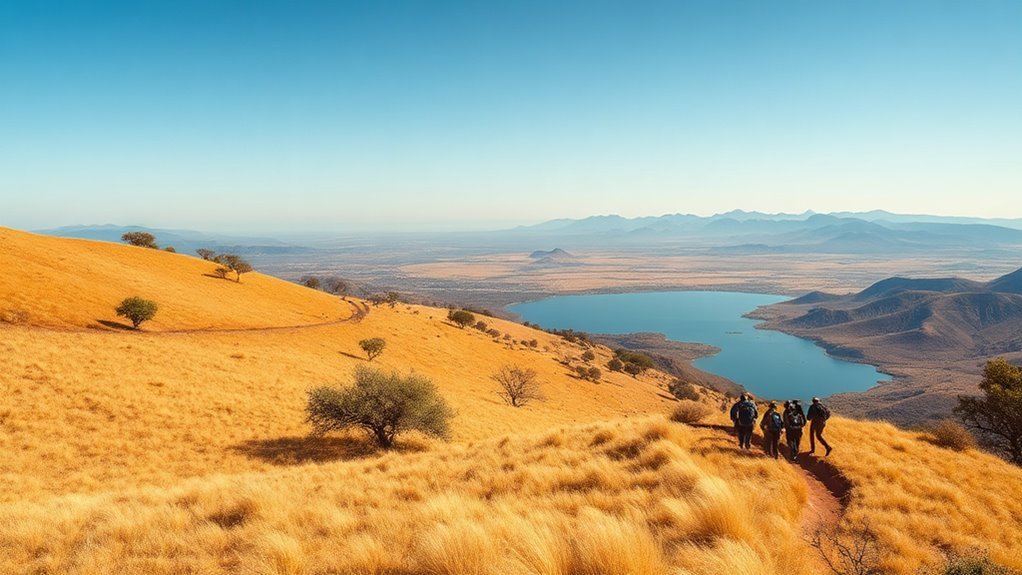
Ethiopia’s geography is anything but uniform, and that diversity shapes everything about when and how you should visit. The highlands rise dramatically, creating cool highland ecosystems where rainfall patterns define life’s rhythm and altitude effects sharpen your breath and your senses. Here, temperatures drop unexpectedly at night, rewarding you with crisp air and extraordinary scenery.
Ethiopia’s highlands demand respect — dramatic, cool, and alive with rhythms that altitude and rainfall orchestrate together.
Descend into the lowlands, and you’ll encounter a completely different world. Lowland agriculture thrives under intense heat, with communities adapting brilliantly to arid conditions that would challenge most travelers. Timing your visit here matters enormously.
Threading between these zones, the rift valley geology tells Earth’s oldest story through dramatic escarpments, lakes, and volcanic landscapes. Seasonal migrations of wildlife and people move across these corridors, creating spectacular natural events you won’t want to miss.
Throughout every region, cultural diversity runs deep, meaning each zone offers a genuinely distinct human experience alongside its climate.
The Dry Season: The Best Time to Visit Ethiopia for Most Travelers
The dry season, running roughly from October through May, is when Ethiopia truly opens itself up to travelers. You’ll find clear skies, navigable roads, and landscapes that feel almost cinematic in their sharpness.
Trekking through the Simien Mountains becomes manageable, ancient church visits aren’t interrupted by mud-soaked trails, and wildlife spotting in the Omo Valley reaches its peak clarity.
This window also aligns with Ethiopia’s richest calendar of cultural experiences. Timkat in January and Meskel in September’s tail end both pull you into celebrations that feel genuinely transformative rather than staged for tourists.
Street markets overflow, and you’ll have full access to local cuisine—freshly brewed tej honey wine, injera loaded with slow-cooked wats, and roasted coffee straight from the source.
Crowds grow between December and February, so if you want freedom without compromise, October or April hits that sweet spot perfectly.
The Wet Season: Tradeoffs Worth Knowing Before You Book
If you’re considering a visit between June and September, you’ll face Ethiopia’s heavy rains, which can wash out roads and make rural destinations difficult to reach.
Wildlife viewing becomes trickier during this period, as dense vegetation and muddy terrain obscure animals and limit your movement through national parks.
The silver lining, though, is that you’ll find considerably discounted lodges and flights, making this season a smart choice if you’re traveling on a budget and can tolerate the wet conditions.
When Heavy Rains Fall
Heavy rains drench much of Ethiopia from June through September, transforming landscapes dramatically and reshaping what’s possible for travelers. Rivers swell, highland roads turn muddy, and some remote areas become genuinely inaccessible.
You’ll find certain trekking routes compromised, particularly in the Simien Mountains.
Yet this season isn’t without its rewards. Lush greenery blankets the countryside, waterfalls thunder with raw power, and crowds thin considerably.
Rainy season activities shift naturally toward cultural experiences—you’ll discover vibrant festivals, ancient church ceremonies, and authentic community life that peak tourist periods often obscure.
Addis Ababa remains functional and navigable throughout. If you embrace flexibility and prioritize depth over logistics, the wet season reveals an Ethiopia that’s beautifully unfiltered, far removed from curated tourist itineraries.
That freedom has real value.
Wildlife Viewing Challenges
Wildlife viewing takes a noticeable hit during the wet season, and you’ll want to factor that in before booking. Tall grasses, flooded plains, and muddy terrain make spotting animals genuinely difficult. Wildlife migration patterns also shift unpredictably, scattering herds across harder-to-reach zones.
Here’s what you’re actually dealing with:
- Dense vegetation conceals animals that would otherwise roam openly.
- Flooded tracks block access to prime game-viewing areas.
- Wildlife migration routes become irregular and difficult to anticipate.
- Habitat preservation efforts restrict movement through protected wet zones.
That said, the wet season supports habitat preservation by replenishing ecosystems that sustain wildlife long-term.
You’re trading guaranteed sightings for something bigger — a landscape actively regenerating itself. Know the tradeoff, then decide what kind of freedom you’re chasing.
Discounted Lodges And Flights
The tradeoffs don’t stop at muddy tracks and hidden animals — they extend straight into your wallet, and this time, they work in your favor.
During the wet season, discounted lodges slash their rates dramatically, sometimes by 40–50%, because tourist numbers drop sharply. You’ll access properties that feel genuinely luxurious without the peak-season price tag punishing your budget.
Budget airlines operating domestic Ethiopian routes also reduce fares, recognizing that fewer travelers are flying between Addis Ababa, Lalibela, and the Omo Valley. That means you’re stretching every dollar further while experiencing authentic, uncrowded Ethiopia.
If financial freedom matters to your travel philosophy — and it should — the wet season hands you real purchasing power. You’re not settling; you’re strategically choosing better value over performative peak-season prestige.
Dry Season vs. Wet Season: Which Actually Wins for Your Trip?
When you choose Ethiopia’s dry season, you open up easier wildlife viewing, smoother road access, and crowd-friendly trekking conditions in the Simien Mountains.
The wet season, though trickier to navigate, rewards you with lush green landscapes, dramatic waterfalls, and far fewer tourists competing for the same experiences.
Ultimately, your ideal season depends on whether you’re prioritizing convenience and accessibility or authenticity and raw natural beauty.
Dry Season Travel Perks
Choosing the dry season (October through June) means you’re stacking the odds in your favor before you even pack your bags. Roads stay passable, skies stay clear, and your plans actually hold together.
Here’s what you gain access to:
- Trekking and outdoor adventures through the Simien Mountains without muddy trails swallowing your boots.
- Wildlife viewing at its sharpest, with vegetation thinned and animals gathering near water sources.
- Cultural experiences like Timkat and Meskel festivals, filling streets with color, music, and raw energy.
- Photography conditions that deliver dramatic landscapes under consistent golden light.
You’re not just avoiding rain — you’re gaining entry. The dry season hands you Ethiopia’s full range without compromise, letting you move freely, see clearly, and experience everything on your own terms.
Wet Season Hidden Benefits
Dry season travel makes a compelling case — but it doesn’t automatically win.
Ethiopia’s wet season, running June through September, rewards bold travelers with lush landscapes that transform the country into something breathtaking. You’ll witness waterfalls roaring with full force, highlands glowing emerald green, and valleys bursting with wildflowers.
Crowds thin dramatically, meaning you’ll experience cultural experiences at sacred sites, ancient churches, and local markets without fighting for space or paying inflated prices. Locals engage more authentically when tourism pressure drops.
Yes, some rural roads become challenging — but that’s part of the adventure you’re actually chasing. Budget accommodations slash their rates, giving you more freedom to explore longer.
The wet season doesn’t limit your Ethiopia experience; it deepens it.
Deciding Your Ideal Season
- Chasing cultural festivals? Prioritize the dry season — Timkat and Meskel deliver unforgettable spectacle.
- Craving solitude? The wet season hands you Ethiopia with fewer crowds and lower prices.
- Building structured travel itineraries? Dry season roads and reliable weather simplify logistics considerably.
- Seeking raw, unfiltered landscapes? Wet season transforms Ethiopia into something genuinely breathtaking.
Neither choice is wrong — they’re just different adventures.
Your priorities shape everything. If you want accessibility and celebration, go dry. If you want depth, quiet, and authenticity on a budget, go wet. Ethiopia rewards you either way.
Best Time to Visit Ethiopia’s Top Regions and Attractions
Ethiopia’s diverse regions each have their own ideal window for exploration, so timing your visit to match specific destinations can make a huge difference in what you experience.
For the northern historic sites like Lalibela, Axum, and Gondar, October through March offers clear skies and comfortable temperatures, letting you absorb rich cultural experiences without rain interrupting your explorations. Lalibela’s rock-hewn churches feel especially magical during the dry season’s golden light.
If the Omo Valley’s indigenous tribes draw you, visit between October and December when roads are passable and communities are most accessible.
For the Simien Mountains, October through April delivers breathtaking trekking conditions with stunning visibility.
Addis Ababa welcomes visitors year-round, though the dry months amplify its vibrant energy.
The Danakil Depression, one of Earth’s most extreme landscapes, is best visited between November and February before temperatures become genuinely dangerous.
Timkat, Meskel, and the Festivals Worth Booking Flights Around
Few travel experiences rival witnessing Ethiopia’s ancient religious festivals firsthand, and two in particular—Timkat and Meskel—are worth building your entire itinerary around.
These aren’t tourist performances—they’re living traditions that’ll reshape how you understand faith, community, and belonging.
For festival planning, prioritize these four experiences:
- Timkat traditions in Lalibela (January 19–20) — priests carry sacred tabots through torchlit streets in Ethiopia’s most atmospheric setting.
- Meskel celebrations in Addis Ababa (September 27) — a massive bonfire ceremony at Meskel Square draws hundreds of thousands.
- Gondar’s Timkat procession — royal castles provide a dramatic backdrop for ceremonial bathing rituals.
- Regional Meskel observances — smaller towns offer intimate cultural experiences without the capital’s crowds.
Book accommodations three to six months ahead for both festivals.
Prices surge notably, but the profound cultural immersion you’ll gain makes every dollar worthwhile.
How Crowds and Costs Shift by Season in Ethiopia
Understanding how crowds and costs shift throughout the year will help you stretch your budget and sidestep the chaos that catches unprepared travelers off guard.
Peak tourism arrives between October and February, when dry skies draw international visitors chasing cultural events, photography opportunities, and highland trekking. Expect higher accommodation rates and booked-out lodges during this window.
If budget tips matter to you, shoulder seasons offer a smarter entry point. April and May bring fewer crowds, reduced prices, and rewarding adventure activities even as landscapes evolve.
You’ll find travel itineraries stretch further when you’re not competing for guides or transport.
Local festivals like Timkat spike demand overnight, so book early or accept premium pricing.
During the rainy season, seasonal foods peak in freshness, prices drop considerably, and you’ll experience an Ethiopia most visitors never see.
Flexibility in your schedule consistently frees up the best combination of value and authenticity.
Which Month Matches Your Travel Style and Budget Best?
Matching the right month to your priorities cuts through guesswork and turns Ethiopia into exactly the trip you’re after.
- Adventure seekers — Choose October through February for clear skies, dry trails, and peak Simien Mountains trekking conditions.
- Cultural experiences enthusiasts — Time your visit around January’s Timkat or September’s Meskel festivals, when ancient traditions explode into public celebration.
- Budget travelers — Book June through August, when lower crowds mean cheaper lodging, negotiable tours, and authentic connections with locals.
- Foodies chasing local cuisine — Visit post-harvest months like November and December, when markets overflow with fresh injera ingredients, spiced stews, and seasonal produce.
You’re not locked into one style either. Ethiopia rewards flexible travelers who blend a festival week with a trekking leg and street-food wandering.
Ethiopia doesn’t demand a single focus — mix festivals, trails, and food stalls for a richer, fuller journey.
Know your priorities, pick your window, and let the country deliver exactly what you came for.
Frequently Asked Questions
Is Ethiopia Safe for Solo Female Travelers Year-Round?
You can travel Ethiopia solo as a female, but you’ll want to research cultural norms beforehand. Follow essential safety tips, dress modestly, trust your instincts, and you’ll discover an incredibly rewarding, liberating adventure year-round.
Do I Need a Visa to Visit Ethiopia as a Tourist?
You’ll need a visa to explore Ethiopia’s endless wonders! Luckily, you can easily complete your visa application online. Meeting tourist requirements is straightforward — simply apply through Ethiopia’s e-visa portal before your liberating adventure begins.
What Vaccinations Are Required Before Traveling to Ethiopia?
You’ll need key vaccination recommendations before visiting Ethiopia! Health precautions include Yellow Fever, Typhoid, Hepatitis A and B, and Malaria prevention. Consult your doctor early to guarantee you’re fully protected and free to explore Ethiopia confidently!
Can I USe US Dollars or Credit Cards in Ethiopia?
You’ll find limited credit card acceptance in Ethiopia, so it’s best to exchange USD at banks for local birr. Explore your payment options early, as currency exchange gives you the freedom to navigate markets confidently.
How Many Days Should I Budget for an Ethiopia Trip?
You’ll want to budget 10–14 days for meaningful itinerary planning in Ethiopia. This travel duration lets you explore Lalibela, the Omo Valley, and Addis Ababa fully, giving you the freedom to experience Ethiopia’s rich, transformative culture deeply.
Conclusion
Ethiopia’s seasons aren’t just weather patterns — they’re completely different journeys. If you’re chasing festival energy and clear skies, you’ll thrive from October to March. Prefer quieter trails and lighter costs? April or May are your sweet spots. Even the rainy season has its rewards if you’re budget-focused. Ultimately, there’s no wrong answer, just the right timing for *you*. Choose your season, pack accordingly, and let Ethiopia surprise you at every turn.