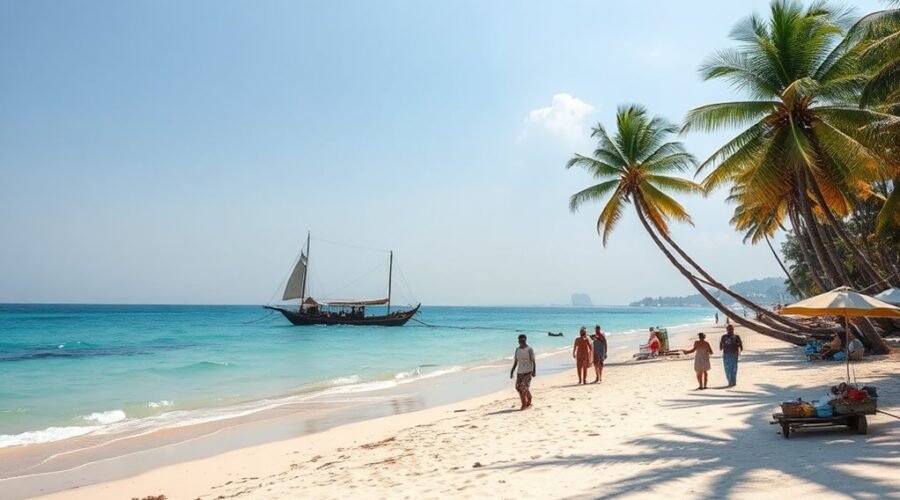
The best time to visit Zanzibar depends on whether you want sunny beaches, calm water, fewer tourists, or lower prices. The island has two drier periods, two rainy seasons, and trade winds that change conditions along its coast. Choosing the right month and beach can make a major difference to your trip.
Quick Answer
The best time to visit Zanzibar is June through October for generally dry, comfortable weather, especially June through September. January and February are excellent alternatives for hotter beach days and snorkeling. Choose June or September for a better crowd balance. Avoid April and May if dependable sunshine is your main priority.
Also compare: Lisburn.
Last checked: November 15, 2026. Key dates and figures were verified against official and authoritative sources.
Key Takeaways
- For swimming: January and February often offer warm water and relatively settled conditions. Northern beaches can also work well during the windy dry season.
- For kitesurfing: June through September and December through February provide the most useful trade-wind conditions.
- For lower prices: November and parts of the shoulder season offer potential savings. April and May are usually quieter but much wetter.
- For festivals: Sauti za Busara is scheduled for March 19–21, 2027. The Zanzibar International Film Festival took place June 24–28 in 2026.
- For beach selection: East-coast tides and winds matter as much as the weather forecast. Nungwi and Kendwa are often easier choices for regular swimming.
Zanzibar’s Weather Patterns and Two Monsoon Seasons
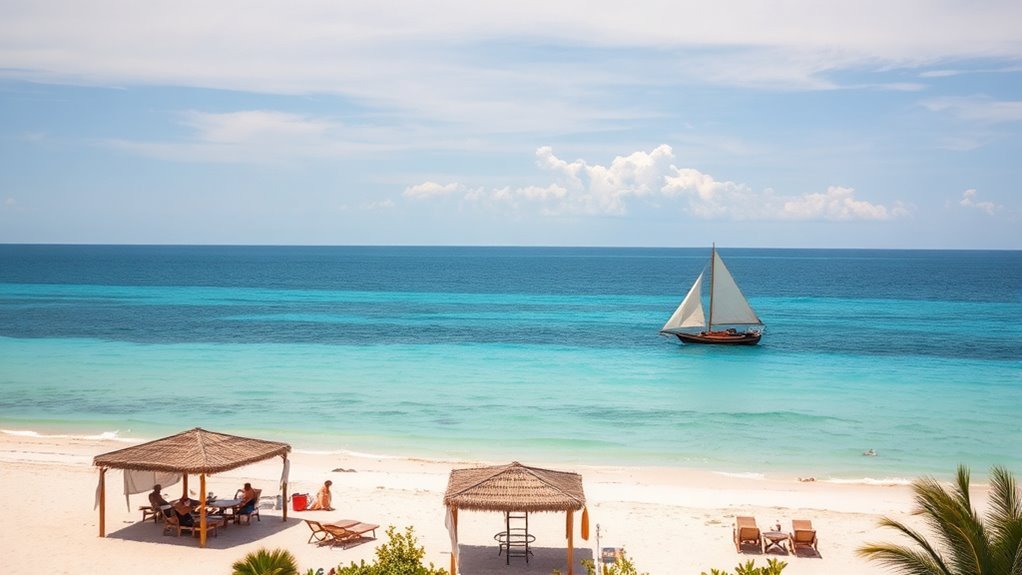
Zanzibar has a tropical climate with warm temperatures throughout the year. Rainfall changes much more than temperature, creating two relatively dry periods and two wetter periods.
The island’s weather is also shaped by two seasonal trade winds: Kusi, which generally blows from the southeast during the middle of the year, and Kaskazi, which brings northeast winds during the hotter months.
These winds affect sea conditions, especially along the eastern coast. That is why the driest month is not always the calmest month for swimming or boat trips.
The four main travel periods are:
- January–February: Hot, relatively dry weather with warm seas. Popular for swimming, snorkeling, and beach holidays.
- March–May: The main rainy season, known as Masika. Rainfall increases in March and is generally heaviest during April and May.
- June–October: The longer dry period, with comfortable temperatures and southeast trade winds. Excellent for sightseeing and many outdoor activities.
- November–December: The short-rain period, known as Vuli. Rain often arrives in showers, although some days can be very wet. Conditions frequently improve toward late December.
Historical weather data offers a useful way to compare these periods. The following figures come from 1991–2020 NOAA GSOD climate records for Abeid Amani Karume International Airport, compiled by NOTAMET.
The temperatures are average daily highs, and rainfall represents estimated historical monthly averages. They are not forecasts for a particular holiday.
| Month | Average High | Average Rainfall | Travel Conditions |
|---|---|---|---|
| January | 32.5°C | 45 mm | Hot, mostly dry; excellent for beaches |
| February | 32.9°C | 38 mm | Hot and relatively dry; good for snorkeling |
| March | 32.4°C | 136 mm | Increasing rain; mixed beach conditions |
| April | 30.6°C | 218 mm | Very wet; limited beach reliability |
| May | 29.7°C | 194 mm | Wet, with improving conditions late in the month |
| June | 29.3°C | 27 mm | Dryer and breezy; good overall value |
| July | 29.0°C | 23 mm | Very dry and popular; excellent sightseeing |
| August | 29.4°C | 36 mm | Dry and windy; busy holiday period |
| September | 30.3°C | 29 mm | Dry, warming weather; good crowd balance |
| October | 30.9°C | 84 mm | Warm, with increasing rain risk |
| November | 30.9°C | 180 mm | Short rains; fewer visitors |
| December | 31.8°C | 116 mm | Mixed early; busy around Christmas and New Year |
These averages explain why July is generally among the driest months, while April is much wetter. However, individual years can differ sharply from historical patterns.
For planning, treat monthly rainfall as a guide rather than a promise. Wind, tides, and your chosen coast still determine how enjoyable a beach day will feel.
What the Rainy Seasons Actually Mean for Your Trip
Zanzibar’s long rains and short rains affect travel differently. The long rains can interrupt entire days of outdoor activities, while the short rains more often bring passing showers with usable periods between them.
Understanding the difference helps you decide whether lower prices justify the weather risk.
March to May: The Long Rains
The Masika rainy season begins around March and usually reaches its wettest point in April. May can remain wet, although conditions often improve toward the end of the month.
Heavy rain can reduce underwater visibility, make unpaved roads difficult, and interrupt boat excursions. Some smaller resorts and activity operators reduce services or close temporarily.
If swimming, diving, and uninterrupted sunshine define your holiday, April and May are the least reliable months.
However, these months can still suit flexible travelers who prefer quieter surroundings and indoor or cultural activities.
November and December: The Short Rains
The Vuli season usually brings shorter spells of rain than Masika. November is particularly changeable, with humid days, showers, and periods of sunshine.
December can also receive substantial rain, especially early in the month. It should not be treated as a completely dry month.
Useful activities during rainy periods include:
- Stone Town exploration: Visit covered markets, historic buildings, and local shops when showers pass.
- Spice farm tours: Explore clove, cinnamon, nutmeg, and other spice-growing areas when conditions allow.
- Swahili cooking classes: Learn about local ingredients and traditional dishes in a sheltered setting.
- Jozani Forest excursions: Look for Zanzibar red colobus monkeys on guided walks, allowing for muddy paths.
- Local food experiences: Try seafood, Zanzibar pizza, and traditional Swahili dishes in quieter restaurants and markets.
Rain can make forests and spice farms especially lush. Still, outdoor excursions may be delayed or canceled during heavy downpours.
Warning: During heavy rain or strong winds, boat trips and snorkeling excursions may become unsafe. Follow local marine warnings and qualified operators’ decisions. Never pressure a captain to depart when conditions are unsuitable.
For rainy-season bookings, choose accommodation with flexible cancellation terms. Travel insurance covering eligible weather-related interruptions can also reduce financial risk, but ordinary rain alone may not qualify for reimbursement.
The Best Months to Visit Zanzibar for Sun and Calm Seas
June through September offers the most dependable combination of lower rainfall and comfortable temperatures. October is also appealing, although rain becomes more likely as the short-rain period approaches.
For calmer swimming conditions, January and February are often particularly attractive. Your beach location matters because the southeast trade winds can make exposed eastern shores choppier during the middle of the year.
Peak Sunshine Season Months
July, August, and September are excellent choices for travelers who want dependable dry-season weather.
Daytime temperatures generally stay around 29–30°C, while sea breezes help make the heat more manageable.
These months offer three main advantages:
- Limited rainfall: July and September average less than 30 mm of monthly rain in the referenced climate dataset.
- Comfortable sightseeing: Breezy days make Stone Town walks and spice farm visits more pleasant than during the hottest months.
- Reliable outdoor opportunities: Beach trips, wildlife excursions, sailing, and water sports benefit from relatively dry weather.
However, the dry season does not mean every beach will have flat water.
July and August can be particularly windy along the southeast coast, which is helpful for kitesurfers but less comfortable for travelers seeking completely calm seas.
Calm Sea Travel Windows
The best months for calm sea activities depend on the coast and the prevailing wind. January and February often offer good conditions for snorkeling, diving, swimming, and traditional dhow excursions.
October can also provide pleasant marine conditions as the stronger southeast winds ease, although weather becomes less predictable.
During June through September, choose sheltered locations or excursions that operate on the leeward side of the island.
The western and northern coasts can be more comfortable than exposed eastern waters when southeast winds are strong.
Popular marine experiences include:
- Mnemba Atoll: Snorkeling and diving trips around a protected marine area northeast of Unguja.
- Pange Reef: Reef snorkeling excursions in the Stone Town area when conditions allow.
- Traditional dhow sailing: Sunset and coastal excursions, especially on days with manageable wind.
- Fishing trips: Offshore excursions that depend on seasonal conditions and the operator’s safety assessment.
- Pemba diving: A separate island experience that requires additional travel planning rather than a simple short snorkeling transfer.
Water visibility can be excellent during the drier months, but currents and wind direction vary between sites.
Ideal Beach Weather Periods
Both January–February and June–October can provide excellent beach weather, but they feel different.
January and February are hotter and more humid. June through September feels cooler and breezier, making it easier to combine beach time with outdoor sightseeing.
If you want long afternoons on the sand, consider these differences:
- January–February: Best for hot-weather lovers who want swimming, snorkeling, and warm seas.
- June–August: Best for travelers who prefer comfortable daytime temperatures and active outdoor holidays.
- September–October: Good for combining warm weather, beach time, and potentially smaller crowds.
- Late December: Popular for festive beach holidays, although early December may still be rainy.
Fresh seafood, coastal restaurants, and local markets operate throughout the year, so you do not need a particular season to enjoy Zanzibar’s cuisine.
Pro Tip: If you want to swim several times a day without planning around dramatic tidal changes, consider Nungwi or Kendwa. The east coast has extensive tidal flats, and swimming may require a long walk at low tide.
When Crowds Peak and When the Beaches Empty Out
Zanzibar’s busiest periods generally fall in July and August and around the Christmas and New Year holidays. These dates coincide with popular international vacation periods and favorable beach weather.
The quieter months offer more space, but some come with increased rainfall.
Here is how crowd levels typically change:
- January: Busy around New Year, with visitor numbers often easing later in the month.
- February: Popular for warm-weather vacations, but often less crowded than the Christmas and New Year peak.
- March: Visitor numbers tend to decrease as the rainy season approaches, although major events can create local demand.
- April–May: Generally the quietest period, with some tourist businesses operating reduced schedules.
- June: Visitor numbers begin increasing as dry weather returns.
- July–August: Among the busiest months, especially at well-known beach resorts.
- September–October: Often a better balance between favorable weather and lower visitor numbers.
- November: Usually quieter because of the short rains.
- December: Visitor numbers rise sharply around the year-end holidays.
If you want a peaceful beach holiday without taking the biggest weather risk, June or September is worth serious consideration.
November offers another quieter option, but you must accept a greater possibility of rain.
February is attractive if you prefer tropical heat. Although it is not an empty-beach season, some holiday crowds have dispersed by then.
Major events also affect demand. For example, the Sauti za Busara music festival is scheduled for March 19–21, 2027, so accommodation around Stone Town may be more popular during those dates.
How Zanzibar Prices Change by Season: Flights, Hotels, and Tours
Zanzibar accommodation prices generally rise when dry weather overlaps with major international holidays. Flights and organized tours can also become more expensive when demand increases.
The biggest savings usually appear during wetter months, although lower prices may come with reduced services and canceled activities.
Here is a practical comparison:
| Travel Period | Typical Price Level | Main Advantage | Main Trade-Off |
|---|---|---|---|
| July–August | High | Very reliable dry-season weather | Crowds and higher accommodation demand |
| December–January holidays | High | Festive atmosphere and hot weather | Expensive popular resorts |
| June, September–October | Moderate to high | Potentially better weather-to-price balance | Rates vary by resort and event |
| November | Often lower | Reduced crowds and possible accommodation deals | Short rains |
| April–May | Usually lowest | Discounted rooms and quiet beaches | Heavy rain and possible service closures |
During the busiest periods, peak hotel rates may run 40–70% above lower-season baseline prices at some properties. This original estimate should be treated as a possible property-level difference, not a fixed island-wide pricing rule.
During April and May, some villas and tour packages may be advertised at around half their peak-season rates. Actual savings depend on the accommodation, booking terms, and which services remain available.
If you are booking international flights, comparing fares around 8–12 weeks before departure is one possible starting point. However, airline pricing changes constantly, and no booking window guarantees the lowest fare.
Also consider the full cost of your holiday, not just the hotel rate.
- Flights: International routes and school holidays can affect prices independently of Zanzibar’s weather.
- Hotels: Beachfront resorts often have stronger seasonal price changes than basic guesthouses.
- Excursions: Shared tours may cost less than private trips, but availability can fall during the wet season.
- Transportation: Airport transfers and taxis should be included in your budget.
- Entry costs: Visa requirements and mandatory inbound travel insurance can add to the total.
Walking through Stone Town’s public streets and spending time on accessible beaches generally do not require a tour ticket. Marine excursions, organized tours, protected-area activities, and many cultural attractions have charges.
For better overall value, prioritize the right travel conditions before choosing the lowest advertised room price.
Best Time to Visit Zanzibar for Diving, Festivals, and Water Sports
The best months for water activities depend on the sport. Snorkelers often prefer settled seas, while kitesurfers actively seek steady trade winds.
Zanzibar also has cultural festivals that may be worth planning an entire trip around, even when their dates fall outside the driest months.
Prime Diving Season Windows
Zanzibar offers diving throughout much of the year, with particularly favorable opportunities during June–October and December–February.
Visibility often reaches approximately 20–30 meters at suitable sites when conditions are clear. However, currents, rainfall, and exposed reef locations can change the experience significantly.
The PADI diving guide for Zanzibar highlights the island’s coral reefs, marine life, and potential for excellent underwater visibility.
Three sites deserve special attention:
- Mnemba Atoll: One of Zanzibar’s best-known snorkeling and diving destinations, with coral formations, tropical fish, and possible turtle or dolphin encounters. Conditions are generally favorable during the drier periods.
- Leven Bank: An exposed offshore site known for stronger currents, larger fish, and more demanding dives. It is better suited to experienced divers and requires suitable marine conditions.
- Chumbe Island Reef: A protected coral reef environment known for marine conservation and guided snorkeling opportunities. Conditions depend on weather and the island’s visitor arrangements.
Marine wildlife sightings are never guaranteed. Reef fish and turtles are possible throughout the year, while encounters with larger species depend on location and seasonal movements.
Whale sharks are sometimes reported around Zanzibar, but it is misleading to treat Leven Bank as a guaranteed whale shark aggregation site.
For travelers specifically interested in whale sharks, nearby Mafia Island is better documented. Published research on Mafia Island whale sharks identifies October through February as the main seasonal sighting period.
Mafia Island is a separate destination, so it requires additional transport and accommodation planning.
Sea turtles can also be encountered while snorkeling or diving. Nesting and hatching schedules differ by species and location, so do not assume that every Zanzibar beach has a single summer nesting season.
During peak diving periods, reserving a reputable operator around three weeks ahead can be a useful planning target, especially if you want a particular site or private excursion.
Top Water Sports Periods
Kitesurfing is one of Zanzibar’s most weather-dependent activities. The east coast, especially Paje and nearby Jambiani, attracts riders because of its shallow lagoon and seasonal trade winds.
The two main wind periods are:
- Kusi season: Generally June through September, with southeast winds that can be strong and consistent.
- Kaskazi season: Generally December through February, with northeast winds and warmer conditions.
The local Kite Centre Zanzibar seasonal conditions guide describes the Kusi and Kaskazi wind patterns and the lagoon’s protective reef.
June through August often suits experienced kitesurfers looking for stronger wind. The December–February period can also provide excellent riding conditions.
For snorkeling, sailing, and relaxed swimming, the ideal days may be different. Choose sheltered locations when the wind is strong rather than assuming that dry weather means calm water.
Other activities worth considering include:
- Windsurfing: Best when the seasonal winds provide sufficient strength.
- Stand-up paddleboarding: More comfortable during calmer morning conditions and suitable tides.
- Dolphin-watching excursions: Available from areas such as Kizimkazi, subject to weather and responsible wildlife practices.
- Snorkeling: Particularly rewarding when water clarity is high and currents are manageable.
- Traditional sailing: Pleasant on suitable days, especially along sheltered coastal routes.
April and May are generally the least dependable months for water sports because heavy rain and changing marine conditions can interrupt trips.
Must-Attend Zanzibar Festivals
Zanzibar’s festivals celebrate film, music, history, and local traditions. Unlike weather seasons, festival dates can change, so the year of each event matters.
Three major cultural events are especially relevant:
- Zanzibar International Film Festival (ZIFF): Also known as the Festival of the Dhow Countries, ZIFF celebrates African and international cinema, cultural exchange, and creative arts. The official 2026 program ran from June 24–28, 2026, rather than July. Its official festival program included film screenings, workshops, cultural events, and a dhow race. The 2027 dates were not confirmed at the time of this review.
- Sauti za Busara: This major African music festival traditionally takes place in February. However, the organizers have confirmed March 19–21, 2027, in Stone Town. The change accommodates Ramadan. The festival features musicians from Zanzibar, Tanzania, and other African countries.
- Mwaka Kogwa: A traditional Shirazi New Year celebration usually held in July in Makunduchi, southern Zanzibar. It features rituals, singing, dancing, and symbolic banana-stem fighting. The exact date can vary, and a confirmed 2027 date was not available during this review.
These events can attract visitors even during otherwise quieter travel periods.
For Sauti za Busara 2027, the advertised Music Lovers regular international three-day pass was listed at TZS 370,000 when reviewed. Other ticket categories and prices apply, and subsequent sales phases may be priced differently.
ZIFF screenings, festival performances, and special cultural programs may require paid admission. Some community celebrations and public cultural activities are accessible without purchasing a formal festival pass.
Festival trips are also a good reason to spend time in Stone Town rather than staying exclusively at a beach resort.
How the Best Time to Visit Zanzibar Changes Depending on Where You Stay
The best time to visit Zanzibar can change depending on which coast you choose. Eastern beaches have pronounced tidal changes, while northern and western areas may provide more convenient swimming conditions during windy periods.
Match your accommodation to your favorite activities rather than choosing a beach solely from its photographs.
East Coast: Paje, Jambiani, and Matemwe
The east coast is especially attractive during the dry season, but the southeast trade winds can create choppy conditions between June and September.
Paje and Jambiani are excellent choices if you want kitesurfing, long sandy beaches, and a relaxed coastal atmosphere.
However, low tide can expose broad areas of sand and reef flats. Swimming conditions may change dramatically over the course of a day.
Matemwe is a useful base for travelers interested in excursions to Mnemba Atoll.
For people who mainly want calm swimming, January and February may offer a better match than the strongest Kusi wind months.
North Coast: Nungwi and Kendwa
Nungwi and Kendwa are popular choices for travelers who want easier beach swimming throughout the day.
Although tides still occur, the beach layout generally allows more convenient swimming than many shallow east-coast lagoons.
These beaches work well during both major dry periods, making them relatively flexible destinations.
They are particularly appealing for couples, families, and travelers who prioritize swimming over kitesurfing.
Expect the most popular hotels and beachfront restaurants to become busy during peak vacation periods.
West Coast: Stone Town and Nearby Beaches
Stone Town is best for visitors who want history, markets, food, architecture, and cultural experiences alongside their beach holiday.
The UNESCO-listed Stone Town of Zanzibar reflects centuries of Swahili, Arab, Indian, African, and European cultural influence.
Its narrow streets, carved wooden doors, historic buildings, and traditional markets are rewarding to explore throughout the year.
June through September provides relatively comfortable weather for walking, while the shoulder seasons may offer fewer visitors.
During rainy periods, Stone Town’s covered shops, markets, and cultural attractions provide useful alternatives to the beach.
Western coastal areas can also be more sheltered when southeast winds affect eastern beaches.
South Coast: Kizimkazi and Makunduchi
Southern Zanzibar suits travelers interested in quieter surroundings, local culture, and marine excursions.
Kizimkazi is known for dolphin-watching trips, while Makunduchi is associated with the Mwaka Kogwa celebration.
Marine conditions vary along this coast, so it is worth choosing accommodation with suitable beach access for your preferred activities.
The dry seasons are generally easier for outdoor excursions, while festival timing may provide an additional reason to visit in July.
Is Zanzibar Worth Visiting Every Month of the Year?
Yes, Zanzibar is worth visiting in every month, but some periods suit particular travelers much better than others. The island offers cultural attractions, local food, and historic sites throughout the year.
The important difference is how reliably the weather supports your planned activities.
Here is the simplest way to choose:
- Visit in January or February if you want hot tropical weather, swimming, and generally favorable snorkeling conditions.
- Visit in March if you have flexible plans and want cultural experiences, including Sauti za Busara in 2027, while accepting increasing rainfall.
- Visit in April or May if your priority is a quiet, lower-cost stay rather than a dependable beach holiday.
- Visit in June if you want improving dry-season weather without the full July–August crowds.
- Visit in July or August if dependable dry weather and outdoor activities matter more than avoiding peak-season demand.
- Visit in September if you want one of the best combinations of low rainfall, warm weather, and comparatively manageable crowds.
- Visit in October if you enjoy warm weather and can accept occasional showers as the wet season approaches.
- Visit in November if you value quieter surroundings and do not mind short-rain-season uncertainty.
- Visit in December if you want a festive holiday atmosphere and can accommodate possible rain, especially early in the month.
Zanzibar’s strongest year-round attractions include its Swahili culture, spice heritage, seafood, traditional markets, and coastal scenery.
For most first-time visitors, the best compromise remains June–September or January–February.
If you want to combine Zanzibar with a mainland Tanzania safari, June through October also overlaps with a popular safari travel period. However, the ideal safari timing depends on the specific national parks and wildlife you hope to see.
Before finalizing your itinerary, consider the following practical points:
- Choose your beach according to tides and swimming conditions.
- Allow some flexibility for weather-sensitive boat excursions.
- Confirm that your accommodation operates normally during the rainy season.
- Keep suitable clothing for hot days, breezy evenings, and occasional rain.
- Respect local customs, especially when visiting villages, religious sites, and Stone Town.
With the right expectations, both dry-season and rainy-season visits can be rewarding.
Note: Zanzibar has travel-health and entry requirements that are separate from choosing the best weather. Before departure, review your visa eligibility, mandatory inbound travel insurance, and vaccination needs. A qualified travel-health professional can advise you about malaria prevention and recommended vaccines.
Frequently Asked Questions
Do I Need a Visa to Visit Zanzibar as a Tourist?
Your visa requirement depends on your nationality. Zanzibar follows Tanzania’s immigration system, and eligible travelers can use the official Tanzania eVisa portal. Some nationalities qualify for visas on arrival, while others must obtain approval before traveling. One Tanzanian visa generally covers both the mainland and Zanzibar. Foreign visitors also face mandatory inbound travel insurance requirements. Under the Zanzibar Insurance Corporation’s October 2026 guidance, the applicable insurer depends on your first point of entry. Travelers should retain their insurance certificate and QR code.
What Vaccinations Are Recommended Before Traveling to Zanzibar?
Travelers should have current routine vaccinations and discuss hepatitis A, typhoid, and other appropriate vaccines with a healthcare professional. According to the CDC’s Tanzania travel-health guidance, yellow fever vaccination is generally not recommended solely for travel to Tanzania, but proof may be required when arriving from certain yellow-fever-risk countries. Malaria prevention is also important, including mosquito protection and potentially prescription preventive medication.
Is Zanzibar Safe for Solo Female Travelers Throughout the Year?
Zanzibar can be a rewarding destination for solo female travelers throughout the year, but normal travel precautions remain necessary. Dress modestly away from resort beaches, use reputable transportation, secure your valuables, and avoid isolated areas after dark. During the rainy season, take extra care on slippery paths and poorly lit roads. Respecting local customs helps make cultural experiences more comfortable.
What Currency Is Used in Zanzibar and Is Cash Preferred?
The official currency is the Tanzanian shilling (TZS). US dollars are also accepted by many tourism businesses, particularly hotels and tour operators. Cards are useful at larger establishments, but smaller shops, markets, and local transport providers often prefer cash. Carry some Tanzanian shillings for everyday purchases, and confirm exchange rates before paying in a foreign currency.
How Many Days Should I Budget for a Zanzibar Trip?
Seven to ten days is a comfortable length for a Zanzibar holiday. You can spend time exploring Stone Town, visiting spice farms, relaxing at northern or eastern beaches, and enjoying marine excursions. Shorter trips are possible, but frequent hotel changes can waste valuable time. During rainy periods, an extra flexible day can help accommodate weather-related changes.
Conclusion
The best time to visit Zanzibar is June through October for comfortable, generally dry weather or January and February for hotter beach conditions. June and September are particularly attractive if you want a balance of good weather and potentially fewer crowds.
If your main goal is swimming, choose your coastline carefully. If you prefer kitesurfing, plan around the seasonal trade winds. And if your priority is saving money, the wetter months can offer value when you are willing to accept changing conditions.
Pick the season that suits your activities, choose a beach that matches your preferences, and allow enough flexibility to enjoy Zanzibar beyond its shoreline.
Sources
- NOAA GSOD Climate Records, Abeid Amani Karume International Airport: Historical monthly temperature and rainfall data for 1991–2020.
- Kite Centre Zanzibar: Kusi and Kaskazi wind seasons, Paje lagoon conditions, and kitesurfing guidance.
- PADI Zanzibar Diving Guide: Diving conditions, underwater visibility, marine life, and reef destinations.
- Frontiers in Marine Science: Research on whale shark residency and seasonal sightings near Mafia Island.
- Zanzibar International Film Festival: Official 2026 festival schedule, June 24–28.
- Sauti za Busara Festival: Confirmed March 19–21, 2027 dates and explanation of the date change.
- UNESCO World Heritage Centre: Stone Town’s World Heritage status, history, and cultural significance.
- Tanzania Immigration Services Department: Official tourist visa application portal and immigration information.
- Zanzibar Insurance Corporation: October 2026 guidance on mandatory inbound travel insurance and first-port-of-entry requirements.
- CDC Travelers’ Health: Tanzania, Including Zanzibar: Vaccination guidance, yellow fever entry conditions, and malaria prevention.