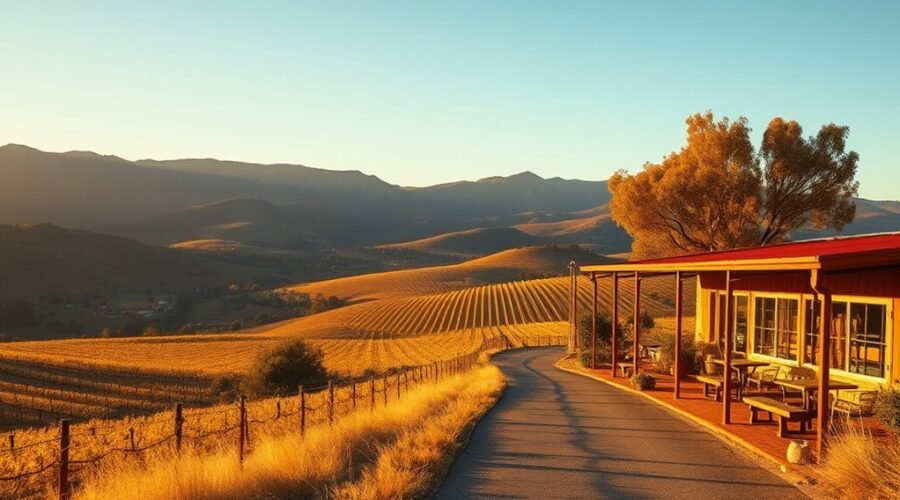
The best time to visit Mudgee depends on whether you prefer mild vineyard weather, lively food and wine festivals, or quiet country escapes. This New South Wales wine region offers something different in every season, from spring blossoms to autumn harvests and cosy winter stays.
Use this guide to compare monthly temperatures, rainfall, events, crowds, and booking conditions before choosing your travel dates.
Quick Answer
October and November are excellent months to visit Mudgee for green vineyards, comfortable outdoor dining, and spring scenery. September suits food and wine festival visitors, while March and April offer harvest activity and pleasant autumn weather. Choose June to August for a quieter winter escape, or summer if you enjoy warm days and longer evenings.
Key Takeaways
Key Takeaways
- September hosts Mudgee’s major Wine + Food Festival, making it an attractive month for visitors who enjoy organised events.
- October brings comfortable spring weather and the annual Sculptures in the Garden exhibition.
- Grape harvesting generally takes place from February into March, although timing varies with the growing season.
- Winter offers cooler weather, peaceful vineyard scenery, and opportunities to find accommodation deals.
- January is generally the warmest month, while July has the lowest average daytime and overnight temperatures.
- Festival weekends, school holidays, and major local events can affect accommodation availability and prices.
Best Month to Visit Mudgee: Who & Why
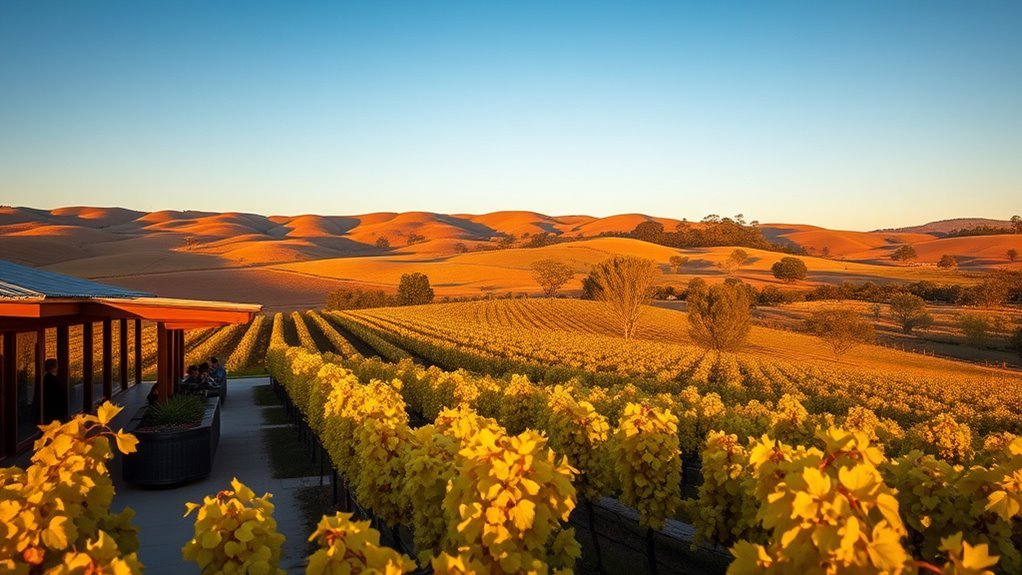
October and November offer an appealing balance of pleasant weather, green vineyards, outdoor dining, and wine tasting. However, September is particularly attractive if your main reason for visiting is Mudgee’s food and wine calendar.
Spring is not necessarily the quietest season. Tourism Australia identifies spring as Mudgee’s high season, with September’s Wine + Food Month attracting visitors to the region.
Your ideal month depends on the experience you want.
- September: Food festivals, wine events, spring scenery, and a lively atmosphere.
- October: Comfortable vineyard visits, outdoor art, walking, and dining.
- November: Warmer spring days, green vines, markets, and outdoor activities.
- February–March: Vineyard harvest activity and opportunities to learn about winemaking.
- April–May: Autumn colours, cooler evenings, and relaxed country touring.
- June–August: Fireside accommodation, winter dining, and quieter sightseeing.
Couples may prefer autumn’s vineyard scenery and long lunches. Families can enjoy spring markets and outdoor activities, while solo travellers may appreciate quieter weekday visits.
If you are planning a wine-focused weekend, consider staying in Mudgee town and booking a guided winery tour. Many cellar doors are spread across the surrounding countryside, so they are not all within walking distance of one another.
Month-by-Month Weather in Mudgee
Mudgee has four distinct seasons, with hot summers, chilly winters, and noticeable changes in temperature between day and night.
The following figures come from the Australian Bureau of Meteorology’s Mudgee (George Street) station, number 062021. They are historical climate averages, not forecasts for a particular trip.
According to the Bureau of Meteorology’s monthly climate statistics, average daytime highs range from 14.4°C in July to 31.0°C in January.
| Month | Average High | Average Low | Average Rainfall | Travel Highlights |
|---|---|---|---|---|
| January | 31.0°C | 15.5°C | 68 mm | Warm-weather activities and long evenings |
| February | 30.2°C | 15.4°C | 63 mm | Early grape harvest activity |
| March | 27.8°C | 13.0°C | 55 mm | Harvest and early autumn scenery |
| April | 23.3°C | 8.5°C | 45 mm | Autumn walks and vineyard dining |
| May | 18.8°C | 5.0°C | 49 mm | Cooler country getaways |
| June | 15.2°C | 2.6°C | 55 mm | Winter accommodation and fireside dining |
| July | 14.4°C | 1.3°C | 53 mm | Cold mornings and quiet vineyard scenery |
| August | 16.0°C | 2.3°C | 52 mm | Late-winter escapes |
| September | 19.6°C | 4.4°C | 52 mm | Wine + Food Month and spring growth |
| October | 23.4°C | 7.6°C | 60 mm | Outdoor art and comfortable winery visits |
| November | 26.9°C | 10.8°C | 63 mm | Green vineyards and warmer spring days |
| December | 29.8°C | 13.7°C | 65 mm | Summer dining and outdoor activities |
Rainfall figures are rounded to the nearest millimetre. Temperature and rainfall averages cover different historical observation periods, as shown in the Bureau of Meteorology’s station records.
Seasonal Temperature Overview
Mudgee’s inland location produces warm afternoons and noticeably cooler nights. Even in spring and autumn, you may need a jacket after sunset.
Summer runs from December to February, with average daytime highs close to 30°C. Some days become considerably hotter, making early-morning walks and shaded afternoon activities sensible choices.
Autumn brings a gradual cooling trend. March averages 27.8°C during the day, while May drops to 18.8°C.
Winter mornings can be frosty. July has an average overnight minimum of 1.3°C, so warm clothing is useful even if you plan to spend most of your time indoors.
Spring warms steadily from September’s average high of 19.6°C to November’s 26.9°C. Pack flexible layers rather than relying on daytime temperatures alone.
Monthly Rainfall Patterns
Mudgee receives rainfall throughout the year. The historical figures do not support the idea that May through August is consistently its wettest period.
At the George Street weather station, January averages approximately 68 mm of rainfall, compared with 45 mm in April and around 52–55 mm during individual winter months.
Summer can bring thunderstorms, while winter rain may arrive with cold fronts. However, daily conditions vary, and monthly averages cannot guarantee a dry holiday.
Rain also influences vineyard growth, soil moisture, and grape development. A wet period close to harvest can affect vineyard operations differently from rain earlier in the growing season.
If you are planning bushwalks, vineyard picnics, or outdoor events, keep a flexible indoor activity available for wet weather.
Daylight And Sunshine
Mudgee’s daylight changes noticeably between summer and winter. Summer provides longer evenings for outdoor dining, while winter encourages earlier sightseeing and cosy evenings indoors.
Daylight lasts approximately 14 hours and 18 minutes around the December solstice, compared with about 10 hours around the June solstice.
| Season | Daylight | Vibe |
|---|---|---|
| Summer | Around 14 hours near the December solstice | Long evenings and outdoor dining |
| Winter | Around 10 hours near the June solstice | Short sightseeing days and cosy evenings |
Sunshine and daylight are different. A long summer day can still be cloudy, so plan outdoor activities around the actual forecast.
Peak Season: Crowds, Bookings, Prices
Mudgee’s busiest periods depend heavily on festivals, school holidays, and major events rather than temperature alone. Spring is an important tourism season, especially during September’s food and wine celebrations.
Accommodation can also become harder to find during popular autumn weekends and holiday periods.
Peak Visitor Months
September is a major event month in Mudgee. The annual wine festival brings together local producers, cellar doors, restaurants, and visitors.
In 2026, the Mudgee Wine + Food Festival includes tastings, special dining experiences, and other wine-focused activities throughout September.
Another major event is Flavours of Mudgee, which takes place on Saturday, 26 September 2026, from 4 pm to 8 pm. The official council event listing confirms free admission, with tasting packages available separately.
October also attracts visitors for spring holidays and art events. Summer brings warm-weather travellers and school-holiday demand, although it should not automatically be treated as Mudgee’s only peak season.
If you want quieter tastings, consider weekdays outside major event periods.
Accommodation Availability
Mudgee offers boutique hotels, country cottages, farm stays, motels, and accommodation in the surrounding countryside.
Book earlier for major festival weekends, long weekends, and school holidays. Popular properties can have limited availability, particularly when several local events overlap.
Choose accommodation based on how you intend to spend your visit.
- Boutique B&Bs: Character-filled stays suited to couples and relaxed weekend breaks.
- Farm stays: Rural surroundings, open spaces, and opportunities to experience country life.
- Motels and town-centre rooms: Convenient access to restaurants, shops, and local services.
Staying in town makes it easier to walk to restaurants and markets. Rural accommodation may offer more privacy, but you will generally need transport to reach wineries and attractions.
If you plan to drink wine, arrange a tour, designated driver, or suitable transfer rather than driving between tastings.
Price Surge Patterns
Accommodation prices can increase when demand rises around festivals, school holidays, and popular weekends.
However, there is no reliable fixed percentage that applies to every Mudgee property. Prices vary by accommodation type, booking date, location, and individual event.
To compare value, look at the total cost of your stay rather than the nightly rate alone.
- Compare the same property across weekday and weekend dates.
- Check cancellation conditions before choosing a discounted rate.
- Compare town-centre accommodation with rural cottages.
- Account for winery transport, parking, breakfast, and any cleaning fees.
- Consider travelling outside the main event weekends if your dates are flexible.
Moving a trip by a few days may improve your accommodation choices without changing the overall experience.
Off-Peak Months: Savings and Trade-Offs
Winter, from June to August, is generally Mudgee’s quieter tourism season. It can suit travellers who prefer relaxed cellar-door visits, country accommodation, and fewer competing activities.
Lower demand may create opportunities for accommodation deals, particularly during the week. Savings are not guaranteed, so compare actual rates before booking.
- Stretch your budget: Look for midweek accommodation offers, winter packages, or properties with breakfast included.
- Enjoy a slower pace: Visit cellar doors, galleries, cafés, and restaurants without filling every hour of your itinerary.
- Understand the trade-offs: Some venues operate shorter winter hours, and certain tours may have reduced availability.
Winter visitors should also prepare for cold mornings and shorter daylight hours. A rural property with effective heating can make a substantial difference to your stay.
May and August can work well for travellers who want cooler conditions without visiting during the coldest part of winter.
Harvest & Vintage: Winery Events Explained
Mudgee’s grape harvest generally occurs in late summer and early autumn. This is when vineyards pick ripe grapes and wineries begin the process of turning them into wine.
Harvest timing depends on the grape variety, weather, ripeness, and decisions made by individual winemakers.
It is important to distinguish the actual grape harvest from Mudgee’s major Wine + Food Festival, which takes place in September.
Harvest Festival Timing
The main grape-picking period commonly falls between February and March. For example, Mudgee Wines Estate identifies its harvest period as early February through the end of March.
Some vineyards may begin earlier or finish later, depending on seasonal conditions and the varieties grown.
- Early February: Harvest may begin for earlier-ripening grapes.
- Late February–March: An important period for grape picking, winery activity, and vintage preparation.
- April: Some later vineyard work and winemaking activity may continue, depending on the season.
Harvest does not mean every winery offers public grape-picking activities. Many vineyard operations are working agricultural businesses.
If you want a behind-the-scenes experience, choose a winery that specifically advertises a harvest tour, demonstration, or vintage event.
Vintage Event Activities
Vintage events can help visitors understand how grapes become finished wine. Depending on the winery, experiences may include guided vineyard walks, conversations with winemakers, tastings, and demonstrations.
Some organised experiences may also cover grape sorting, crushing, pressing, or blending.
The following table shows examples of activities that may form part of a winery experience. It is not a guaranteed daily programme.
| Morning | Afternoon | Evening |
|---|---|---|
| Guided vineyard walk | Winemaking demonstration | Wine tasting or dinner |
| Harvest discussion | Blending experience | Food and wine pairing |
For a more personal experience, look for smaller group tours and cellar-door sessions that allow time for questions.
Ask whether the experience includes vineyard access, a guided tasting, transport, and food before booking.
Spring & Autumn in Mudgee: Walks & Wineries
Spring and autumn combine vineyard scenery with temperatures that often suit walking and outdoor dining.
In spring, vines return to green growth and the countryside becomes more colourful. Autumn brings changing foliage, harvest activity, and cooler afternoons as winter approaches.
Both seasons work well for combining cellar-door visits with local art, markets, and short country drives.
- Walks: Explore local bushland, nature reserves, and scenic viewpoints. Choose a track that matches your fitness level and the day’s weather.
- Wineries: Book tastings at boutique cellar doors and allow time to learn about local grape varieties and winemaking.
- Town: Explore Mudgee’s historic streets, cafés, shops, galleries, and public art.
For a more substantial outdoor activity, Castle Rocks walk in Munghorn Gap Nature Reserve offers views over sandstone formations.
The NSW National Parks track information lists the walk as 8.5 km return, taking approximately 3–5 hours. It is a Grade 3 track, so bring water, suitable footwear, and clothing for changing conditions.
Spring visitors can also enjoy Sculptures in the Garden at Rosby Wines.
For 2026, the exhibition runs from 10–25 October, opening daily from 10 am to 4 pm. The official visitor information lists entry at $5 per person, with children under 12 admitted free.
This combination of wine, landscape, walking, and art makes October particularly attractive for visitors who want variety rather than a wine-only itinerary.
Winter in Mudgee: Cosy Stays & Deals
Winter offers a quieter side of Mudgee, with frosty mornings, bare vines, country accommodation, and opportunities to enjoy local red wine beside a fire.
June through August suits visitors who enjoy slow mornings, relaxed dining, and indoor activities.
Stone cottages, boutique hotels, and rural cabins can provide comfortable bases for a winter getaway. When comparing properties, check the heating, bedding, parking, and distance from town.
Some accommodation providers offer midweek reductions, packages, or bundled experiences during quieter periods. Compare the total package price with booking the same services separately.
Winter is a chance to enjoy Mudgee at a slower pace, with cosy accommodation, relaxed meals, and time to explore the local wine scene.
Start outdoor activities after the coldest part of the morning when practical. Plan vineyard visits during daylight, then return to town for dinner or an evening indoors.
Pack a warm jacket, comfortable closed shoes, and extra layers. Frost and cold overnight temperatures are normal parts of a Mudgee winter.
For a relaxed itinerary, combine a late-morning tasting, a long lunch, and an afternoon visit to a gallery or café.
Summer in Mudgee: Events, Heat, Crowds
Summer brings warm vineyard days, long evenings, outdoor dining, and opportunities to explore the countryside.
December through February has average daytime highs near 30°C. Individual days can be hotter, so schedule demanding outdoor activities for cooler parts of the day.
- Outdoor activities: Enjoy vineyard views, shaded dining areas, and early-morning walks.
- Social atmosphere: Look for seasonal markets, local performances, and food or wine events.
- Practical planning: Reserve accommodation and popular dining experiences early during school holidays and event weekends.
Bring drinking water, a hat, sunscreen, and suitable clothing. Avoid planning long exposed walks during the hottest part of the afternoon.
Summer can also be a good time to explore water-based activities around the wider region.
Ganguddy–Dunns Swamp in Wollemi National Park offers opportunities for paddling, swimming, fishing, and walking in a scenic setting.
However, swimming and paddling conditions can change. Follow local safety guidance and avoid entering the water during unsuitable conditions.
Best Months for Wine Tours, Markets, Walks
The best months for combining wine tours, markets, and pleasant walks are generally September through November and March through April.
These periods offer different experiences: spring brings green vines and major events, while autumn offers harvest activity and changing vineyard colours.
Mudgee’s cellar doors operate beyond these months, so wine tasting is not limited to spring and autumn.
| Month Range | What to Expect |
|---|---|
| Sep–Nov | Spring growth, wine events, markets, and outdoor art |
| Dec–Feb | Warm days, long evenings, and summer activities |
| Mar–Apr | Harvest activity, autumn colours, and pleasant touring weather |
| Oct–Apr | A broad window for vineyard visits, outdoor dining, and walking |
For markets, timing your trip around the regular monthly schedule can be more useful than choosing a particular season.
The official Mudgee Region markets guide lists several recurring events, including:
- Mudgee Church Markets on the first Saturday of the month, except January.
- Mudgee Makers’ Markets on the first Sunday, except January and February.
- Lawson Park Markets on the second Saturday.
- Mudgee Farmers’ Markets on the third Saturday, with some date variations in January and April.
These markets offer opportunities to discover regional produce, food, crafts, and local businesses.
If you are visiting for a short weekend, plan your market visit before arranging winery tastings. This leaves the afternoon free for a tour or a long lunch.
Monthly Booking Tips & Money-Saving Moves
Choosing the right travel dates is only part of planning a Mudgee getaway. Accommodation location, transport, festival schedules, and winery reservations can affect both your budget and your experience.
For a quieter trip, compare midweek accommodation rates and avoid major event weekends. For a festival-focused visit, book your stay once the event dates are confirmed.
- Compare accommodation early: Check prices and cancellation conditions across several properties before committing.
- Reserve popular experiences: Book small-group wine tours, dining experiences, and weekend tastings in advance.
- Compare packages: Check whether combined accommodation and tour offers provide genuine savings.
- Plan transport: Arrange a designated driver, guided wine tour, or suitable transfer for days involving alcohol.
- Build flexibility into your itinerary: Keep an indoor activity available for wet weather and avoid booking every hour.
If you are travelling from Sydney, Mudgee is approximately a 3.5-hour drive under normal conditions, although roadworks and traffic can affect the journey.
The region also has train and coach connections. The official Mudgee Region transport guide explains that coach services connect with the Sydney rail network at Lithgow.
A car or organised tour is useful once you arrive because many wineries and rural attractions are outside the town centre.
If you have only two days, choose a small number of cellar doors rather than trying to visit every winery. Leave time for a market, a good meal, and a walk through town.
Frequently Asked Questions
Are There Family-Friendly Activities in Mudgee Year-Round?
Yes. Families can enjoy local parks, markets, galleries, farm experiences, and seasonal events throughout the year. Some wineries also offer family-friendly spaces or activities, although facilities vary. Outdoor attractions are especially appealing during spring and autumn, while winter is suitable for shorter outings and indoor activities.
Is Mudgee Easily Accessible by Public Transport?
Mudgee can be reached using regional train and coach connections, including services linking with the rail network at Lithgow. However, public transport is more limited than in major cities. Many wineries are outside town, so organised tours or arranged transfers are useful. Travellers with accessibility requirements should confirm individual transport and venue facilities before booking.
What Are Pet-Friendly Accommodation Options in Mudgee?
Pet-friendly accommodation may include rural cottages, cabins, farm stays, and selected holiday properties. Check each property’s rules for pets, fencing, additional fees, and whether animals can be left unattended. If you plan to visit national parks, remember that domestic pets are generally not permitted in NSW national parks.
Are There Gluten-Free or Vegan Dining Options Available?
Mudgee has cafés, restaurants, and other dining venues where dietary options may be available. Menus change, so contact your chosen venue before visiting to confirm vegan or gluten-free dishes. If you have coeliac disease or a serious allergy, ask specifically about preparation methods and cross-contact rather than relying on a menu label alone.
Can I Combine a Mudgee Visit With Nearby National Parks?
Yes. Munghorn Gap Nature Reserve offers bushwalking and sandstone scenery, while Ganguddy–Dunns Swamp in Wollemi National Park offers walking, camping, and paddling opportunities. The official Ganguddy–Dunns Swamp visitor information provides practical details. Allow enough time for rural driving and check park alerts before leaving.
What Is the Best Month for Wine Festivals in Mudgee?
September is the main month for Mudgee’s Wine + Food Festival. It brings together local producers through tastings, dining experiences, and other events. The annual festival is separate from the grape harvest, which generally occurs in February and March. September can be busy, so accommodation and popular experiences are worth booking ahead.
Does It Snow in Mudgee During Winter?
Mudgee experiences cold winter mornings and frost, but snow is not a regular feature of the town’s winter weather. July has an average overnight minimum of 1.3°C at the George Street weather station. Pack warm clothing and prepare for cold conditions rather than planning a Mudgee trip around snowfall.
How Many Days Do You Need in Mudgee?
Two or three days allow time for several cellar-door visits, local dining, markets, and sightseeing. A longer stay gives you more flexibility to explore nearby towns and national parks. If your visit includes a major festival, allow extra time so you can enjoy the event without rushing your other activities.
Conclusion
October and November offer a comfortable mix of vineyard scenery, wine tasting, and outdoor activities. Choose September for major food and wine events, February or March for harvest activity, or winter for a quieter country escape.
Before booking, compare your preferred dates with Mudgee’s event calendar, accommodation availability, and seasonal weather. A little planning will help you enjoy the region at the pace that suits you.
Sources
- Bureau of Meteorology, Mudgee (George Street) climate statistics: Historical monthly temperatures and rainfall averages.
- Tourism Australia, Guide to Mudgee: Seasonal tourism guidance and regional travel information.
- Mudgee Wine Association: Official Wine + Food Festival programme.
- Mid-Western Regional Council: Confirmed Flavours of Mudgee 2026 event information.
- Sculptures in the Garden: Official 2026 dates, opening hours, and admission details.
- Mudgee Region Tourism: Local market schedules and transport information.
- NSW National Parks and Wildlife Service: Castle Rocks walk and Ganguddy–Dunns Swamp visitor information.