Warm, sunlit afternoons and quiet, misty mornings coexist in Hunter Valley depending on when you go, so choosing the right month really changes your trip. You’ll want to weigh mild winter days and cheaper stays against vibrant summer festivals and harvest action. This guide walks through weather, crowds, costs, and timing for tastings, dining, and ballooning so you can pick the window that fits your priorities.
Key Takeaways
- Late autumn through winter (May–Aug) offers the quietest crowds, lower prices, and intimate cellar‑door experiences.
- Spring (Sept–Nov) gives mild weather, lush vineyards, and great photography, but slightly increased weekend crowds.
- Summer (Dec–Feb) brings festivals and hotter days, higher rates, and busier cellar doors—book early for weekends.
- Harvest season (Feb–Apr) delivers vibrant winery activity and tasting events but is the busiest and often pricier time.
- Visit weekdays or early mornings in shoulder months to avoid crowds, secure deals, and enjoy flatter light for photos.
Best Months to Visit Hunter Valley : At a Glance
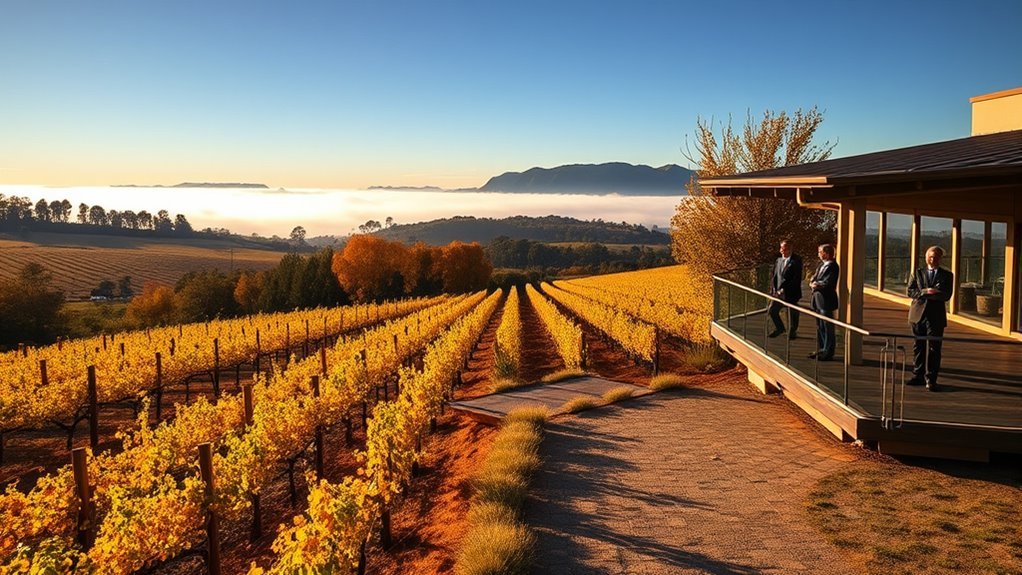
When should you plan your trip to Hunter Valley? You’ll want spring (September–November) for blooms, milder crowds, and lush vineyard photography, and autumn (March–May) for harvest colors, crisp air, and richer tasting notes.
Plan Hunter Valley in spring for blooms and gentle crowds, or autumn for harvest colors and richer tastings.
Peak summer (December–February) brings buzz and festivals — lively but hotter and pricier — while winter (June–August) offers quiet cellar-door experiences, cozy fires, and lower rates if you crave solitude.
Plan weekdays or shoulder months to dodge weekend crowds and secure better accommodation deals.
Book wine transport tours in advance during popular weekends and events so you won’t miss boutique tastings.
If liberation means roaming freely between vines, aim for early mornings when light flatters grape rows and you’ll capture the best shots without crowds.
Balance your priorities: social energy and events in summer, visual and sensory richness in spring and autumn, and introspective savings in winter.
Each season has a clear promise; choose the one that frees your pace.
Hunter Valley Weather & Outdoor Viewing by Season
Although seasons shift the valley’s mood, you’ll always find something worth seeing outdoors, from spring’s fragrant wildflowers to winter’s misty mornings.
In spring, you’ll chase spring blossoms across vineyards and paddocks, breathing free air while vibrant greens return and vinefall foliage edges paddock lines.
Summers get hot but liberating: warm days suit long bike rides between cellar doors and sunset picnics under gum trees, though afternoon storms can pop up.
Autumn delivers clear light and cooler evenings, ideal for hiking ridge tops to watch vines blush; colors are subtle but satisfying, and you’ll relish crisp mornings.
Winter’s cool, misted mornings slow the pace—it’s perfect if you want quiet walks, fog-swept vistas, and bold skies that make landscapes feel yours.
Each season offers distinct views and moods; pick what frees you most—sprightly color, summer heat, autumn calm, or winter hush—and plan outdoor time around daily weather patterns to make the most of it.
When to Visit for Harvests, Cellar-Door Events, and Festivals
Shifting from weather and scenery to the region’s rhythms, plan your visit around the grape calendar if you want to catch harvest action, cellar‑door events, and festivals.
Plan your trip by the grape calendar to catch harvest action, cellar-door events, and lively local festivals.
You’ll find late summer to early autumn (February–April) busiest for grape picking and winery bustle — check the harvest calendar so you time tours, tractor rides, and crush‑floor displays.
Many cellar doors ramp up tastings, twilight sessions, and winemaker Q&As then, so book ahead if you crave front‑row access.
Spring (September–November) also teems with event energy: cellar‑door launches, open days, and boutique markets emerge as vines unfurl.
Scan the festival lineup for food‑and‑wine weekends, jazz nights, and cellar‑door festivals that celebrate local producers and creative freedom.
If you want immersive, communal experiences—winemaking demos, grape‑stomping, or paired dinners—these months deliver.
Keep an eye on specific winery schedules; limited‑capacity events sell out fast, and flexible plans let you join spontaneous celebrations.
Quiet Months for Relaxed Tastings and Fewer Crowds
If you’re chasing relaxed tastings and open tables at cellar doors, visit outside the peak harvest and festival seasons—late autumn through winter (May–August) and the quieter pockets of early spring deliver the calm you want.
You’ll find fewer buses and more time with winemakers, so your wine tasting becomes a conversation instead of a conveyor belt. Cooler days sharpen the palate, and tasting rooms feel intimate; you can linger over a glass without the rush.
Bring a light jacket and a camera—vineyard photography in softer winter light yields moody, freeing images that match the slow pace.
Weekdays are especially serene, and small, family-run wineries often welcome unhurried visitors who respect their craft. Travel this way when you want choice and space: book a few cellar doors, ask for private pours, and let the valley’s quiet let you breathe.
You’ll leave feeling refreshed, with memories and bottles chosen deliberately.
When to Go for the Best Deals (Cheapest Months + Booking Tips)
Those quieter months also bring the best bargains, so plan your Hunter Valley trip for late autumn through winter (May–August) or the quieter stretches of early spring if you want lower prices and more flexibility. You’ll find cheaper rates on budget accommodation, and weekday travel cuts costs further — midweek check-ins often release lower room rates and more attentive service. Book 6–8 weeks ahead for standard deals; aim earlier for school holidays. Use flexible dates, sign up for alerts, and bundle stays with local cellar-door vouchers to stretch your freedom-seeking budget.
| Strategy | Benefit |
|---|---|
| Travel midweek | Lower nightly rates |
| May–Aug stays | Off-peak discounts |
| Flexible booking | Best last-minute deals |
| Budget accommodation | Keeps more cash for experiences |
| Sign up alerts | Snag flash sales |
You’re choosing liberation: prioritize simplicity, pick quiet weekdays, and let savings fund longer, freer stays rather than flashy splurges.
Pick Dates for Tastings, Gourmet Dining & Hot-Air Balloons
When you pick dates for tastings, gourmet dinners and hot‑air balloons, think about timing each experience so you don’t rush between them.
You’ll want mornings for balloon festivals and sunrise flights—those early hours bring calm winds and cinematic light—so book a day with flexible plans afterward.
Reserve wine tasting and vineyard tours for late morning or mid‑afternoon when cellars are open and heat isn’t at its peak; that pacing lets you linger over terroir notes without feeling hurried.
Schedule culinary workshops on separate days or after relaxed tastings so your palate stays fresh and you can practice techniques without pressure.
If you crave freedom, mix quieter weekdays for intimate cellar doors with weekend events for lively markets and festival energy.
Always check event calendars and cancellation policies—balloon weather can shift and workshop slots fill fast.
With deliberate spacing, you’ll taste deeply, dine luxuriously, and float above the valley without sacrificing ease or spontaneity.
Packing and Planning for Hunter Valley by Season
When you pack for the Hunter Valley, think season-first: light layers and sun protection for summer, warm coats and scarves for winter, and crisp autumn layers for vineyard walks.
Match your gear to activities—sturdy shoes for cellar-door treks, a lightweight daypack for hot-air balloon mornings, and a rain jacket for surprise showers.
Start packing a week out, lay out activity-specific items two days before, and keep a small essentials kit ready for day trips.
Seasonal Clothing Essentials
Wondering what to pack for Hunter Valley? Embrace freedom in your wardrobe: bring layered jackets for crisp mornings and cooler nights, plus breathable shirts that handle warm afternoons and vineyard strolls.
In spring, choose light layers and a windproof jacket; summer demands sun-protective hats, breathable shirts, and a light cover for shaded evenings.
Autumn calls for midweight sweaters and a versatile layered jacket you can shrug off between tastings.
Winter needs insulated outerwear, thermal bases, and moisture-wicking shirts under sweaters to stay cozy without bulk.
Pick pieces that mix and match, so you move easily and confidently.
Aim for quality fabrics, simple colors, and compact packing — practical choices that let you savor the valley on your terms.
Activity-Specific Gear
How will you tailor your suitcase to the activities you’ve planned in Hunter Valley? Start by listing experiences—vineyard tastings, hot-air ballooning, bush walks, gallery hopping—and pack intentionally.
Bring comfortable wineney shoes for gravel paths and cellar-door hops; choose slip-resistant soles and breathable materials.
For dawn flights or cool nights, layer a lightweight windbreaker and scarf that won’t bulk your bag.
If you’ll capture landscapes, prioritize photography gear: a versatile zoom, spare batteries, a compact tripod, and weatherproof case.
Throw in polarized sunglasses and a wide-brim hat for glare control.
For liberated travel, favor multi-use items—convertible pants, quick-dry shirts, a foldable tote for market finds.
Pack adaptors, a small first-aid kit, and leave room for the freedoms you’ll discover.
Packing Timeline Tips
You’ve picked the right gear—now plan when to pack it so you’re not scrambling before your Hunter Valley trip.
Start two weeks out: confirm bookings, photocopy documents, sort travel insurance details, and set aside seasonal layers—light linen for summer, insulating pieces for crisp mornings in autumn or spring.
One week before, gather activity-specific items: walking shoes, wine-tasting attire, and a compact rain shell if forecasts call for showers.
Three days prior, do a final weather check, pack chargers, meds, and local currency after checking currency exchange rates; leave bulky items if you can rent locally.
The night before, load luggage into the car or set out airport bags so you leave with freedom, not stress.
Frequently Asked Questions
Are There Wine Tours That Accommodate Children or Non-Drinkers?
Yes — you can join family friendly tours that welcome kids and non-drinkers; they offer sober tastings, grape-juice options, estate walks, and picnic spots so you’ll enjoy vineyards together, liberated from pressure while learning and relaxing.
Is There Reliable Mobile Phone and Internet Coverage Throughout the Valley?
Yes — you won’t hit total cellular dead zones, though coverage can wobble in pockets; Wi‑Fi hotspots at wineries and cafes fill gaps, so you’ll stay connected enough to roam freely, share, and unplug selectively.
Can I Bring My Own Food to Cellar-Door Tastings?
Usually you can’t bring your own food into cellar-door tastings; venues set food policies and tasting fees to cover pairings and service. You’ll find relaxed exceptions at some places—always ask ahead and claim your freedom.
Are Dogs Allowed at Wineries, Restaurants, or Accommodation?
Yes — you can often bring dogs, but policies vary. You’ll want to check pet friendly policies beforehand; many wineries offer pet friendly dining spaces and accommodations welcome leashed pets, letting you roam freely together.
What Accessibility Options Exist for Visitors With Mobility Issues?
You’ll find accessible parking, wheelchair‑friendly routes at many cellar doors, plus ramps, accessible restrooms, and lightweight hire options; staff’ll assist with tastings, restaurants often offer ground‑floor seating, and some accommodations provide roll‑in showers.
Conclusion
Visit Hunter Valley in the shoulder months (May–August) for mild 10–20 °C days, thinner crowds and up to 30% cheaper stays—so you’ll sip more and spend less. Weekday mornings give you golden light for photos and uninterrupted tastings, while cooler nights suit the region’s bold reds. Book 6–8 weeks ahead, set price alerts and stay flexible to dodge festival peaks; you’ll enjoy calmer cellar doors and better value throughout.