

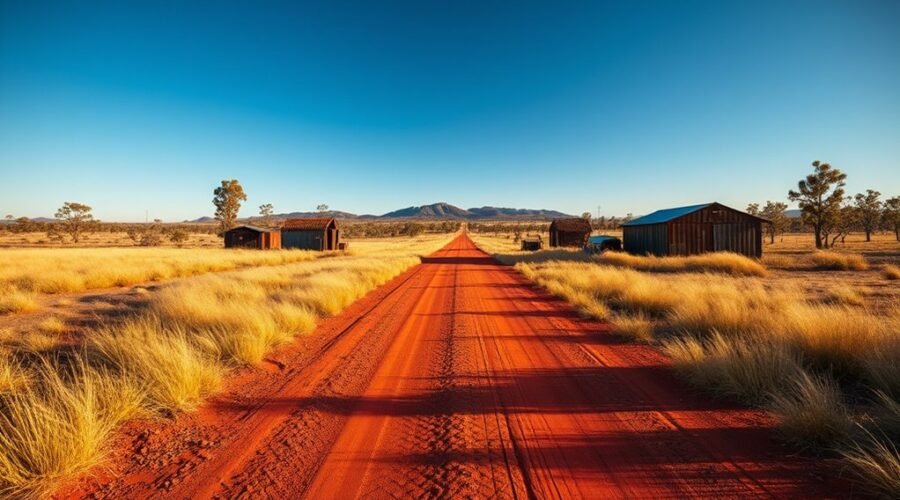
Like a sunlit map unfolding, you’ll find Cobar’s best months sit just either side of summer, when days are warm but not oppressive and prices drop. You’ll want to time hikes, mining tours, and birdwatching for April–May or September–October to dodge crowds, heat and flash floods while still enjoying sealed roads and active wildlife. Keep going to see how weather, events and budgets line up so you can pick the ideal window.
Key Takeaways
- Visit during spring (Aug–Oct) or autumn (Mar–May) for mild temperatures, clear skies, and peak wildlife activity.
- Avoid summer (Dec–Feb) heat above 35°C; plan short outdoor activities, early mornings, and AC-equipped stays.
- Expect wet‑season risks (Feb–Apr): sudden heavy rains, flash floods, and possible unsealed road closures.
- Shoulder seasons bring smaller crowds and better prices than peak summer; book midweek for extra savings.
- Book tours and accommodations months ahead for festivals or mining tours; use flexible bookings and local agencies to lower costs.
Quick Answer: Best Months to Visit Cobar
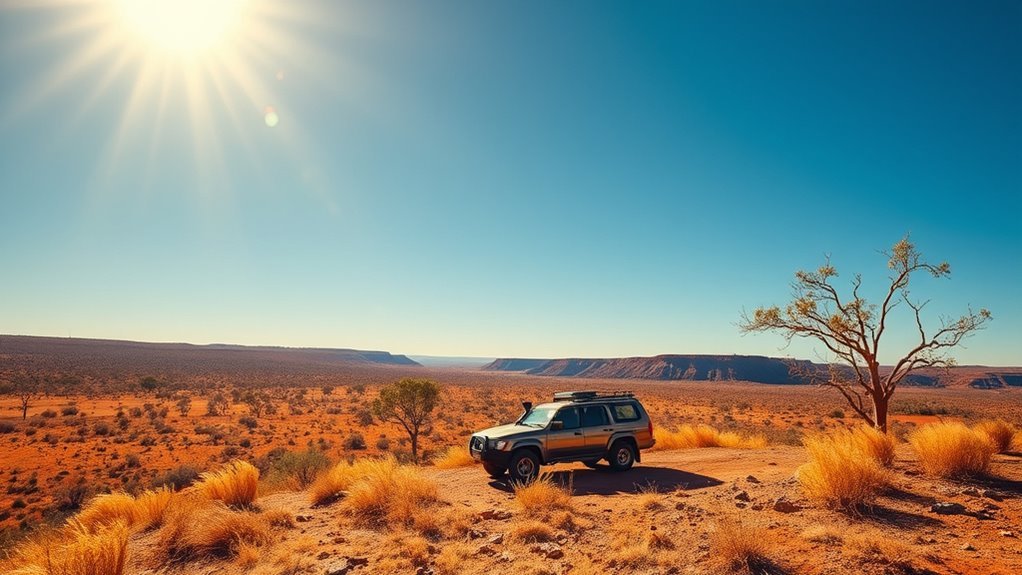
When should you go? Aim for spring and autumn—September to November and March to May—when Cobar breathes easy, temperatures mellow, and days invite exploration.
You’ll find smaller crowds, friendlier prices, and a pace that lets you move freely through mining heritage sites and wide red landscapes.
Go during cultural festivals to feel communal energy; those moments reveal local cuisine, music, and storytelling that reconnect you to place.
Travel in shoulder seasons and you’ll avoid summer’s oppressive heat and winter’s chill while catching clearer skies for stargazing.
Pack layers, plan flexible days, and prioritize outdoor walks at dawn or dusk when the light transforms the ranges.
If you crave liberation from schedules and heat, these months give you space—literal and figurative—to wander, taste, and listen.
Book accommodations ahead for festival weekends, but otherwise enjoy the ease of quieter streets and friendlier service.
When Is Cobar Hottest : And What That Means for Your Trip
Although summers in Cobar peak between December and February, you’ll feel the heat intensify most in January, when daytime highs commonly soar above 35°C (95°F) and occasional heatwaves push temperatures even higher.
You’ll move differently in that furnace—seeking shade, planning short bursts outdoors, and savoring cool refuges.
The arid plain radiates heat off red earth and corrugated tin; even the town’s mining heritage seems to shimmer in the distance.
That intensity shapes what you can do and how you feel.
You’ll time visits to museums or historic cultural history sites for mornings or late afternoons, hydrate deliberately, and wear breathable layers.
Nights stay warm, so plan restful accommodations with fans or air‑con.
If you crave liberation from routine, this raw climate strips distractions: you’ll slow down, notice light on abandoned headframes, and appreciate the stark beauty.
Respect the heat, and it becomes part of the experience rather than an obstacle.
Best Months for Mild Weather and Outdoor Activities in Cobar
If you’re after mild days ideal for exploring, aim for April to May and September to October when temperatures settle comfortably in the low to mid 20s°C.
Those shoulder months bring crisp mornings, warm afternoons, and lower heat stress, so hiking, birdwatching, and heritage walks feel effortless.
Plan activities for early mornings or late afternoons to make the most of the gentle light and cooler air.
Mild Temperature Months
Because Cobar sits inland on the flat, sun-baked plains, its most pleasant months fall in the shoulder seasons—March to May and September to November—when daytime highs hover in the low to mid 20s°C and nights cool enough for comfortable sleep and campfires.
You’ll find a freedom in roaming wide streets, joining local cultural festivals without the summer crush, and savoring regional culinary specialties at relaxed outdoor tables.
Days feel alive but forgiving: you can hike, wander old mining sites, or photograph red earth against open sky without heat fatigue.
Evenings invite conversation, firelight, and clear stargazing.
Pack layered clothing, a light jacket for brisk nights, and a curiosity for small-town rhythms—you’ll leave lighter, recharged, and ready for more.
Best Outdoor Seasons
When you plan outdoor time in Cobar, aim for the shoulder seasons—March to May and September to November—as they deliver the most comfortable mix of mild days, cool nights, and stable weather for hiking, birdwatching, and exploring mining ruins.
You’ll find golden light that frees you from heat and crowds, making every trail and lookout feel yours.
These months let you join cultural festivals without sweating through events, wander dusty streets between shaded verandahs, and book historical tours that reveal hard‑won stories at a relaxed pace.
Bring layers for crisp mornings, a sunhat for strong afternoons, and sturdy boots for station tracks.
Embrace the open landscape then; you’ll move easier, breathe deeper, and claim a more liberated visit.
Rain, Floods, and Travel Risks: Cobar’s Wet Season
From late summer into early autumn Cobar sees its wet season, so you should watch the calendar and local forecasts.
Heavy rains can swell creeks and turn unsealed roads into slick, impassable tracks, creating real travel hazards.
Plan extra time, carry emergency supplies, and be ready to change routes if flooding threatens.
Wet Season Timing
Although the wet season in Cobar is brief, it can be intense, typically peaking between late summer and early autumn (February to April), and you should plan around sudden storms and localized flooding.
You’ll notice skies shift fast: heavy, charged clouds replace blue horizons, and the landscape exhales relief as parched earth drinks.
Rain often arrives in sharp bursts, transforming dusty tracks into slick ribbons and turning creekbeds into roaring arteries.
If you crave freedom to explore, time visits around cultural festivals that celebrate Indigenous heritage and local resilience; organizers sometimes adapt schedules when weather churns.
Pack layered, quick-dry gear, keep flexible plans, and embrace the raw essential of this season while respecting its force.
Flooding Travel Hazards
As the storms that shape Cobar’s wet season arrive in sudden, concentrated bursts, they bring more than dramatic skies—they bring real travel risks you should plan for.
You’ll face flash floods that surge across outback roads, turn low-lying campsites into islands, and sever the thin threads connecting towns.
Move with intention: check local alerts, map evacuation routes before you arrive, and avoid river crossings when water runs high.
Carry emergency supplies, secure belongings, and know whether your accommodation requires flood insurance or offers clear contingency plans.
Floods can trap you or free you—liberation here means choosing safety with courage.
Respect the power of water, adapt your itinerary, and travel with contingency, not complacency.
Peak vs Off-Peak: Crowds, Events, and Road Conditions
When you visit Cobar during peak season, you’ll find the town livelier—more events, extended opening hours, and fuller motel bookings—while off-peak months bring quieter streets, easier parking, and better chances to chat with locals. You’ll catch cultural festivals that pulse through the main street, and you’ll feel freer to roam markets and galleries. At peak, plan transportation logistics early: fuel, shuttle times, and road advice sell out fast. Off-peak, unhurried drives reward you with empty horizons and more flexible itineraries.
| Season | Events & Vibe | Road Conditions |
|---|---|---|
| Peak (summer) | Bustling, festival energy | Busy, some sealed roads crowded |
| Shoulder | Balanced, local fare | Mostly open, fewer services |
| Off-peak (winter) | Sparse, introspective calm | Quiet, occasional unsealed detours |
| After heavy rain | Events may pause | Flood-prone unsealed roads closed |
Trust your instincts: pick peak for connection, off-peak for liberation and open roads under wide skies.
How Accommodation and Tour Prices Vary by Season in Cobar
When you visit Cobar in peak season you’ll notice accommodation and guided tours command higher rates as demand from events and holidaymakers spikes.
In the quieter months prices soften, with clear off-peak discounts on motels, B&Bs, and tour operators ready to be snapped up.
Knowing these patterns lets you choose whether to pay for convenience or save by travelling when prices fall.
Peak Season Rates
Because Cobar draws miners, history buffs, and outback travelers at different times of year, you’ll see clear swings in accommodation and tour prices tied to seasons and local events.
During peak windows—school holidays, mining conferences, cultural festivals and the summer heat—you’ll pay premiums for rooms and guided experiences. Boutique stays and caravan parks rise in cost; culinary tours and heritage walks add booking surcharges.
Rates climb with demand, but you’ll find value in early reservations and flexible dates. Peak-season operators often bundle meals, transport, or exclusive mine-site access, so the higher price can release richer encounters.
If you crave freedom, plan proactively: lock in experiences that feel like liberation rather than letting crowd-driven pricing dictate your adventure.
Off-Peak Discounts
Although summer and festival months push prices up, the quieter seasons open up noticeable savings across Cobar’s accommodations and tours.
You’ll find midweek motel rooms, boutique stays, and farm stays dropping rates by 20–40%, so you can stretch your budget and choose freedom over compromise.
Tour operators trim group sizes and lower fares outside peak times, meaning you can join guided mine walks or culinary tours with more space and personal attention.
Cultural festivals still bring bursts of energy, but booking just before or after them nets the best deals.
Use flexible dates and contact hosts directly to negotiate extras—late check-out, a packed breakfast, or private pickup—and reclaim travel on your own terms.
Budget Tips: When to Book and How to Save
If you plan ahead and stay flexible, you can shave a surprising amount off the cost of a trip to Cobar—flights, car hire, and even accommodation show clear seasonal patterns that you can exploit.
Book several months out for the best fares, set fare alerts, and lock in midweek departures to catch lower prices.
Book months ahead, use fare alerts, and choose midweek departures to score noticeably cheaper flights.
Use staggered bookings: reserve refundable lodging now, switch to cheaper non-refundable rates later, and always compare package deals against DIY combos.
For true freedom, fold budget planning into your itinerary—allocate savings to local experiences rather than luxe hotels.
Rent a car from local agencies outside airport zones to avoid premiums, and consider caravan parks or boutique B&Bs in shoulder seasons for character and savings.
Don’t skimp on travel insurance; pick a policy that covers cancellation and medical evacuation so you travel boldly without risking finances.
Finally, time your spending: eat where locals do, visit free attractions at sunrise, and barter gently at markets to keep costs low while staying liberated.
Packing List by Season for Comfort and Safety in Cobar
Now that you’ve tightened your budget and timing, pack smart to match Cobar’s shifting seasons so you stay comfortable and safe without overspending.
In summer, bring breathable linens, a wide-brim hat, high-SPF sunscreen, sturdy water bottles, and light long sleeves to shield skin during dusty afternoons—respectful of cultural etiquette when visiting heritage sites.
Winters call for layered wool, a warm jacket, thermals, and closed shoes for chilly dawns.
Spring and autumn need versatile pieces: a fleece, sun protection, and a compact rain shell for sudden showers.
No matter the season, include a first-aid kit, insect repellent, and reliable footwear for uneven mining-era paths.
Pack a reusable bag for market visits and try local cuisine confidently—carry small cash and a respectful attitude toward hosts.
Travel light but intentional: each item should free you to wander, connect, and stay safe while honoring community norms and savoring the region.
Best Months for Wildlife, Local Events, and Mining Tours
When you time your trip between late winter and mid-spring (August–October), you’ll catch the best window for wildlife activity, lively local events, and accessible mining tours.
You’ll find mornings alive with birdsong and kangaroos edging out of scrub — ideal for wildlife spotting with a local guide who knows hiding places and habits. Days warm without summer’s glare, so you can wander saltbush flats and old station tracks with ease.
Communities loosen up then: markets, heritage open days, and small festivals celebrate mining history and local craft, giving you intimate chances to connect and move freely among locals.
Mining tours run more often and with safer conditions; you’ll go underground or explore open pits with knowledgeable operators who respect both history and environment.
This season frees you to witness Cobar’s landscape and culture in motion, balancing quiet nature encounters with vibrant, grounded experiences.
Sample Itineraries for Summer, Autumn, Winter, and Spring
While each season in Cobar brings its own rhythm and palette, these concise itineraries will help you make the most of whatever time you’ve got—whether you’ve carved out a long weekend or a full week.
Summer: rise early to chase dawn light over open mine vistas, cool off at a shaded picnic by the river, join evening cultural festivals for music and open-air markets, and sleep under a wide, liberating sky.
Rise at dawn for mine vistas, picnic by the river, enjoy evening festivals and sleep beneath a vast, open sky
Autumn: drive quieter backroads, hike red-dusted trails, visit museums, and savor culinary tours that showcase local produce; evenings bring crisp air and peaceful stargazing.
Winter: wrap up for sunrise mine tours, explore heritage buildings without crowds, warm up in cozy cafes, and attend small indoor events.
Spring: witness wildflowers along the highway, book guided wildlife and mining experiences, join outdoor cultural festivals, and taste seasonal fare on culinary tours.
Each plan frees you to explore at your own pace, mixing history, food, and wide landscapes.
Frequently Asked Questions
Are There Medical Facilities or Emergency Services in Cobar?
Yes — you’ll find a local hospital proximity within town and reliable emergency response services; you’ll access urgent care, ambulance crews, and community health support, empowering your independence while knowing skilled medical help is available when needed.
Is Public Transportation Available Within and To/From Cobar?
Like a welcome mat at the door, you’ll find limited public routes within Cobar and coach links to larger towns; ticket prices are modest, and you’ll feel empowered to roam freely, forging your own path.
Are Pets Allowed at Local Accommodations and Tours?
Yes — you’ll find pet friendly lodging in Cobar, though policies vary; check pet policies tours and accommodation rules, pack supplies, and expect restrictions, fees, or size limits so your liberated companion travels comfortably and confidently with you.
What Are the Food and Grocery Options in Cobar?
You’ll find basic supermarkets, lively local markets for fresh produce, and cozy specialty eateries serving bold, comforting dishes; you’ll shop and dine freely, discovering flavors that fuel your independence and adventurous spirit in Cobar.
Is Mobile Phone and Internet Coverage Reliable in Cobar?
Yes — you’ll generally get decent mobile coverage and internet reliability in Cobar; like finding a telegram in a smartphone era, you’ll stay connected for calls and basic browsing, though speeds can lag and remote spots may drop out.
Conclusion
Choose the calmer shoulder seasons—April–May or September–October—for pleasant, predictable days and fewer people; you’ll enjoy mild sun, manageable roads, and more reasonable rates. Pack layers, plan mining tours and wildlife walks for golden light, and avoid the scorching, sweltering summer spike and wet-season worries. Savvy scheduling saves stress: secure accommodation early, scout sealed routes, and savor Cobar’s rustic rhythms, rich history, and rewarding rural respite without the crowds or cost chaos.

[…] Cobar, New South Wales […]