


If you’re planning a trip to Crescent Head, aim for late autumn (May–June) or early spring (September) when the weather cools to the low‑20s °C, showers ease and the famous right‑handers peel cleanly with smaller crowds. Weekday mornings and late afternoons stay quiet even in school breaks, prices drop from summer peaks, and you’ll score beachfront cottages and cheaper rentals—pack reef shoes and a light waterproof—there’s more to pick depending on whether you want surf, calm swims or budget deals.
Key Takeaways
- Best surf and longest right‑hand waves: late spring to early autumn (Oct–Apr), with strongest NE swells and offshore breezes.
- Warmest, calmest water and glassy waist‑deep conditions: late summer to early autumn (Feb–Apr).
- Lowest crowds and cheaper accommodation: shoulder seasons (May–Jun, Sep), with mid‑week discounts and quieter cafés.
- Peak energy, busiest crowds and highest prices: December–January, plus school holidays and festival weekends.
- Rain and colder fronts likely May–Aug; bring layers, light waterproofs, and check tide timing for safe surf sessions.
When to Visit Crescent Head : Quick Guide by Priority
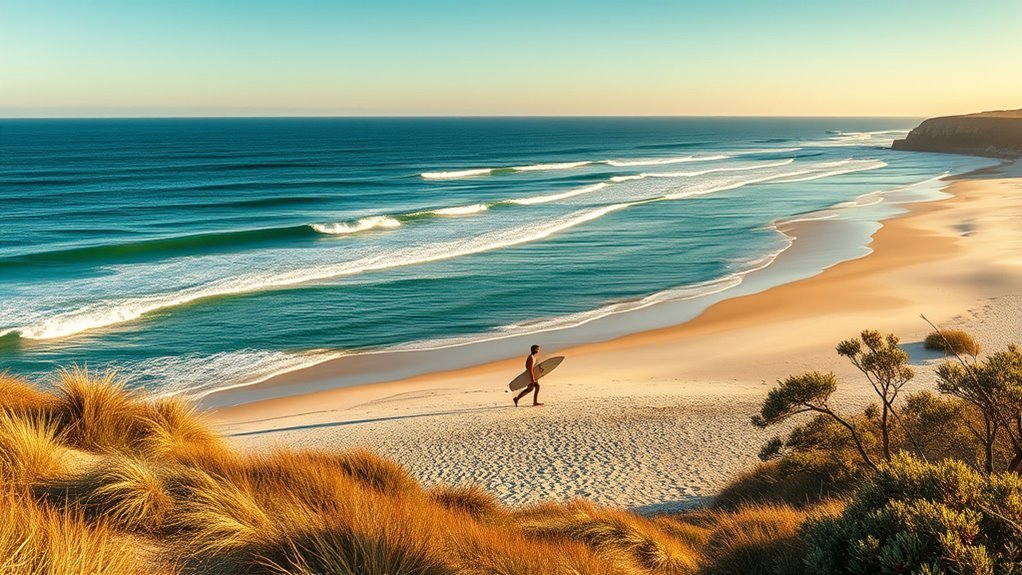
If you want the best surf and warm, sunny days, plan for late spring through early autumn (October–April), when northeast swells and gentle offshore breezes deliver long, peelable right-hand waves at the Head.
For priority: surf first — time your trip for consistent swell and lighter winds; book accommodation early in peak months to avoid full houses.
Second, chase freedom from crowds by visiting shoulder seasons (September or May) when waves stay good but parking and cafes are quieter.
Third, balance cost — winter brings cheaper stays and crisp, clear days if you don’t mind colder water.
Fourth, plug into local cultural highlights and local festivals: aim for weekends when community markets, live music, and surf events energize the town so you can connect, celebrate, and support locals.
Practical tip: bring layered clothing, a spare fin, and a reusable water bottle. You’ll leave lighter, with salt on your skin and a map of small, beloved places you’ll return to.
Best Months for Surfing : Swells, Wind & Tides
When you time your trip for October through April, Crescent Head rewards you with the most consistent northeast swells, long peeling right-handers and generally lighter offshore breezes that make for long, fast rides. You’ll feel liberated carving those long walls at dawn, watching swell lines roll cleanly into the point. Local insight: aim for mid-tide windows—too low and the takeoff’s hollow; too high and the rides close out. Check tide forecasting and swell reports daily, and plan around Surfing festivals if you want lively lineups and evening community vibes.
| Month Range | Likely Swell | Wind/Tide Tip |
|---|---|---|
| Oct–Dec | Increasing NE swells | Morning offshore; mid to incoming tide best |
| Jan–Mar | Peak consistency | Avoid strong onshores after storms |
| Apr | Clean leftover swells | Smaller windows; watch tides |
Practical tip: rent a longer board for freedom on the long rights, respect locals, and time sessions with tides for maximum, unfettered rides.
Warm Swimming & Calm Seas : Best Months
If you’re after warm water and glassy mornings, aim for late summer into early autumn when the sea holds its highest temperatures.
You’ll often find calm offshore breezes then, so swimming and floating feel effortless and safe.
Plan your peak window around February to April for the best mix of warmth and settled conditions.
Warmest Sea Months
Looking for the warmest water for swimming at Crescent Head? You’ll find it from late December through March, when sea temperature trends push into the low to mid-20s°C and the ocean feels inviting.
Embrace sunrise dips and long, freeing swims; locals time outings around tide patterns that bring warmer, gentler water at high tide.
Pack reef shoes for rocky points and a lightweight rash vest for windy afternoons—sun warms the skin but currents can still pull.
Watch local forecasts and chat with surfers to learn daily shifts; they’ll tell you which beaches hold heat and which get chilled by southerly pulses.
Swim confidently during these months, enjoy liberated mornings, and respect the ocean’s changing moods.
Calm Offshore Conditions
Want glassy, waist-deep water and easy paddle-outs? You’ll find it most often in late summer and early autumn when gentle offshore breezes sweep the bay, smoothing the surface into a mirror you can walk into.
Aim for mornings when the wind’s light and consistent; locals watch the swell charts and plan sessions around tide timing to keep rip currents at bay.
Bring a light rashie for warm but sun-drenched swims and a compact board if you want to glide past the point.
Walk the headland at dawn to spot the calmest pockets, then slip in quietly—freedom tastes salt-sweet here.
Respect local flags, time your entry with outgoing tide lulls, and savor those liberated, glassy moments.
Peak Swimming Window
When late summer rolls into early autumn, you’ll find the warmest, calmest water for swimming—think February through April—because lingering summer heat keeps sea temps pleasant and offshore breezes settle the swell.
You’ll slip into glassy bays at dawn, taste salt and freedom, and follow local rhythms: check tide timing to pick low-tide sandbars or sheltered coves where rips ease.
Swim where lifesavers patrol and scan conditions; beach safety isn’t optional—wave flags and local advice save days and limbs.
Bring a lightweight wetsuit for cooler mornings, reef shoes for hidden rock, and swim with a mate so you’re never isolated.
Embrace late‑summer lull: fewer crowds, warm water, and the simple joy of open ocean liberation.
Peak vs Shoulder Season : Crowds, Weather & Prices
Although Crescent Head swells with surfers and holidaymakers over the December–January peak, you’ll still find quieter corners if you time your days right; mornings and late afternoons on the main beach are best for spotting longboard lineups without the busiest crowds.
In peak season you’ll feel electric energy—salt spray, packed cafés, and local cultural trends on display—plus vibrant local festivals that pulse through town. Prices climb: accommodation and tours book fast, so lock in early or hunt last‑minute cancellations if you crave spontaneity.
In shoulder seasons (autumn, spring) you’ll enjoy gentler crowds, steadier swell and cooler air that invites long walks and late‑night stargazing. Rates drop, hosts relax rules, and you can negotiate extras like late checkout.
Bring a lightweight wetsuit for crisp mornings, check surf reports, and aim weekdays for ultimate freedom. Whether you want communal buzz or solitary horizons, plan around swell forecasts and festival dates to shape the trip you deserve.
School Holidays, Long Weekends & Crowd Hotspots
If you visit during school holidays or long weekends, expect Crescent Head to feel lively and crowded—families, surf schools, and holidaymakers flood the point, filling parking, picnic spots, and the village strip by mid-morning.
You’ll hear laughter, boards clattering, and baristas racing to keep up; the headland packs with people chasing waves and sunsets.
Local festivals and cultural events amplify the buzz—markets, outdoor gigs, and surf comps pull crowds into the main carparks and cafés.
Plan like someone claiming freedom: aim for dawn sessions when waves and paths are yours, or late afternoons when the swell eases and day‑trippers thin out.
Park a short walk from the village and carry a portable chair; picnic spots fill fast.
If you want quieter tides, pick weekdays in shoulder season or book accommodation with secure parking.
Watch event calendars so you can join a festival or slip away from it—either way, you’ll control your experience, not the crowds.
Weather by Month : Rain, Storms, and Heat Risks
Expect shifting monthly rainfall here—wet, wind-swept winters and drier, sunnier summers—so check monthly totals before you book.
Be aware that summer brings higher heat and occasional east‑coast storms that can sprout fast and knock out a beach day.
Pack a light rain jacket, sunscreen, and a flexible itinerary so you can move plans around when a nor’easter or heat spike shows up.
Monthly Rainfall Patterns
When you plan a trip to Crescent Head, remember the rain comes in a clear seasonal rhythm: heaviest from late autumn into winter (May–August) with frequent cold fronts and occasional storm bursts, while summers (December–February) bring mostly brief, energetic showers that clear quickly and leave the surf glassy.
You’ll watch monthly rainfall patterns shift: autumn spikes and winter persistence contrast with drier spring months, creating noticeable rainfall trends you can exploit.
Precipitation variability means a wet week can follow a dry month, so pack a light waterproof and flexible plans.
Locals chase dawn swells after quick summer storms and avoid exposed headlands in persistent winter rain.
Embrace the changeable weather — it frees you to surf, hike, or shelter in cozy cafés when clouds roll through.
Heat And Storm Risks
Although summer days can bake the sand and push daytime temperatures into the high 20s and low 30s Celsius, you’ll often get relief from quick coastal breezes and late-afternoon sea breezes that tame the heat—yet those same warm months can spawn short, intense storms that arrive with little warning.
You’ll feel heatwaves roll in, then a wild thunderfront during the stormstorm season — perfect for shedding routines and embracing unpredictability.
Pack light layers, a waterproof shell, and sunscreen.
Envision this:
- A blistering noon that glows like molten gold on the headland.
- Sea breezes slicing the heat into manageable slivers.
- Dark clouds building fast, lightning sketching the sky.
- A brisk, cleansing downpour that resets the air.
Trust local forecasts and stay flexible.
Accommodation & Travel Costs by Season
Because Crescent Head swells with surfers and holidaymakers in summer, you’ll find prices spike and the best beachfront places booked months ahead, so plan and lock in lodging early.
Peak-season rates for cottages and surf shacks climb fast; local hosts know demand and charge accordingly.
Shoulder seasons mellow the market—you’ll spot quieter inns, budget market trends shifting toward midweek discounts, and budget friendly lodging options like hostels or basic units opening up.
Off-peak, you can breathe: ferries, flights, and rental cars offer lower fares, and beachfront caravan parks feel almost private.
Think like a liberated traveler—choose smaller stays, barter for extras, or swap dates to stretch your budget without sacrificing vibe.
For travel costs, expect weekends to cost more; longer stays lower nightly averages.
Use local booking sites and call owners directly for the best deals and honest advice about hidden fees, deposit rules, and key pickup so your trip stays free and unfettered.
When to Save: Cheapest Months & Booking Tips
You’ve already seen how timing affects prices around Crescent Head—now let’s look at the months that actually save you money.
You’ll find the sharpest budget pricing in late autumn (May–June) and early spring (September), when surf is quieter and town life breathes.
Mid-winter can also offer deals if you don’t mind cooler dawns and empty beaches.
Picture savings like surf breaks:
- May: quiet streets, lower rates, crisp mornings that demand a sweater.
- June: deep discounts, slow cafes, waves for those who chase solitude.
- September: blossoms, bargain stays, a sense of renewal.
- August: last of the winter bargains before springtime visitors arrive.
Book 6–8 weeks ahead for cottages; lock in refundable rates if local festivals pop up.
Use weekday check-ins, bundle ferry or car hire, and ask hosts about off-peak cleaning schedules.
You’ll travel lighter financially and feel freer on arrival.
Wildlife, Fishing & Coastal Walks : Best Times
When the tides cooperate and the light hits the headland just right, you’ll spot whales spouting offshore, pelicans hovering over bait schools, and kingfishers flicking like flashes along the rock edges—spring (September–November) and autumn (March–May) are prime for this bustle of life.
Head out at dawn for calmer seas and clearer sightings; join local anglers at the point for tips on seasonal runs of tailor and kingfish, and respect bag limits so these freedoms last.
For bird migration, bring binoculars and a field guide—migratory waders and terns pass through in bursts, and quiet patience rewards you with rare views.
Tidepool photography sings at low tide: aim for soft morning light, a polariser, and a steady hand to catch anemones, starfish, and tiny fish without disturbing them.
Walk the coast tracks between swims; they’re short, raw, and liberating, offering hidden coves where you can breathe, observe, and leave only footprints.
Choose Dates by Activity : Surfers, Families, Couples, Budgets
If you’re chasing perfect waves, plan for the peak surfing season when the long right-hand point lights up and locals are out early with salt-stiff hair.
For families, sync your trip with school holidays for easy schedules and lifeguarded mornings, but expect higher prices and crowded cafes.
Want quieter beaches and better deals? Visit off-season for empty sand, mellow surf, and noticeable savings on accommodation.
Peak Surfing Season
Because Crescent Head’s long, peeling right-hander comes alive with consistent swell from late autumn through spring, plan your trip between April and October for the best surf—especially May to August when groundswell and offshore winds line up most days.
You’ll chase clean walls at dawn, taste salt and freedom, and rely on local tide forecasts to score hollow sections.
Rent gear locally—surfboard rentals are plentiful—so you can travel light and stay nimble.
- Dawn sets: glassy, empty lineup, golden light.
- Midday: playful rights, practice maneuvers, friendly locals.
- Late arvo: shifting winds, mellow rides, long views.
- Night: bonfire glow, salt-stiff hair, plans for tomorrow.
Pack wax, respect locals, and ride liberated lines.
School Holiday Timing
Although school holidays swell the town with families and surfers chasing swell windows, you can pick dates that match what you want out of Crescent Head—quiet dawn lines, kid-friendly beaches, romantic sunsets, or a budget-friendly stay.
Aim for weekdays during local school holidays if you’re a surfer chasing consistent breaks; many regulars leave town on weekdays, and you’ll score cleaner lineups before weekend crowd spikes.
Families should book the first week of holidays to nab friendly holiday programs, shallow tides and playground sunsets.
Couples wanting solitude avoid school holiday peaks entirely, choosing mid-term weeks or late autumn for golden light and almost-empty headlands.
Watch the calendar, book early, and let the town’s rhythm free you to choose your perfect pace.
Off-Season Savings
After picking dates that match your vibe during school holidays, you can save money and still get what you want by timing an off-season visit around activity-specific rhythms.
You’ll find quieter shores, cheaper stays, and local life that feels like a gift.
Match dates to your goal:
- Surfers: chase consistent swells in autumn, when fewer crowds mean freer lines and discounted lessons.
- Families: visit early spring for gentle waves, cheaper family cabins, and safe swimming without the peak rush.
- Couples: pick late winter for foggy walks, cozy cottages, and intimate sunsets away from tourists.
- Budgets: aim for weekdays during festival off-weeks—skip big Cultural festivals, but explore Local markets for cheap, vibrant food and crafts.
Plan with local calendars and book flexible rates.
Frequently Asked Questions
Are There COVID-19 Travel Restrictions for Crescent Head?
No—there aren’t local Covid restrictions now, but you should check national Travel advisories and state Covid restrictions before leaving. Stay flexible, pack masks, verify testing and entry rules, and embrace freedom with cautious, informed choices.
What Medical Facilities Are Available Nearby?
You’ll find a small emergency clinic in Kempsey for urgent care, plus local pharmacy services in Crescent Head for meds and advice; pack basic first-aid, know opening hours, and call ahead to speed treatment and freedom.
Is Public Transport Available to Crescent Head?
Imagine a traveler catching the midday bus from Kempsey; you can reach Crescent Head via regional public buses and limited coaches. Use Transport options like bus routes, check Ticket pricing online, and pick flexible fares for freedom.
Are Pets Allowed on Local Beaches and Accommodations?
Yes — you’ll find some pet friendly beaches and pet-friendly accommodation policies, but rules vary by spot; check signs, local info, leash laws, and owner fees so you can roam freely yet respect wildlife and neighbors’ peace.
Do Shops and Restaurants Accept Cards or Only Cash?
You can mostly pay by card at shops and restaurants, though some small stalls prefer cash — carry both. Ask about card payment options and possible transaction fees; locals tip generously and favor easy, liberated spending.
Conclusion
Head to Crescent Head in late autumn or early spring and you’ll find mellow swell, milder temps and lighter crowds—perfect if you’re chasing that clean right-hander or a relaxed beach stroll. Book 6–8 weeks out, pack reef shoes and a light waterproof, and pick weekday mornings for solitude. Prices fall outside summer, ferry and rental deals pop up, and even a short stay feels like catching the coast’s quiet heartbeat—bring curiosity, not crowds.



[…] Crescent Head, New South Wales […]
[…] Crescent Head, New South Wales […]