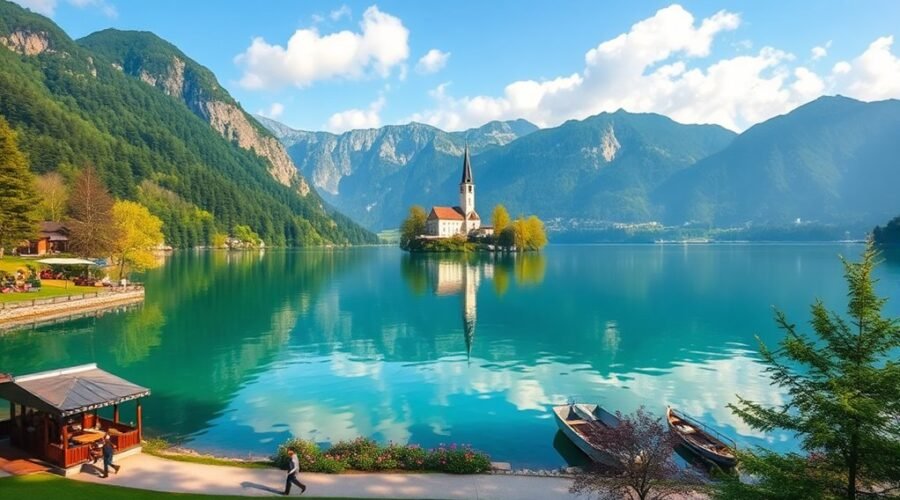
Choosing the best time to visit Slovenia depends on what you want from your trip. Summer brings warm lakes and accessible Alpine trails, while spring and autumn offer quieter towns, colorful scenery, and more room to explore. Winter adds skiing, festive markets, and snow-covered mountain views. The right month can change your weather, budget, and overall experience.
Quick Answer
For most travelers, June and September are the best months to visit Slovenia. Both offer pleasant weather and generally smaller crowds than July and August. Choose July or August for lake swimming and high-altitude hiking, September or October for autumn scenery and vineyards, and December through February for winter activities.
Also compare: Chicago · Silifke, Mersin.
Last checked: November 15, 2026. Dates and figures were verified against official sources.
Key Takeaways
- Spring is excellent for waterfalls, wildflowers, cycling, and sightseeing, but high mountain trails may still hold deep snow.
- July and August are the busiest months, especially around Lake Bled, the Adriatic coast, and popular mountain destinations.
- September combines comfortable sightseeing weather with wine harvests and opportunities for Alpine hiking.
- October offers impressive autumn colors, although cooler temperatures and rain become more common.
- Winter is often quieter in cities, but Christmas festivities and popular ski resorts can still attract crowds and higher prices.
Slovenia’s Four Seasons: What the Weather Actually Looks Like
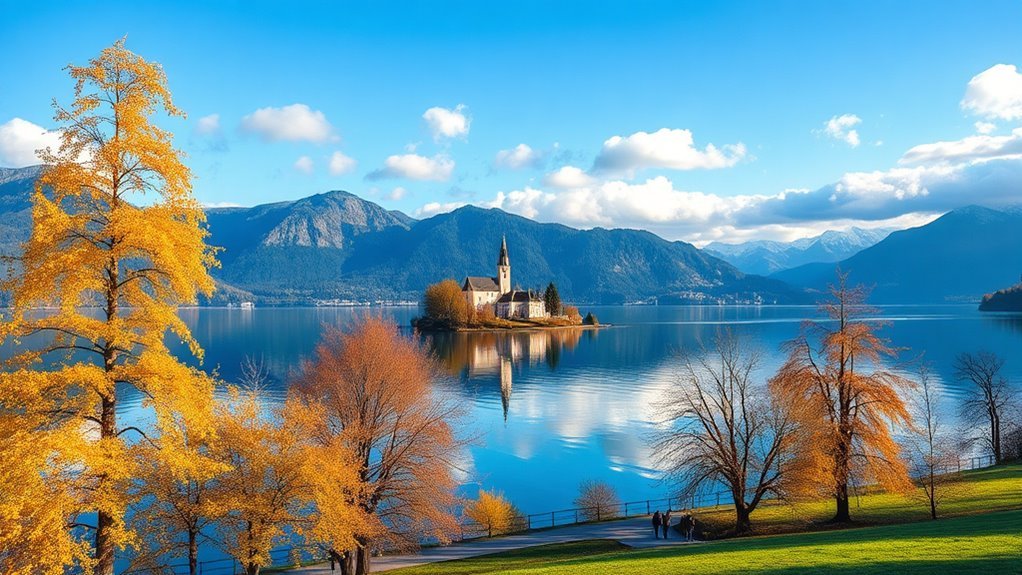
Slovenia has four distinct seasons, but its weather varies greatly by region. The Julian Alps experience cold, snowy winters, while coastal Piran enjoys a milder Mediterranean climate. Ljubljana and eastern Slovenia have more continental conditions, with warm summers and colder winters.
This means you could experience sunshine on the Adriatic coast while snow remains on the mountain trails. Knowing these differences helps you choose the right destination within Slovenia.
The following seasonal temperature ranges use approximate average daytime highs for Ljubljana. They are based on the 1991–2020 Ljubljana Bežigrad climate chart published in the City of Ljubljana’s energy and climate assessment, using Slovenian Environment Agency data. Mountain areas are colder, while coastal areas are often warmer.
| Season | Ljubljana Average Highs | Best Experiences | Crowd Levels |
|---|---|---|---|
| Spring: March–May | 12–22°C (54–72°F) | Waterfalls, wildflowers, cycling, cities | Low to moderate |
| Summer: June–August | 26–28°C (79–82°F) | Lake swimming, Alpine hiking, festivals, coast | High in July–August |
| Autumn: September–November | 10–22°C (50–72°F) | Vineyards, photography, hiking, harvest festivals | Moderate to low |
| Winter: December–February | 4–7°C (39–45°F) | Skiing, thermal spas, festive markets | Low outside holiday and ski peaks |
Spring brings fresh greenery, snowmelt-fed waterfalls, and wildflower meadows. Summer offers the warmest swimming conditions, outdoor concerts, and the most accessible high mountain routes.
Autumn changes the Julian Alps and surrounding forests into shades of gold, orange, and red. Winter brings skiing in resorts such as Kranjska Gora and a festive atmosphere in Ljubljana.
For a first visit covering several regions, June or September is usually the strongest choice. You can enjoy city sightseeing, lakes, and outdoor activities without planning every day around peak summer crowds.
Spring in Slovenia: Mild Temperatures, Smaller Crowds, Lower Prices
Spring, from March through May, is one of Slovenia’s most rewarding seasons for sightseeing and lower-altitude outdoor activities. Parks and valleys turn green, waterfalls grow stronger with snowmelt, and most major attractions are less crowded than in midsummer.
April and May are particularly appealing if you prefer comfortable walking weather. You can visit Lake Bled, explore Ljubljana, and enjoy the Soča Valley without relying on peak summer conditions.
Spring Weather Overview
Spring weather changes quickly as Slovenia moves from late winter into warmer months. Ljubljana’s average daytime highs rise from about 12°C (54°F) in March to 17°C (63°F) in April and 22°C (72°F) in May.
Afternoon showers are common. A light waterproof jacket, comfortable shoes, and layers will help you handle cool mornings and warmer afternoons.
In the Julian Alps, melting snow feeds impressive waterfalls and rivers. However, higher mountain trails may remain snow-covered well into June.
Lower walks around Lake Bled, accessible valleys in Triglav National Park, and cycling routes are often better spring choices than challenging Alpine summits.
One seasonal highlight is Bohinj’s International Wild Flower Festival. Its 2026 edition ran from May 22 to June 7, with guided botanical walks, exhibitions, workshops, and local food events.
The festival takes place around Bohinj and celebrates the area’s rich plant life. It offers a more structured way to enjoy spring nature than simply hoping to find flowers on a random trail.
Crowd Levels in Spring
Spring usually brings fewer visitors than July and August. That can make Lake Bled’s shoreline, Postojna Cave, and the historic streets of Ljubljana more pleasant to explore.
You will generally have more flexibility when choosing accommodation, arranging local tours, and photographing popular viewpoints.
May can still attract visitors during weekends and holidays. Slovenia observes Labour Day on May 1 and 2, and holiday periods can increase demand around lakes and other popular destinations.
Check the official Slovenian public holiday calendar when planning a trip around late April or early May.
Wildlife becomes more active as winter ends, making spring a rewarding time for nature lovers. Keep your distance from animals and stay on marked routes.
Scenic drives through the Soča Valley and Logar Valley are also attractive during spring, especially when the surrounding mountains still carry snow.
Spring Travel Costs
Spring can provide better accommodation value than the busiest summer weeks. Hotels, guesthouses, and apartments often have more availability before July and August demand rises.
Prices still depend on your destination, the holiday calendar, and how far ahead you book.
To keep your spring travel budget under control:
- Book accommodations early when traveling during school holidays or long weekends.
- Compare midweek stays with weekend prices in Lake Bled and Ljubljana.
- Consider family-run guesthouses and apartments outside the busiest lakeside areas.
- Try local gostilna restaurants and daily lunch menus instead of relying only on tourist-area dining.
Spring is especially suitable if you value walking, photography, local food, and relaxed sightseeing more than swimming or high-altitude mountaineering.
Summer in Slovenia: Why Peak Season Is Both Worth It and Exhausting
Summer, from June through August, offers Slovenia’s warmest weather and widest range of outdoor activities. Lake swimming, kayaking, rafting, mountain hiking, coastal trips, and outdoor festivals all become major attractions.
However, July and August are also the busiest months. Popular destinations experience greater demand for accommodation, parking, restaurants, and guided activities.
The Statistical Office of Slovenia recorded 3,537,213 tourist overnight stays in August 2026, the country’s highest monthly total reported up to that point. This illustrates why summer travel requires more advance planning.
| Experience | What to Expect |
|---|---|
| Lake Bled in July | Beautiful swimming and boating conditions, but popular areas can feel crowded by 9 AM |
| Summer festivals | Lively music, outdoor performances, cultural events, and busy city centers |
| Triglav hiking trails | Better high-altitude access, impressive views, and heavy foot traffic on popular routes |
June is often the best summer compromise. The days are long, the countryside is green, and many outdoor activities are operating before the main holiday rush.
July and August offer the best opportunities for swimming in Lake Bled and Lake Bohinj. The Adriatic coast around Piran, Izola, and Portorož is also attractive during these warmer months.
Summer is an important cultural season, too. The 2026 Ljubljana Festival ran from June 21 to September 8, featuring concerts, opera, ballet, and other performances at venues across the capital.
Outdoor events and public spaces give Ljubljana a lively atmosphere. Some street performances and open-air activities are free, while major concerts and theater performances may require tickets.
Summer also has one major drawback for mountain travelers: afternoon thunderstorms can develop quickly. Hot weather in Ljubljana does not guarantee safe conditions at high elevation.
For a more comfortable summer visit, reserve accommodation and popular guided activities ahead of time. Explore busy attractions early in the morning, and leave room in your schedule for weather changes.
If swimming, mountain adventures, and summer events are your priorities, the larger crowds may be a worthwhile trade-off.
Why Autumn Is One of the Best Times to Visit Slovenia
Autumn is especially appealing for travelers who prefer cooler weather, colorful scenery, vineyards, and fewer crowds. September offers many of summer’s outdoor advantages, while October is better suited to fall photography and relaxed sightseeing.
The season runs from September through November, but conditions change significantly across those three months.
September is ideal for combining Lake Bled, Ljubljana, and hiking. The days are generally milder than midsummer, and many popular attractions become less crowded.
October is particularly rewarding for fall foliage. Forests around the Julian Alps, Lake Bled, and the Soča Valley change color, creating striking scenery.
November is quieter and often wetter, with shorter days and cooler temperatures. It is better for food, wine, museums, and city breaks than ambitious mountain hiking.
Wine regions such as Brda and Štajerska become important autumn destinations. Harvest activities, winery visits, and local food traditions give you another reason to travel beyond Ljubljana and Lake Bled.
For example, the St. Martin’s Festival in Šmartno was scheduled for November 7–8, 2026. It celebrates local wine, food, and regional traditions in the Brda Hills.
Autumn offers several memorable experiences:
- Lake Bled: Visit in October for golden trees, misty mornings, and fewer tourists.
- Soča Valley: Photograph emerald water against changing forest colors.
- Brda vineyards: Enjoy wine tastings and countryside scenery during harvest season.
- Ljubljana: Browse markets, cafés, and cultural attractions at a slower pace.
- Lower Alpine trails: Enjoy cooler walking weather before winter conditions arrive.
Pack warm layers because mornings and evenings can become chilly, especially in mountain valleys.
September is often the best autumn month for an active trip. October is stronger for photography and fall scenery. November suits travelers who prefer peaceful city visits and food-focused experiences.
Is Winter in Slovenia Worth Visiting?
Winter is worth visiting Slovenia for if you enjoy skiing, festive cities, thermal spas, and peaceful landscapes. December through February offers a different experience from the country’s busy summer season.
Mountain resorts attract winter sports visitors, while Ljubljana, historic towns, and lower valleys often become quieter outside the Christmas and New Year period.
Winter Weather in Slovenia
Winter temperatures depend heavily on elevation. Ljubljana’s average daytime highs are around 4°C (39°F) in December and January and 7°C (45°F) in February.
Nighttime temperatures frequently fall below freezing, and Alpine areas can be much colder.
Snow is common in the mountains during winter, but it is not guaranteed in Ljubljana or around Lake Bled. The lake may develop ice during severe cold spells, although a frozen surface is not a reliable feature of every winter.
Winter conditions create several appealing experiences:
- Kranjska Gora and Krvavec offer downhill skiing and other winter sports when snow conditions permit.
- Lake Bled provides atmospheric mountain views, especially after fresh snowfall.
- Ljubljana’s holiday lights and markets bring seasonal energy to the historic center.
- Triglav National Park offers winter scenery and snowshoeing opportunities on suitable routes.
Dress in warm layers, insulated footwear, gloves, and a waterproof outer layer. Mountain conditions can be much more severe than temperatures in the capital suggest.
Fewer Crowds, Lower Costs
Winter can be a budget-friendly time to visit Slovenia, especially if you focus on Ljubljana, cultural attractions, and quieter towns.
However, low-season pricing does not apply everywhere. Ski resorts can be expensive during weekends, school holidays, and periods with good snow conditions.
The following figures are illustrative estimates carried over from the original guide, not verified national accommodation or museum averages. Actual rates and discounts vary by location, date, and provider.
| Category | Peak Season Cost | Winter Cost |
|---|---|---|
| Hotel/Night | €120–€180 | €50–€90 |
| Museum Entry | Full price | 20–30% off at participating venues, where offered |
| Guided Tours | Popular dates may sell out | Often easier to arrange outside holiday periods |
Winter savings are most likely when traveling outside Christmas, New Year, and busy skiing periods.
Choose guesthouses or apartments, compare destinations, and use regional buses when practical. These choices can reduce costs without limiting your sightseeing options.
Top Winter Activities Available
Slovenia offers much more than downhill skiing during winter. Thermal spas, historical towns, festive celebrations, and mountain scenery make it a varied cold-weather destination.
Some of the best winter activities include:
- Skiing: Spend a day on the slopes at Kranjska Gora or Krvavec.
- Snowshoeing: Explore suitable marked winter routes with proper equipment and local guidance.
- Thermal spas: Relax at established wellness resorts such as Terme Olimia.
- Holiday markets: Enjoy festive food, decorations, music, and seasonal events in Ljubljana.
- Winter photography: Photograph snow-covered villages, mountain valleys, and Lake Bled.
Ljubljana’s Festive December program for 2026–2027 is scheduled from November 27, 2026, through January 14, 2027.
The program includes Christmas market stalls, festive lighting, cultural activities, and free entertainment in the old town.
Winter also offers traditional carnival celebrations, including Kurentovanje in Ptuj during the pre-Lenten season.
For a first winter trip, combine a few days in Ljubljana with a mountain destination or thermal spa. This gives you winter scenery without depending entirely on ski conditions.
The Cheapest Months to Visit Slovenia on a Budget
November, January, and February can be among the cheapest months to visit Slovenia outside major holiday periods and popular ski destinations. Demand is often lower, giving budget travelers more accommodation choices.
However, the cheapest month depends on where you stay. A city hotel in January may be affordable, while a mountain resort during a busy ski weekend can cost much more.
The original guide estimates that some Ljubljana hostels may cost 30–40% less than their peak summer rates. This is a planning estimate rather than a verified market-wide discount, and individual properties may differ considerably.
November is attractive if you want city sightseeing, museums, local food, and late-autumn atmosphere. You may still see colorful leaves early in the month, although rain and fog become more common.
January and February work well for cultural trips, thermal spas, and winter sports. They are not automatically the cheapest months for skiing.
Several activities can help keep your trip affordable:
- Walk around Lake Bled and enjoy its public viewpoints without paying for a guided tour.
- Explore Ljubljana’s historic streets, bridges, and riverside areas on foot.
- Visit outdoor markets and public parks.
- Choose local restaurants with lunch specials.
- Use public transport where connections match your itinerary.
Paid experiences include many cave tours, museum visits, castle admissions, organized activities, and some transport services.
One particularly useful year-round option is Postojna Cave. It operates throughout the year, including public holidays. The standard tour takes about 90 minutes, and the cave remains near 10°C (50°F) regardless of the season.
This makes it a practical attraction during hot summers, rainy autumn days, and cold winter weather.
Pro Tip: If you want lower prices without giving up comfortable sightseeing weather, consider late April, May outside holiday weekends, or October. These periods can offer a useful balance between accommodation availability and outdoor conditions.
When Does Lake Bled Get Too Crowded to Enjoy?
Lake Bled is generally busiest during July and August, especially on sunny weekends and around popular viewpoints. The lake remains beautiful, but crowds can reduce the peaceful atmosphere many visitors expect.
Busy periods may bring queues for boats, limited parking, crowded walking paths, and longer waits at restaurants.
If you visit during peak summer, arrive before 7 AM for quieter lakeside views or return after 6 PM when many day visitors have left.
The best months for different Lake Bled experiences are:
- April–May: Spring flowers, fresh greenery, and generally smaller crowds.
- Early June: Longer days, improving water conditions, and fewer visitors than midsummer.
- July–August: The best swimming season, but also the greatest crowd pressure.
- September: Pleasant sightseeing weather, softer light, and fewer tourists.
- October: Autumn foliage, misty mornings, and excellent photography opportunities.
Lake Bled’s official tourism information lists designated swimming areas, including Grajsko kopališče, Mala Zaka, and Velika Zaka.
The Grajsko kopališče bathing area normally welcomes swimmers from June until mid-September. Swimming conditions outside that period depend on water temperature and weather.
Lake Bled is still worth visiting in the quieter months. You can walk around the shoreline, photograph the island church, and enjoy the surrounding mountain views without needing to swim.
If solitude matters most, avoid mid-July through late August where possible. May, September, and October offer attractive alternatives.
Best Time to Visit Slovenia for Hiking Triglav and Alpine Trails
The best period for high-altitude hiking in Slovenia is generally mid-July through September, depending on snow and weather conditions. Lower valley trails can be suitable much earlier in the year.
Mount Triglav and other high Alpine routes are significantly more demanding than ordinary sightseeing walks. Snow, exposed rock, changing weather, and steep terrain require proper planning.
Peak Hiking Season Windows
July and August generally offer the most favorable access to Slovenia’s higher mountain trails. September can also provide excellent conditions, with cooler temperatures and fewer visitors on some routes.
Snow may remain at higher elevations into early summer. Some routes become dangerous or inaccessible outside the main hiking season.
For planning purposes, match your hiking experience to the season:
- March–May: Choose lowland walks, accessible valleys, and easier forest routes.
- June: Explore lower mountain trails and suitable routes where snow has cleared.
- July–August: Consider higher Alpine trails when conditions are favorable.
- September: Enjoy high mountain routes early in the month when conditions allow, with increasing risk of cold weather later.
- October–February: Favor lower trails unless you have the experience and equipment needed for winter mountain travel.
Slovenia’s mountain scenery also offers opportunities to see wildlife such as chamois and birds of prey. Observe animals from a distance and avoid disturbing their habitats.
For high routes, check mountain hut availability before planning a multi-day trip. Many high-altitude huts operate mainly during the warmer months and require advance reservations during busy periods.
Trail Conditions and Safety
Triglav’s summit is not an ordinary hiking destination. At 2,864 meters, it is Slovenia’s highest peak, and its final ascent includes steep, exposed sections protected by fixed cables.
Official Triglav ascent guidance explains that summit routes are demanding or very demanding. They require suitable climbing skills, safety equipment, and careful route selection.
Afternoon thunderstorms are a serious mountain hazard. Begin challenging hikes early enough to allow a safe descent, and change your plans if weather conditions deteriorate.
Other risks include lingering snow, rockfall, poor visibility, exposed ridgelines, and sudden temperature changes.
Warning: Do not attempt Mount Triglav’s exposed summit routes without suitable experience and protective equipment. Summer does not eliminate mountain hazards. If you lack Alpine climbing skills, use a properly qualified mountain guide or choose an easier route.
Before setting out, tell someone in the valley your planned route and expected return time. This is more useful than assuming there is a mandatory national park registration system for ordinary hikes.
Carry navigation tools, water, emergency supplies, and reliable weather information. Stay on marked trails and never continue along a closed or unsafe route.
In an emergency, call 112. The Mountain Rescue Association of Slovenia provides guidance on reporting accidents, including your location, the number of injured people, and the assistance required.
Essential Gear and Permits
The right equipment depends on the route and its difficulty. Ordinary valley walks and demanding protected mountain routes do not require the same gear.
For a typical mountain hike, carry:
- Sturdy footwear with good traction.
- Layered clothing and a waterproof jacket.
- Enough water, food, and sun protection.
- A detailed map or suitable offline navigation app.
- A headlamp and first-aid kit.
- Trekking poles when useful for the terrain.
For exposed protected routes, additional equipment may include a helmet, climbing harness, and via ferrata self-belay set.
Crampons and an ice axe may be necessary in snow or ice, but using them safely requires specific training.
Mountain rescue or travel insurance that covers your planned activities is also worth considering. Confirm whether your policy includes mountaineering and rescue expenses.
Normal walking on established Triglav National Park trails does not involve a blanket hiking-permit requirement. However, protected areas have rules that visitors must follow, and some specific activities or restricted locations may require authorization.
Wild camping is not permitted in the park. Swimming in protected high mountain lakes is also prohibited, and drones require authorization in the natural environment.
A safe hiking trip depends on choosing a route that matches your abilities, not simply choosing the most dramatic summit.
Ljubljana vs. the Countryside: Does Timing Change Where You Should Go?
Yes. The best time for Ljubljana is not always the best time for Slovenia’s mountains, lakes, or countryside. The capital is a useful year-round destination, while outdoor experiences depend more heavily on weather and seasonal access.
Use the following comparison to decide which area deserves more time during your visit.
| Season | Ljubljana | Countryside |
|---|---|---|
| Spring | Café terraces, gardens, cultural events | Wildflowers, waterfalls, lower hiking trails |
| Summer | Outdoor festivals, warm evenings, busy tourist areas | Lake swimming, rafting, mountain hiking |
| Autumn | Quieter streets, markets, food events | Vineyards, fall foliage, scenic drives |
| Winter | Christmas markets, museums, cozy cafés | Ski resorts, thermal spas, snowy mountain scenery |
| Shoulder Season | Good sightseeing conditions and often better accommodation availability | Beautiful scenery with more variable weather |
If you are interested in architecture, food, museums, and urban culture, Ljubljana works in almost every month.
If you want mountain hiking, Soča River activities, or lake swimming, choose dates that suit those specific activities.
For example, you could combine Ljubljana and Lake Bled in May or September. A high-altitude hiking trip is better planned during the main Alpine season.
Winter visitors can use Ljubljana as a cultural base and add a trip to a ski resort or thermal spa.
This approach lets the season guide your itinerary instead of forcing every destination into the same weather window.
Month-by-Month Breakdown: When to Visit Slovenia for Your Trip Type
The best time to visit Slovenia becomes easier to choose when you compare individual months. June and September suit the widest range of trips, while other months are stronger for specific interests.
The table below uses rounded average daytime highs for Ljubljana, based on the 1991–2020 climate data discussed earlier. Temperatures elsewhere in Slovenia can differ considerably.
| Month | Average High | Crowds | Best For |
|---|---|---|---|
| January | 4°C / 39°F | Low in cities; variable at ski resorts | Skiing, spas, museums |
| February | 7°C / 45°F | Low to moderate | Winter sports, carnival traditions |
| March | 12°C / 54°F | Low | City breaks, early spring scenery |
| April | 17°C / 63°F | Low to moderate | Wildflowers, waterfalls, photography |
| May | 22°C / 72°F | Moderate | Cycling, Bohinj flowers, Lake Bled |
| June | 26°C / 79°F | Moderate | Outdoor adventures, cities, festivals |
| July | 28°C / 82°F | High | Lake swimming, Alpine hiking, coast |
| August | 28°C / 82°F | Very high | Swimming, hiking, summer festivals |
| September | 22°C / 72°F | Moderate | Hiking, vineyards, sightseeing |
| October | 16°C / 61°F | Low to moderate | Fall foliage, photography, wine |
| November | 10°C / 50°F | Low outside events | Food festivals, wine, budget trips |
| December | 4°C / 39°F | Moderate in festive cities | Christmas markets, winter scenery |
For hiking and photography, April and May are excellent for lower-elevation landscapes and flowers. September and October are stronger for autumn colors, wine regions, and cooler outdoor activities.
June balances long daylight hours, pleasant scenery, and manageable crowds. July and August are best for lake swimming and the widest selection of summer outdoor experiences, although costs and visitor numbers increase.
December is ideal for festive Ljubljana. January and February are better suited to winter activities and quieter cultural trips.
Choose June for a flexible summer itinerary, September for a mix of hiking and culture, and October for autumn scenery without peak-season crowds.
Choosing your travel dates around your main activity is more useful than looking for one perfect month. Slovenia offers worthwhile experiences throughout the year.
Frequently Asked Questions
Do I Need a Visa to Visit Slovenia as a Tourist?
Whether you need a visa depends on your nationality and immigration status. Slovenia belongs to the Schengen Area, and many visitors can travel visa-free for short stays. Other travelers must obtain a suitable Schengen visa before arrival. Slovenia’s official entry requirements explain the rules, including the usual 90-day limit within a 180-day period for short stays.
What Currency Does Slovenia Use, and Are Cards Widely Accepted?
Slovenia uses the euro (EUR), and cards are widely accepted in hotels, restaurants, supermarkets, and many attractions. ATMs are available in towns and cities. Carry some cash for smaller markets, rural businesses, and occasional services that do not accept cards. Slovenia’s official tourism information also confirms the country’s currency and practical travel details.
Is Slovenia Safe for Solo Female Travelers Visiting Alone?
Slovenia is generally considered a safe destination for solo female travelers. Ljubljana and major tourist areas are well suited to independent sightseeing. Use normal travel precautions, protect your belongings, and choose reliable transportation. When hiking alone, take extra care with route difficulty, changing weather, and emergency communication.
What Language Do Slovenians Speak, and Is English Widely Spoken?
Slovenian, also called Slovene, is the country’s official language. English is widely spoken in tourism businesses, major cities, and among many younger Slovenians. You can usually travel comfortably using English, although learning a few Slovenian greetings is helpful in smaller communities.
How Easy Is It to Travel Between Slovenia and Neighboring Countries?
Traveling between Slovenia and neighboring Italy, Austria, Croatia, and Hungary is generally straightforward by car, bus, or train. All five countries belong to the Schengen Area. However, temporary internal border checks can occur, and transport connections vary. Carry a valid travel document and make sure your visa or residence status allows the planned journey.
Is June or September Better for Visiting Slovenia?
June is better if you prefer longer daylight hours, greener landscapes, and summer activities before the busiest holiday period. September is better for cooler hiking weather, vineyards, and a quieter atmosphere. Both months are excellent for a first trip, but high mountain access in June depends on remaining snow.
Can You Swim in Lake Bled in September?
You can often swim in Lake Bled during early September when weather and water temperatures remain suitable. The official Grajsko kopališče bathing area normally operates until mid-September. Swimming becomes less comfortable as temperatures fall later in the month, but the lake remains excellent for walking and photography.
Conclusion
Slovenia packs remarkable natural and cultural variety into just 20,273 square kilometers. Spring brings wildflowers and waterfalls, summer opens up lakes and mountains, autumn colors the vineyards, and winter offers skiing and festive towns.
For most travelers, June or September provides the best overall balance. Choose your dates around the activities you care about most, then build your itinerary around the regions that suit the season.
Sources
- City of Ljubljana: Local Energy and Climate Assessment: ARSO-based Ljubljana climate data for 1991–2020, including monthly temperatures and precipitation.
- Bohinj Tourism: International Wild Flower Festival: Spring festival program and 2026 dates.
- Statistical Office of Slovenia: August 2026 tourist arrivals and overnight-stay statistics.
- Visit Ljubljana: Ljubljana Festival: Summer cultural program and 2026 festival dates.
- Brda Tourism: St. Martin’s Festival in Šmartno: Autumn wine celebration and 2026 dates.
- Slovenian Tourist Board: Festive December in Ljubljana: Winter holiday event dates and free entertainment.
- Government of Slovenia: National Holidays: Public holiday dates relevant to seasonal travel demand.
- Bled Tourism: Swimming and Bathing: Designated bathing areas and seasonal swimming access.
- Slovenian Tourist Board: Triglav Ascent Guidance: Mountain difficulty, equipment, routes, and park regulations.
- Mountain Rescue Association of Slovenia: Emergency procedures and the 112 rescue number.
- Postojna Cave Park: Year-round opening, cave temperature, and tour duration.
- Government of Slovenia: Entry and Residence: Schengen visa and short-stay entry rules.
- Slovenian Tourist Board: Facts About Slovenia: Country size, official language, currency, and general travel information.