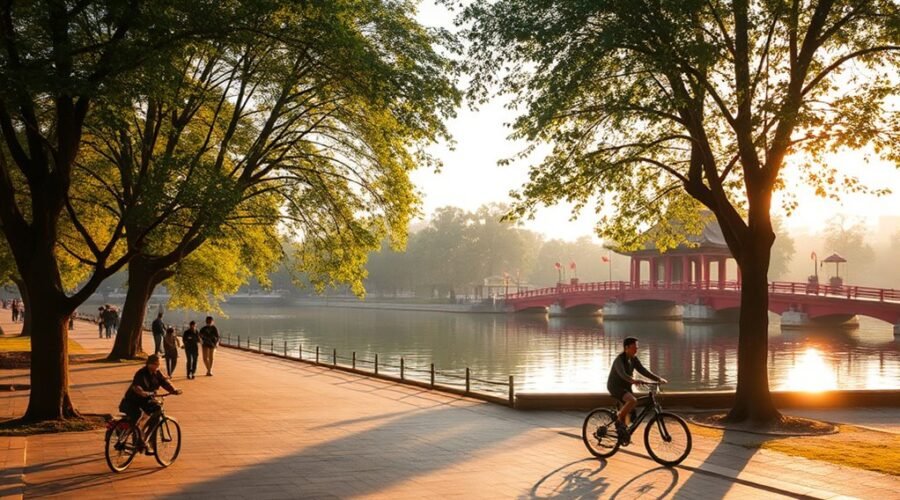
When you’re planning a trip to Hanoi, timing makes all the difference. The city transforms dramatically across its four distinct seasons, shifting from cool, misty winters to sweltering, rain-soaked summers. Get the timing wrong, and you’ll battle oppressive heat or relentless downpours. Get it right, and you’ll experience one of Southeast Asia’s most enchanting cities at its absolute best. What you discover about Hanoi’s seasonal patterns might surprise you. Knowing the best time to visit Hanoi helps you plan around weather, crowds, and budget.
Hanoi’s Four Seasons: What the Weather Actually Looks Like
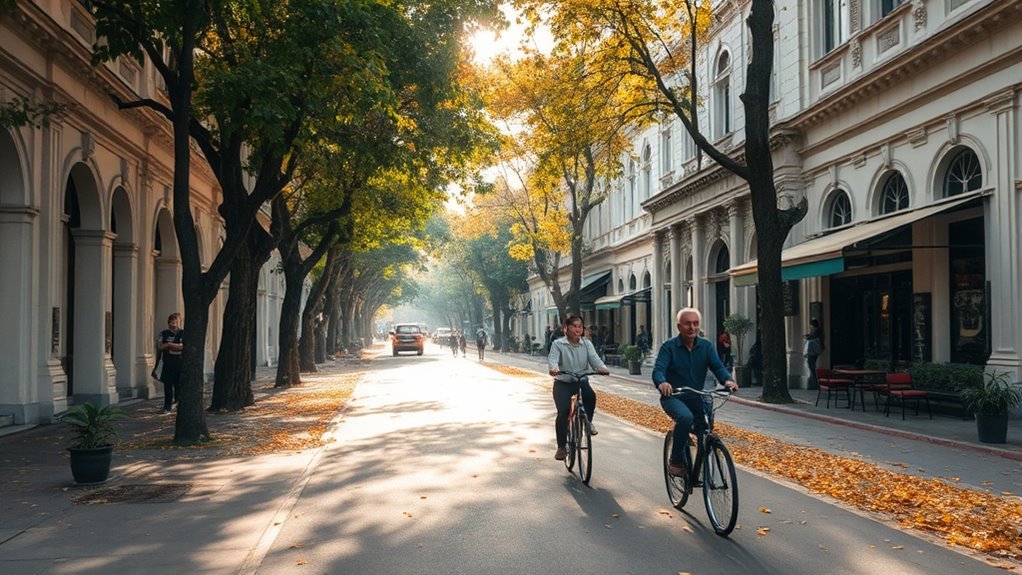
Hanoi doesn’t follow the simple wet-dry pattern you might expect from a Southeast Asian city — it actually experiences four distinct seasons, each with its own personality.
Spring (February–April) brings mild temperatures and misty drizzle, setting the stage for local festivals like the Perfume Pagoda celebration.
Summer (May–August) hits hard with intense heat and heavy rainfall, though it’s also when the city pulses with the most energy.
Autumn (September–November) is widely considered Hanoi’s golden window — cool breezes, low humidity, and clear skies make every seasonal activity feel effortless, from cycling through the Old Quarter to exploring street food markets.
Winter (December–January) drops temperatures surprisingly low, sometimes near 10°C, wrapping the city in a rare, moody cool.
Understanding these shifts means you’re not just visiting Hanoi — you’re choosing *which version* of Hanoi you want to experience.
Month-by-Month Guide to Weather, Crowds, and Costs in Hanoi
Knowing Hanoi’s four seasons is a solid start, but the real planning magic happens when you break it down month by month.
January–February: Cool and dry. Tết brings local festivals, crowds, and higher costs, but the energy is electric.
Seasonal cuisine like bánh chưng fills every table.
March–April: Mild temperatures, fewer tourists, reasonable prices.
Perfect for exploring freely.
May–June: Heat climbs, humidity rises.
Budget travelers score deals as crowds thin.
July–August: Peak rainy season.
Expect afternoon downpours, lower hotel rates, and lush green streets.
Manageable if you plan around the rain.
September–October: Rain eases, temperatures drop slightly.
Shoulder season offers the sweet spot — decent weather, fewer crowds, fair costs.
November–December: Cool, crisp, and increasingly popular.
Prices creep up near year-end holidays, but seasonal cuisine like cốm (green rice) makes November especially rewarding.
Each month offers something distinct — choose what fits your rhythm.
The Best Time to Visit Hanoi for Comfortable Weather
If comfortable weather is your top priority, October and November are your best bets for visiting Hanoi. During these months, you’ll experience ideal temperatures ranging between 68°F and 77°F (20°C–25°C), with humidity levels dropping to manageable ranges, making exploration genuinely enjoyable.
March and April offer a secondary sweet spot — warm but not oppressive, with mild humidity levels before the summer heat intensifies.
| Month | Avg. Temperature | Humidity Level |
|---|---|---|
| March | 70°F (21°C) | Moderate |
| April | 75°F (24°C) | Moderate |
| October | 72°F (22°C) | Low-Moderate |
| November | 68°F (20°C) | Low |
You’ll walk Hoan Kiem Lake’s promenade without breaking a sweat, navigate the Old Quarter’s narrow streets freely, and actually enjoy outdoor dining. These windows of ideal temperatures transform Hanoi from an endurance test into a genuinely liberating travel experience worth every moment.
When to Visit Hanoi on a Budget : and When to Avoid Peak Crowds
Weather comfort and budget travel don’t always align in Hanoi, but understanding the city’s peak and off-peak cycles helps you strike a balance.
The city sees its heaviest tourist traffic from November through January, when pleasant temperatures drive up accommodation prices and crowd popular sites like Hoan Kiem Lake and the Old Quarter.
Hanoi’s peak season runs November to January — expect crowds, higher hotel rates, and competition for the city’s best spots.
For genuine off-peak benefits, consider visiting during May or September. Yes, you’ll encounter humidity or occasional rain, but hotels drop their rates considerably, restaurants feel less rushed, and you’ll experience a more authentic Hanoi.
Local interactions become richer when you’re not competing with tour groups.
Avoid Tet, Vietnam’s Lunar New Year, unless you specifically want to witness the celebration. Many businesses close, transportation becomes chaotic, and prices surge.
Traveling intentionally outside these windows rewards you with both savings and genuine freedom.
Practical Tips for Planning Your Hanoi Trip Around the Seasons
Planning your Hanoi trip around the seasons means thinking beyond just temperature charts. Check the local festivals calendar before booking — events like Tết in late January or February transform the city but also spike accommodation prices and limit restaurant options.
You’ll want to arrive a few days early to experience the buildup without the chaos.
Pack your travel gear strategically. The humid summer months demand breathable fabrics and a compact rain jacket, while cooler November through January evenings call for light layers.
A sturdy daypack handles both temple visits and sudden downpours.
Book accommodations two to three months ahead during peak October-to-November season, when crowds and prices climb simultaneously.
For shoulder seasons like March or September, you’ll score better rates with more flexibility.
Stay informed about typhoon alerts if you’re visiting August through October — weather apps tracking Vietnam’s coastal systems will keep you moving freely.
Frequently Asked Questions
What Visa Requirements Should I Know Before Visiting Hanoi?
You’ll need to research visa types before traveling to Hanoi. The application process varies by nationality — many travelers can get e-visas online, granting you the freedom to explore Vietnam’s vibrant capital hassle-free.
Is Hanoi Safe for Solo Female Travelers Year-Round?
Coincidentally, most solo female travelers arrive nervous but leave empowered! You’ll find Hanoi’s remarkably safe year-round. Respect local customs, embrace solo activities like street food tours, and you’ll navigate this vibrant city confidently and freely.
How Many Days Should I Spend in Hanoi Ideally?
You’ll want to spend 3-5 days in Hanoi, giving you enough time to immerse yourself in rich cultural experiences, explore ancient temples, and savor incredible local cuisine without feeling rushed or constrained by a tight itinerary.
What Vaccinations Are Recommended Before Traveling to Hanoi?
Before heading to Hanoi, you’ll want to prioritize your travel health by getting vaccination specifics from your doctor. Recommended vaccines include Hepatitis A, Typhoid, Tetanus, and Rabies — empowering you to explore freely and confidently!
Can I Drink Tap Water Safely Anywhere in Hanoi?
Like a dragon guarding hidden treasure, Hanoi’s tap water safety isn’t yours to claim — you can’t drink it safely. Break free by embracing local alternatives like bottled water or filtered options available everywhere.
Conclusion
Whether you’re chasing perfect weather, budget deals, or crowd-free streets, timing your Hanoi trip makes all the difference. October and November are your golden ticket — you’ll enjoy cool breezes, manageable crowds, and that magical atmosphere around Hoan Kiem Lake. If spring suits you better, March and April won’t disappoint either. Plan smart, pack accordingly, and you’ll reveal the best version of this incredible city no matter which season calls your name.