Figuring out the best time to visit Mahone Bay, Nova Scotia, really boils down to what you’re hoping for from your trip. Do you dream of sunshine and bustling streets, or are you after peaceful exploration and a lighter wallet? Understanding the weather patterns, peak tourist seasons, and what that means for accommodation prices will help you pinpoint your ideal window.
Summer in Mahone Bay is what most people picture when they think of a Nova Scotian coastal getaway. It’s generally the most popular time, and for good reason.
Weather: Warm, Sunny, and Inviting
- Temperatures: You can expect comfortable daytime temperatures, typically ranging from the low 20s Celsius (around 70-75°F) to occasionally reaching the high 20s (low 80s °F). Evenings are usually pleasant, perfect for a stroll along the waterfront.
- Sunshine: These are the sunniest months, offering plenty of daylight for exploring. Clouds can roll in, but extended periods of rain are less common compared to other seasons.
- Breeze: Being on the coast, you’ll often feel a refreshing sea breeze, which can be a welcome relief on warmer days and a reminder that you are indeed by the ocean.
- Humidity: While it’s not the tropics, summertime can see some humidity, though it’s usually manageable.
Crowds: Peak Season Means Buzz
- When to Expect It: June, July, and August are the busiest months. July and August are particularly packed, as families are on vacation and the weather is at its most reliable.
- What to Expect: Mahone Bay truly comes alive. Shops are open longer, more restaurants have outdoor seating, and there’s a general festive atmosphere. You’ll see more boats in the harbour, and the three iconic churches will have a steady stream of visitors.
- Pros: If you enjoy a vibrant atmosphere, want access to all activities and events, and don’t mind sharing the space, this is your time. Local festivals and craft fairs are often scheduled during this period.
- Cons: Be prepared for higher foot traffic. Popular spots might have a wait, and parking can become a bit of a challenge, especially in the afternoons.
Costs: The Price of Popularity
- Accommodation: This is when you’ll see the highest accommodation prices. Bed and breakfasts, inns, and rental properties will be at their peak rates. Booking well in advance is crucial.
- Flights/Travel: If you’re flying in, flight prices will also likely be higher during the summer months. Car rentals can also be more expensive.
- Dining & Activities: While prices for individual meals or activities aren’t necessarily inflated, you might find yourself spending more simply because you’re more inclined to partake in everything Mahone Bay has to offer when it’s in full swing.
For those planning a trip to Mahone Bay, Nova Scotia, understanding the best time to visit can greatly enhance your experience. To further explore travel tips and insights, you might find it helpful to read our related article on travel planning and local attractions. Check it out here: Travel Planning and Local Attractions. This resource provides valuable information on weather patterns, crowd levels, and cost considerations that can help you make the most of your visit.
2. Spring: Awakening and Renewal
Spring in Mahone Bay offers a gentler introduction to the season, with nature waking up and the town slowly shedding its winter quiet.
Weather: Variable and Mellowing
- Temperatures: May is often the star of spring. Daytime temperatures start to climb into the teens Celsius (50s-60s °F), making it pleasant for walking. April can still be quite cool, with temperatures closer to 5-10°C (40s-50s °F), and you might even encounter late snow or frost.
- Sunshine: Sunshine hours increase significantly as you move into May. April can be a bit more variable, with periods of sun interspersed with grey, showery days.
- Rain: Spring is known for its showers. Expect some rainy days, but they are often short-lived. The rain can be quite beneficial, bringing out the vibrant greens of the landscape.
- Wind: Coastal winds can still be a factor, especially in early spring, so packing layers is always a good idea.
Crowds: A Peaceful Transition
- When to Expect It: The shoulder months of May and early June see a noticeable drop in crowds compared to summer. April is generally very quiet.
- What to Expect: This is a fantastic time if you prefer a more relaxed pace. You can wander through the shops and streets without feeling rushed. The natural beauty of the area is on full display as flowers begin to bloom.
- Pros: You’ll have a much more intimate experience of Mahone Bay. It’s easier to get photos of the churches without a crowd, and you can often have conversations with local shopkeepers. It’s ideal for nature lovers who want to appreciate the blossoming scenery.
- Cons: Some seasonal businesses might still be getting ready for the summer influx, so opening hours might be slightly shorter for some shops or restaurants in early spring. You might also miss out on some of the larger summer festivals.
Costs: Budget-Friendly Opportunities
- Accommodation: Prices in May are generally lower than in peak summer. You’ll find better deals and more availability for inns and B&Bs. April will be even more budget-friendly.
- Flights/Travel: Travel costs begin to decrease as you move further from the summer holidays.
- Overall Value: Spring offers excellent value for money. You get to enjoy the beauty of Mahone Bay without the premium price tag of peak season.
3. Fall: Colorful Landscapes and Cozy Vibes
Autumn is a spectacular time to visit Mahone Bay, particularly if you appreciate stunning fall foliage and a cozy, convivial atmosphere.
Weather: Crisp, Cool, and Beautifully Hued
- Temperatures: September is often a continuation of summer’s pleasant weather, with daytime highs in the mid-to-high teens Celsius (60s °F). By October, temperatures cool significantly, with daytime highs often in the low-to-mid teens (50s °F), and evenings can get quite chilly, dipping into single digits Celsius (40s °F). November brings a distinct crispness and can feel quite wintry.
- Sunshine: September can still offer plenty of sunshine. As you move into October and November, days become shorter, and cloudy spells become more frequent.
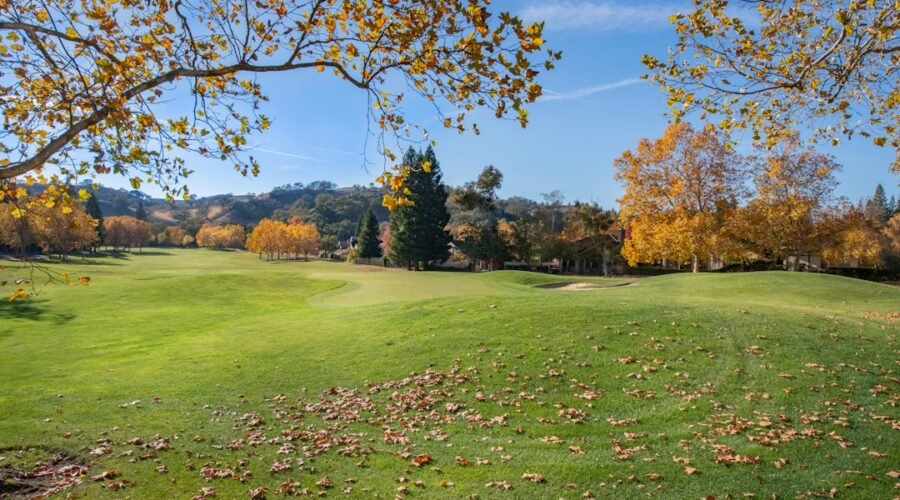
- Foliage: This is the main draw for many. Late September through mid-October is typically when the surrounding forests burst into vibrant reds, oranges, and yellows. The colours contrast beautifully with the blue of the ocean and the iconic painted buildings of Mahone Bay.
- Rain: Fall can bring its share of rain and wind. It’s wise to pack waterproof gear and be prepared for cooler, potentially damp conditions.
Crowds: A Gradual Thawing
- When to Expect It: September is still relatively popular, acting as an extended shoulder season, especially early in the month. October sees a noticeable decrease in visitors, particularly after the Thanksgiving long weekend (Canadian Thanksgiving is the second Monday in October). November is very quiet.
- What to Expect: The pace slows down considerably. The fall colours attract photographers and those seeking a more tranquil experience. It’s a great time for hiking and enjoying the crisp air. The town retains its charm, but with fewer people.
- Pros: You can enjoy the vibrant colours without the summer crowds. It’s a more introspective and peaceful time to explore. The cooler weather makes it ideal for long walks and enjoying local treats like hot cider.
- Cons: Some seasonal shops and attractions may begin to scale back their hours or close for the season in late October or November. Daylight hours are significantly shorter.
Costs: Excellent Value and Availability
- Accommodation: Prices drop substantially after the summer high. September, especially the latter half, offers good value. By October and November, you’ll find the best deals. Accommodation is generally much easier to secure.
- Flights/Travel: Travel costs continue to be favourable, making it an attractive option for budget-conscious travelers.
- Dining & Activities: While most restaurants remain open, the atmosphere shifts to cozy and intimate. You might find less competition for desirable dinner reservations.
4. Winter: A Quiet Coastal Retreat
Winter in Mahone Bay is a different kind of experience altogether. It’s a time for quiet contemplation, bracing sea air, and a true sense of local life.
Weather: Cold, Bracing, and Potentially Snowy
- Temperatures: Expect cold temperatures, with daytime highs often hovering around or just below freezing (0°C or 32°F). Nights will be colder, with temperatures frequently dropping below freezing.
- Sunshine: While there are sunny winter days, they are often interspersed with overcast skies. Days are significantly shorter.
- Snowfall: Mahone Bay can receive snow, which can transform the picturesque town into a winter wonderland. However, snowfall can be unpredictable, with some winters seeing more than others. Coastal areas can also experience rain or freezing rain.
- Wind: The coastal wind can be biting in winter, making it feel much colder than the actual temperature.
Crowds: Embrace the Solitude
- When to Expect It: This is the absolute low season. From December through March, the town is very quiet. The exception might be the Christmas holiday period, where lights and decorations add a festive touch.
- What to Expect: Mahone Bay takes on a serene and peaceful character. The colourful buildings dusted with snow are a beautiful sight. It’s a time for cozying up by a fire, enjoying quiet walks along the waterfront (if it’s not too frozen!), and experiencing the town as the locals do.
- Pros: If you are seeking absolute peace, quiet, and a break from crowds, winter is ideal. You’ll experience Mahone Bay in its most authentic, unvarnished state. It’s perfect for photographers looking for dramatic winter light or for those who simply want to escape the hustle and bustle.
- Cons: Many seasonal businesses will be closed for the winter. Restaurant options will be more limited, and opening hours will be shorter. The waterfront boardwalk and some walking trails might be less accessible due to snow or ice. Outdoor activities are less readily available.
Costs: The Best Bargains
- Accommodation: This is the absolute cheapest time to visit. You will find the lowest rates for hotels and inns, and often more flexibility in booking.
- Flights/Travel: Travel costs are at their lowest during the winter months.
- Overall Savings: If your primary goal is to save money and you don’t mind the colder weather and limited amenities, winter presents the most budget-friendly opportunity.
If you’re planning a trip to Mahone Bay, Nova Scotia, you might find it helpful to read about the best times to visit, considering factors like weather, crowds, and costs. For more insights on travel tips and destination highlights, check out this informative article on Lele Tours, which offers valuable information that can enhance your travel experience.
5. Shoulder Seasons: The Sweet Spot for Many
| Month | Weather | Crowds | Costs |
|---|---|---|---|
| June | Mild and pleasant | Moderate | Moderate |
| July | Warm and sunny | High | High |
| August | Warm and sunny | High | High |
| September | Mild and pleasant | Moderate | Moderate |
The shoulder seasons – late spring (May to early June) and early fall (September to mid-October) – often represent the sweet spot for visiting Mahone Bay, offering a balance of good weather, manageable crowds, and reasonable prices.
Weather: Pleasant and Transitioning
- Late Spring (May-Early June): Temperatures are warming up nicely, with plenty of sunshine and the landscape coming alive with blossoms. While there’s a chance of rain, it usually doesn’t dominate. The sea breeze is still refreshing.
- Early Fall (September-Mid-October): September often enjoys stable, pleasant weather, sometimes feeling like an extension of summer. October brings cooler, crisp air and the spectacular fall foliage. Both periods can have variable weather with a mix of sunshine and showers.
Crowds: A Breath of Fresh Air
- Late Spring: You’ll find fewer crowds than in the height of summer. The town is still vibrant but more relaxed. It’s a great time for exploring before the peak tourist season arrives.
- Early Fall: September offers a continuation of a pleasant atmosphere, although gradually becoming less busy. By mid-October, the summer influx has significantly diminished, making it ideal for a peaceful exploration.
Costs: Great Value for Money
- Accommodation: Prices are considerably lower than in July and August. You’ll find better availability and often more attractive rates at inns and B&Bs.
- Flights/Travel: Travel costs are also more reasonable during these periods.
- The Balance: The main advantage of the shoulder seasons is achieving a desirable balance. You get to enjoy good weather and most of the town’s offerings without the premium prices and crowds of peak summer. It’s often the most practical and enjoyable time for a well-rounded Mahone Bay experience.
FAQs
1. What is the best time to visit Mahone Bay, Nova Scotia for favorable weather?
The best time to visit Mahone Bay, Nova Scotia for favorable weather is during the summer months of June to August, when temperatures are mild and the days are long.
2. When is the peak tourist season in Mahone Bay, Nova Scotia?
The peak tourist season in Mahone Bay, Nova Scotia is during the summer months of June to August, when the town experiences the highest number of visitors and the most crowded conditions.
3. What is the off-peak season in Mahone Bay, Nova Scotia?
The off-peak season in Mahone Bay, Nova Scotia is during the winter months of December to February, when the town experiences fewer visitors and lower accommodation costs.
4. When is the best time to visit Mahone Bay, Nova Scotia to avoid crowds?
The best time to visit Mahone Bay, Nova Scotia to avoid crowds is during the shoulder seasons of spring (April to May) and fall (September to October), when the weather is still pleasant but the tourist crowds are thinner.
5. When is the most cost-effective time to visit Mahone Bay, Nova Scotia?
The most cost-effective time to visit Mahone Bay, Nova Scotia is during the off-peak winter months of December to February, when accommodation costs are lower and there are fewer tourists.