

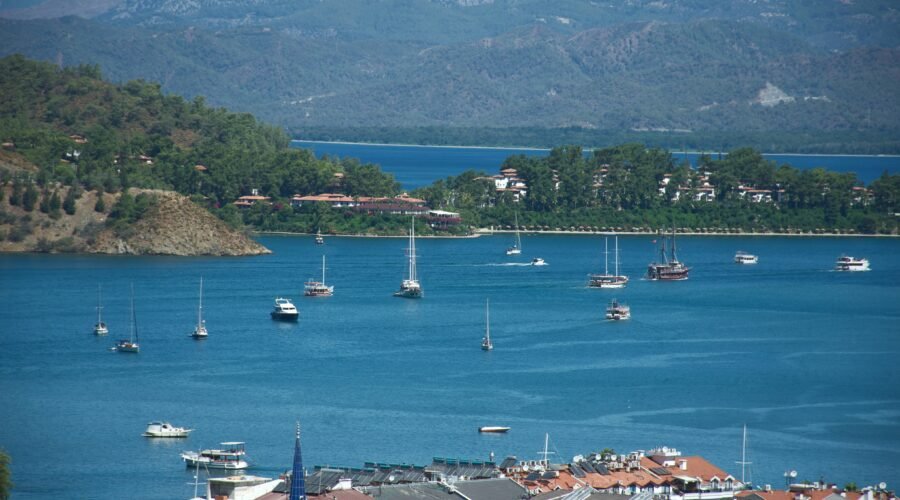
Pinpointing the ideal time for a Fethiye holiday comes down to balancing sea temperatures, sightseeing comfort, crowd density, and travel costs. Nestled on Turkey’s southwestern Turquoise Coast where the Mediterranean meets the Aegean, Fethiye delivers long, scorching summers and mild, rainy winters. For most travelers, the sweet spot falls during the shoulder seasons—late spring (May to June) and early autumn (September to October)—when the sea is inviting, hiking trails are accessible, and resort towns like Ölüdeniz and Çalış operate without peak-season congestion.
Quick Answer
The best time to visit Fethiye is from mid-September through October or from May to early June. These shoulder months provide daytime temperatures between 24°C and 30°C (75°F–86°F), warm sea waters ideal for swimming (especially in autumn), manageable crowd levels, and substantially lower accommodation rates than midsummer.
Key Takeaways
- Prime Swimming & Warm Seas: September and October offer the warmest water (24°C–27°C / 75°F–81°F) alongside pleasant, non-scorching daytime air temperatures.
- Best for Hiking & Ruins: April, May, and October are optimal for exploring Kayaköy Ghost Village, Saklıkent Gorge, and trekking the Lycian Way.
- Peak Beach Season: July and August bring intense heat (often exceeding 38°C / 100°F), maximum crowd numbers, and peak flight and lodging prices.
- Low Season Realities: November through March sees high rainfall, cool seas, and seasonal business closures in resort hubs like Ölüdeniz, though Fethiye town center remains active.
- Flight Availability: Direct charter flights to nearby Dalaman Airport (DLM) run primarily from April through late October. Winter travel requires connecting via Istanbul.
Fethiye Weather by Month: Climate & Travel Matrix
Fethiye’s Mediterranean climate produces distinct seasonal shifts. Understanding historical averages recorded by the Turkish State Meteorological Service (MGM) helps align travel dates with preferred outdoor activities.
| Month | Avg High °C (°F) | Avg Low °C (°F) | Sea Temp °C (°F) | Rain Days | Overall Verdict |
|---|---|---|---|---|---|
| January | 16°C (61°F) | 6°C (43°F) | 17°C (63°F) | 12 | Quiet, wet; local town life only |
| February | 16°C (61°F) | 6°C (43°F) | 16°C (61°F) | 10 | Low tourist activity; cool and brisk |
| March | 19°C (66°F) | 8°C (46°F) | 16°C (61°F) | 7 | Early spring blooms; brisk hiking |
| April | 22°C (72°F) | 11°C (52°F) | 18°C (64°F) | 5 | Prime trekking season; season opens |
| May | 26°C (79°F) | 15°C (59°F) | 21°C (70°F) | 3 | Excellent balance of sun, warmth & value |
| June | 31°C (88°F) | 19°C (66°F) | 24°C (75°F) | 2 | Warm seas, energetic vibe, early summer |
| July | 35°C (95°F) | 23°C (73°F) | 27°C (81°F) | 0 | Peak heat, crowded beaches, vibrant nightlife |
| August | 35°C (95°F) | 23°C (73°F) | 28°C (82°F) | 0 | Hottest month; maximum resort occupancy |
| September | 32°C (90°F) | 19°C (66°F) | 26°C (79°F) | 1 | Ideal overall: warm water, thinning crowds |
| October | 27°C (81°F) | 15°C (59°F) | 24°C (75°F) | 4 | Golden month: warm swimming, great hiking |
| November | 21°C (70°F) | 10°C (50°F) | 21°C (70°F) | 7 | Late-season deals; rain chances rise |
| December | 17°C (63°F) | 8°C (46°F) | 18°C (64°F) | 12 | Wettest month; peaceful, local atmosphere |
Fethiye by Season: Detailed Breakdown
Summer (June to August): High Energy, Guaranteed Sun & Peak Heat
Summer on the Turkish Riviera is the definitive high season. Rain is essentially absent, the sun shines for up to 12 hours a day, and the resort areas of Ölüdeniz, Hisarönü, Ovacık, and Çalış Beach hum with international holidaymakers.
- Weather Dynamics: Daily maximums consistently hover in the mid-30s Celsius and frequently exceed 38°C to 40°C (100°F–104°F) during July and August heatwaves. Humidity climbs in the evening, though sea breezes provide mild relief along beach strips like Çalış.
- Sea & Swimming: The Mediterranean is at its warmest, reaching 27°C–28°C (81°F–82°F). Waters are crystal clear and perfectly suited for snorkeling, scuba diving, and long days aboard gulet boats.
- Crowd & Price Levels: Coinciding with European and Turkish school breaks, hotels run at near 100% capacity. Accommodation rates, flights, and popular boat charters command top-tier pricing. Advance reservations of 4 to 6 months are standard practice.
Warning: Hiking the Lycian Way or exploring exposed ruins like Tlos and Xanthos during July and August poses genuine risks of heat exhaustion. Limit outdoor historic exploration to before 10:00 AM or after 5:00 PM, and always carry electrolytes and ample water.
Autumn (September to November): The Golden Shoulder Season
For many seasoned travelers, autumn represents Fethiye’s true peak quality window. The intense summer heat begins to soften, yet the Aegean and Mediterranean retain stored thermal warmth from months of sunlight.
- Weather Dynamics: September remains pleasantly hot (averaging 31°C–32°C / 88°F–90°F), while October cools to comfortable mid-20s Celsius (77°F–81°F) with crisp, clear evenings ideal for waterfront dining along the Fethiye Kordon.
- Sea Temperatures: Autumn sea temperatures in September (26°C / 79°F) and October (24°C / 75°F) are noticeably warmer than in late spring, creating ideal conditions for swimming without the oppressive midday sun.
- Atmosphere & Pricing: From the second week of September, family holiday crowds decrease sharply. Hotel prices moderate by 25% to 40% compared to August. October also hosts the renowned Ölüdeniz Air Games, filling the sky with acrobatic paragliders.
Pro Tip: If swimming and water sports are your main priorities, choose October over May. While both offer similar daytime air temperatures (~25°C), the sea in October is roughly 3°C to 4°C warmer than in May.
Spring (March to May): Wildflowers, Fresh Air & Active Exploration
Spring marks the awakening of the Mugla coastline. The Taurus mountain foothills turn vibrant green, blanketed with endemic wildflowers, making this the most scenic period for photography and nature trekking.
- Weather Dynamics: March starts cool and brisk with occasional showers. By mid-April, sunny days dominate with highs near 22°C (72°F). May delivers consistent sunshine averaging 26°C (79°F).
- Sea Temperatures: Spring water is refreshing and invigorating, starting around 18°C (64°F) in April and climbing to 21°C (70°F) by late May.
- Atmosphere & Operations: April sees the seasonal opening of boutique hotels, tour agencies, and beach clubs. While not all water sports run at full capacity before May 1st, archaeological sites and town markets are peaceful and uncrowded.
Winter (December to February): Off-Season Solitude & Authentic Culture
Winter in Fethiye is mild, quiet, and dominated by seasonal rainfall. Over 65% of the region’s annual precipitation falls between December and February.
- Weather Dynamics: Daytime highs reach 15°C–17°C (59°F–63°F), dropping to 6°C–8°C (43°F–46°F) overnight. Snow is rare in the coastal basin but regularly dusts the summit of Babadağ (1,969 meters), providing a striking backdrop behind the blue bay.
- Closures & Logistics: Beach resort areas like Ölüdeniz and Belcekız largely close down for winter maintenance. However, Fethiye central town, the Fish Market (Balık Pazarı), and Paspatur (Old Town) stay open year-round for resident locals.
- Best For: Budget travelers, long-stay digital nomads, and cultural visitors seeking tranquil exploration without tourist crowds.
“The transition from mid-September to late October on the Turquoise Coast provides an unmatched pairing: comfortable 26°C mountain breezes for hiking the Lycian Way by morning, and calm 25°C sea waters in Ölüdeniz by afternoon.”
Best Timing by Travel Activity
Note: Activity conditions vary by altitude and marine stability. While coastal beaches are accessible for six months, mountain and canyon activities follow specific seasonal windows.
1. Tandem Paragliding from Babadağ
Launching from Mount Babadağ down to Ölüdeniz Beach operates year-round when wind conditions permit, but the premier flying window is May through October. Stable thermal updrafts, clear panoramic views of the Blue Lagoon, and minimal cancellation risks due to storm fronts make these months optimal. The famous annual International Ölüdeniz Air Games take place in mid-to-late October.
2. Hiking the Lycian Way & Exploring Ancient Ruins
The iconic 540-kilometer trail begins directly in Fethiye (Ovacık). The prime hiking windows are April to late May and mid-September to early November. These months avoid the dehydrating 38°C+ summer heat on exposed coastal limestone trails. Natural spring water sources along the route are also more reliable in spring following winter rains.
3. 12-Island Boat Trips & Blue Cruises
Daily boat tours from Fethiye Harbor and Göcek, as well as multi-day blue cruises to Olympos or Marmaris, run steadily from May through October. For calm seas and warm water swimming in secluded coves (like Butterfly Valley and Aquarium Bay), June, September, and October provide superior sailing conditions over early spring.
4. Saklıkent Gorge & Canyon Trekking
Saklıkent Gorge is carved by cold rushing mountain waters. In March and April, winter snowmelt from the Akdağlar mountains causes water levels to surge, making parts of the canyon impassable. The best time to safely wade through the canyon is from late May through September, when water levels stabilize and the canyon walls provide welcome natural cooling.
When to Book: Flight and Accommodation Strategy
- Direct Charter Season (April–October): Airlines run regular direct charter and scheduled flights to Dalaman Airport (DLM)—45 km northwest of Fethiye—primarily between April and late October. For July and August travel, secure flights and resort hotels 4 to 6 months in advance.
- Shoulder Season Bookings (May, June, September, October): Booking 2 to 3 months ahead generally unlocks the best combination of boutique villa selection and competitive pricing.
- Winter Travel (November–March): International visitors usually fly via Istanbul (IST or SAW) before taking a 1-hour domestic connection to Dalaman. Hotels in Fethiye center can easily be booked with short lead times.
Making Your Choice: Summary Recommendation
- For classic beach holidays & vibrant nightlife: Choose June, July, or August if you thrive in hot sunshine, energetic resorts, and don’t mind peak season crowds and costs.
- For the ultimate balance of warm swimming, low crowds, and value: Choose mid-September to late October.
- For wildflowers, hiking, photography, and sightseeing: Choose April or May.
- For budget escapes and quiet local culture: Choose November to March.
Frequently Asked Questions
What is the best time to visit Fethiye, Muğla in terms of weather?
The best weather in Fethiye occurs during the shoulder months of May to June and September to October. During these periods, daytime high temperatures stay in the comfortable range of 25°C to 30°C (77°F–86°F) with low rainfall, minimal humidity, and warm sea waters ideal for water sports and sightseeing.
When is the peak tourist season in Fethiye, Muğla?
The peak tourist season spans July and August. These months coincide with European and Turkish school holidays, resulting in maximum occupancy at beach resorts, busy boat tours, hot temperatures above 35°C (95°F), and the highest annual prices for lodging and flights.
What is the off-peak season in Fethiye, Muğla?
The off-peak season lasts from November through March. Temperatures are mild (14°C–17°C during the day), but rainfall is frequent. While resort areas like Ölüdeniz see seasonal closures, Fethiye town center remains fully functional with significantly reduced accommodation rates.
How does the cost of visiting Fethiye, Muğla vary throughout the year?
Travel costs follow supply and demand: July and August command the highest rates for flights, hotels, and boat charters. Visiting during shoulder months (May, June, September, October) provides 20% to 40% savings on accommodation, while winter (November to March) offers steep off-season discounts across open hotels and rental apartments.
What are the considerations for visiting Fethiye, Muğla during Ramadan?
Because Fethiye is a well-established international tourism destination, most restaurants, beach clubs, and tour operators in resort areas continue normal service throughout Ramadan. In traditional neighborhoods, some local eateries may adjust daytime hours or experience busy dinner rushes during Iftar (the evening fast-breaking meal). Being mindful of local customs when visiting residential areas or mosques is recommended.
Sources
- Turkish State Meteorological Service (MGM) — Official historical climate averages, precipitation records, and sea surface temperature metrics for Muğla and Fethiye.
- GoTürkiye / Ministry of Culture and Tourism — Official regional destination guides, Lycian Way trekking trail data, and heritage site regulations.
- Muğla Provincial Directorate of Culture and Tourism — Seasonal museum operations, ancient city access times, and regional cultural event schedules.

[…] If you’re comparing Albany with another destination where weather and seasonality shape the trip, you can also read Best Time to Visit Fethiye, Muğla: Weather, Crowds, and Costs. […]