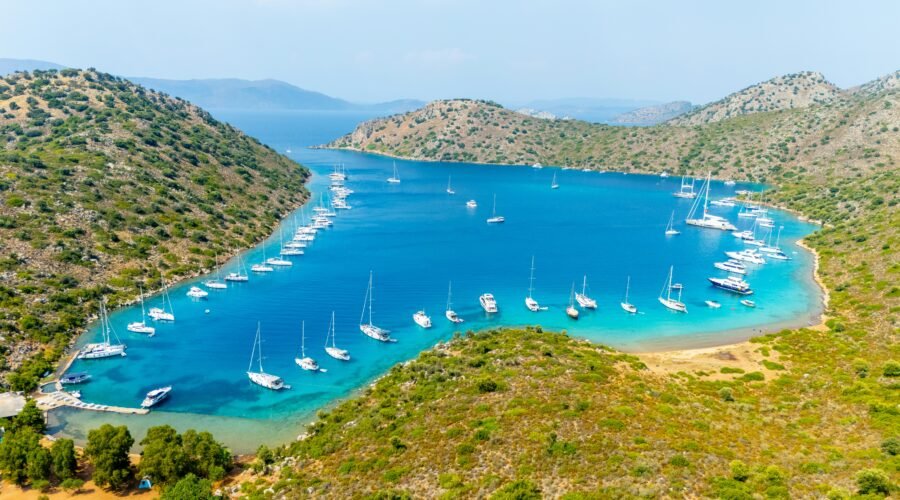
Choosing the best time to visit Marmaris depends on whether your priority is swimming in warm turquoise waters, exploring pine-covered mountains without the crowds, or finding the best off-season hotel rates. Located along Turkey’s southwestern Aegean and Mediterranean coastline in the Muğla province, Marmaris experiences a classic Mediterranean climate with over 300 days of sunshine annually. Understanding the seasonal trade-offs between heat, tourist volume, and local pricing ensures you plan the ideal Turkish Riviera getaway.
Quick Answer
The best time to visit Marmaris is during the shoulder months of May, June, September, and October. These periods offer warm, sunny weather (25°C to 32°C / 77°F to 90°F), ideal sea swimming conditions, manageable crowds, and lower hotel rates compared to the intense heat and peak pricing of July and August.
Key Takeaways
- Peak Beach Season (July–August): Hottest temperatures (35°C–40°C+ / 95°F–104°F), bustling nightlife, packed beaches, and premium prices.
- Optimal Balance (June & September): Excellent swimming conditions, lively atmosphere, and slightly milder daytime heat.
- Sightseeing & Outdoor Activities (April, May & October): Perfect temperatures for hiking and historic tours, low to moderate crowd levels, and substantial savings on accommodation.
- Sea Temperatures: The Aegean Sea is warmest between July and October (24°C–28°C / 75°F–82°F); water remains cool in April and early May.
- Quiet Off-Season (November–March): Cooler, rainy winter weather with heavily discounted stays, though many tourist-oriented resorts and direct charter flights pause operations.
Marmaris Weather and Climate by Season
Marmaris features long, dry summers and mild, rainy winters. The surrounding mountain amphitheater shields the bay from harsh winds, but summer temperatures can soar significantly in the town center.
Summer: Peak Heat and High Spirits (June to August)
- The Scorcher Months (July & August): These are the hottest months of the year in Marmaris. Daytime temperatures consistently reach 35°C to 40°C (95°F to 104°F), with occasional heatwaves pushing past 42°C (108°F). The sea is delightfully warm at 26°C to 28°C (79°F to 82°F), providing refreshing relief. Nights remain warm (around 24°C / 75°F), making open-air dining and late-night strolls along the marina popular.
- The Early & Late Summer Sweet Spots (June & September): June delivers average highs around 31°C (88°F) with low humidity and long, sunny days. September offers comparable daytime warmth (around 30°C / 86°F), but with the added benefit of seawater that has absorbed months of summer heat, remaining around 26°C (79°F) throughout the month.
Warning: Midday sun during July and August is exceptionally intense. UV indexes regularly exceed 10. Avoid hiking or unshaded sightseeing between 12:00 PM and 4:00 PM, stay hydrated, and use broad-spectrum high-SPF sunscreen.
Spring: Blooming Flora and Gentle Warmth (April to May)
- April (The Early Bloom): Spring brings wildflowers and lush greenery across the surrounding national parks. Daytime temperatures average 21°C to 23°C (70°F to 73°F). Rain showers can occur, and sea temperatures hover around a crisp 17°C to 18°C (63°F to 64°F), which is cool for casual swimming but suitable for watersports with a wetsuit.
- May (Warming Up): May daytime temperatures rise comfortably to 26°C (79°F). By late May, the sea warms to 20°C–21°C (68°F–70°F), making beach days increasingly attractive without the summer crowds.
Autumn: Golden Hues and Balmy Waters (October to November)
- October (The Extended Summer): October is widely regarded as one of the best months to visit Marmaris. Highs average 25°C (77°F), and the sea remains warmer than in May (averaging 24°C / 75°F). Rainfall is minimal in early October, though occasional autumn storms emerge towards the end of the month.
- November (The Seasonal Transition): Highs drop to 20°C (68°F), and precipitation increases. While swimming is less common, November offers mild weather for exploring Marmaris Castle, hiking the Bozburun Peninsula, and enjoying local village life.
Winter: Mild Temperatures and Coastal Calm (December to March)
Winter in Marmaris is mild but wet. Daytime highs range between 14°C and 16°C (57°F to 61°F), while night temperatures rarely drop below 7°C (45°F). December and January receive significant rainfall. While beach resorts close for the season, the central town remains active with local restaurants, markets, and peaceful waterfront promenades.
Navigating the Crowds: From Bustling to Blissfully Quiet
Tourist volume directly shapes the atmosphere in Marmaris, from vibrant party vibes along the harbor to quiet seaside relaxation.
Peak Summer Invasion (July & August)
July and August represent the busiest period of the year. Beaches such as Uzunyalı (Long Beach) and Içmeler fill up early, waterfront restaurants along the marina require reservations, and Bar Street is packed every night. Excursion boats to Dalyan and Cleopatra Island run at full capacity. If you enjoy an energetic, social holiday, this is the prime window.
Pro Tip: During peak summer, book popular daily boat tours, gulet charters, and day-trip ferries to Rhodes (Greece) at least 3 to 5 days in advance to secure your preferred departure dates.
Shoulder Season Balance (May, June, September & October)
These months offer a balanced experience. June and September draw a mix of couples and families seeking summer energy without overwhelming beach congestion. April, May, and October provide a relaxed ambiance with effortless restaurant seating, uncrowded historical sites, and plenty of space along the coastal walking tracks.
Off-Season Tranquility (November to March)
From late autumn through early spring, tourist numbers drop significantly. This period is ideal for digital nomads, cultural explorers, and independent travelers who want to experience authentic coastal Turkish living without tourist infrastructure commercialization.
Budgeting Your Break: Seasonal Cost Breakdown

Travel costs in Marmaris fluctuate sharply between the summer peak and the quiet winter months.
- High Season (July–August): Flight prices into Dalaman Airport (DLM) and hotel room rates are at their annual peak. All-inclusive resorts and luxury marina hotels charge premium rates, and tour operators rarely offer large discounts.
- Mid Season (June & September): Accommodation prices are roughly 20% to 35% lower than in July and August. Excellent flight availability from across Europe and the UK keeps travel packages competitively priced.
- Shoulder Season (April, May & October): Great value for budget-conscious travelers. Hotels frequently offer early-bird or late-season discounts, and dining in local traditional lokantas provides affordable meal options.
- Low Season (November–March): The lowest accommodation rates of the year. While luxury coastal resorts close, boutique city-center hotels and rental apartments operate at substantial markdowns. Note that direct international charter flights pause, requiring flights with a layover in Istanbul.
Activities and Atmosphere: Tailoring Your Experience

Selecting your travel dates based on the specific activities you want to enjoy ensures you get the most out of Marmaris.
Nightlife, Boat Parties, and Water Sports
For jet skiing, parasailing, diving, and vibrant nightlife on Bar Street, visit between mid-June and early September. The high season ensures full daily tour schedules, operating beach clubs, and lively evening venues along the beachfront.
Sailing, Yachting, and Marine Events
Marmaris is one of the premier yachting centers in the Mediterranean. May and October are peak months for sailing enthusiasts:
- Marmaris Yacht Charter Show (May): A major international gathering of luxury charter yachts and industry professionals.
- Marmaris International Race Week (Late October): Hosted by the Marmaris International Yacht Club, this regatta attracts over 1,000 sailors from around the globe for competitive autumn sailing.
Hiking, Culture, and Day Trips
Spring (April–May) and Autumn (October) are ideal for exploring the historic Marmaris Castle and Archaeology Museum, walking the cobblestone alleys of the Old Town, or embarking on day trips to the ancient ruins of Kaunos and the rock tombs of Dalyan without summer heat exhaustion.
Note: Fast catamarans operate daily ferry crossings between Marmaris and the Greek island of Rhodes from April through October. In winter, services reduce to a limited weekly schedule and depend heavily on sea conditions.
Marmaris Month-by-Month Travel Matrix
Monthly Climate & Travel Overview
| Month | Avg High (°C / °F) | Sea Temp (°C / °F) | Rainy Days | Crowd Level | Price Index |
|---|---|---|---|---|---|
| January | 15°C / 59°F | 17°C / 63°F | 12 days | Very Low | Budget |
| February | 15°C / 59°F | 16°C / 61°F | 10 days | Very Low | Budget |
| March | 18°C / 64°F | 16°C / 61°F | 8 days | Low | Budget |
| April | 22°C / 72°F | 18°C / 64°F | 6 days | Low | Moderate |
| May | 26°C / 79°F | 20°C / 68°F | 4 days | Moderate | Moderate |
| June | 31°C / 88°F | 23°C / 73°F | 2 days | High | High |
| July | 36°C / 97°F | 26°C / 79°F | 1 day | Peak | Peak |
| August | 36°C / 97°F | 27°C / 81°F | 1 day | Peak | Peak |
| September | 31°C / 88°F | 26°C / 79°F | 3 days | Moderate-High | High |
| October | 26°C / 79°F | 24°C / 75°F | 5 days | Moderate | Moderate |
| November | 20°C / 68°F | 21°C / 70°F | 8 days | Low | Budget |
| December | 16°C / 61°F | 18°C / 64°F | 14 days | Very Low | Budget |
Practical Packing Essentials for Each Season
Packing appropriately ensures a seamless holiday experience across different seasons in Marmaris.
Summer Packing Checklist (June to August)
- Breathable Fabrics: Lightweight linen and cotton shirts, shorts, sundresses, and loose-fitting trousers.
- Sun Defense: High-SPF sunscreen, polarized UV sunglasses, and a wide-brimmed sun hat.
- Beach Gear: At least two swimsuits, quick-dry microfibre towels, and water shoes for pebbly sections of the bay.
- Footwear: Breathable walking sandals and slip-on beach shoes.
Shoulder Season Packing Checklist (April–May & September–October)
- Layering Pieces: Light t-shirts for warm daytime sun paired with cardigans, sweaters, or light denim jackets for cooler evenings.
- Supportive Footwear: Sturdy trainers or hiking shoes for castle exploration, pine forest trails, and day tours.
- Swimwear: Swimming attire remains essential, especially from late May through October when sea temperatures are warm.
- Rain Protection: A compact umbrella or light windbreaker for transitional spring and autumn showers.
Winter Packing Checklist (November to March)
- Warm Clothing: Thermal base layers, knit jumpers, fleece jackets, and long jeans.
- Waterproof Gear: A sturdy rain jacket and water-resistant footwear for heavier coastal winter downpours.
- Accessories: A scarf and light gloves for breezy evenings along the marina.
Always review local meteorological forecasts before departure via official services like the Turkish State Meteorological Service (MGM) to fine-tune your clothing choices. Whether you seek high-energy summer beach clubs or peaceful historical exploration during the shoulder months, Marmaris offers distinct attractions throughout the year.
Frequently Asked Questions
What is the best time to visit Marmaris, Muğla for good weather?
The best time for ideal weather is between May and October. If you prefer hot summer beach weather with sea temperatures around 26°C–28°C (79°F–82°F), visit in July or August. If you prefer comfortable warmth (25°C–31°C / 77°F–88°F) suitable for both swimming and sightseeing, choose May, June, September, or October.
When is the peak tourist season in Marmaris?
The peak tourist season spans July and August. During these months, domestic and international holidaymakers arrive in high numbers, leading to full beaches, bustling nightlife along Bar Street, and peak accommodation prices.
When is the off-peak season in Marmaris?
The off-peak season runs from November through March. During the winter, temperatures average 14°C to 16°C (57°F to 61°F) and rain is frequent. While major all-inclusive beach resorts pause operations, central boutique hotels remain open at heavily discounted rates.
What are the average costs of visiting Marmaris during peak season?
During peak season (July–August), flight tickets, hotel rooms, and private tours operate at premium rates. Booking flights and resort stays 3 to 6 months in advance helps secure competitive pricing, while dining at local Turkish eateries (lokantas) away from the main marina keeps food costs reasonable.
Are there specific events or festivals worth visiting Marmaris for?
Key annual events include the Marmaris Maritime and Spring Festival in April/May, the Marmaris Yacht Charter Show in May, and the Marmaris International Race Week in late October, which draws hundreds of competitive sailing yachts to the bay.
Sources
- Turkish State Meteorological Service (MGM) — Official regional climate normals, temperature records, and precipitation averages for Muğla and Marmaris
- GoTürkiye Official Tourism Portal — Ministry of Culture and Tourism guide on regional attractions, cultural festivals, and Turkish Riviera travel guidelines
- Marmaris International Yacht Club (MIYC) — Official race schedules, regatta dates, and event details for Marmaris International Race Week
- Muğla Provincial Directorate of Culture and Tourism — Regional historic site preservation, museum schedules, and municipal tourism records