If you’re asking when the best time to visit Regina, Saskatchewan is, the short answer is late spring (May-June) or early fall (September-October). These shoulder seasons offer a sweet spot of pleasant weather, manageable crowds, and often more reasonable prices compared to the peak summer months. However, each season has its own unique charm and considerations, from winter festivals to scorching summer days, so let’s dig into the details to help you plan your ideal trip.
Spring in Regina is a period of reawakening, and it’s a fantastic time to experience the city as it sheds its winter coat.
1.1 Weather: Mild and Melodic
After a long winter, spring brings a welcome warmth. May typically sees average temperatures ranging from 5°C to 18°C (41°F to 64°F), while June is even milder, often reaching 10°C to 23°C (50°F to 73°F). You’ll still want to pack layers, as evenings can be cool, but generally, it’s comfortable for exploring outdoors. Rain showers are possible, but they’re usually short and help green up the landscape, making for beautiful scenery. The air is fresh, and the long daylight hours start to kick in, giving you more time for sightseeing.
1.2 Crowds: Before the Rush
Spring crowds are generally quite low, especially in early May. Many visitors wait for the guaranteed warmth of summer, meaning you’ll often find popular attractions less busy. This is ideal for a more relaxed experience at places like the Royal Saskatchewan Museum or Government House. Locals are also slowly emerging from winter hibernation, creating a friendly, optimistic atmosphere.
1.3 Costs: Good Value
Hotel rates and flights can be more affordable in late spring compared to peak summer. You might snag some good deals, particularly if you book in advance. Many attractions are already open for the season but haven’t yet increased prices for the summer surge. Restaurants might also offer spring specials, making it a good time for budget-conscious travelers.
1.4 Activities: Embracing the Outdoors
- Parks and Gardens: Wascana Centre comes alive with blooming flowers and budding trees. It’s perfect for a walk, bike ride, or even a paddleboat rental on Wascana Lake.
- Patio Season Begins: Many local restaurants and pubs start opening their patios, offering a chance to enjoy the milder weather with a meal or a drink.
- Farmers’ Markets: Early spring sees some farmers’ markets starting up, offering fresh local produce and artisan goods.
- Festivals (Late Spring): Some smaller, local festivals might start popping up in late May or early June, celebrating local culture or food.
If you’re planning a trip to Regina, Saskatchewan, you might find it helpful to read a related article that offers insights on the best time to visit the city, taking into account factors such as weather, crowds, and costs. For more detailed information, check out this article on travel tips and recommendations at Lele Tours. This resource can help you make the most of your visit by providing valuable advice on when to experience Regina’s vibrant culture and attractions.
2. Summer (July – August): The Peak Season Buzz
Summer is undoubtedly the most popular time to visit Regina. It’s when the city truly comes alive with sunshine and events, but it comes with its own set of considerations.
2.1 Weather: Hot and Sunny
Regina summers are famously hot and often very sunny. July and August typically see average daily temperatures between 15°C and 27°C (59°F to 81°F), but it’s not uncommon for daytime highs to soar well into the 30s°C (90s°F). Humidity can sometimes be a factor, and thunderstorms, while usually brief, can occur. Prepare for intense sun; hats, sunscreen, and plenty of water are a must. The long daylight hours are a huge plus, with the sun often not setting until late in the evening.
2.2 Crowds: Lively and Packed
This is peak tourist season, so expect larger crowds at popular attractions, especially Wascana Centre, the Saskatchewan Science Centre, and during major events. Hotels can fill up quickly, and popular restaurants might require reservations. If you enjoy a bustling atmosphere and don’t mind sharing the city with many others, summer is great. If you prefer quiet contemplation, you might find certain spots a bit overwhelming.
2.3 Costs: Higher Demand, Higher Prices
Summer is when you’ll generally find the highest prices for flights and accommodation. Hotels are in high demand, and booking well in advance is highly recommended to secure your preferred spot at a reasonable rate. Some tour operators might also have higher seasonal pricing. While food and activity costs remain fairly consistent, availability can be an issue.
2.4 Activities: Festival Central
- Regina Folk Festival: A major highlight in August, attracting national and international musicians.
- Canada’s Farm Progress Show: In June, this massive agricultural exhibition draws crowds from across the prairie provinces and beyond.
- Queen City Ex (Regina Exhibition): A classic fair with rides, live entertainment, and agricultural displays, usually in August.
- Outdoor Concerts and Events: Many free or low-cost events happen in parks and public spaces throughout the summer.
- Outdoor Sports and Recreation: Kayaking, paddleboarding, swimming, golf, and numerous walking/biking trails are all in full swing.
- Regina Beach: A short drive from the city, Regina Beach on Last Mountain Lake becomes a popular spot for swimming and sunbathing.
3. Fall (September – October): Crisp Air and Golden Hues
Fall in Regina is often considered a shoulder season gem, offering a wonderful blend of comfortable weather and fewer tourists.
3.1 Weather: Pleasant and Picturesque
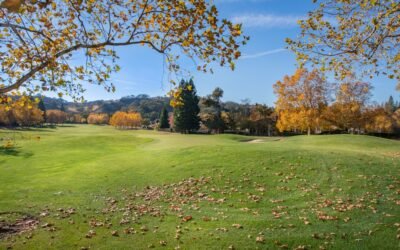
September is typically quite mild, with average temperatures between 7°C and 19°C (45°F to 66°F). October sees a noticeable drop, ranging from 0°C to 11°C (32°F to 52°F). The air is crisp, often clear, and the changing leaves on the trees (especially around Wascana Centre) create beautiful golden and amber landscapes. While days are shorter than in summer, there’s a certain magic to the quality of light. Pack layers as evenings and mornings can be chilly, and frost becomes a possibility in October.
3.2 Crowds: Peaceful Retreat
After the summer rush, crowds dissipate significantly. This makes fall an excellent time for a more relaxed visit, allowing you to explore attractions at your own pace without feeling hurried. Many local students are back in school, and families are settled into routines, leading to fewer tourist groups.
3.3 Costs: Post-Summer Savings
Similar to spring, fall often presents better value for money. Hotel rates typically drop after Labour Day (early September), and flight prices can also be more competitive. You can often find good deals on accommodation and potentially even some last-minute packages.
3.4 Activities: Autumnal Charm
- Fall Foliage Drives: Take a drive through the Qu’Appelle Valley just outside Regina for stunning autumn colours.
- Pumpkin Patches and Corn Mazes: Local farms often open up for family-friendly fall activities.
- Thanksgiving Events (October): If you’re visiting around Canadian Thanksgiving, you might find special menus or community events.
- University Sports: Catch a University of Regina Rams football game or other university sports. The local energy is palpable.
- Harvest Festivals: Smaller, local harvest-themed events might take place in surrounding communities.
4. Winter (November – April): A Snowy Wonderland
Regina winters are cold, there’s no way around it. But for those who embrace the chill, it offers a uniquely Canadian experience.
4.1 Weather: Cold and Snowy
Winter temperatures are consistently below freezing, with averages ranging from -15°C to -5°C (5°F to 23°F) in November and March, and often much colder, down to -25°C (-13°F) or lower, in December, January, and February. Wind chill can make it feel even colder. Snowfall is common, creating picturesque white landscapes. However, dry, sunny winter days are also frequent, and the cold can feel invigorating if you’re dressed appropriately (think extreme layers: thermal underwear, warm sweaters, a heavy winter coat, waterproof boots, hat, gloves, and scarf).
4.2 Crowds: Sparse and Intimate
Winter is certainly the quietest time for tourism in Regina. Outdoor attractions will be less busy, and indoor venues will have a more relaxed atmosphere. If you’re looking for a peaceful escape and don’t mind the cold, this can be a surprisingly charming time to visit. You’ll primarily encounter locals going about their daily lives.
4.3 Costs: The Best Deals
| Month | Weather | Crowds | Costs |
|---|---|---|---|
| June | Mild and pleasant | Moderate | Medium |
| July | Warm and sunny | High | High |
| August | Warm and sunny | High | High |
| September | Cooling down | Moderate | Medium |
This is generally when you’ll find the lowest prices for flights and accommodation. Many hotels offer significant discounts to attract guests during the off-season. If budget is a primary concern, and you’re prepared for the weather, winter can be an extremely affordable time to visit.
4.4 Activities: Embracing the Frost
- Ice Skating: Wascana Lake often has designated areas for outdoor skating (weather permitting).
- Cross-Country Skiing and Snowshoeing: Trails in Wascana Centre and nearby parks are perfect for these activities.
- Globe Theatre: Enjoy an indoor theatre performance, a great way to escape the cold.
- Museums and Galleries: Spend time in the Royal Saskatchewan Museum, Government House, or the MacKenzie Art Gallery.
- Regina Pats WHL Hockey: Catch a fast-paced junior hockey game, a classic Canadian winter pastime. The Brandt Centre will be buzzing.
- Winter Festivals: While less frequent than summer, some local winter festivals and light displays occur around the holidays. The Regina Frost Festival is a newer addition that aims to celebrate winter with various activities and art installations, typically in February.
- Cozy Cafes and Restaurants: Winter is the perfect excuse to explore Regina’s burgeoning food scene, warming up with hearty meals and hot beverages. Many establishments have fireplaces, offering a truly hygge experience.
If you’re planning a trip to Regina, Saskatchewan, understanding the best time to visit is crucial for maximizing your experience. For insights on how weather, crowds, and costs can influence your travel plans, you might find it helpful to read a related article that delves into these aspects in detail. This resource can provide you with valuable tips to ensure your visit aligns with your preferences and budget. To explore more about travel considerations, check out this informative article that complements your planning for Regina.
5. Major Events and Festivals: Planning Around a Calendar
Some specific events can heavily influence the best time for your visit, depending on your interests.
5.1 Summer Event Highlights
- Canada’s Farm Progress Show (June): A massive agricultural exhibition. If you’re in the agri-business, this is a must-attend, but it will drive up accommodation prices.
- Regina Folk Festival (August): Draws music lovers from across the country. Book accommodations well in advance if you plan to attend.
- Queen City Ex (August): The annual fair, great for families but means more crowds.
- Saskatchewan Roughriders Football (June – October): Home games for the CFL team are a huge deal in Regina. Mosaic Stadium pulses with green and white on game days, and hotels can fill up. Check their schedule if you’re a fan or want to avoid gametime traffic.
5.2 Winter Event Highlights
- Regina Frost Festival (February): A newer initiative aiming to embrace winter with cultural and recreational activities.
- Regina Pats Hockey (October – March): Attending a Western Hockey League game is an iconic Canadian experience.
- Holiday Lights and Markets (November – December): Leading up to Christmas, the city often has various festive displays and small markets.
5.3 Shoulder Season Events
- University of Regina Events (September – April): Check out their arts performances, sports games, and lectures for local culture.
- Art and Craft Markets: Often pop up in spring and fall, showcasing local talent.
Making Your Decision
Ultimately, the best time to visit Regina depends on what you’re looking for.
- For pleasant weather and fewer crowds: Late Spring (May-June) or Early Fall (September-October) is your sweet spot.
- For guaranteed warmth and bustling atmosphere with festivals: Summer (July-August) is ideal, but prepare for heat and higher costs.
- For budget travel and embracing a true Canadian winter: Winter (November-April) offers a unique, tranquil experience for the prepared traveler.
No matter when you choose to visit, Regina a city with a surprising amount to offer, and each season paints a different, but equally compelling, picture of the provincial capital. Just pack accordingly, and you’re sure to have a memorable trip.
FAQs
1. What is the best time to visit Regina, Saskatchewan for favorable weather?
The best time to visit Regina for favorable weather is during the summer months of June to August, when temperatures are warm and precipitation is lower.
2. When is the peak tourist season in Regina, Saskatchewan?
The peak tourist season in Regina is during the summer months of June to August, when the weather is most favorable and many outdoor events and festivals take place.
3. What is the off-peak season in Regina, Saskatchewan?
The off-peak season in Regina is during the winter months of December to February, when temperatures are cold and snowfall is common. This is also the time when tourist crowds are at their lowest.
4. When can visitors find the best deals and lower costs in Regina, Saskatchewan?
Visitors can find the best deals and lower costs for accommodations and attractions during the off-peak season in the winter months of December to February.
5. What are the shoulder seasons in Regina, Saskatchewan?
The shoulder seasons in Regina are during the spring months of April and May, and the fall months of September and October. During these times, the weather is mild and there are fewer crowds, making it a good time to visit with lower costs compared to the peak season.