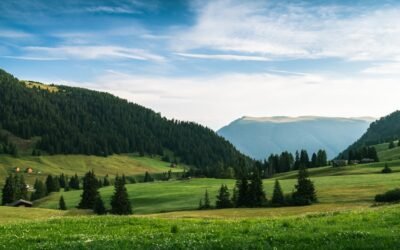
Planning a trip to Tortum in Erzurum, Turkey? The best time to visit Tortum depends on whether you want to see its famous waterfall at full strength, enjoy comfortable hiking weather, or explore without the summer crowds. The difference matters because Tortum Waterfall changes dramatically throughout the year.
Quick Answer
The best time to visit Tortum Waterfall is May or June, when snowmelt and seasonal rainfall usually produce its most impressive flow. September offers comfortable sightseeing and fewer summer visitors, but the waterfall may carry much less water. July and August are warmer and busier, while winter brings cold weather and possible access problems.
Last checked: October 23, 2026. Dates and figures were verified against official sources.
Key Takeaways
- May offers green landscapes and excellent opportunities to see powerful waterfall flow.
- June combines longer daylight hours with the end of the main high-flow period.
- July and August are suited to warm-weather sightseeing, but water levels usually decline after June.
- September and October are attractive for photography, cooler walks, and a quieter atmosphere.
- Winter visitors should prepare for freezing temperatures, snow, and slippery paths.
Best Time to Visit Tortum: Weather and Waterfall Conditions by Month
May and June are the strongest choices for seeing Tortum Waterfall, while September is a good alternative for comfortable sightseeing. However, the weather and waterfall flow are not the same thing. Warm summer weather does not guarantee a powerful waterfall.
The Erzurum Provincial Directorate of Culture and Tourism states that Tortum Waterfall is particularly impressive in May and June. Water volume gradually decreases after June.
The waterfall stands in Uzundere district, near Tortum Lake, rather than in Erzurum city itself. It drops approximately 48 meters and spans about 22 meters. The surrounding area is roughly 1,000 meters above sea level.
Monthly Weather and Travel Comparison
The following table uses average daytime maximum temperatures from the Turkish State Meteorological Service’s Erzurum city climate records for 1929–2025. These are regional reference figures, not temperatures measured at Tortum Waterfall. The waterfall’s lower elevation and local valley conditions can produce different temperatures.
| Month | Erzurum Average High | What to Expect Around Tortum |
|---|---|---|
| January | -3.9°C (25°F) | Cold, possible snow and ice; limited outdoor comfort. |
| February | -2.3°C (28°F) | Winter landscapes and possible travel disruption. |
| March | 2.7°C (37°F) | Early thawing in some areas; cold and muddy conditions possible. |
| April | 11.1°C (52°F) | Greener scenery, spring rainfall, and improving outdoor conditions. |
| May | 16.9°C (62°F) | Excellent waterfall viewing and lush spring scenery. |
| June | 21.9°C (71°F) | Strong seasonal waterfall flow and long sightseeing days. |
| July | 26.6°C (80°F) | Warm weather, more summer visitors, and usually reduced waterfall flow. |
| August | 27.4°C (81°F) | Warm summer travel, potentially low waterfall flow. |
| September | 22.8°C (73°F) | Comfortable sightseeing and fewer summer holiday visitors. |
| October | 15.3°C (60°F) | Autumn colors, crisp air, and shorter days. |
| November | 6.9°C (44°F) | Cold, quiet sightseeing with increasing frost risk. |
| December | -0.8°C (31°F) | Winter cold, limited daylight, and possible snow. |
Important distinction: Monthly temperature averages describe normal regional conditions, not an exact forecast. Waterfall flow depends on seasonal snowmelt, rainfall, lake water levels, and local water management.
Spring: March to May
Spring is one of the most rewarding seasons in Tortum. Snow begins to melt, fresh greenery returns, and the waterfall becomes increasingly impressive as water levels rise.
The main trade-off is unpredictable weather. Early spring may still feel like winter, while late spring offers a much better balance of sightseeing conditions and waterfall flow.
March: Lingering Winter Chill
March is a transition month rather than a dependable warm-weather season. Erzurum city’s average daytime high is only 2.7°C (37°F), although conditions around the lower waterfall site may differ.
Snow may begin melting at lower elevations while shaded areas remain icy. Trails can also become muddy as frozen ground thaws.
For photographers, the contrast between lingering snow and early signs of spring can be appealing. March also tends to be quieter than the warmer months.
However, March is not the strongest choice for relaxed outdoor sightseeing. Choose it if solitude matters more than comfortable temperatures.
April: Green Valleys and Spring Rain
April brings noticeable warming, greener hillsides, and more opportunities to explore outside. The Erzurum city average daytime high rises to 11.1°C (52°F).
Spring rainfall can help create beautiful scenery, but wet paths and cold evenings are still possible. Dress in layers and wear shoes that handle mud and uneven surfaces.
Wildflowers may begin appearing as local conditions warm. This is a good month for nature photography and peaceful walks, particularly during suitable weather.
April offers a useful alternative if you cannot visit in May. Still, the timing and strength of waterfall flow are less predictable than during the officially identified May–June peak.
May: One of the Best Months for Tortum Waterfall
May is an excellent month to visit Tortum if your main goal is to experience the waterfall at its most impressive. Spring snowmelt and rainfall commonly contribute to high water levels.
The hills and valleys become greener, making the area especially attractive for photography. Average daytime highs in Erzurum city reach 16.9°C (62°F), with warmer conditions possible around the lower waterfall site.
May is well suited to:
- Photographing strong waterfall flow and the surrounding green landscape.
- Enjoying short nature walks and scenic viewpoints.
- Having a picnic in the designated recreation areas.
- Exploring Tortum Lake and nearby valley scenery.
May is not always crowd-free. Weekends and Turkish public holidays can bring more domestic visitors.
For example, Türkiye’s 2027 public holiday calendar lists Kurban Bayramı (Eid al-Adha) on May 16–19, following the holiday eve on May 15. The dates are confirmed in the Diyanet Presidency’s 2027 holiday calendar.
Visitors seeking a quieter trip in May may prefer ordinary weekdays outside major holiday periods.
Summer: June to August

Summer offers the warmest weather and longest sightseeing days around Tortum. It is a convenient season for families, road trips, and exploring the wider Erzurum region.
However, summer is not consistently the best season for waterfall viewing. June remains favorable, but flow often decreases substantially during July and August.
June: Warm Weather and Powerful Waterfall Views
June combines the benefits of late spring with longer daylight hours and increasingly comfortable outdoor temperatures. Erzurum city’s average daytime high is 21.9°C (71°F).
The waterfall can still be particularly impressive because June falls within its main high-flow season. Green landscapes and stronger water flow make it a rewarding month for photographers.
June is especially suitable for travelers who want to combine waterfall viewing with longer drives through the surrounding valleys.
Summer visitor numbers generally begin to rise toward the end of the month.
According to the Turkish Ministry of National Education’s 2026–2027 school calendar, the school year ends on June 25, 2027. The start of the summer school holiday period may increase demand for family travel afterward.
July: Warm Sunshine and Summer Crowds
July is one of the warmer months in Erzurum. The city’s average daytime high is 26.6°C (80°F), although hotter days can occur.
This is a convenient time to explore outdoor attractions, enjoy scenic drives, and spend longer hours outside.
However, Tortum Waterfall may have much less water than it does in May or June. The surrounding scenery can still be worthwhile, but visitors expecting a massive curtain of water may be disappointed.
Summer weekends can also bring more people to popular viewing areas. If you prefer a relaxed visit, arriving earlier in the day is a sensible approach.
Bring breathable clothes, sunscreen, a hat, and drinking water. Sunshine can feel intense during longer outdoor visits.
August: Continued Warmth and Lower Waterfall Flow
August remains warm and is the hottest month in the Erzurum city climate averages, with a daytime high of 27.4°C (81°F).
This is a comfortable month for visitors who enjoy summer road trips, especially when combined with other destinations across the region.
However, late-summer waterfall flow can be considerably weaker than in spring. Some years may have only limited visible flow, so August is not the most reliable choice for a dramatic waterfall experience.
August also falls within the main domestic summer holiday period. Accommodation demand may remain strong, especially around weekends.
Evenings can become much cooler than the daytime, so a light extra layer is useful.
Autumn: September to November

Autumn is a strong alternative to summer if you want cooler temperatures, attractive scenery, and a quieter atmosphere. September is generally the most comfortable autumn month for sightseeing, while October brings stronger seasonal color changes.
The main limitation is waterfall flow. Autumn visits are better planned around the landscape and viewpoints than around expectations of powerful falling water.
September: Comfortable Weather and Fewer Visitors
September is one of the best months for relaxed sightseeing around Tortum. Erzurum city’s average daytime high is 22.8°C (73°F), making outdoor activities more comfortable than during the hottest summer days.
As school holidays end, visitor pressure may ease, especially on weekdays.
The pleasant weather suits scenic drives, photography, picnics, and short nature walks. Early autumn can also provide clear views of the surrounding valleys.
However, September should not be described as a peak waterfall month. Seasonal flow usually decreases after June, and the amount of visible water can be limited.
Choose September if you value comfortable temperatures and a peaceful trip more than powerful waterfall flow.
October: Autumn Colors and Crisp Air
October is attractive for travelers who enjoy autumn scenery. Tree leaves begin changing color, and cooler air makes walking pleasant on suitable days.
The Erzurum city average daytime high drops to 15.3°C (60°F). Nights can become cold, so warm layers are useful.
Autumn colors may be especially attractive in wooded areas and sheltered valleys. Their exact timing varies with temperature, rainfall, and elevation.
The region is generally quieter than during summer, making October appealing for landscape photography and peaceful sightseeing.
However, the waterfall itself may have limited flow. Visitors should view October primarily as a scenic autumn trip rather than a dependable waterfall-viewing season.
November: Cold Weather and Quiet Landscapes
November marks the approach of winter. Erzurum city’s average daytime high is only 6.9°C (44°F), and nighttime frost becomes increasingly likely.
Most autumn leaves may have fallen, leaving a more open and bare landscape.
November is suitable for travelers seeking quiet surroundings and who are comfortable with cold weather.
There may be fewer visitors, but some seasonal services can operate on reduced schedules. Daylight hours also become shorter.
For most first-time visitors, September or October offers a better autumn experience.
Winter: December to February
Winter is the most challenging season for visiting Tortum Waterfall. Snow, freezing temperatures, icy roads, and short daylight hours can make outdoor sightseeing difficult.
Still, the wider Erzurum region offers appealing winter landscapes and activities for travelers prepared for severe cold.
December: The Beginning of Winter Conditions
December brings freezing nights and increasing chances of snow. Erzurum city’s average daytime high is -0.8°C (31°F).
The surrounding mountains and valleys may develop beautiful winter scenery. However, cold weather limits comfortable outdoor exploration.
Pack thermal clothing, waterproof footwear, gloves, and a warm coat. Roads and steps may be slippery.
January: The Coldest Part of Winter
January is generally the coldest month in the Erzurum climate records, with an average daytime high of -3.9°C (25°F).
Nighttime temperatures can fall far below freezing. Heavy winter clothing is essential, especially for anyone spending extended periods outdoors.
Snow-covered valleys may appeal to photographers, but the waterfall viewing paths can become difficult or unsafe.
January is best suited to visitors who are already planning a winter trip to Erzurum rather than those making a special journey to see powerful waterfall flow.
February: Cold but Slowly Changing Conditions
February remains firmly within the winter season, with an Erzurum city average daytime high of -2.3°C (28°F).
Snow and ice can persist, especially in shaded areas and at higher elevations.
Late winter occasionally brings milder days, but these do not guarantee accessible paths or flowing water.
For winter sports enthusiasts, the wider Erzurum region includes destinations such as Palandöken. Tortum itself is primarily a natural sightseeing destination, not a major ski resort.
Warning: Wet waterfall steps, icy paths, and steep viewing areas can be slippery. Stay on designated walkways, keep away from the water’s edge, and avoid descending stairs when conditions are unsafe. Children should remain closely supervised near viewing areas.
Factors Beyond Weather: Crowds and Costs
Choosing the best time to visit Tortum also involves balancing visitor numbers, travel expenses, and the kind of experience you want.
Summer is generally the busiest period for regional leisure travel, while spring and autumn can be more peaceful outside holidays and weekends. These are planning patterns rather than official monthly visitor counts.
| Month | Weather | Crowds | Costs |
|---|---|---|---|
| May | Mild, occasionally rainy | Low to medium; higher on holidays | Often moderate; holiday dates vary |
| June | Mild to warm | Medium; rising toward school holidays | Moderate to higher near holiday periods |
| July | Warm and sunny | High relative to shoulder months | Summer demand may increase costs |
| August | Warm and generally dry | High relative to shoulder months | Summer demand may increase costs |
| September | Mild and often sunny | Medium to low | Often moderate |
| October | Cool with cold nights | Usually low outside holidays | Potential shoulder-season savings |
When Is Tortum Most Crowded?
July and August are generally the busiest months for leisure travel because of the summer holiday period. However, the waterfall can also attract significant visitor interest in May and June when its flow is strongest.
Public holidays and weekends may create short periods of heavier traffic even outside summer.
For quieter sightseeing, consider weekdays in May, September, or October. These periods can offer a more relaxed atmosphere than busy summer weekends.
March, November, and winter months are normally quieter, although cold conditions reduce the appeal of outdoor activities.
How Much Does It Cost to Visit Tortum Waterfall?
Tortum Waterfall has an official admission tariff, so visitors should not assume that entry is free.
According to Uzundere Municipality’s January 2, 2026 decision, the approved entrance fees are:
- Regular admission: 30 Turkish lira (TL).
- Student admission: 20 TL.
The municipal decision also provides for ticket controls through turnstiles. It does not establish a clearly confirmed parking tariff in the same document, so parking charges should be treated separately from admission.
These are the officially documented 2026 entrance figures, not guaranteed prices for later years.
Accommodation, transport, meals, and optional tours add to your overall trip cost. The waterfall itself can be visited as part of a day trip, which may help you avoid an additional overnight stay.
When Are Flights and Hotels More Affordable?
Flight and accommodation prices can change with demand, holidays, and how far in advance you book.
July and August may bring higher demand for popular travel dates. May, September, and October can provide more flexibility, although major holidays may still increase prices.
Winter accommodation may sometimes cost less, but fewer available services and difficult travel conditions can offset those savings.
There is no reliable fixed monthly hotel or flight price for every traveler. Your departure airport, preferred accommodation, and travel dates determine the actual cost.
Activities and What to Expect Seasonally
Tortum offers different experiences throughout the year. The waterfall is the main attraction, but the surrounding valleys, lake, and natural landscape provide additional reasons to visit.
The best activities depend on the temperature, available daylight, and the amount of water flowing over the falls.
Springtime Adventures: March to May
Spring is best for seeing the landscape return to life, particularly during April and May.
- Waterfall Photography: May provides one of the strongest opportunities to photograph impressive water flow.
- Nature Walks: Explore suitable paths as the surrounding vegetation becomes greener.
- Wildflower Photography: Look for seasonal flowers in sheltered areas as temperatures rise.
- Picnicking: Make use of designated recreation areas during comfortable weather.
Summertime Explorations: June to August
Summer is best for longer sightseeing days and exploring more of the surrounding region.
- Waterfall Viewing: June is the strongest summer choice before the seasonal decline in flow.
- Scenic Driving: Explore the roads and landscapes around Tortum Lake and Uzundere.
- Outdoor Meals: Enjoy local food and recreation areas during warmer weather.
- Regional Events: Summer may include local celebrations, although no fixed annual event at the waterfall itself should be assumed without a confirmed program.
Autumnal Escapades: September to November
Autumn is particularly attractive for landscape photography and sightseeing without intense summer heat.
- Autumn Photography: Capture changing foliage colors, hillside scenery, and the surrounding valleys.
- Scenic Drives: Enjoy mountain and valley views during clear weather.
- Short Walks: Take advantage of cooler daytime temperatures in September and October.
- Peaceful Sightseeing: Visit viewpoints during quieter periods outside major holidays.
Winter Wonders: December to February
Winter is suited to travelers interested in snowy landscapes and cold-weather experiences.
- Winter Photography: Capture snow-covered hills and valleys when conditions allow safe access.
- Local Cafes: Warm up indoors after short outdoor visits.
- Regional Winter Sports: Combine a wider Erzurum trip with skiing or other activities at established winter destinations.
- Quiet Sightseeing: Appreciate the winter landscape without expecting peak waterfall flow.
What Should You Know Before Visiting Tortum Waterfall?
A visit to Tortum Waterfall is relatively straightforward with suitable transport and weather. However, understanding the viewing arrangements, distances, and seasonal water conditions will help you plan more effectively.
Where Is Tortum Waterfall Located?
Tortum Waterfall is in Uzundere district, Erzurum province, near the northern end of Tortum Lake. It is approximately 100 kilometers north of Erzurum city, depending on the starting point and route.
The Türkiye Culture Portal explains that Tortum Lake formed when a landslide blocked the Tortum River valley. Water spilling over the natural barrier created the waterfall.
A hydroelectric power station was built in the area between 1952 and 1960. Water management, lake levels, and seasonal conditions help explain why the waterfall’s appearance changes throughout the year.
Can You Get Close to the Waterfall?
Yes. The main viewing area includes stairs that allow visitors to explore different viewpoints.
Official tourism information describes stairs on both sides and a lower wooden bridge that provides views toward the waterfall.
When the waterfall carries substantial water, spray can make nearby surfaces wet. Footwear with reliable grip is useful, and visitors should avoid stepping beyond protective barriers.
Some routes involve considerable stair climbing. Travelers with limited mobility may need to choose accessible viewpoints rather than the lower viewing path.
What Are the Visiting Hours?
The Turkish Ministry of National Education’s official educational visitor listing for Tortum Waterfall displays opening hours of 08:00 to midnight, seven days a week.
This listing does not guarantee that every individual facility, staircase, or service remains accessible throughout those hours.
Daylight visits are generally more practical because you can enjoy clearer views and identify uneven or slippery ground more easily.
What Should You Pack?
Pack according to the season rather than assuming Tortum will always be warm.
- Spring: Comfortable walking shoes, rain protection, and warm layers.
- Summer: Lightweight clothing, sunscreen, a hat, and drinking water.
- Autumn: A warm jacket, comfortable footwear, and layers for changing temperatures.
- Winter: Thermal clothing, insulated footwear, waterproof outerwear, gloves, and a warm hat.
Keep your camera or phone protected from spray when photographing the waterfall at close range.
Can You Swim at Tortum Waterfall?
Tortum Waterfall should be treated as a sightseeing destination rather than a swimming location. The force of falling water, slippery rocks, and changing water levels create serious hazards near the base.
The surrounding region may offer other recreational water activities, but these should not be confused with swimming directly beneath the waterfall.
Stay within designated visitor areas and follow locally posted restrictions.
Final Thoughts on Timing Your Tortum Trip
The best month for your Tortum visit depends on what you want to see and how you prefer to travel.
- For powerful waterfall views: Choose May or June.
- For green scenery and spring photography: Choose May, with April as an earlier alternative.
- For warm summer sightseeing: Choose June, July, or August, but expect water flow to decline later in summer.
- For comfortable weather and fewer visitors: Choose September.
- For autumn colors and a quieter atmosphere: Choose October.
- For solitude and cold-weather landscapes: Consider November through March, provided travel conditions are suitable.
If Tortum Waterfall is the main reason for your journey, May and June offer the strongest seasonal advantage. If you are visiting the broader Erzurum region for scenery and outdoor relaxation, September is another excellent choice.
Before setting out, check the forecast and any temporary road or visitor-area restrictions for your travel dates.
Frequently Asked Questions
What is the best time to visit Tortum, Erzurum, in terms of weather?
May, June, and September are excellent choices for comfortable sightseeing around Tortum. May and June are particularly appealing because the waterfall usually carries more water. July and August are warmer, while September often provides a pleasant balance of comfortable temperatures and fewer summer visitors.
When is the peak tourist season in Tortum, Erzurum?
July and August are generally the main summer holiday months, bringing more regional leisure travelers. However, the waterfall may attract significant interest during May and June because its flow is usually strongest then. Weekends and public holidays can also be busy outside summer.
When is the off-peak season in Tortum, Erzurum?
The colder months, particularly November through March, are generally quieter for outdoor sightseeing. December, January, and February bring the greatest winter challenges, including possible snow and freezing temperatures. These months can suit travelers seeking solitude, but outdoor access may be limited.
What are the crowds like during Tortum’s peak tourist season?
Popular viewing areas can become busier during summer weekends, school holidays, and public holidays. However, official monthly visitor counts were not available to establish exact crowd levels. For a quieter experience, consider ordinary weekdays outside the main holiday periods.
How does the cost of visiting Tortum vary throughout the year?
Travel costs depend on transport, accommodation, holidays, and demand. Summer travel dates may be more expensive than quieter shoulder-season periods. The municipality’s documented 2026 waterfall admission tariff is 30 TL for regular tickets and 20 TL for students, with accommodation and transport charged separately.
Does Tortum Waterfall flow all year?
Tortum Waterfall does not maintain equally strong flow throughout the year. Official tourism information identifies May and June as its most impressive period and notes decreasing water volume after June. The amount of water visible during late summer or autumn can be much lower.
Where is Tortum Waterfall located?
Tortum Waterfall is in Uzundere district of Erzurum province in northeastern Turkey, near the northern end of Tortum Lake. It lies roughly 100 kilometers north of Erzurum city. The waterfall is named after Tortum, but the attraction itself is administratively within Uzundere district.
Is Tortum Waterfall worth visiting in September or October?
Yes, September and October can be rewarding for scenery, photography, and quieter sightseeing. September generally offers more comfortable temperatures, while October brings cooler air and autumn colors. However, these months are less reliable for seeing powerful waterfall flow than May and June.
Sources
- Erzurum Provincial Directorate of Culture and Tourism: Official information about Tortum Waterfall, seasonal water flow, dimensions, and visitor facilities.
- Turkish State Meteorological Service: Official Erzurum city climate statistics and monthly average temperatures for the stated observation period.
- Türkiye Culture Portal: Waterfall formation, location, hydroelectric development, and seasonal characteristics.
- Diyanet Presidency: Türkiye’s official 2027 public holiday calendar, including the May Kurban Bayramı dates.
- Turkish Ministry of National Education: Official 2026–2027 school calendar and June 25, 2027 school-year completion date.
- Uzundere Municipality, January 2, 2026 Decision: Official Tortum Waterfall admission tariffs and visitor-ticket arrangements.
- Ministry of National Education, Tortum Waterfall Visitor Listing: Location, visitor hours, and listed site facilities.