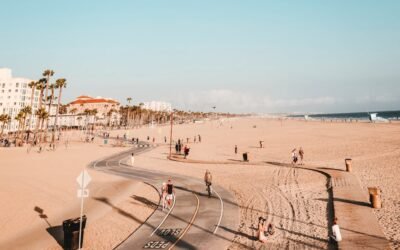
Planning a trip to Mersin, Turkey? This Mediterranean city has sunny beaches, ancient ruins, beautiful coastal scenery, and some seriously good food. But the experience changes quite a bit between the mild spring months and the hot summer season. Choosing the best time to visit Mersin depends on whether you want comfortable sightseeing, warm swimming water, fewer crowds, or lower travel costs.
Quick Answer
The best time to visit Mersin is April to May or September to October. Spring offers comfortable sightseeing weather, while September is excellent for swimming in the warm Mediterranean Sea. October is especially appealing for exploring historical sites. July and August suit beach lovers but bring the year’s hottest weather and busiest coastal resorts.
Last checked: October 23, 2026. Dates and figures were verified against official sources.
Key Takeaways
- Best for sightseeing: April, May, and October offer comfortable conditions for walking and exploring ancient ruins.
- Best for swimming: June through September is the most dependable beach season, with warm water often continuing into October.
- Hottest months: July and August have average daytime highs around 31–32°C, with hotter days possible.
- Best for lower costs: November through February can offer better accommodation value, although rain becomes more likely.
- Important booking dates: Turkish school holidays, religious holidays, and local festivals can temporarily increase demand even outside summer.
Best Time to Visit Mersin by Month: Weather and Travel Conditions
Mersin has a Mediterranean climate with hot, relatively dry summers and mild, wetter winters. However, there is a big difference between spending an afternoon on the beach in August and exploring an exposed archaeological site in April.
The following figures come from the Turkish State Meteorological Service’s Mersin (İçel) climate records, covering 1929–2025. These are long-term averages rather than forecasts for a particular trip.
| Month | Average High / Low | Average Rainfall | Travel Conditions |
|---|---|---|---|
| January | 14.7°C / 6.5°C | 117.5 mm | Quiet, cool, and rainy; good for city visits. |
| February | 15.6°C / 7.0°C | 85.0 mm | Cool sightseeing weather; limited beach appeal. |
| March | 18.2°C / 9.4°C | 55.3 mm | Early spring walks, with occasional showers. |
| April | 21.7°C / 13.1°C | 33.1 mm | Excellent for ruins, nature, and walking. |
| May | 25.1°C / 17.0°C | 23.3 mm | Warm, sunny days; swimming improves later in the month. |
| June | 28.3°C / 21.0°C | 9.9 mm | Excellent beach weather; summer crowds build. |
| July | 30.9°C / 24.2°C | 11.3 mm | Hot, sunny, and busy at popular beaches. |
| August | 31.7°C / 24.5°C | 7.1 mm | Hottest month; warm sea and peak beach activity. |
| September | 30.2°C / 21.2°C | 11.9 mm | Warm sea; generally fewer families after schools reopen. |
| October | 26.8°C / 16.5°C | 37.7 mm | Great sightseeing weather; some swimming remains possible. |
| November | 21.7°C / 11.8°C | 76.7 mm | Quieter travel, cultural events, and increasing rain. |
| December | 16.6°C / 8.1°C | 136.6 mm | Wettest month; best for flexible city trips. |
How to read the table: The temperatures are average daily highs and lows. A summer afternoon can be substantially hotter, while winter nights can occasionally be colder. Crowd descriptions reflect typical travel patterns, not official monthly visitor counts.
Spring in Mersin: March to May
Spring is one of the best seasons for exploring Mersin’s natural beauty and historical attractions. Temperatures rise steadily, the countryside becomes greener, and outdoor activities feel much easier than during the hottest summer months.
March: A Quiet Start to Spring
March is a good option if you enjoy cooler sightseeing weather and want to avoid the main beach season. Average daytime highs reach 18.2°C (65°F), but mornings and evenings can still feel chilly.
- Weather: Rainfall averages 55.3 mm, so expect a mix of sunny periods and showers.
- Crowds: Tourist areas are generally quieter than during summer, although domestic holidays can create busy periods.
- Costs: Accommodation can offer good value, particularly outside holiday dates.
- Best activities: City walks, museums, historical sites, and exploring the surrounding countryside.
March is less suitable if swimming is your main priority. The sea is still relatively cool after winter.
April: Excellent Weather for Sightseeing
April is arguably the strongest choice for exploring Mersin on foot. Average daytime highs are 21.7°C (71°F), with noticeably less rain than in March.
- Weather: Mild afternoons are ideal for walking around ancient ruins or along the waterfront. Occasional rain remains possible.
- Crowds: Beaches are usually calmer than in summer, although Easter travel and Turkish national holidays may increase visitor numbers in some locations.
- Costs: Hotels may offer better value than during the peak summer season.
- Best activities: Soli-Pompeiopolis, Uzuncaburç, Kanlıdivane, and nature walks in the foothills of the Taurus Mountains.
April 23 is Türkiye’s National Sovereignty and Children’s Day, a public holiday that can bring celebrations and increased domestic travel.
May: Warm Sunshine Before Peak Summer
May combines pleasant sightseeing weather with the beginning of the beach season. The average daytime high reaches 25.1°C (77°F), and rainfall drops to about 23.3 mm.
- Weather: Longer sunny periods and warm afternoons make outdoor sightseeing especially enjoyable.
- Crowds: Visitor numbers gradually increase, but many beach areas remain less busy than in July or August.
- Costs: Prices may rise as the summer holiday season approaches, particularly near popular coastal resorts.
- Best activities: Historical excursions, coastal walks, boat outings, and beach visits during the warmer part of the month.
The sea may still feel cool in early May. If you plan to spend most of your holiday swimming, late May or June is a better choice.
For travelers planning ahead, the 2027 Kurban Bayramı (Eid al-Adha) holiday falls on May 16–19, with the eve on May 15. This is a period when domestic travel demand may increase.
Summer in Mersin: June to August
Summer is the main beach season in Mersin. The Mediterranean Sea is warm, sunshine is abundant, and coastal resorts become much livelier. However, humidity and high temperatures can make midday sightseeing uncomfortable.
June: A Good Balance of Beaches and Activities
June is a strong choice for travelers who want warm swimming weather without the most intense summer heat. Average daytime highs reach 28.3°C (83°F), and monthly rainfall is only about 9.9 mm.
- Weather: Mostly dry and sunny, with steadily warming seawater.
- Crowds: Beach activity increases as summer holidays begin, especially toward the end of the month.
- Costs: Beachfront accommodation becomes more popular and may cost more than during spring.
- Best activities: Swimming, seaside relaxation, coastal excursions, and morning visits to outdoor attractions.
For the 2026–2027 academic year, Turkish schools finish on June 25, 2027. The following weeks are likely to see greater family holiday demand.
July and August: Hot Weather and Busy Beaches
July and August are Mersin’s hottest months. Average daytime highs are 30.9°C (88°F) in July and 31.7°C (89°F) in August. Actual temperatures can exceed 35°C during hot spells.
Humidity makes the heat feel stronger, especially near the coast. Nights also remain warm, with average lows above 24°C.
- Weather: Very sunny and mostly dry, with warm seawater.
- Crowds: Popular beaches and summer resorts are at their busiest, particularly on weekends and during school holidays.
- Costs: High demand can push up accommodation prices at desirable coastal properties.
- Best activities: Beach holidays, swimming, water activities, and relaxing evening walks.
Try to visit exposed archaeological sites in the morning rather than during the hottest part of the day. A beach holiday can be comfortable in August, but spending hours walking among stone ruins is another matter.
Summer also brings regional celebrations. For example, the 18th International Culture and Banana Festival in Anamur took place July 17–19, 2026, featuring cultural celebrations and local activities. Future editions may follow different dates.
If you enjoy a busy holiday atmosphere and want to spend most of your time in the water, July and August can be great. But for long days exploring Mersin’s history, spring or autumn is more comfortable.
Autumn in Mersin: September to November
Autumn provides another excellent travel window, especially for visitors who want warm weather without the full intensity of summer. September remains hot and suitable for swimming, while October becomes more comfortable for sightseeing.
September: Excellent for Warm-Sea Swimming
September is one of the best months for a Mediterranean beach holiday in Mersin. The sea retains much of its summer warmth, and the weather remains mostly sunny and dry.
- Weather: Average daytime highs reach 30.2°C (86°F), so September can still feel like summer.
- Crowds: Some coastal resorts become quieter once schools reopen, although popular beaches may remain busy early in the month.
- Costs: Accommodation can become more affordable as peak summer demand eases.
- Best activities: Swimming, coastal drives, seaside dining, and morning visits to historical attractions.
September is particularly attractive if you want warm water but prefer to avoid traveling during the busiest school holiday period.
October: Comfortable Days and Fewer Beach Crowds
October is an excellent month for exploring Mersin’s cultural and natural attractions. Average daytime highs are 26.8°C (80°F), making outdoor activities more comfortable than during midsummer.
- Weather: Warm afternoons, cooler evenings, and a greater chance of occasional rainfall.
- Crowds: Beaches and popular sightseeing locations generally become quieter.
- Costs: Hotels may offer better value than in the height of summer.
- Best activities: Ancient ruins, hiking, photography, markets, and waterfront walks.
Swimming can still be pleasant, particularly early in October, although the experience depends on daily conditions and your tolerance for cooler water.
October also includes Republic Day on October 29, a Turkish public holiday. Celebrations may take place in the city, while popular domestic travel destinations can experience extra demand.
November: A Quieter Cultural Travel Month
November is noticeably cooler and wetter than October, but sightseeing remains possible on dry days. Average daytime highs are 21.7°C (71°F), and average monthly rainfall rises to 76.7 mm.
- Weather: Mild afternoons but a greater possibility of rain.
- Crowds: Usually quieter at beaches and coastal holiday properties, apart from special events and school breaks.
- Costs: Some accommodation may offer lower off-season rates.
- Best activities: Museums, local food experiences, city walks, and cultural events.
November can also be a rewarding festival month. The 5th International Tarsus Festival is scheduled for November 6–8, 2026, with cultural, artistic, and historical activities.
Additionally, Turkish schools have a break from November 16–20, 2026, which may increase domestic travel during that week.
Winter in Mersin: December to February
Mersin’s winters are relatively mild compared with many inland Turkish destinations. It rarely experiences sustained freezing conditions along the coast, but this is the wettest part of the year and generally not the best time for a traditional beach holiday.
December: Mild Temperatures but Frequent Rain
December is the wettest month in Mersin’s long-term records. Average rainfall reaches 136.6 mm, while daytime highs average 16.6°C (62°F).
- Weather: Cool, damp periods mixed with milder sunny days.
- Crowds: International leisure tourism is generally quieter, apart from holiday travel and special events.
- Costs: Some hotels may offer lower prices than during summer, although business hotels can follow different pricing patterns.
- Best activities: Museums, restaurants, cultural attractions, and flexible city sightseeing.
The Mersin Marathon is another example of a winter event that can attract visitors. It has been held in December, although its schedule should not be assumed to be identical every year.
January and February: Quiet Travel and Lower Seasonal Demand
January and February are suitable for travelers who prefer a calm city atmosphere and don’t need beach weather. Average daytime highs are 14.7°C (58°F) in January and 15.6°C (60°F) in February.
- Weather: Cool evenings, occasional sunny afternoons, and regular rain.
- Crowds: Fewer international holiday visitors, but local life continues year-round.
- Costs: A reasonable time to look for off-season accommodation savings.
- Best activities: Museums, city restaurants, markets, and short excursions when conditions are dry.
Turkish schools have a semester break from January 25 to February 5, 2027. Some family travel demand may increase during those dates.
Ramadan begins on February 8, 2027. Visitors may notice different dining patterns during the fasting month, especially around sunset.
Factors to Consider Beyond the Calendar
Weather is only part of planning a good Mersin trip. Your preferred activities, accommodation location, local holidays, and transport options can make one month considerably better than another.
Best Time for Beaches and Swimming
If swimming is your priority, June through September is the most dependable period. Late May and early October can also work, depending on sea conditions and personal comfort.
Mersin has a long Mediterranean coastline with several popular beach destinations. The official GoTürkiye Mersin destination guide highlights coastal areas including Kızkalesi, Susanoğlu, Taşucu, Kumkuyu, and Bozyazı.
- Late May: Good for combining sightseeing with occasional swimming, although the water may still feel cool.
- June: A strong balance of warm weather, comfortable sea temperatures, and summer activities.
- July and August: Best for travelers who enjoy hot beach weather and a lively resort atmosphere.
- September: Excellent for swimming while enjoying a gradual reduction in school-holiday crowds.
- Early October: A good alternative for visitors who want a mix of beaches and sightseeing.
Remember that Mersin city and Mersin province are not the same thing. Many of the most popular swimming beaches are outside the central urban area. Choosing accommodation near the beach you actually want to visit can save significant travel time.
Best Time for Ancient Ruins and Cultural Attractions
April, May, and October are the most comfortable months for visiting Mersin’s historical sites. The milder temperatures make it easier to walk through ruins, climb steps, and explore outdoor archaeological areas.
Some of the region’s notable attractions include:
- Soli-Pompeiopolis: Ancient ruins in the Mezitli area, convenient for travelers staying in Mersin city.
- Uzuncaburç: An ancient settlement near Silifke, known for its impressive surviving structures.
- Kanlıdivane: An archaeological site built around a large natural sinkhole.
- Cennet and Cehennem: Two dramatic sinkholes near Narlıkuyu, associated with ancient history and local legends.
- Kızkalesi: A coastal destination known for its offshore castle and beach scenery.
The official Kanlıdivane archaeological-site information places it approximately 50 km west of central Mersin. The site lies around a large sinkhole, making it particularly interesting for visitors who enjoy both history and natural landscapes.
At Cennet and Cehennem, the official museum description states that reaching the bottom of Cennet involves approximately 450 steps. Cehennem is viewed from above rather than entered.
These are much more comfortable activities during mild weather than during a hot August afternoon.
Some managed attractions charge admission, while coastal walks and exploring public streets are generally free. Costs for guided tours, transport, and specific attractions vary.
Best Time for Nature and Hiking
Spring is particularly attractive for nature lovers. The surrounding landscapes become greener, flowers bloom, and the temperatures are generally suitable for walking.
The Taurus Mountains offer a different experience from Mersin’s beaches. Higher elevations tend to be cooler than the coast, especially during summer.
- Spring: Green landscapes, wildflowers, and comfortable walking conditions.
- Summer: Mountain areas can provide relief from coastal heat, but exposed trails may still be hot.
- Autumn: Pleasant hiking weather, especially during October.
- Winter: Coastal nature trips remain possible, but mountain conditions can be much colder and more demanding.
For most casual hikers, April, May, and October provide the easiest balance of weather and scenery.
When Is Mersin Cheapest to Visit?
The most affordable time to visit Mersin is often during the cooler off-season, especially from November through February. However, prices depend on your accommodation type, booking dates, and whether a local holiday or event is taking place.
Here is how seasonal costs generally compare:
- Summer: High demand for beachfront accommodation can make July and August more expensive.
- Spring: April and May can offer better accommodation value before the main beach season.
- Autumn: Late September and October may provide a good balance of weather and seasonal prices.
- Winter: Some hotels reduce prices when leisure demand is lower, although this is not guaranteed.
Flights do not always follow the same seasonal pattern as coastal hotels. Route availability, international travel dates, and how far ahead you book can all affect fares.
If you have flexible dates, comparing similar accommodation options in late April, May, late September, and October is a practical starting point.
Turkish Holidays and School Breaks That Affect Crowds
Even outside the traditional summer season, Turkish public holidays can bring increased domestic travel. This matters most when booking beachfront hotels, popular attractions, or accommodation near major event locations.
According to the official Diyanet 2027 religious calendar, the main religious dates are:
- February 8, 2027: Beginning of Ramadan.
- March 9–11, 2027: Ramadan Bayramı (Eid al-Fitr), following the holiday eve on March 8.
- May 16–19, 2027: Kurban Bayramı (Eid al-Adha), following the holiday eve on May 15.
The Turkish Ministry of Education’s 2026–2027 school calendar also confirms:
- November 16–20, 2026: First semester break.
- January 25–February 5, 2027: Midyear school holiday.
- March 8–12, 2027: Second semester break.
- June 25, 2027: End of the school year.
The March 2027 school break overlaps with Eid al-Fitr, making that week a particularly important period to consider when arranging accommodation and transport.
During Ramadan, some restaurants may adjust their routines around fasting and evening meals. In the tourist areas, dining options may still be available during the day.
Special Events and Festivals in Mersin
Mersin has a range of cultural, musical, agricultural, and community events. These can make a trip more interesting, but some celebrations take place only in particular years or change dates.
- Mersin International Music Festival: An established cultural event featuring musical performances. Its program should not be assumed to take place on identical dates every year.
- Anamur International Culture and Banana Festival: Held July 17–19 in 2026, combining regional culture and celebrations.
- International Tarsus Festival: Scheduled for November 6–8, 2026, with art, culture, history, and local activities.
- Mersin Citrus Festival: A festival associated with the region’s citrus-growing heritage, but it has experienced gaps in recent years. A regular annual November schedule should not be assumed.
- National holidays: Dates such as Republic Day can bring public celebrations and local events.
Festivals can create busy periods in individual districts even when the wider region is outside its main tourist season. A hotel in central Mersin may follow a different demand pattern from one in Anamur or Tarsus.
Making the Most of Your Mersin Trip

Once you’ve picked your travel dates, a little planning will help you enjoy both the city and the surrounding region. Mersin offers more than beaches, so it makes sense to leave room for food, history, and coastal exploration.
Enjoy Mersin’s Relaxed Local Atmosphere
Mersin has a different feel from major international resort destinations such as Antalya. Much of the city revolves around everyday local life, restaurants, markets, and the waterfront.
Take time to walk along the seafront promenade, enjoy local cafés, and explore the city’s food scene. The waterfront is particularly pleasant during mild spring and autumn evenings.
Food is part of the experience, too. Mersin is especially associated with dishes and treats such as tantuni and cezerye, making local eating spots worth exploring during any season.
What to Pack for Each Season
Pack for the weather you are likely to experience rather than assuming the Mediterranean coast is hot all year.
- Spring: Comfortable walking shoes, T-shirts, light sweaters, a windbreaker, and a compact umbrella. Add swimwear if visiting in late May.
- Summer: Lightweight cotton or linen clothing, swimwear, sunscreen, sunglasses, a wide-brimmed hat, and a reusable water bottle. A light cover-up can be useful in the evenings.
- Autumn: Light layers, comfortable shoes, a sweater for cooler nights, and swimwear for September or early October.
- Winter: Long trousers, sweaters, a waterproof jacket, and shoes with good grip for wet streets or archaeological paths.
Higher mountain areas may require warmer clothing than the coastal city, even when the forecast for Mersin itself looks comfortable.
Getting Around Mersin and Nearby Attractions
Central Mersin is reasonably easy to explore using a combination of walking and local transport. However, attractions throughout the wider province are spread across a large coastal and mountainous area.
- Public buses: Useful for travel within the urban area and along supported routes.
- Dolmuş minibuses: Shared minibuses that serve many local journeys and nearby destinations. Routes and payment methods vary.
- Taxis: Convenient for shorter trips or when carrying luggage. Make sure the taximeter is used.
- Rental cars: Particularly useful for reaching attractions such as Uzuncaburç, Kanlıdivane, and more remote coastal or mountain locations.
If you’re staying in central Mersin, allow enough time for trips to beaches and historical sites west of the city. A rental car offers flexibility, but it also adds fuel, parking, and rental costs.
Choose Your Travel Base According to Your Plans
The best place to stay depends on how you want to spend your holiday. Central Mersin is convenient for urban sightseeing, restaurants, and day trips, while coastal resorts are better suited to travelers who want to spend most of their time near the sea.
- City-focused trip: Stay in Mersin if you mainly want restaurants, local culture, city attractions, and flexible day trips.
- Beach holiday: Consider coastal destinations such as Kızkalesi, Susanoğlu, or Taşucu.
- History-focused trip: Plan time around Silifke, Uzuncaburç, Kanlıdivane, and other archaeological attractions.
- Nature-focused trip: Combine the coast with visits toward the Taurus Mountains when weather conditions are suitable.
For the most balanced first visit, choose April, May, or October for sightseeing. If you want to make swimming a major part of the trip, June or September is the better starting point.
Frequently Asked Questions
What is the best time to visit Mersin for good weather?
April, May, and October are among the best months for comfortable sightseeing weather in Mersin. Average daytime highs are approximately 22°C, 25°C, and 27°C, respectively. September is also attractive, especially for swimming, although daytime temperatures can still reach summer-like levels.
When is the peak tourist season in Mersin?
July and August are generally the busiest months at Mersin’s popular beach destinations. Domestic summer holidays bring more families to coastal resorts, especially on weekends. June also becomes busier as schools finish, while some popular locations remain lively during early September.
When is the cheapest time to visit Mersin?
November through February can be the cheapest period for leisure accommodation in Mersin, although prices vary by hotel and travel date. These months offer fewer beach tourists but cooler, wetter weather. April and October may provide better overall value for visitors who also want pleasant sightseeing conditions.
How much more expensive is Mersin during peak summer?
There is no reliable single percentage that describes how much more Mersin costs during summer. Beachfront hotel prices can rise with demand, but the difference depends on location, property type, and booking dates. Compare equivalent hotels and room types across different months to understand the actual savings.
What festivals should I consider when planning a Mersin trip?
Notable events include the Mersin International Music Festival, the Anamur Culture and Banana Festival, and the International Tarsus Festival. The Anamur festival ran July 17–19 in 2026, while the Tarsus festival is scheduled for November 6–8, 2026. The Mersin Citrus Festival has not followed a continuous annual schedule, so future dates should not be assumed.
Can you swim in Mersin in October?
Yes, swimming in Mersin can still be enjoyable during early October, especially after a warm summer. The sea gradually cools as autumn progresses, and rainy or windy days become more likely. For more dependable warm-water swimming conditions, September is a better choice.
When is the rainy season in Mersin?
The wettest period in Mersin generally runs from November through February. December has the highest average monthly rainfall, at approximately 136.6 mm, while August averages only 7.1 mm. Winter trips are still possible, but outdoor plans benefit from flexibility.
Sources
- Turkish State Meteorological Service – Mersin (İçel) Climate Statistics: Monthly average temperatures, precipitation, and long-term climate records through 2025.
- GoTürkiye – Mersin Destination Guide: Official information about Mersin’s coastline, beaches, historical attractions, and tourism opportunities.
- Mersin Metropolitan Municipality – Anamur Culture and Banana Festival: Confirmation of the July 2026 festival and its program period.
- Mersin Metropolitan Municipality – International Tarsus Festival: Announced November 6–8, 2026 festival dates.
- Diyanet – 2027 Religious Calendar: Ramadan and Eid holiday dates for 2027.
- Turkish Ministry of Education – 2026–2027 Academic Calendar: School opening, closing, and holiday dates.
- Turkish Museums – Cennet and Cehennem Sinkholes: Official attraction information, location, and physical features.
- Turkish Museums – Kanlıdivane Archaeological Site: Official location details and historical background.