Planning a trip to Albury, New South Wales? The best time to visit Albury depends on whether you want comfortable Murray River walks, summer swimming, spring wildflowers, or a quieter weekend away. Each season offers something different, and choosing the right month can make your visit more enjoyable without stretching your budget.
Quick Answer
The best time to visit Albury is April to May or September to November for comfortable sightseeing, river walks, and seasonal scenery. April averages a daytime high of 22.7°C, while October averages 21.2°C. Choose December to February for warm-weather activities or June to August for quieter sightseeing and possible accommodation savings.
Last checked: October 23, 2026. Dates and figures were verified against official sources.
Key Takeaways
Key Takeaways
- Autumn (March–May): Ideal for colourful riverside walks, comfortable afternoons, regional food experiences, and quieter sightseeing.
- Winter (June–August): Best for cool-weather escapes, galleries, birdwatching, and visiting nearby alpine areas.
- Spring (September–November): Excellent for Nail Can Hill wildflowers, outdoor events, cycling, and garden visits.
- Summer (December–February): Suits families, water activities, outdoor dining, and visitors who enjoy hot weather.
- Budget tip: Avoid school-holiday periods and major event weekends when accommodation demand may increase.
Best Time to Visit Albury: Quick Picks by Travel Goal
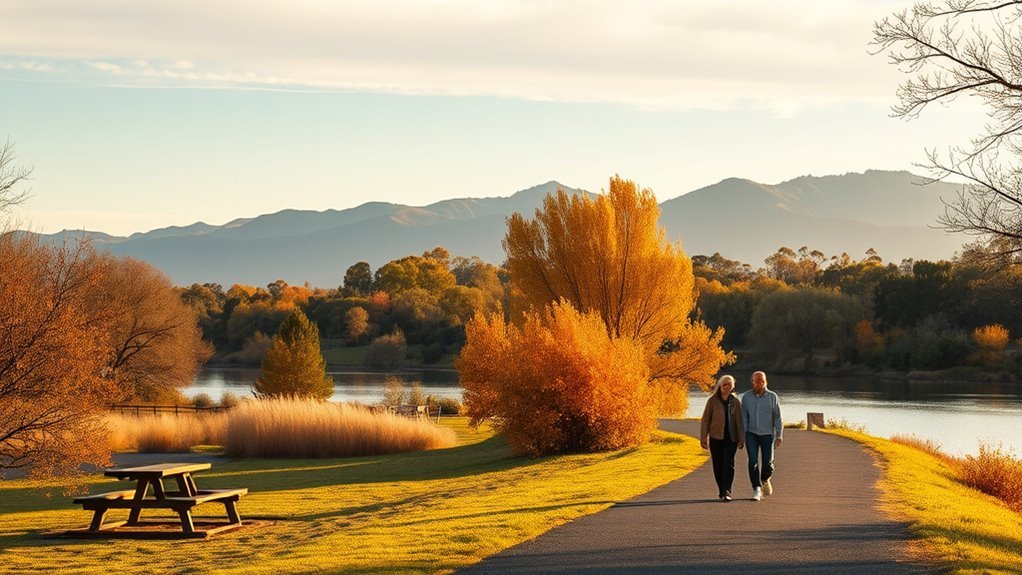
Albury is a year-round destination, but the most comfortable months for exploring outdoors are generally April, May, October, and November. You can enjoy the Murray River, local galleries, markets, and nearby countryside without the strongest summer heat or coldest winter mornings.
Your ideal visiting period depends on the activities that matter most to you.
- Best overall weather: April and October offer comfortable daytime conditions for walking, cycling, and exploring.
- Best autumn colours: April to May is particularly attractive around Noreuil Park, established gardens, and tree-lined streets.
- Best wildflowers: September to October brings spring flowering to bushland areas, particularly Nail Can Hill.
- Best for swimming: December to February offers the warmest weather, although river swimming requires special care.
- Best for festivals and culture: Spring and autumn offer a mix of concerts, markets, sporting events, and community celebrations.
- Best for food and wine: Late summer and autumn suit regional produce experiences and visits to nearby wine-growing districts such as Rutherglen.
- Best for lower crowds: Winter weekdays and non-holiday periods in autumn or spring are good starting points.
- Best for winter activities: June to August combines local museums and galleries with possible snowfield day trips.
Albury and neighbouring Wodonga form a connected destination across the New South Wales–Victoria border. Staying in either city allows you to explore many of the same regional attractions.
If you are visiting for the first time, April is an especially practical choice. You can spend the morning walking beside the Murray River, explore central Albury during the afternoon, and enjoy dinner without planning around extreme temperatures.
Albury Climate: Monthly Temperatures and Rainfall
Albury experiences hot summers, cool winters, and noticeable changes between seasons. Summer afternoons can exceed 30°C, while winter mornings are often only a few degrees above freezing. Rainfall is possible throughout the year, with winter generally wetter than summer.
The following averages come from the Australian Bureau of Meteorology’s Albury Airport climate statistics, weather station 072146.
These are long-term monthly averages, not a forecast for a particular year. Mean maximum and minimum temperatures also represent different historical observation periods from the rainfall averages.
| Month | Average High | Average Low | Average Rainfall |
|---|---|---|---|
| January | 31.2°C | 15.5°C | 57.5 mm |
| February | 30.9°C | 15.4°C | 42.3 mm |
| March | 27.6°C | 12.4°C | 49.2 mm |
| April | 22.7°C | 8.5°C | 44.9 mm |
| May | 17.8°C | 5.5°C | 55.2 mm |
| June | 13.9°C | 3.4°C | 69.0 mm |
| July | 13.0°C | 2.7°C | 77.1 mm |
| August | 14.8°C | 3.6°C | 76.3 mm |
| September | 17.7°C | 5.5°C | 61.1 mm |
| October | 21.2°C | 7.9°C | 58.9 mm |
| November | 25.4°C | 10.9°C | 63.5 mm |
| December | 28.8°C | 13.3°C | 49.2 mm |
April and October provide a particularly good balance between daytime warmth and cooler evenings. May and September are also comfortable for active travellers who prefer wearing light layers.
January and February are the hottest months on average. Heatwaves can make exposed walking trails uncomfortable, so morning activities are usually the better option.
June through August is much cooler. July has the lowest average daytime maximum at 13.0°C and the highest average rainfall at 77.1 mm.
Rainfall averages do not mean it rains continuously. You can still enjoy sunny winter days, although conditions may change quickly.
Monthly Events and Festivals: What Happens in Albury?
Albury offers concerts, farmers’ markets, art exhibitions, sporting events, and seasonal community celebrations. Some activities run regularly, while major festivals have specific dates that change between years.
The following calendar combines confirmed events with useful seasonal activities. Dates are clearly identified where official listings were available.
- January: Enjoy summer activities along the Murray River, outdoor dining, cycling, and school-holiday attractions.
- February: Explore galleries, evening entertainment, local food venues, and regional wineries.
- March: Autumn markets and sporting events become attractions. The Commercial Club Albury Gold Cup is scheduled for March 19, 2027.
- April: Riverside autumn walks, markets, arts performances, and outdoor concerts are popular options.
- May: Enjoy late-autumn colour, comfortable afternoon walks, cultural attractions, and regional food experiences.
- June: Cooler weather suits theatre, galleries, museums, restaurants, and winter trips toward the Victorian Alps.
- July: Winter sightseeing continues, while nearby alpine resorts attract snow-season visitors.
- August: Winter arts and community events can brighten the colder season. Albury’s WinterGlow festival took place on August 15, 2026.
- September: Spring wildflowers, garden walks, cycling, and outdoor music return as daytime temperatures rise.
- October: Wildflower walks and regional food events offer reasons to visit. The 2026 Nail Can Hill Wildflower Walk took place on October 11.
- November: The 2026 Albury Chamber Music Festival runs November 6–8, followed by a free Music in the Gardens concert on November 15.
- December: Enjoy summer dining, festive activities, seasonal markets, and end-of-year gatherings.
For a confirmed sporting date, the Commercial Club Albury Gold Cup is listed for Friday, March 19, 2027, at Albury Racing Club.
Music lovers can attend the Albury Chamber Music Festival from November 6 to 8, 2026. This is a ticketed event featuring performances at several heritage venues.
Another option is Music in the Gardens on November 15, 2026. This free concert runs from 1 pm to 3 pm at Albury Botanic Gardens, with The Pocket Trio featuring Monica Trapaga.
Market enthusiasts have something more regular to enjoy. The Albury Wodonga Farmers Market operates on Saturdays from 8 am to noon at Gateway Village, Lincoln Causeway, Wodonga. Its listed 2026 schedule runs through December 26.
You’ll find seasonal produce, artisan bread, preserves, meat, and other locally made foods. Albury also has community markets and occasional twilight markets, although their schedules vary.
If you plan your visit around a festival, allow time for nearby galleries, walking trails, and restaurants rather than spending the entire weekend at one event.
Accommodation and Flights: Peak Periods, Prices and Booking Tips
Accommodation in Albury can become more expensive when school holidays, public holidays, major sporting events, and festivals increase demand. Outside these periods, travellers may find better value, especially when they can stay during the week.
However, there is no fixed cheapest month or guaranteed seasonal discount. Room rates depend on your dates, accommodation type, and local events.
When Is Albury Likely to Be Busiest?
School holidays deserve special attention if you want quieter accommodation and restaurants.
According to the NSW Government school holiday calendar, the upcoming Eastern Division holiday periods include:
- Summer 2026–27: December 18, 2026, to January 27, 2027.
- Autumn 2027: April 12–23, 2027.
- Winter 2027: July 5–16, 2027.
- Spring 2027: September 27 to October 8, 2027.
These dates describe NSW public school holiday periods. Nearby Victorian school holidays and major long weekends can also affect demand in Albury Wodonga.
For quieter autumn travel, consider ordinary weekdays outside Easter and the April school break. The same approach works in spring if you avoid holiday weekends and major event dates.
How to Save on Accommodation and Transport
Saving money in Albury is often more about choosing the right dates than selecting one particular season.
- Compare weekday and weekend stays: A Sunday-to-Thursday visit may cost less than a busy Friday or Saturday booking.
- Book early for major events: Popular festival and racing weekends can increase demand around the event venue.
- Consider Albury and Wodonga: Comparing accommodation on both sides of the border may expand your options.
- Choose practical accommodation: A kitchenette, free parking, or included breakfast may reduce total travel expenses.
- Use flexible bookings: Refundable accommodation gives you more freedom when travel plans change.
- Compare transport options: Flying, driving, and travelling by train can produce different total costs.
Albury Airport is approximately five kilometres from the city’s central business district. Regional rail services also connect Albury with Melbourne and Sydney.
The AlburyCity transport guide identifies local bus services, trains, coaches, taxis, flights, and parking options.
Public transport can work well for central sightseeing, but a car is useful for countryside wineries, trailheads, and attractions beyond the city.
Summer in Albury (December–February): Weather, Activities and Crowds
Summer is the warmest time to visit Albury and suits travellers who enjoy long outdoor days and water-based activities. December averages a maximum of 28.8°C, rising to 31.2°C in January and 30.9°C in February.
Temperatures can climb significantly above those averages during heatwaves, making midday walks uncomfortable.
Best Summer Activities
Noreuil Park is one of Albury’s best-known riverside recreation areas. It offers shaded lawns, picnic facilities, cycling paths, and places to relax beside the Murray River.
Spend your summer days enjoying activities such as:
- Murray River walks: Explore the foreshore early in the morning before temperatures rise.
- Cycling: Enjoy riverside paths and connections through Albury’s parklands.
- Swimming and paddling: Choose suitable locations and assess water conditions carefully.
- Outdoor dining: Visit local cafés, restaurants, and evening food venues.
- Summer markets: Browse fresh produce, locally made products, and community stalls.
- Family outings: Visit playgrounds, established gardens, and the city’s aquatic facilities.
Albury Swim Centre at Hovell Tree Park has heated outdoor pools, including a 50-metre pool and a 25-metre pool. It provides a supervised aquatic alternative for families who prefer not to swim in the river.
Summer Crowds and Practical Tips
December and January overlap with summer school holidays, so family attractions and some accommodation providers can be busier.
For a more relaxed summer visit, February after school resumes may be worth considering.
Pack sunscreen, a broad-brimmed hat, breathable clothing, and plenty of drinking water. Schedule exposed outdoor activities earlier in the day and leave galleries or shaded attractions for hotter afternoons.
Warning: The Murray River can have strong currents, cold water, submerged branches, and changing water levels. Albury’s inland waterways are not lifeguard-patrolled. Never assume a popular riverside swimming area is automatically safe or supervised.
Autumn in Albury (March–May): Mild Weather and Quieter Stays
Autumn is one of the most attractive seasons for visiting Albury. March remains warm, with an average maximum of 27.6°C, while April cools to 22.7°C and May averages 17.8°C.
These conditions suit sightseeing, cycling, photography, and relaxed afternoons beside the river.
Where to Enjoy Albury’s Autumn Colours
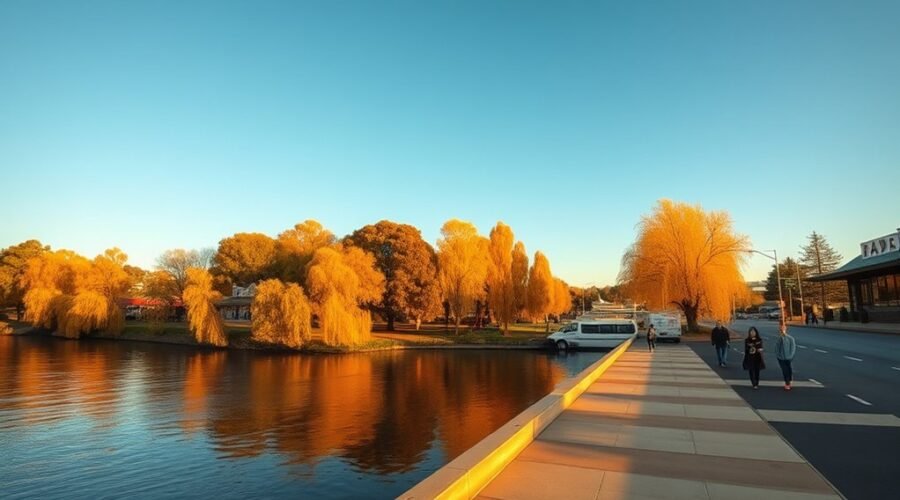
Albury’s established deciduous trees create impressive seasonal colour, particularly around parklands and older parts of the city.
- Noreuil Park: Follow the Murray River foreshore beneath mature trees and enjoy peaceful picnic areas.
- Albury Botanic Gardens: Explore established garden paths and seasonal plantings close to the city centre.
- Central Albury: Walk along tree-lined streets, visit heritage buildings, and stop at local cafés.
- Wagirra Trail: Enjoy riverside landscapes, shaded sections, public art, and opportunities for photography.
For a longer walk or bike ride, the Wagirra Trail and Yindyamarra Sculpture Walk provide an especially rewarding experience.
The Wagirra Trail is described by the regional tourism authority as a 15-kilometre return route connecting Wonga Wetlands with the South Albury Trail.
Its Yindyamarra Sculpture Walk section features Aboriginal artworks and interpretive information about First Nations culture and the Murray River landscape.
Autumn Food, Wine and Events
Autumn also suits visitors who enjoy regional produce and slower food experiences.
You can browse weekend markets, visit local cafés, enjoy seasonal menus, or plan a trip into nearby wine-growing areas.
Rutherglen is a useful option for wine enthusiasts, with cellar doors and regional food experiences available across the district.
March can also be lively during major sporting events, particularly the Albury Gold Cup period.
If you prefer quiet galleries, comfortable outdoor walks, and more flexible accommodation choices, April or May outside major holiday dates is a strong option.
The riverside atmosphere is often especially pleasant in late afternoon, when you can enjoy softer light and cooler conditions.
Winter in Albury (June–August): Cold Weather, Value and Indoor Activities
Winter is Albury’s coldest season, with average daytime maximums between 13.0°C and 14.8°C. Overnight averages range from 2.7°C to 3.6°C, so frosty mornings and chilly evenings are common.
It can be a rewarding time to visit if you enjoy quieter cultural attractions, warm cafés, birdwatching, or exploring the surrounding region.
Cold Snap Preparedness
Albury’s winter weather calls for warm clothing and some flexibility, particularly if you plan outdoor walks before sunrise or after sunset.
Frost is more common than snowfall in central Albury. Snow-related travel usually involves heading into higher parts of the Victorian Alps.
For winter sightseeing, bring:
- Warm outerwear: A wind-resistant jacket or insulated coat.
- Comfortable footwear: Closed walking shoes with suitable grip.
- Extra layers: A fleece, jumper, beanie, and gloves for cold mornings.
- Rain protection: A compact waterproof jacket or umbrella.
- Travel essentials: Water, medications, a charged phone, and a basic first-aid kit.
If you’re driving into alpine areas, preparation becomes more important. Mountain roads can be affected by snow, ice, and rapidly changing conditions.
Carry appropriate emergency supplies in your vehicle, including warm blankets, a torch, drinking water, and basic first aid.
For a winter trip to Falls Creek, the resort advises drivers to carry snow chains and arrange the required resort entry permit.
Falls Creek is less than two hours from Albury Wodonga in favourable driving conditions, making a day trip possible with an early start.
Indoor Activities and Winter Events
Albury has several worthwhile indoor attractions that make winter travel appealing even when the weather is wet or cold.
- Murray Art Museum Albury (MAMA): Explore contemporary exhibitions and Australian art. General museum entry is free.
- Albury LibraryMuseum: Discover regional history, rotating exhibitions, and stories connected with the local Wiradjuri people.
- Local theatres: Enjoy scheduled performances and community arts programs.
- Cafés and restaurants: Spend a relaxed afternoon sampling regional food and coffee.
- Albury Swim Centre: The heated outdoor facility maintains reduced winter operations, offering an alternative to natural waterways.
Winter festivals can also bring activity to central Albury.
For example, WinterGlow 2026 took place on Saturday, August 15, from 6 pm to 10 pm. The free event featured light installations, performances, market stalls, and entertainment across central Albury.
That date applies to the completed 2026 event and should not be treated as the confirmed date for future editions.
For wildlife enthusiasts, Wonga Wetlands is another winter highlight. Higher seasonal water levels can attract pelicans, swans, and other waterbirds.
Winter accommodation may offer good value outside special events and holiday weekends. Compare actual room rates rather than assuming every hotel or attraction discounts its prices during the season.
Spring in Albury (September–November): Wildflowers, Events and Prices
Spring is one of the best seasons for outdoor activities in Albury. Average daytime maximums increase from 17.7°C in September to 21.2°C in October and 25.4°C in November.
These temperatures create comfortable conditions for bushwalking, cycling, gardens, community markets, and spring photography.
Wildflower Viewing Spots
Nail Can Hill is one of Albury’s strongest spring wildflower destinations. Its native bushland supports seasonal flowers, wildlife, and walking trails overlooking the surrounding countryside.
Other natural areas offer different landscapes and opportunities for observing local plants and wildlife.
- Nail Can Hill: Look for lilies, wattles, paper daisies, orchids, and other native flowers along appropriate bushwalking routes.
- Bungambrawatha Creek Reserve: Enjoy creek-side vegetation and quieter walking opportunities where public access is available.
- Wonga Wetlands: Explore wetland habitats, birdwatching areas, and seasonal changes in water levels.
- Noreuil Park: Enjoy riverside lawns, mature trees, and spring greenery beside the Murray River.
- Hume Dam foreshores: Explore wider lakeside scenery and countryside views, although wildflower displays vary by location and conditions.
The official Nail Can Hill Wildflower Walk 2026 took place on October 11, between 9:30 am and noon. The free guided activity included local experts identifying native wildflowers, with reservations required.
Even when an organised walk is not scheduled, you can enjoy self-guided exploration of suitable public trails.
For a different natural experience, Wonga Wetlands offers free entry throughout the year.
The wetlands are accessible around the clock, while the main car park is open from 7:30 am to 7:30 pm. Pedestrian access and alternative parking are available when the main gate is closed.
Spring is particularly interesting for birdwatching because receding water levels expose muddy shorelines used by wading birds.
Bring suitable walking shoes and stay on established trails to avoid damaging sensitive vegetation.
Spring Event Calendar
Spring brings outdoor entertainment, food markets, cultural activities, and guided nature experiences to Albury Wodonga. October and November can be particularly lively, so not every spring weekend will be quiet or inexpensive.
These examples illustrate the confirmed 2026 spring calendar alongside recurring regional market activities.
| Event Type | Typical Timing |
|---|---|
| Albury Wodonga Farmers Market | Saturdays, 8 am–noon |
| Nail Can Hill Wildflower Walk | October 11, 2026 |
| Albury Chamber Music Festival | November 6–8, 2026 |
| Music in the Gardens | November 15, 2026 |
Local galleries, food venues, theatre performances, and weekend music events add further options throughout spring.
For the best balance between pleasant weather and accommodation value, consider an ordinary weekday in October or early November.
However, public holidays, regional sporting competitions, and major music events may increase demand even outside the traditional summer travel season.
Who Should Visit When? Albury Advice for Different Travellers
The best season for Albury depends on your travel style. Families often enjoy summer’s outdoor attractions, while walkers and photographers may prefer autumn or spring. Travellers seeking galleries, quieter streets, and cooler weather may find winter appealing.
- Families with children: Choose summer for aquatic activities, shaded parks, picnics, and family entertainment. Spring is another good choice when you want milder weather.
- Couples: Visit in April or May for autumn scenery, regional dining, wineries, and relaxed riverside walks.
- Solo travellers: Consider spring or autumn for comfortable walking weather, galleries, public events, and opportunities to meet people at cafés and markets.
- Budget travellers: Compare winter weekdays and quieter shoulder-season dates, while avoiding public holidays and major events.
- Outdoor enthusiasts: Visit during September–November or March–May for bushwalking, cycling, and scenic trails.
- Wildlife photographers: Explore Wonga Wetlands throughout the year, with changing bird habitats between the wet and dry phases.
- Food and wine lovers: Consider late summer or autumn for seasonal regional produce and cellar-door experiences.
- Festival enthusiasts: Choose your dates around confirmed concerts, sporting carnivals, community markets, and seasonal celebrations.
- Visitors seeking solitude: Look at winter or ordinary midweek periods outside holiday and festival peaks.
You can also combine different activities during a short stay. A spring weekend might include the farmers’ market, a walk along the river, and an afternoon at an art museum.
An autumn visit could focus on parkland photography, local food, and an easy drive through surrounding countryside.
Packing and Practical Tips: What to Bring Each Season
Albury’s changing temperatures make flexible packing worthwhile. Summer calls for sun protection and breathable clothing, while winter requires warmer layers for frosty mornings.
Spring and autumn can include warm afternoons followed by noticeably cooler evenings, so a light jacket is useful.
Summer Packing Essentials
Summer travel is most comfortable when you dress for the heat and carry enough water during outdoor activities. Choose lightweight clothes that dry quickly and provide adequate sun protection.
- Breathable cotton or linen shirts
- Lightweight shorts or comfortable summer trousers
- Broad-brimmed hat and sunglasses
- Broad-spectrum sunscreen
- Reusable water bottle
- Comfortable walking shoes or supportive sandals
- Swimwear and a quick-drying towel
- Compact daypack
- Light evening layer
If you’re planning river activities, consider a properly fitted life jacket where appropriate. Do not treat calm-looking water as proof that conditions are safe.
Winter Layering Basics
Winter mornings in Albury can feel cold, especially near open parklands and the river. Dressing in layers allows you to stay comfortable as the day warms.
Start with a breathable thermal base layer, add a fleece or wool jumper, and finish with a warm wind-resistant jacket.
- Thermal top and leggings for cold mornings
- Fleece, wool jumper, or insulated midlayer
- Warm waterproof or wind-resistant coat
- Beanie, gloves, and warm socks
- Closed walking shoes with good grip
- Compact insulated vest for extra warmth
If you plan to visit snowfields, bring appropriate winter footwear and check the resort’s equipment and entry requirements before travelling.
For visitors staying in central Albury, ordinary warm winter clothing is generally more practical than specialised alpine equipment.
Year-Round Practical Items
Some travel essentials are useful in every season. A small collection of reliable items can make sightseeing easier without adding unnecessary luggage.
- Portable phone charger
- Reusable water bottle
- Comfortable walking shoes
- Compact umbrella or waterproof jacket
- Small daypack
- Sun protection
- Personal medications
- Basic first-aid supplies
- Phone with downloaded maps
- Lightweight extra layer
A compact daypack is particularly useful when moving between river walks, farmers’ markets, galleries, and public transport stops.
For a short weekend, plan your clothing around the activities you expect to do rather than packing separately for every possible weather condition.
Frequently Asked Questions
Are There Guided Nature or Wildlife Tours Around Albury?
Yes, guided nature activities are available around Albury, including organised wildflower walks at Nail Can Hill. You can also explore Wonga Wetlands independently for birdwatching and wildlife photography. Guided tour availability varies by organiser, season, and event schedule.
How Reliable Is Public Transport Within Albury City?
Albury has scheduled local buses, regional train connections, and taxi services. Public transport is useful for many central destinations, but frequency and operating hours vary by route. A car can make visits to wineries, distant nature reserves, and regional attractions easier.
Can You Day-Trip to Nearby Snowfields From Albury?
Yes, a day trip from Albury to Falls Creek is possible. The resort is less than two hours away in favourable driving conditions, although winter weather can increase travel time. Allow time for snow-chain requirements, resort entry, equipment hire, and the return journey.
Are There Safe River Swimming Spots in Albury?
Noreuil Park is a popular Murray River recreation area where people swim, but river swimming carries significant risks. Albury’s inland waterways are not lifeguard-patrolled, and currents and submerged hazards can change. For supervised swimming, consider a lifeguard-patrolled aquatic centre instead.
What Local Foods or Dishes Should Visitors Try?
Try locally raised lamb, artisan cheeses, sourdough bread, seasonal fruit, preserves, and regional wines. You may also find damper and dishes featuring native ingredients on selected menus. The Albury Wodonga Farmers Market is a good place to discover regional producers.
Does It Snow in Albury During Winter?
Snow is uncommon in central Albury, although winter mornings can be frosty. Snowfall is more typical at higher elevations in the nearby Victorian Alps. Visitors seeking snow activities can consider resorts such as Falls Creek during the winter season.
What Is the Best Month to Visit Albury for Walking?
April and October are excellent months for walking in Albury. Their average daytime maximums are 22.7°C and 21.2°C, respectively. Both provide comfortable conditions for riverside paths, gardens, and bushwalking, although individual days may be warmer, cooler, or rainy.
Conclusion
For most visitors, April, May, October, and November provide an enjoyable mix of comfortable temperatures, natural scenery, and outdoor activities in Albury.
Choose April for autumn colour, October for spring walks and wildflowers, summer for warm-weather activities, or winter for cultural attractions and quieter sightseeing. Before booking, compare your dates with local events and school holidays so you can enjoy Albury at the pace and budget that suit you.
Sources
- Australian Bureau of Meteorology — Albury Airport: Monthly average maximum and minimum temperatures and rainfall.
- AlburyCity — Music in the Gardens: November 15, 2026, concert date, venue, hours, and free admission.
- Visit Albury Wodonga — Commercial Club Albury Gold Cup: March 19, 2027, event listing.
- NSW Government — Albury Chamber Music Festival: November 6–8, 2026, dates and event details.
- AlburyCity — WinterGlow 2026: August 15, 2026, festival timing and free entry.
- Visit Albury Wodonga — Farmers Market: Saturday market schedule, location, and regional produce.
- NSW Government — School Holidays: Official 2026–27 and 2027 holiday dates.
- AlburyCity — Transport: Airport access, local buses, rail connections, taxis, and parking.
- Visit Albury Wodonga — Wagirra Trail: Walking and cycling route, distance, and sculptures.
- AlburyCity — Wonga Wetlands: Free admission, opening arrangements, and seasonal wildlife.
- AlburyCity — Wildflower Walk 2026: Guided walk date, location, native flowers, and admission.
- AlburyCity — Inland Water Safety: Murray River hazards and lack of lifeguard patrols.
- Falls Creek Alpine Resort — Winter Access: Travel from Albury Wodonga, snow chains, and resort entry requirements.