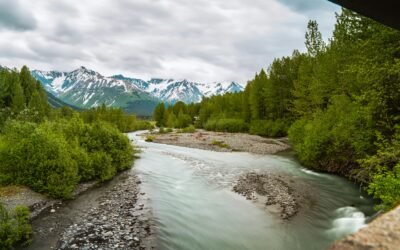
Thinking about a trip to Sakarya? You’re probably wondering when the best time to go is, right? In a nutshell, late spring (May to early June) and early autumn (September to early October) are generally your sweet spots. These periods offer a great balance of pleasant weather, manageable crowds, and reasonable costs. But let’s dig into the details, as there’s a bit more to it depending on what you’re hoping to experience.
Sakarya, nestled in Turkey’s Marmara region, experiences a transitional climate. It’s not quite coastal Mediterranean, nor is it harsh continental. This means you get a good mix, but also some distinct seasonal variations.
1.1. Spring (March – May)
Spring is a season of renewal in Sakarya. The dormant landscape awakens, flowers bloom, and the air becomes crisp and clean.
- March: This month is still quite cool, sometimes even chilly, especially in the early half. You might get some lingering winter rain or even a late snow flurry in the higher elevations. Average temperatures hover around 5-12°C (41-54°F). It’s very quiet tourist-wise, making it ideal for those seeking solitude and nature walks before the crowds arrive.
- April: Things start to warm up considerably. Rainfall decreases, and sunny days become more frequent. Average temperatures range from 8-18°C (46-64°F). This is a fantastic time for outdoor activities like hiking and exploring the natural beauty, like Lake Sapanca, before it gets too hot.
- May: This is arguably one of the best months. The weather is consistently pleasant, with average temperatures between 12-23°C (54-73°F). Rainfall is minimal, and the days are long. Nature is at its peak vibrancy. This is excellent for any type of activity, from sightseeing to leisurely strolls.
1.2. Summer (June – August)
Summer in Sakarya can be quite warm, especially inland. It’s prime time for school holidays and local tourism.
- June: The start of summer sees temperatures climbing, with averages from 16-27°C (61-81°F). It’s generally dry and sunny. This is still a good month if you enjoy warmth without the intense heat of August. Lake-based activities become very popular.
- July: This is one of the hottest months, with average temperatures between 19-30°C (66-86°F), often reaching higher. It’s also quite dry. If you love the heat and want to spend your days by the lake or engaging in water sports, this is your time.
- August: Similar to July, August can be intensely hot and humid. Average temperatures are comparable, sometimes even hotter. While popular for domestic tourists enjoying water recreation, sightseeing can be less comfortable during midday.
1.3. Autumn (September – November)
Just like spring, autumn offers another beautiful window for visiting Sakarya, with changing foliage and cooler temperatures.
- September: A fantastic month. The intense summer heat starts to recede, but the weather remains warm and pleasant, averaging 15-26°C (59-79°F). The foliage begins its transformation, offering stunning visual backdrops, especially in places like Acarlar Floodplain Forest.
- October: The landscape continues its vibrant display of autumn colors. Temperatures cool down further, averaging 10-20°C (50-68°F). You’ll experience crisp air and lovely sunny days, though rain showers can become more frequent towards the end of the month.
- November: Colder temperatures set in, with averages between 5-14°C (41-57°F). Rainfall increases, and the days shorten. While still scenic, outdoor activities require warmer clothing, and some attractions might reduce operating hours.
1.4. Winter (December – February)
Winter in Sakarya is cold, wet, and often snowy, especially in the higher regions like Kartepe (though technically just outside provincial borders, it’s a major local winter draw).
- December: Cold and generally wet. Average temperatures range from 2-10°C (36-50°F). Snowfall is possible, particularly in the later half of the month. Holiday decorations can make the cities charming.
- January: The coldest month, with average temperatures often hovering around 0-8°C (32-46°F). Snow is highly likely, especially in the first half. While less ideal for general sightseeing, it’s perfect for winter sports enthusiasts heading to nearby ski resorts.
- February: Still very cold, but there’s a subtle hint of spring towards the end of the month. Average temperatures are similar to January. Snow is still common. Tourists are few, and prices are at their lowest.
2. Navigating the Crowds
The number of people you’ll encounter can significantly impact your experience. Sakarya isn’t as internationally renowned as Istanbul or Cappadocia, but it draws substantial domestic tourism, especially around Lake Sapanca.
2.1. Peak Season (July – August)
- What to expect: These are the busiest months. Turkish families are on holiday, and many flock to places like Sapanca to escape the city heat. Expect bustling lakeside resorts, full restaurants, and higher demand for activities. Popular spots can feel crowded, and securing accommodation or reservations might require booking in advance.
- Who it’s for: If you thrive on a lively atmosphere, enjoy water sports with plenty of company, or are traveling with family during school breaks, this is when you’ll find the most action.
2.2. Shoulder Seasons (May-June & September-October)
- What to expect: This is the sweet spot for many. The crowds are significantly lighter than in peak summer. You’ll find a good number of local tourists, but not overwhelming hordes. Attractions are fully open, and there’s a pleasant buzz without the frantic rush. Queues are generally shorter or non-existent.
- Who it’s for: Ideal for most travelers seeking a balanced experience. If you want pleasant weather, open attractions, and don’t mind a comfortable level of activity, these months are perfect. Photographers will appreciate the natural light and fewer people in their shots.
2.3. Low Season (November – April)
- What to expect: Very few tourists, especially international ones. Some smaller establishments might operate on reduced hours or even close for a period. You’ll have popular spots almost entirely to yourself, offering a more tranquil and authentic experience. However, weather can be a limiting factor for certain outdoor activities.
- Who it’s for: Perfect for budget travelers, those seeking solitude, or people interested in specific winter activities. If you don’t mind bundling up and enjoy the quiet solace of a destination, this is your time.
3. Cost Considerations
Your wallet can breathe easier or feel a bit lighter depending on when you choose to visit. Turkey, in general, offers good value, but seasonality still plays a role.
3.1. Peak Season (July – August)
- What to expect: Higher prices across the board. Accommodation (especially around Sapanca) will be at its most expensive. Flights, if arriving internationally, might also see a slight bump. Rental cars and popular tours could also have inflated rates due to demand. Eating out remains relatively affordable, but prime dining spots might increase prices subtly.
- How to manage: Book everything well in advance. Consider staying slightly outside the main tourist hubs for better deals on accommodation.
3.2. Shoulder Seasons (May-June & September-October)
- What to expect: Generally good value. Accommodation prices are reasonable, higher than low season but noticeably less than peak. Tour prices are standard. You can often find decent deals on flights and hotels, particularly if booked a few weeks out.
- How to manage: This is an excellent time to get good value without sacrificing experience. You might even snag some early bird discounts.
3.3. Low Season (November – April)
- What to expect: The most budget-friendly time to visit. Accommodation prices plummet, especially outside of specific holiday periods (like New Year’s Eve). Some hotels might offer significant discounts to attract guests. Flights are usually cheaper. You’ll find the best deals on almost everything.
- How to manage: You can often find fantastic last-minute deals. Just be mindful that certain activities related to warmer weather might not be available or practical.
4. Activities and Your Preferences
What do you want to do in Sakarya? Your interests will heavily influence the best time to visit.
4.1. Nature and Outdoor Activities
- Kayaking, Paddleboarding, Swimming in Lake Sapanca: Best in late spring (May-June) when the water is warming up, or early autumn (September) when the summer heat has mellowed. July and August are also popular but can be very hot.
- Hiking and Biking: Spring (April-May) and autumn (September-October) are ideal. The temperatures are perfect, and the scenery is stunning. In summer, early morning or late afternoon hikes are bearable, but midday can be taxing. Winter offers a different, stark beauty, but trails can be muddy or snowy.
- Visiting Acarlar Floodplain Forest: Spring (April-May) is magnificent to see the water lilies and abundant birdlife. Autumn (September-October) offers vibrant fall colors.
- Exploring Taraklı (Ottoman Village): Enjoyable year-round, but spring and autumn provide the most comfortable walking temperatures.
- Skiing (nearby Kartepe): Winter (January-February) is the only time. This requires a car or organized tour to reach.
4.2. Sightseeing and Cultural Exploration
- Visiting Merkez Park, Adapazarı, or other city attractions: Spring (April-May) and autumn (September-October) offer comfortable temperatures for strolling and exploring. Summer can be too hot for extensive outdoor city exploration. Winter is fine if you don’t mind the cold.
- Local Markets and Shopping: These are generally year-round activities.
- Wineries (Some in the broader Marmara region): Autumn (September-October) around harvest time can be very interesting for wine enthusiasts.
4.3. Festivals and Events
- Sakarya hosts various local festivals. These are typically in spring, summer, or early autumn. Check local listings closer to your travel dates for specific events. For example, some fishing festivals or cultural events might take place around Sapanca Lake during the summer. Flower festivals in spring are also common.
5. The Verdict: Our Top Picks
| Month | Weather | Crowds | Costs |
|---|---|---|---|
| April – May | Mild temperatures, blooming nature | Low to moderate | Moderate |
| June – August | Hot and dry | High | High |
| September – October | Mild temperatures, autumn colors | Low to moderate | Moderate |
| November – March | Cold, chance of snow | Low | Low |
Based on blending weather, crowds, and costs, here’s a quick rundown of our recommended times.
5.1. Best Overall Time: May – Early June
- Why: You get near-perfect weather (warm but not too hot, minimal rain), moderate crowds, and very reasonable prices. Nature is at its most vibrant. It’s ideal for all types of activities, from outdoor adventures to relaxed sightseeing.
5.2. Second Best Overall Time: September – Early October
- Why: Another fantastic window. The summer heat has subsided, but it’s still pleasantly warm. The autumn foliage is gorgeous. Crowds are noticeably thinner than in summer, and prices remain good. Excellent for nature lovers and those looking for a peaceful retreat.
5.3. Best for Budget Travelers and Solitude Seekers: November – April (Excluding holiday periods)
- Why: Experience Sakarya without the crowds and at the lowest prices. If you don’t mind cooler temperatures and potentially some snow (especially Jan-Feb), you’ll have a tranquil and highly affordable trip. Just be prepared for fewer daylight hours and potentially limited outdoor activities.
5.4. Best for Sun Worshippers and Water Sports: July – August
- Why: If your primary goal is to bask in the sun, swim, and indulge in water sports on Lake Sapanca, then the peak summer months deliver the warmest water and most intense sunshine. Just be prepared for heat, crowds, and slightly higher costs.
Ultimately, the ‘best’ time to visit Sakarya really depends on what you’re looking for. By considering weather, crowds, costs, and your preferred activities, you can pinpoint the period that will make your trip truly enjoyable. Happy planning!
FAQs
1. What is the best time to visit Sakarya, Turkey in terms of weather?
The best time to visit Sakarya, Turkey is during the spring (April to June) and fall (September to November) when the weather is mild and pleasant. Summers can be hot and dry, while winters can be cold and rainy.
2. When is the peak tourist season in Sakarya, Turkey?
The peak tourist season in Sakarya, Turkey is during the summer months of July and August when the weather is hot and the beaches are popular. This is also when the crowds are at their highest.
3. When is the off-peak tourist season in Sakarya, Turkey?
The off-peak tourist season in Sakarya, Turkey is during the winter months of December to February when the weather is cold and rainy. This is also when the crowds are at their lowest and prices for accommodations and activities are generally lower.
4. What are the average costs for visiting Sakarya, Turkey during the peak tourist season?
During the peak tourist season in Sakarya, Turkey, the costs for accommodations, dining, and activities are generally higher due to the high demand. It is advisable to book accommodations and activities in advance to secure better prices.
5. Are there any local festivals or events that are worth considering when planning a visit to Sakarya, Turkey?
Sakarya, Turkey hosts various local festivals and events throughout the year, such as the International Karasu Culture and Art Festival in July and the International Sakarya Music Festival in September. These events can add cultural experiences to a visit and may impact the crowds and costs during specific times of the year.