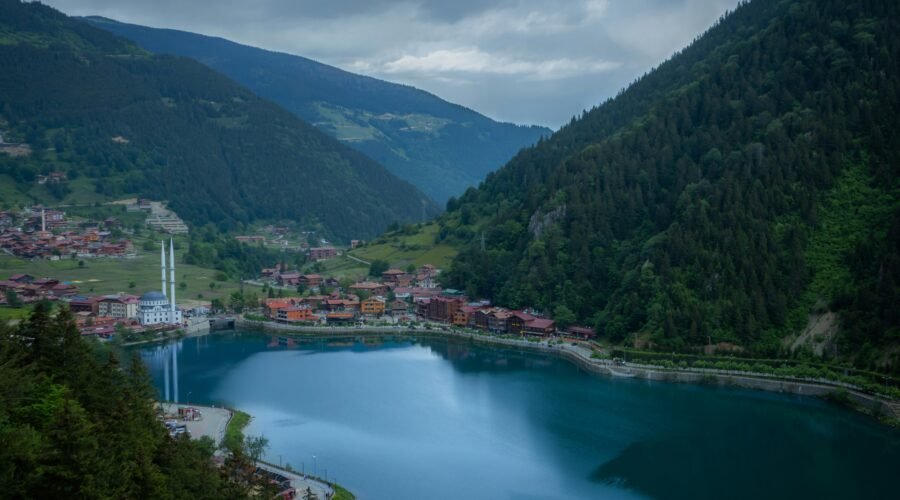
Planning a trip to Trabzon, Turkey? The best time to visit Trabzon depends on whether you want green mountain scenery, comfortable sightseeing weather, summer festivals, or fewer tourists. This Black Sea destination is beautiful throughout the year, but the changing weather can make a big difference to your trip.
Quick Answer
The best time to visit Trabzon is generally May to June or September for pleasant weather and a good balance of crowds and costs. July and August are best for highland adventures and festivals, but they’re busier. October offers autumn scenery with heavier rainfall, while winter suits travelers seeking quiet city breaks and snowy mountain views.
Last checked: October 23, 2026. Climate figures, attraction information, and stated 2026 festival dates were verified against official sources.
Key Takeaways
- Spring: April and May bring fresh greenery, comfortable walks, and fewer visitors than midsummer.
- Summer: June through August offers the best general conditions for exploring highland plateaus, although July and August can be crowded.
- Autumn: September is particularly appealing for sightseeing. October has beautiful scenery but significantly more rainfall.
- Winter: November through March is quieter, with cool coastal weather and possible snow in the mountains.
- Weather matters: July averages just 36.6 mm of rain in Trabzon, compared with 113.4 mm in October, according to official long-term records.
Best Time to Visit Trabzon by Month
May, June, and September are excellent choices for most first-time visitors. They provide a useful balance between outdoor activities, sightseeing conditions, and tourist crowds.
However, the best month depends on what you want to experience. The following table uses official historical averages for Trabzon rather than short-term forecasts.
| Month | Average High | Average Rainfall | Best For |
|---|---|---|---|
| January | 10.9°C | 82.8 mm | Quiet city trips |
| February | 10.8°C | 64.2 mm | Winter scenery |
| March | 12.0°C | 60.0 mm | Early spring walks |
| April | 15.6°C | 57.0 mm | Green landscapes |
| May | 19.2°C | 52.6 mm | Sightseeing and photography |
| June | 23.3°C | 52.2 mm | Highlands and outdoor trips |
| July | 26.1°C | 36.6 mm | Festivals and hiking |
| August | 26.7°C | 47.8 mm | Summer activities and swimming |
| September | 23.9°C | 79.0 mm | Comfortable sightseeing |
| October | 20.1°C | 113.4 mm | Autumn foliage |
| November | 16.6°C | 99.3 mm | Culture and quiet travel |
| December | 13.1°C | 85.3 mm | Winter city breaks |
Source: The Turkish State Meteorological Service (MGM) official Trabzon climate statistics. Figures are historical monthly averages from the published observation series covering 1927–2025. Average high means the average daily maximum temperature, not the highest temperature ever recorded.
These are coastal city figures. Mountain destinations such as Uzungöl and the higher plateaus can be much colder, with different rainfall, fog, and snow conditions.
Understanding Trabzon’s Black Sea Climate
Trabzon has a humid Black Sea climate with relatively mild coastal winters, warm summers, and rainfall throughout the year. The nearby Pontic Mountains create a very different environment just a short journey inland.
Why the Black Sea Makes Trabzon Different
The sea helps moderate seasonal temperatures. This is why Trabzon generally has milder winters than many inland Turkish cities and less extreme summer heat than some southern destinations.
However, sea moisture also contributes to frequent cloud cover, humidity, and rain. Even during summer, you cannot count on uninterrupted sunshine.
Spring: April to May
Spring brings fresh greenery and increasingly comfortable temperatures. April averages a high of 15.6°C, rising to 19.2°C in May.
It’s a good season for exploring the city, photographing waterfalls, and enjoying lower-elevation nature walks. Wildflowers and growing vegetation make the countryside especially attractive.
Higher mountain routes may still have snow or muddy sections early in the season. April and May are better for flexible sightseeing plans than demanding high-altitude hikes.
Summer: June to August
Summer provides the warmest conditions and generally the most practical access to mountain areas. Average daytime highs increase from 23.3°C in June to 26.7°C in August.
July is the driest month in Trabzon’s official historical records. Nevertheless, humid weather, mist, and local showers remain possible.
The highlands are popular because their cooler conditions offer relief from summer warmth. Coastal beaches also become more appealing as the weather and sea warm up.
Autumn: September to October
September offers comfortable temperatures and generally fewer visitors than the busiest summer weeks. With an average high of 23.9°C, it’s excellent for combining historic attractions with nature trips.
October brings stronger autumn colors to suitable mountain and forest areas. However, rainfall increases significantly, making outdoor plans less predictable.
If you want autumn scenery without committing to the wettest part of the season, September is usually the safer choice.
Winter: November to March
Winter is cooler and quieter, especially outside school holidays. Trabzon’s coastal temperatures often remain above freezing during the day, while higher elevations can experience substantial snow.
The mountains can look spectacular in winter, but remote plateaus and high-altitude roads may become difficult or impossible to access.
For winter visitors, city sightseeing, traditional food, historic buildings, and accessible viewpoints are more dependable activities than remote hiking.
When Is Trabzon Least Crowded?
Trabzon usually experiences its busiest tourism period during July and August. Spring and autumn are generally quieter, while winter tends to attract fewer leisure travelers.
However, festival dates, religious holidays, and school vacations can create busy periods outside the normal summer peak.
Peak Season: July and August
Summer school holidays and demand for cool Black Sea scenery bring visitors from Türkiye and overseas. Popular places such as Uzungöl and Sümela Monastery can become particularly busy.
Expect greater competition for well-located hotels, rental cars, and guided trips. Restaurants and popular viewpoints can also be crowded during weekends and festival periods.
Shoulder Seasons: April to June and September to October
The shoulder months are better for travelers who prefer a calmer atmosphere. April and May are especially suitable for spring greenery, while September combines comfortable weather with reduced summer tourism pressure.
June is a transition month rather than a guaranteed quiet period. Special events can temporarily increase demand.
For example, Trabzon hosted its Culture Road Festival from June 6–14, 2026, according to the Trabzon Provincial Directorate of Culture and Tourism’s 2026 announcements. Dates for future editions should not be assumed to be identical.
Off-Season: November to March
Winter is generally the quietest period for mainstream sightseeing. You may find fewer tourists at city attractions and more accommodation options.
However, lower visitor numbers do not mean every destination will be easier to explore. Mountain weather, reduced tour operations, and shorter daylight hours can limit your choices.
Budgeting Your Trabzon Trip: When Is It Cheapest?
)
The cheapest time to visit Trabzon is often during the quieter winter months, while spring and autumn can offer a better balance between reasonable costs and enjoyable conditions.
There is no reliable fixed seasonal price for the entire city. Actual expenses depend on accommodation type, booking dates, holidays, transport, and individual travel preferences.
Summer: Higher Demand and Potential Price Premiums
July and August are popular travel months. Hotels near Uzungöl and other well-known destinations may charge more when demand is high.
Rental vehicles and organized highland tours can also become harder to secure. Travelers planning trips around popular festival dates may encounter additional demand.
Spring and Autumn: Better Value for Many Visitors
April, May, September, and October can offer attractive accommodation choices without the same level of peak-summer demand.
May and September are particularly good options if you want comfortable sightseeing weather while keeping your spending under control.
October can be cheaper than peak summer, but additional rainy days may reduce the value of an outdoor-focused trip.
Winter: Lower Demand but More Travel Limitations
November through March may offer reduced accommodation rates, especially outside holiday periods.
However, winter savings can be offset by transport changes, expensive last-minute alternatives, or limited access to remote areas.
For budget-conscious visitors, the best strategy is to focus on city-based attractions, short trips, and accommodation with convenient transport connections.
Trabzon Weather: Rainfall, Sunshine, and Temperature
)
Rainfall and cloud cover are central features of Trabzon’s weather. Understanding how they change throughout the year will help you decide whether to prioritize mountain trips, coastal sightseeing, or indoor attractions.
Which Month Has the Least Rain?
July is Trabzon’s driest month on average, with 36.6 mm of precipitation and approximately 7.7 days with measurable precipitation in the official records.
June and August are also relatively dry compared with autumn, although both can still experience wet weather.
October is the wettest month in the published monthly averages, receiving 113.4 mm of precipitation. September and November are also relatively wet.
This means autumn is not automatically the driest or most reliable time for outdoor adventures. September offers comfortable temperatures, but October requires more flexibility.
How Much Sunshine Can You Expect?
Trabzon generally receives less sunshine than Türkiye’s Mediterranean resort destinations.
Official averages show approximately 7.1 hours of sunshine per day in June, compared with 5.9 hours in July and 4.9 hours in September.
December and January are cloudier, averaging about 2.7 hours of sunshine per day.
These figures are long-term averages. Actual conditions can change quickly, particularly in mountainous valleys.
How Different Is the Weather in the Mountains?
Elevation makes a major difference. A comfortable day in Trabzon city may coincide with chilly, foggy conditions at Uzungöl or a nearby plateau.
The Trabzon tourism authority’s highland guide describes the mountains as an important summer retreat from the coast’s warm, humid weather.
Highland roads can also have different conditions from the coastal highway. Snow, rain, fog, or damaged road surfaces may affect access even when the city itself has pleasant weather.
Best Activities and Attractions by Season
The best activities in Trabzon change with the seasons. City attractions are relatively flexible, while highland hiking, viewpoints, festivals, and swimming depend more heavily on weather and access.
| Month | Weather | Crowds | Costs |
|---|---|---|---|
| June-August | Warm, relatively dry; good for highlands | Busy, especially July-August | Often higher |
| April-May, September-October | Mild; October is especially wet | Generally moderate | Often moderate |
| November-March | Cool coast; possible mountain snow | Generally quieter | Often lower |
Spring: Uzungöl, Waterfalls, and Green Valleys
April and May are excellent for green landscapes, outdoor photography, and gentle walks.
Uzungöl is among the region’s most popular nature destinations. The lake formed when a landslide blocked the Haldizen stream valley, creating a natural barrier lake surrounded by forested slopes.
According to the official Trabzon lakes and caves guide, Uzungöl is approximately 99 km from Trabzon and 19 km from Çaykara.
Spring visitors can enjoy the lakeside scenery, nearby villages, and viewpoints. For more demanding hikes, conditions should be assessed carefully because some higher routes may still be affected by snow.
The region’s spring cultural calendar also includes Hıdırellez celebrations. The provincial festival calendar listed the Acısu Hıdırellez Spring Festival on May 10, 2026.
Summer: Highland Hiking, Beaches, and Festivals
June through August offers the broadest choice of outdoor activities. It is a good period for visiting mountain plateaus, taking scenic drives, and enjoying the region’s traditional summer celebrations.
Popular highland destinations include Hıdırnebi, Sultan Murat, and the mountain areas around Uzungöl.
Summer festivals often feature horon folk dancing, kemençe music, regional food, and local cultural traditions.
The provincial tourism authority’s 2026 festival calendar listed several notable events:
- Hıdırnebi Highland Festival: July 20, 2026, in the Akçaabat area.
- International Akçaabat Music and Folk Dance Festival: July 18–21, 2026.
- Sis Dağı Festival: July 24–25, 2026.
- Tonya Butter Culture and Arts Festival: August 22–23, 2026.
Festival schedules can vary from year to year, and individual celebrations may take place over multiple days.
For swimming, the Black Sea coast offers established beach areas such as Akçakale and Çarşıbaşı. The official tourism directory of Trabzon beaches identifies several coastal locations.
Summer swimming conditions depend on waves, currents, weather, and local safety restrictions. Use designated swimming areas and follow posted warnings.
Autumn: Photography, Forest Walks, and Local Markets
September and October are especially appealing for scenic drives, landscape photography, and quieter visits to popular sites.
Forest colors begin changing as the season progresses, although the exact timing varies with elevation, weather, and tree species.
Local markets may offer regional produce such as hazelnuts, apples, and other seasonal foods.
Some highland and cultural celebrations also extend into September. The provincial 2026 calendar listed the Sivri Festival in the Tonya area on September 1.
By October, rain and reduced daylight can make long mountain excursions less predictable. Lower-elevation routes and flexible day trips are more practical.
Winter: Snowy Landscapes and City Attractions
November through March is best for visitors interested in quiet travel, winter views, and cultural attractions.
Snow-covered mountains can create beautiful scenery, particularly around higher plateaus and forested valleys.
However, remote hiking trails and mountain roads may be inaccessible. Winter activities such as snowshoeing require appropriate conditions, access, and equipment.
For a more dependable trip, focus on Trabzon’s historic center, local markets, traditional restaurants, and accessible viewpoints.
Major summer highland festivals do not have comparable fixed winter schedules in the official festival information reviewed.
Can You Visit Sümela Monastery Year-Round?
Sümela Monastery is one of Trabzon’s most important historic attractions. It sits on a steep mountainside above Altındere Valley in the Maçka district.
The official Sümela Monastery visitor information lists opening hours of 8:00 a.m. to 5:00 p.m., with the ticket office closing at 4:30 p.m. It currently lists the site as open every day.
Access involves walking and stairs, so comfortable footwear is useful. Wet or icy conditions may make parts of the route more challenging.
Although the published schedule allows year-round visits, weather-related restrictions or conservation work can affect access.
Trabzon’s Historical and Cultural Attractions
Trabzon’s historical attractions are useful options throughout the year, especially on days when mountain weather is poor.
- Hagia Sophia Mosque: A historic former church with significant architectural and artistic heritage. It functions as a mosque, rather than the museum described in some older travel guides.
- Trabzon Castle and old city walls: Remains of the city’s historic defenses, best explored during comfortable walking weather.
- Atatürk Mansion: A historic mansion and cultural attraction in Trabzon, suited to visitors interested in local history.
- Boztepe: A hillside area known for views over Trabzon and the Black Sea.
- Çal Cave: An option for visitors interested in cave scenery and geological formations, subject to local opening arrangements.
The Trabzon Governor’s Office confirms Hagia Sophia’s mosque use. When visiting an active place of worship, dress respectfully and avoid disrupting prayer services.
Walking around public streets, historic neighborhoods, and viewpoints can be free, while museums, caves, guided tours, and certain managed sites may charge admission.
Planning Your Trabzon Getaway: What to Pack and Consider
Choose your travel dates based on your main activities, then pack for both coastal and mountain conditions. Clothing suitable for Trabzon city may not be warm enough for a highland excursion.
For Spring Travelers: April to May
- Best experiences: Spring greenery, Uzungöl, waterfall photography, historic neighborhoods, and lower-elevation walks.
- What to pack: A waterproof jacket, lightweight layers, comfortable walking shoes, and a sweater for cooler evenings.
- Considerations: Higher trails can remain muddy, cold, or snow-covered even when the coast feels mild.
For Summer Travelers: June to August
- Best experiences: Highland festivals, scenic drives, mountain excursions, local markets, and coastal activities.
- What to pack: Breathable clothes, sunscreen, comfortable footwear, insect repellent, and a light waterproof layer.
- Considerations: Popular destinations can be crowded. Reserving well-located accommodation and transport early is particularly useful during July and August.
For Autumn Travelers: September to October
- Best experiences: Scenic photography, forest colors, local food, historic sites, and quieter nature trips.
- What to pack: Layered clothing, waterproof walking shoes, a rain jacket, and a warmer sweater for mountain visits.
- Considerations: October’s higher rainfall makes it helpful to have indoor alternatives to longer outdoor excursions.
For Winter Travelers: November to March
- Best experiences: Winter landscapes, historic attractions, traditional restaurants, markets, and city sightseeing.
- What to pack: A warm coat, waterproof boots, gloves, a hat, and additional layers for higher elevations.
- Considerations: Snow and icy conditions can affect mountain access. Avoid assuming that roads to remote plateaus are open simply because roads in the city are clear.
Practical Tips Before You Go
Trabzon is easiest to enjoy when you allow some flexibility for changing weather. A few simple decisions can make your trip more comfortable.
- Choose your priority: Pick May or September for a balanced sightseeing trip, summer for highlands and festivals, or winter for a quieter city-focused visit.
- Allow separate excursion days: Uzungöl and Sümela Monastery lie in different directions from Trabzon. Giving each destination its own day provides more time to enjoy it.
- Check local conditions: Before entering mountain areas, review the weather forecast, road conditions, and any temporary site restrictions.
- Plan transport carefully: City sightseeing is easier without a private vehicle than remote plateau exploration. Organized excursions can be useful if you don’t want to drive.
- Leave some flexibility: Keep an indoor cultural activity available in case rain, fog, or mountain weather disrupts your outdoor plans.
For most first-time visitors, May, June, or September offers an excellent starting point. Match the month to the scenery and activities you care about most, then build a flexible itinerary around the Black Sea’s changing weather.
Frequently Asked Questions
1. What is the best time to visit Trabzon for good weather?
June and July generally offer the best combination of warmth and lower rainfall for outdoor activities. September is also excellent for comfortable sightseeing. July averages a high of 26.1°C and receives the least rainfall, although showers and cloudy weather are still possible.
2. When is the peak tourist season in Trabzon?
July and August are generally Trabzon’s busiest tourism months. Summer school holidays, favorable conditions for mountain excursions, and traditional highland festivals attract domestic and international travelers. Uzungöl and Sümela Monastery are especially popular destinations during this period.
3. When is the off-peak tourist season in Trabzon?
November through March is generally the off-peak period. Coastal weather is cooler, mountain travel can be affected by snow, and fewer visitors come for highland sightseeing. Winter can be suitable for quieter city trips, cultural attractions, and scenic views where access permits.
4. Are hotels and travel costs higher during summer?
Accommodation and some tour costs are often higher during July and August because of stronger tourism demand. Prices vary by location, holiday periods, booking time, and accommodation type. Spring and autumn may provide better value without requiring you to travel during the coldest months.
5. What is the best time to visit Trabzon to avoid crowds and high costs?
May and September are usually the strongest choices for travelers seeking fewer crowds and reasonable accommodation options. Both months offer relatively comfortable sightseeing weather. April and October can also be quieter, but April is cooler and October receives substantially more rainfall.
6. Does it snow in Trabzon, Turkey?
Yes, Trabzon can experience snow during winter, especially in the surrounding mountains. Snow is generally more dependable at higher elevations than along the coast. Travelers seeking snowy landscapes should remember that some remote roads and hiking routes may become inaccessible.
7. Is October a good month to visit Trabzon?
October is a good month for autumn scenery, photography, and quieter sightseeing, but it is less reliable for dry-weather activities. Trabzon averages a daytime high of 20.1°C and 113.4 mm of rainfall in October, making it the wettest month in the official long-term monthly averages.
Sources
- Turkish State Meteorological Service (MGM): Official historical monthly temperatures, precipitation, rainy days, and sunshine statistics for Trabzon.
- Trabzon Provincial Directorate of Culture and Tourism — Lakes and Caves: Uzungöl’s location, formation, distance, and regional attractions.
- Trabzon Provincial Directorate of Culture and Tourism — Highland Tourism: Highland destinations, tourism traditions, and outdoor activities.
- Trabzon Highland Festival Calendar: Published 2026 festival dates and locations.
- Trabzon Directorate of Culture and Tourism — 2026 Announcements: Confirmation of the June 6–14, 2026 Trabzon Culture Road Festival.
- Republic of Türkiye Museum Portal — Sümela Monastery: Official visitor hours, location, and historical information.
- Trabzon Governor’s Office — Hagia Sophia Mosque: Government confirmation of the site’s mosque function.
- Trabzon Provincial Directorate of Culture and Tourism — Beaches: Official listing of beaches and coastal recreation facilities.