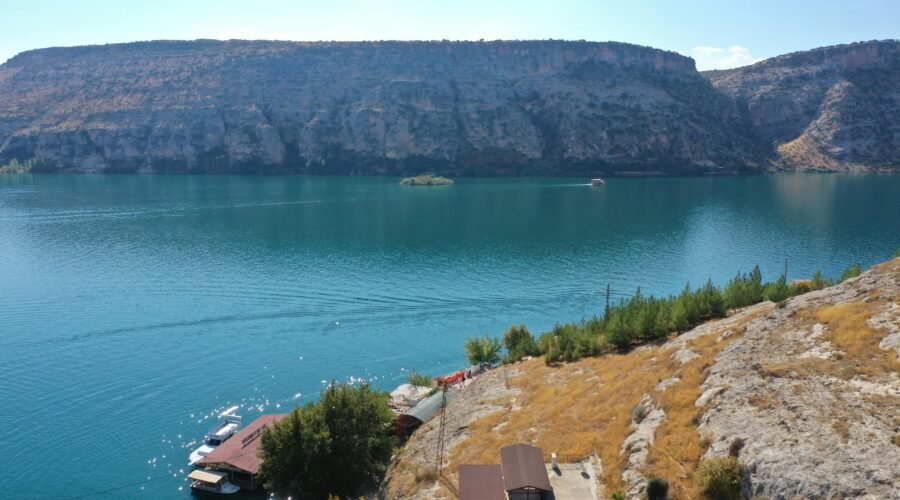
Planning a trip to Şanlıurfa, Turkey? The best time to visit Şanlıurfa depends on how much heat you can handle and what you want to see. This historic city in southeastern Türkiye is known for Göbeklitepe, Balıklıgöl, traditional bazaars, and its rich religious heritage. Choosing the right month can make exploring these places much more comfortable.
Quick Answer
The best time to visit Şanlıurfa is April or October, when temperatures are generally comfortable for outdoor sightseeing. May and late September are also good choices, although they can be hot. July and August bring extreme heat, while November through February suit travelers who prefer cooler weather and potentially lower accommodation costs.
Last checked: October 23, 2026. Climate figures, published attraction information, and 2027 holiday dates were checked against official sources.
Key Takeaways
- April has an average daytime high of 23.1°C (74°F), making it particularly good for visiting Göbeklitepe and walking around the old city.
- October averages 27.7°C (82°F) during the day and offers a pleasant break from summer heat.
- July and August average daytime highs near 39°C (102°F), so outdoor activities require careful planning.
- November, December, January, and February can offer quieter travel, but rain and cold evenings are more common.
- Public holidays, religious celebrations, and festivals can increase demand even during otherwise quiet months.
Şanlıurfa Weather by Month: When Should You Visit?
Şanlıurfa has hot, dry summers and cooler, wetter winters. Spring and autumn are the most practical seasons for travelers who want to spend several hours outdoors.
The following figures come from the Turkish State Meteorological Service’s official Şanlıurfa climate statistics. They are historical city averages, not forecasts for your travel dates.
| Month | Average High / Low | Average Rainfall | Travel Conditions |
|---|---|---|---|
| January | 10.6°C / 3.0°C | 81.0 mm | Cold and relatively wet |
| February | 12.5°C / 3.6°C | 66.3 mm | Cool with possible rain |
| March | 17.5°C / 7.0°C | 57.9 mm | Mild days, cool nights |
| April | 23.1°C / 11.3°C | 44.7 mm | Excellent for sightseeing |
| May | 29.6°C / 16.6°C | 26.2 mm | Warm; afternoons can be hot |
| June | 35.7°C / 21.9°C | 5.8 mm | Very hot and dry |
| July | 39.5°C / 25.4°C | 2.0 mm | Extreme daytime heat |
| August | 39.0°C / 25.0°C | 4.0 mm | Extreme daytime heat |
| September | 34.5°C / 20.8°C | 8.1 mm | Hot, especially early in the month |
| October | 27.7°C / 15.8°C | 24.6 mm | Excellent for sightseeing |
| November | 18.9°C / 8.9°C | 51.2 mm | Cooler and quieter |
| December | 12.4°C / 4.8°C | 78.7 mm | Cold and relatively wet |
The average high is the typical daily maximum across the measurement period. Individual days can be considerably hotter or colder.
Spring (March–May): Best Time to Visit Şanlıurfa for Mild Weather
Spring is one of the most rewarding seasons in Şanlıurfa. Temperatures become warmer, the surrounding countryside turns greener, and outdoor historical sites are generally easier to explore than in summer.
April offers the best overall balance, while May suits travelers who prefer warmer conditions.
March: Mild Days and a Quieter Atmosphere
March is a good choice if you want to avoid summer heat and do not mind occasional rain. Its average daytime high is 17.5°C (64°F), but nights can become chilly.
- Weather: Average temperatures range from a low of 7.0°C (45°F) to a high of 17.5°C (64°F). March averages 57.9 mm of rainfall.
- Crowds: Tourist areas may feel quieter than in warmer spring months, although holiday periods can bring substantial local visitors.
- Costs: March can offer good accommodation value outside major holidays. Flights and hotel prices still depend on your travel dates.
- Best activities: Explore Balıklıgöl, visit the old bazaars, and spend time at Şanlıurfa Archaeological Museum.
March is especially appealing if you enjoy walking and prefer cooler weather over strong sunshine.
For 2027 travelers, Ramadan is scheduled to end with Eid al-Fitr on March 9–11. Those dates may bring more domestic travel and visitors to religious sites.
April: One of the Best Months for Sightseeing
April is an excellent time to explore Şanlıurfa. With an average daytime high of 23.1°C (74°F), you can usually spend more time outdoors without the intense heat of summer.
- Weather: Average highs reach 23.1°C (74°F), while average lows are 11.3°C (52°F). Rain remains possible, but rainfall is generally lower than in March.
- Crowds: Popular attractions can become busier, especially during public holidays and organized cultural events.
- Costs: Pleasant sightseeing weather can increase demand for well-located hotels. Advance booking is sensible around festivals.
- Best activities: Visit Göbeklitepe, walk around Balıklıgöl, explore traditional markets, and consider a trip to Harran.
April is particularly suitable for travelers planning several outdoor attractions in one day.
In 2026, Şanlıurfa hosted the Türkiye Culture Route Festival from April 25 to May 3. The event included concerts, exhibitions, cultural activities, and food experiences. Festival dates vary by year, so this should not be treated as a fixed annual schedule.
May: Warm Weather and Long Sightseeing Days
May brings warmer weather and plenty of sunshine. It can be a wonderful month to visit, especially early in the month, but afternoon temperatures are noticeably higher than in April.
- Weather: The average high is 29.6°C (85°F), and the average low is 16.6°C (62°F). Rainfall averages 26.2 mm.
- Crowds: Favorable travel conditions and public holidays can bring more visitors to famous archaeological and religious sites.
- Costs: Accommodation may become more expensive around popular travel dates and organized events.
- Best activities: Visit outdoor sites in the morning, explore shaded bazaars later, and enjoy local food in the evening.
In 2027, Eid al-Adha falls on May 16–19. If your visit overlaps with these dates, expect greater travel demand and changes to some business schedules.
May is a strong option if you enjoy warm weather, but travelers sensitive to heat may prefer April.
Summer (June–August): Extreme Heat and Different Travel Conditions
Summer in Şanlıurfa is intensely hot and dry. This is the most challenging season for visitors planning long walks, archaeological excursions, or afternoon sightseeing.
However, travelers visiting in summer can still enjoy the city’s museums, evening atmosphere, restaurants, and cultural attractions with a carefully planned schedule.
June: The Beginning of Intense Summer Heat
June marks a major change in Şanlıurfa’s weather. The average daytime high reaches 35.7°C (96°F), and sunny afternoons can be uncomfortable for extended outdoor activities.
- Weather: Average temperatures range from 21.9°C (71°F) overnight to 35.7°C (96°F) during the day. Monthly rainfall averages only 5.8 mm.
- Crowds: Heat-sensitive travelers may avoid the city, but domestic holiday travel can still create busy periods.
- Costs: Some hotels may offer competitive summer rates, although school holidays and events can increase demand.
- Best activities: Plan outdoor sightseeing for early morning and spend the hottest hours in indoor attractions.
June is more manageable than July or August, but it is still a hot-weather destination rather than a mild summer escape.
July: Usually the Hottest Month
July is generally the least comfortable month for sightseeing in Şanlıurfa. The average daytime high is 39.5°C (103°F), and unusually hot days can exceed 40°C (104°F).
- Weather: Average lows remain around 25.4°C (78°F). July receives only about 2.0 mm of rain on average, making it exceptionally dry.
- Crowds: Some international visitors avoid the heat. Domestic travel, weekend visits, and public holidays can still make particular attractions busy.
- Costs: Lower demand from heat-sensitive travelers may create hotel offers, but lower summer prices are not guaranteed.
- Best activities: Prioritize museums, indoor cultural attractions, and short outings after sunset.
July 15 is Democracy and National Unity Day in Türkiye. The public holiday can affect travel patterns and business hours.
Warning: Summer heat in Şanlıurfa can cause dehydration, heat exhaustion, and heatstroke. Avoid strenuous outdoor activity during the hottest hours, drink water regularly, and take cooling breaks. Children, older adults, and people with heat-related health risks need extra care.
August: Continued Heat and Dry Conditions
August remains extremely hot, with weather similar to July. The average daytime high is 39.0°C (102°F), while nights often stay warm.
- Weather: Average temperatures range from 25.0°C (77°F) to 39.0°C (102°F). Average monthly rainfall is just 4.0 mm.
- Crowds: Visitor numbers depend on domestic holidays and local events. Popular religious and historical attractions are not necessarily empty.
- Costs: Summer accommodation deals may be available, but hotel rates vary by location, demand, and booking date.
- Best activities: Visit indoor museums during the day and explore the old city after temperatures begin to fall.
August 30 is Victory Day, a national holiday in Türkiye. Travelers visiting around this date may encounter celebrations and greater domestic travel.
For most visitors, July and August are the months to avoid if comfortable outdoor sightseeing is the main goal.
Autumn (September–November): Warm Days and Comfortable Exploration

Autumn offers another excellent opportunity to explore Şanlıurfa. Summer heat gradually weakens, outdoor sightseeing becomes easier, and the city remains lively.
October is the strongest autumn choice for most travelers, while late September and early November are useful alternatives.
September: Summer Heat Begins to Ease
September is warmer than many visitors expect. Although temperatures begin falling from August levels, the average daytime high remains 34.5°C (94°F).
- Weather: Average temperatures range from 20.8°C (69°F) to 34.5°C (94°F). Rainfall remains low at about 8.1 mm for the month.
- Crowds: Tourism may increase as extreme summer temperatures ease. Weekend travel and special events can create local peaks.
- Costs: Accommodation prices may become more competitive after summer school holidays, although popular weekends can remain expensive.
- Best activities: Explore museums, visit Balıklıgöl in the evening, and plan archaeological excursions early in the day.
Late September is generally more comfortable than early September, especially for travelers who want to spend several hours outside.
October: One of the Best Months to Visit
October is one of the best months for exploring Şanlıurfa. The average daytime high drops to 27.7°C (82°F), while nights become noticeably cooler.
- Weather: Average highs reach 27.7°C (82°F), and average lows are 15.8°C (60°F). Monthly rainfall averages 24.6 mm.
- Crowds: Historical sites can attract visitors taking advantage of milder weather. Weekdays outside holidays may feel calmer.
- Costs: October can offer a good balance of weather and accommodation value, but the most popular dates may attract higher rates.
- Best activities: Visit Göbeklitepe, explore Harran, walk through the old bazaars, and enjoy Şanlıurfa’s evening food culture.
Republic Day falls on October 29 every year, with the public holiday beginning on the afternoon of October 28. This can increase domestic travel and lead to local celebrations.
October is especially attractive for first-time visitors who want warm days without the extreme conditions of summer.
November: Cooler Weather and Potential Travel Savings
November brings cooler days and a more relaxed pace. The average daytime high falls to 18.9°C (66°F), making it pleasant for walking when the weather is dry.
- Weather: Average lows reach 8.9°C (48°F), and rainfall increases to approximately 51.2 mm.
- Crowds: Tourist activity may be lighter outside special events and domestic holidays.
- Costs: November can be a good month to search for accommodation deals, particularly on weekdays.
- Best activities: Visit Balıklıgöl, explore the archaeology museum, and enjoy traditional cafés and markets.
November is a useful compromise if you prefer cooler conditions and are comfortable carrying a jacket or umbrella.
Winter (December–February): Cold Weather and Quieter Sightseeing

Winter offers a different side of Şanlıurfa. Temperatures are much lower, rain becomes more common, and the city can feel less crowded than during popular sightseeing months.
It’s a reasonable season for budget-conscious travelers who prefer museums, historic streets, and shorter outdoor visits.
December: Cool Days and Chilly Evenings
December brings colder weather and shorter days. Although some afternoons are mild, you should prepare for chilly conditions, particularly after sunset.
- Weather: The average high is 12.4°C (54°F), and the average low is 4.8°C (41°F). Rainfall averages 78.7 mm.
- Crowds: Tourist activity can be lower than in spring and autumn, although religious visits continue throughout the year.
- Costs: Hotels may offer competitive rates during quieter weeks. New Year travel can change demand.
- Best activities: Explore the archaeology museum, enjoy local food, and visit Balıklıgöl during dry periods.
A warm, waterproof jacket is useful for December sightseeing.
January: The Coldest Month
January is usually Şanlıurfa’s coldest month. It is a suitable choice for travelers who value cooler conditions and do not require warm outdoor weather.
- Weather: Average temperatures range from 3.0°C (37°F) to 10.6°C (51°F). Rainfall averages 81.0 mm, the highest monthly figure in the official climate table.
- Crowds: Visitor numbers can be lower outside weekends and special religious occasions.
- Costs: January may offer attractive hotel rates after the New Year period, depending on availability.
- Best activities: Spend more time in museums, explore traditional food spots, and visit outdoor landmarks between rain showers.
Frost is possible, and snow can occasionally occur. However, heavy snowfall is not a normal requirement for a winter visit.
February: Winter Begins to Ease
February is still cold, but daytime temperatures start to rise compared with January. It can be a practical month for travelers who want a quieter trip before spring.
- Weather: Average highs reach 12.5°C (55°F), while lows average 3.6°C (38°F). Rainfall averages 66.3 mm.
- Crowds: Tourist activity is often relatively quiet, though religious occasions can change visitor patterns.
- Costs: Accommodation deals may be available outside busy dates.
- Best activities: Visit museums, historic mosques, cafés, and covered shopping areas.
In 2027, Ramadan begins on February 8 according to Türkiye’s official religious calendar. The city may have a quieter daytime atmosphere and livelier evenings during the fasting month.
Special Events, Holidays, and Crowds in Şanlıurfa
Weather is only one factor when deciding when to travel. Public holidays, religious celebrations, and cultural festivals can change crowd levels and hotel demand.
The following seasonal comparison summarizes the practical differences.
| Month | Weather | Crowds | Costs |
|---|---|---|---|
| March – May | Mild to warm, with some rain | Moderate to busy around festivals and holidays | Can rise on popular spring dates |
| June – August | Very hot and dry | Variable; heat reduces some sightseeing demand | Possible deals, but school holidays affect prices |
| September – November | Hot in September, milder by October | Moderate; popular autumn dates can be busy | Often better value outside events |
| December – February | Cold and relatively wet | Often quieter outside special occasions | Potential off-season savings |
These crowd and cost descriptions are planning guidance rather than measured monthly tourism or accommodation-price averages.
Public Holidays in 2026 and 2027
Türkiye’s public holidays can make normally quiet travel periods busier. This matters in Şanlıurfa because religious landmarks attract visitors from across the country.
According to the official 2027 public holiday calendar, several major dates are especially relevant to travelers.
- October 29, 2026: Republic Day. The public holiday begins on the afternoon of October 28.
- January 1, 2027: New Year’s Day.
- March 9–11, 2027: Eid al-Fitr (Ramazan Bayramı).
- April 23, 2027: National Sovereignty and Children’s Day.
- May 1, 2027: Labour and Solidarity Day.
- May 16–19, 2027: Eid al-Adha (Kurban Bayramı).
- July 15, 2027: Democracy and National Unity Day.
- August 30, 2027: Victory Day.
- October 29, 2027: Republic Day, beginning on the afternoon of October 28.
During major religious holidays, hotels, buses, and popular destinations may experience stronger demand. Smaller shops may operate on reduced schedules.
Ramadan and Religious Celebrations
Visiting Şanlıurfa during Ramadan offers a different cultural experience. Some restaurants are quieter during the day, while evenings become more active as people gather for iftar, the meal that ends the daily fast.
According to the Diyanet 2027 religious calendar, Ramadan begins on February 8, 2027, and Eid al-Fitr starts on March 9.
- Daytime atmosphere: Some local restaurants may operate shorter daytime hours. Tourist-oriented businesses and hotels may continue serving meals.
- Evening atmosphere: Iftar meals and social gatherings can make restaurant areas lively after sunset.
- Religious sites: Mosques and pilgrimage locations may become busier during special prayers and religious occasions.
- Cultural respect: Dress appropriately at religious sites and be considerate of people who are fasting.
Balıklıgöl is particularly important during religious celebrations. The Şanlıurfa Metropolitan Municipality’s visitor information identifies religious holidays and Mevlid and Kandil nights as especially busy times.
Culture Festivals and Local Events
Şanlıurfa hosts cultural activities celebrating its history, music, food, and local traditions. These events can be worthwhile reasons to visit, but they may also increase accommodation demand.
A notable example was the 2026 Şanlıurfa Culture Route Festival, which opened on April 25 and continued through May 3.
The city also hosted TEKNOFEST Güneydoğu from September 30 to October 4, 2026. This was a specific event, not a festival that should be assumed to recur in Şanlıurfa every autumn.
Mevlid-i Halil is also an important name in Şanlıurfa’s religious heritage. It refers to the mosque and cave associated by tradition with the birthplace of Prophet Abraham. It should not be confused with a confirmed annual November festival.
Best Time to Visit Göbeklitepe and Other Attractions
April and October are especially suitable for Şanlıurfa’s major outdoor attractions. Visiting during these months makes it easier to combine archaeological sites with walking around the historic city.
The city’s best-known destinations include Göbeklitepe, Balıklıgöl, the archaeology museum, and Harran.
Göbeklitepe: Best in Spring and Autumn
Göbeklitepe is one of the main reasons people visit Şanlıurfa. Its prehistoric stone structures date to approximately 9600–8200 BCE, according to the UNESCO World Heritage Centre. The site joined the World Heritage List in 2018.
April and October provide more comfortable conditions for walking around the archaeological site and viewing the excavated structures.
The official Göbeklitepe visitor listing shows daily opening at 08:30, closing at 17:30, and ticket-office closing at 17:00 as checked in October 2026.
During the published extended season from April 25 to October 1, 2026, the Ministry of Culture and Tourism allowed visits until 19:00, with ticket sales ending at 18:30. Future seasonal hours may differ.
The official e-ticket catalog listed a €20 Göbeklitepe ticket for international visitors when checked in October 2026. Turkish citizens have separate MüzeKart arrangements, and visitor eligibility affects ticket requirements.
Balıklıgöl and the Old City: Enjoyable in Cooler Weather
Balıklıgöl, also known as the Pool of Sacred Fish, is a major religious and cultural landmark. The surrounding area includes historic mosques, courtyards, and religious sites connected with local traditions about Prophet Abraham.
April and October are particularly pleasant for exploring the complex and nearby streets. In summer, the evening is often a more comfortable time to visit.
The historic bazaars are also worth exploring. You can browse traditional shops, see local craftsmanship, and try regional foods without planning a long excursion outside the city.
Archaeology Museum and Harran: Useful in Different Seasons
Şanlıurfa Archaeological Museum is a particularly valuable stop during winter rain or summer heat. Its exhibits cover the region’s long history, including important finds associated with Neolithic settlements.
Harran is better suited to mild-weather excursions. Its traditional beehive-shaped houses and archaeological remains are rewarding to explore, but strong summer sunshine can make a long outdoor visit uncomfortable.
For a practical sightseeing route, GoTürkiye’s official Şanlıurfa itineraries include the archaeology museum, Haleplibahçe Mosaic Museum, Balıklıgöl, Göbeklitepe, and Harran.
You can combine the city-center attractions on one day and reserve another day for sites farther outside the center.
When Is Şanlıurfa Cheapest to Visit?
Travel costs are often easier to manage outside major holidays and popular spring or autumn weekends. However, there is no fixed month that guarantees the lowest hotel and flight prices.
Accommodation rates depend on demand, events, booking lead time, hotel location, and the type of room you choose.
Best Periods to Search for Budget Accommodation
The most promising starting points for budget-focused travelers are quieter dates in winter, early spring, and late autumn.
- November: Often worth considering for a balance of cooler weather and potential accommodation savings.
- December and January: Can offer competitive hotel rates outside busy dates, although rain and cold temperatures are common.
- February: May suit budget travelers, but religious events can affect demand. Ramadan begins on February 8 in 2027.
- March: Can offer value before the main spring travel period, except around Eid or other busy dates.
- Summer: Some hotels may discount rooms because of the heat, but school holidays and events can offset those savings.
How to Avoid Paying More Than Necessary
The biggest savings usually come from choosing flexible dates and avoiding periods of unusually high demand.
- Compare hotel prices for weekdays and weekends before choosing your arrival date.
- Look at accommodation in central Şanlıurfa and compare what is included in the rate.
- Consider November or March if April and October accommodation is expensive.
- Allow extra room in your budget for museum entry, transport to archaeological sites, and guided tours.
- Book earlier if your visit overlaps with Eid, a major national holiday, or a confirmed festival.
Choosing a cheaper month is useful only if the weather still allows you to enjoy the activities you planned. Saving on accommodation may not feel worthwhile if extreme heat prevents outdoor sightseeing.
Which Month Should You Choose for Your Şanlıurfa Trip?
Your ideal month depends on the type of trip you want. Most first-time travelers should start by considering April or October, then choose another period if their priorities differ.
For the Best Overall Experience
Choose April or October. Both months are more comfortable than summer and suitable for exploring major historical sites.
April offers cooler average daytime temperatures, while October is warmer and usually drier than early spring.
For Warm Weather and Long Days
Choose May. It offers warm, sunny conditions and works well for travelers who enjoy the heat but want to avoid the most extreme part of summer.
Early May is generally a more comfortable choice than late May for long afternoon walks.
For Fewer Tourists and a Relaxed Trip
Consider November, January, or February. These months can provide a quieter atmosphere outside holiday periods.
You will need warm clothing, and winter rain may occasionally change your outdoor plans.
For Summer Travelers
Choose June rather than July or August if you have flexibility. June is still very hot, but its average high is lower than those of the following two months.
Plan short outdoor visits and allow time for indoor attractions and rest.
For History, Photography, and Walking
Choose April or October. These months are particularly useful if your itinerary includes Göbeklitepe, Harran, historic mosques, and the old city.
Set aside time for both the archaeological sites and the lively atmosphere around Balıklıgöl. With a comfortable season and a realistic itinerary, you can make the most of Şanlıurfa without rushing from one attraction to another.
Frequently Asked Questions
What is the best time to visit Şanlıurfa for good weather?
April and October are the best months for comfortable sightseeing in Şanlıurfa. Average daytime highs are 23.1°C in April and 27.7°C in October. May and late September are also possible, but they are generally warmer.
When is the best time to visit Şanlıurfa to avoid crowds?
November through February may offer quieter sightseeing outside religious holidays and special events. March can also be a good choice before the main spring travel period. Balıklıgöl and other religious landmarks can still become busy on important religious dates.
What is the peak tourist season in Şanlıurfa?
Spring and autumn offer the most comfortable conditions for sightseeing, making them attractive travel periods. However, exact peak visitor numbers vary by attraction and event. Summer can also be busy during domestic holidays, despite its extreme heat.
When is the cheapest time to visit Şanlıurfa?
Winter and quieter periods in March or November can be good times to search for hotel deals. No month guarantees the lowest prices. Flight availability, public holidays, events, and accommodation demand all influence the final cost.
What are the main annual events and festivals in Şanlıurfa?
Religious holidays, national celebrations, and cultural festivals are important events in Şanlıurfa. The city hosted the Türkiye Culture Route Festival from April 25 to May 3 in 2026. Religious holiday dates change each year, and festival dates should not be assumed to repeat unchanged.
Does it snow in Şanlıurfa during winter?
Snow can occur in Şanlıurfa, but cold weather and rain are more typical winter concerns. January is generally the coldest month, with an average high of 10.6°C and a low of 3.0°C. Freezing nights are possible.
Is Göbeklitepe open throughout the year?
Göbeklitepe is listed as open every day, with seasonal visiting hours. The official listing checked in October 2026 showed opening at 08:30 and closing at 17:30, with ticket sales ending at 17:00. Temporary changes may occur during maintenance or special events.
Sources
- Turkish State Meteorological Service: Official monthly temperatures, average rainfall, and seasonal weather conditions for Şanlıurfa.
- UNESCO World Heritage Centre: Göbekli Tepe’s archaeological significance, prehistoric dates, and World Heritage designation.
- GoTürkiye: Official sightseeing routes covering Göbeklitepe, Balıklıgöl, Harran, and Şanlıurfa’s museums.
- Türkiye Ministry of Culture and Tourism: Göbeklitepe opening hours, visitor information, and MüzeKart eligibility.
- Diyanet 2027 Public Holiday Calendar: Official national and religious public holiday dates.
- Diyanet 2027 Religious Calendar: Ramadan, Eid al-Fitr, and Eid al-Adha dates.
- Anadolu Agency: The 2026 Şanlıurfa Culture Route Festival and its opening.
- Şanlıurfa Metropolitan Municipality: Balıklıgöl’s history, religious significance, and visitor patterns.
- Official Museum E-Ticket Catalog: Göbeklitepe ticket listing and visitor ticket arrangements.