The best time to visit Kiama depends on whether you want peaceful coastal walks, warm beach days, or a chance to spot migrating whales. This seaside town on the New South Wales South Coast offers something in every season, but weather, crowds, and accommodation costs change throughout the year. Choosing the right month can make your visit more comfortable and affordable.
Quick Answer
The best time to visit Kiama is September to November or March to May. These shoulder seasons offer comfortable sightseeing weather and generally fewer visitors than summer. Choose December to February for beach holidays, or June to August for quieter coastal walks, whale watching, and potentially cheaper accommodation.
Last checked: October 23, 2026. Dates and figures were verified against official sources.
Key Takeaways
Key Takeaways
- Spring: September to November brings pleasant walking weather, coastal flowers, markets, and southbound whale migration.
- Summer: December to February is best for swimming, surfing, and family holidays, but school holidays bring the biggest crowds.
- Autumn: March to May offers comfortable coastal sightseeing, quieter weekdays, and opportunities to find accommodation deals.
- Winter: June to August is excellent for land-based whale watching, dramatic coastal scenery, and off-season travel.
- Blowhole timing: Ocean swell direction matters more than the month or time of day. The main Blowhole performs best with a southeast swell.
Best Time to Visit Kiama: Quick Decision Guide
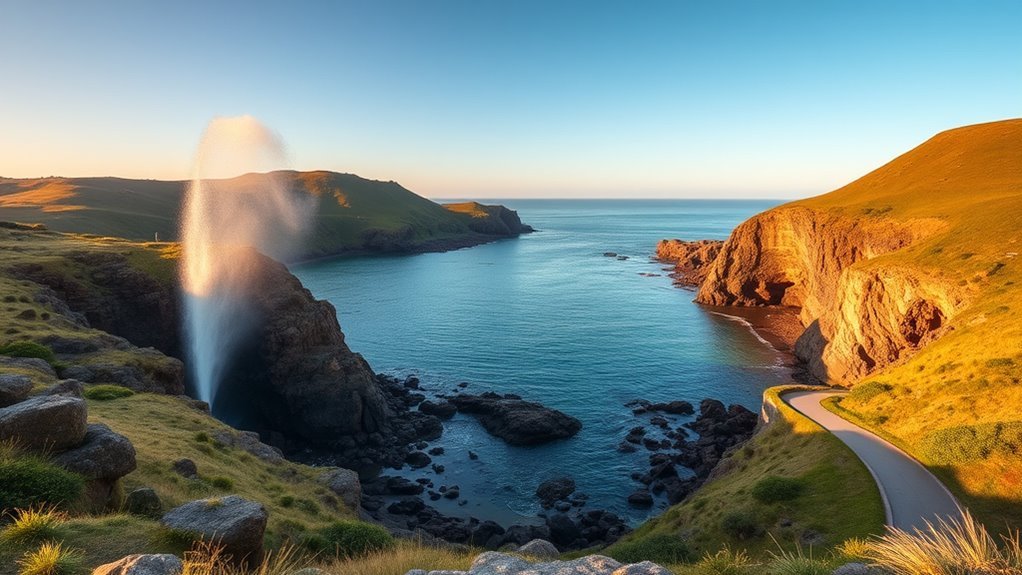
For most visitors, October, November, March, and April are excellent months to explore Kiama. You can enjoy its famous Blowhole, beaches, cafés, and headland views without planning every activity around summer holiday crowds.
However, your ideal dates depend on what matters most to you.
- Best overall weather: October, November, March, and April offer a comfortable balance for sightseeing and outdoor activities.
- Best for beaches: December through February brings the warmest average temperatures and the strongest summer holiday atmosphere.
- Best for whale watching: Late May to July is the main northbound migration period, while September to November brings southbound whales, including mothers with calves.
- Best for fewer crowds: Midweek stays outside NSW school holidays and major events are usually quieter.
- Best for budget travelers: Winter weekdays and selected autumn or spring dates often provide better accommodation value.
- Best for markets: Kiama has regular markets throughout the year, so you do not need to visit during summer to enjoy them.
The best strategy is to choose your season first, then build your activities around the conditions. The Blowhole and coastal lookouts are free attractions, so you can enjoy Kiama without filling your itinerary with paid tours.
If you enjoy learning about local culture, consider community events, galleries, and Aboriginal-led experiences. Kiama sits on Dharawal Country, and respectful cultural experiences can add depth to your visit.
Kiama Weather by Season: Temperatures and Rainfall
Kiama has a mild coastal climate shaped by the Pacific Ocean. Summers are warm rather than constantly scorching, winters are cool, and rainfall can occur in any month.
The Australian Bureau of Meteorology’s Kiama (Bombo Headland) climate statistics, station 068242, provide local temperature and rainfall averages. The following seasonal temperatures are calculated from its monthly mean maximum and minimum readings.
| Season | Average High / Low | Average Monthly Rainfall Range | Typical Crowds and Best Activities |
|---|---|---|---|
| Spring
September–November |
21.6°C / 14.0°C | 60–82 mm | Moderate, with holiday peaks. Coastal walks, spring flowers, whale watching, and markets. |
| Summer
December–February |
24.5°C / 18.4°C | 74–149 mm | High, especially during school holidays. Swimming, surfing, family activities, and outdoor dining. |
| Autumn
March–May |
22.0°C / 15.6°C | 87–183 mm | Low to moderate outside holidays. Sightseeing, markets, food experiences, and coastal photography. |
| Winter
June–August |
17.7°C / 10.8°C | 75–95 mm | Generally quieter. Whale watching, winter walks, photography, and budget stays. |
These are historical averages, not forecasts. Individual days can be much hotter, cooler, or wetter.
For context, the station’s mean maximum temperature is 25.0°C in January and 17.3°C in July. Average monthly rainfall reaches 183.2 mm in March but falls to 60.0 mm in September.
That means winter is not automatically Kiama’s wettest season. Heavy rain can occur in warmer months too, so a flexible outdoor itinerary is useful year-round.
Kiama Summer (Dec–Feb): Activities, Crowds and Costs
Summer is the best season for travelers who want swimming, surfing, long daylight hours, and a lively holiday atmosphere. December to February brings Kiama’s warmest weather, but also its busiest accommodation period.
Average daytime highs sit around 24–25°C, although hotter days do occur. Sea breezes make the coast pleasant, while strong sunshine means you’ll need shade, water, and sun protection.
Best Summer Activities
Kiama offers several easy ways to enjoy summer without traveling far from town.
- Surf Beach: Close to Kiama’s main streets, with swimming, surfing, a playground, and picnic facilities.
- Kendalls Beach: A sandy cove with family facilities and seasonal patrols.
- Kiama Blowhole: Enjoy the headland, lighthouse, ocean views, and coastal photography.
- Blowhole Point Ocean Pool: A scenic ocean pool with a natural rock floor and views across the water.
- Local markets: Browse food, crafts, produce, and gifts while supporting regional businesses.
Early mornings can be especially pleasant for walking, photography, and quieter beach visits. Evenings are good for seaside meals, café visits, and relaxed walks around Kiama Harbour.
| Scene | Best Summer Plan |
|---|---|
| Surf breaks | Surf or swim at a patrolled beach when conditions allow. |
| Markets | Browse local produce, food stalls, and handmade goods. |
| Headland walks | Visit early or late for softer light and cooler conditions. |
| Evenings | Enjoy seafood, community events, and waterfront dining. |
Summer Events and Busy Dates
The Christmas and New Year period is especially popular with holidaymakers. The NSW Government lists the eastern division’s 2026–27 summer school holidays as December 18, 2026, to January 27, 2027.
A major summer event is the Kiama Show, scheduled for January 22–23, 2027. This agricultural and community show takes place at Kiama Showground.
Expect stronger demand for accommodation around these dates, Australia Day, and summer weekends. Staying outside the main holiday period can make the town feel noticeably less crowded.
Summer Beach Safety
Swimming is one of Kiama’s main summer attractions, but conditions can change quickly. Surf Beach and other local beaches have seasonal lifeguard or volunteer patrols.
Kiama Council’s 2026–27 lifeguard season announcement confirms patrols run from September 26, 2026, through April 25, 2027, with schedules varying by beach.
Always swim between the red and yellow flags when lifeguards are on duty. Don’t assume that a beach is safe just because the water looks calm or the weather is sunny.
Who should choose summer? Families, swimmers, surfers, and travelers who enjoy busy seaside towns will get the most from this season.
Kiama Autumn (Mar–May): Mild Weather and Deals
Autumn is one of the most comfortable periods for exploring Kiama without the main summer crowds. March remains relatively warm, while April and May bring cooler evenings and pleasant walking temperatures.
The average daytime high drops from 24.0°C in March to 19.8°C in May. This makes autumn especially appealing for sightseeing, photography, and coastal walks.
What to Do in Autumn
Autumn suits travelers who prefer a relaxed itinerary with time for beaches, cafés, and local attractions.
- Walk around Kiama Blowhole and Lighthouse when the headland is less crowded.
- Explore Kiama Harbour and the historic terrace houses around Collins Street.
- Sample local seafood, bakery items, and regional produce.
- Browse weekend markets and independent shops.
- Visit nearby Gerringong or Jamberoo for a change of scenery.
- Choose a midweek overnight stay to enjoy the town at a slower pace.
Autumn can also offer better accommodation availability than the summer holiday period. However, Easter, NSW school holidays, and local events can increase demand.
Autumn Events and Food Experiences
Kiama’s event calendar includes live music, food experiences, and community activities throughout the year.
For example, Sounds of Jazz & Blues ran from March 6–8, 2026. The community-led program featured performances across local venues while the regular Kiama Jazz & Blues Festival paused.
That is a useful example of the town’s autumn music scene, but it should not be treated as a confirmed date for future years.
Autumn is also a good time to explore local cafés, seafood restaurants, and nearby vineyards without the busiest summer dining crowds.
Who should choose autumn? Couples, photographers, food lovers, and visitors who want comfortable sightseeing weather will find March through May appealing.
Kiama Winter (Jun–Aug): Coastal Walks and Budget Stays
Winter is best for visitors who enjoy dramatic coastal scenery, whale watching, and quieter travel. June to August is cooler than the rest of the year, but daytime temperatures remain manageable for walking and sightseeing.
Kiama’s average winter daytime high is around 17.7°C. Wind, sea spray, and rain can make exposed headlands feel colder, particularly early in the morning.
Coastal Walk Conditions
Kiama’s coastal walks remain attractive in winter, with ocean views, green headlands, and fewer summer holiday visitors. However, exposed sections can become windy, slippery, or unsafe during rough weather.
The full Kiama Coast Walk runs about 20 km from Minnamurra River to Werri Beach in Gerringong, with a mixture of sealed paths, grass tracks, and beach sections.
There is also an important current access issue. According to Kiama Council’s Coast Walk notice, updated October 15, 2026, the southern end remains closed because of high water levels at Werri Lagoon. Visitors can walk from Loves Bay and return, but cannot currently continue through to Gerringong on the affected section.
For a safe and comfortable winter walk:
- Wear shoes with reliable grip on wet paths.
- Carry a waterproof outer layer and something warm for exposed headlands.
- Stay on designated tracks and away from unstable cliff edges.
- Use shorter routes if strong winds or rain make conditions unpleasant.
- Allow time for photography, lookout stops, and changing coastal light.
The coastline has several memorable features, including rugged cliffs, rocky platforms, grassy headlands, and panoramic views across the Pacific.
Winter Wildlife Viewing
Winter is a particularly rewarding time to watch whales passing Kiama’s coastline. The northbound migration is active from late May through July, giving visitors opportunities to spot humpback whales from shore.
You may notice a distant spray of water, a whale’s back breaking the surface, or a sudden breach. Sightings are never guaranteed, but elevated headlands provide a good view across the ocean.
Seabirds are another attraction. Look for oystercatchers along rocky shores, pelicans near the harbor, and larger birds of prey around coastal areas.
Rock pools also contain small marine life, including crabs and other animals adapted to changing tides. Observe them without disturbing their habitat.
Bring binoculars if you want a better view of offshore wildlife. They are especially useful when whales travel beyond the closest surf zone.
Budget Accommodation Options
Winter can be a good season for affordable Kiama accommodation, particularly outside school holidays and event weekends. Lower visitor demand may create opportunities for discounted rooms and longer-stay offers.
Consider these accommodation types:
- Family-run motels: Practical choices for short visits and road trips.
- Budget guesthouses and private rooms: Options for travelers who prefer simple accommodation.
- Hostels and shared accommodation: Worth checking for solo travelers, although local availability varies.
- Caravan and holiday parks: Useful for travelers who want self-catering facilities or designated camping sites.
- Self-contained apartments: A convenient choice for families or visitors planning to prepare their own meals.
Caravan parks and camping facilities can offer flexibility, but overnight camping should only take place in approved locations.
Winter also brings community activities. The Kiama Winter Street Festival took place on July 11, 2026, with live music, creative workshops, family entertainment, and free festival activities. Its future dates depend on council planning and funding.
Who should choose winter? Whale watchers, hikers, photographers, and budget-conscious travelers who don’t need warm swimming conditions.
Kiama Spring (Sep–Nov): Wildflowers, Events and Views
Spring is one of the best times to visit Kiama for coastal walks, green scenery, whale watching, and a balance of outdoor activities. September through November brings warmer days before the main summer holiday rush.
Average daytime highs rise from 20.4°C in September to 22.7°C in November. Coastal breezes remain common, but the temperatures generally suit walking and sightseeing.
Spring Flowers and Coastal Photography
Spring brings fresh growth and seasonal flowers to gardens, reserves, and surrounding coastal vegetation. The combination of green hills, ocean views, and changing light makes this an attractive season for photography.
Early mornings provide soft light around Kiama Lighthouse and the Blowhole. Later in the day, you can explore coastal paths, small beaches, and nearby viewpoints.
Bonaira Native Gardens, the Kiama coastline, and surrounding nature areas are appealing options for travelers who enjoy gardens, birds, and native vegetation.
For wildlife enthusiasts, spring also overlaps with the southbound whale migration, giving you another reason to spend time at elevated coastal lookouts.
Spring Markets and Events
Spring is an active period for community markets, arts, and local events.
The 2026 calendar included Kiama Culture Fest on October 10 at Hindmarsh Park, with free cultural performances, workshops, food, and family activities.
Another confirmed spring event is the Kiama Record Fair on November 7–8, 2026. Regular local markets also operate across the season.
For visitors interested in community life, these events offer an opportunity to meet local makers, enjoy regional food, and experience Kiama beyond the usual tourist attractions.
Is Spring Better Than Autumn?
Both seasons are excellent, but they offer different advantages.
Choose spring if you want warming weather, greener scenery, southbound whale migration, and an increasing number of outdoor activities.
Choose autumn if you prefer the warmth left over from summer, quieter sightseeing after the holiday rush, and relaxed food-focused travel.
Late spring can become busier as summer approaches. For a quieter experience, consider weekdays outside school holidays.
See the Kiama Blowhole: When to Visit and Whale Windows
The Kiama Blowhole is a year-round attraction, and there is no single month or hour when it always performs best. Its most impressive eruptions depend on the direction and strength of incoming ocean swell.
According to Destination Kiama’s official Blowholes guide, the main Kiama Blowhole is most active with a southeast swell. The nearby Little Blowhole performs best when swell comes from the northeast.
Both attractions are free to visit and accessible for viewing throughout the year, subject to local safety conditions.
Best Time Daily
Early morning is often the most comfortable time to visit the Kiama Blowhole if you prefer fewer people and soft photography light. However, morning does not automatically mean stronger eruptions.
The Blowhole works when incoming waves force air and water through a natural rock opening. A suitable swell can create impressive displays at any time of day.
Use this guide to choose your preferred viewing experience:
- Early morning: Often quieter, with soft light and fewer spectators.
- Midday: Brighter light and a lively atmosphere, especially on weekends.
- Afternoon: Convenient for combining the Blowhole with lunch, coastal walks, and nearby attractions.
- Golden hour: Warm colors and attractive light for landscape photography.
- Twilight: A peaceful atmosphere, although fading light makes it harder to observe and photograph the water safely.
The best approach is to prioritize suitable swell conditions and use the time of day to match your photography and crowd preferences.
If the main Blowhole is relatively quiet, the Little Blowhole off Tingira Crescent may be worth considering. Its northeast-facing swell preference means it can perform differently from the larger attraction.
Whale Migration Windows
Kiama is a rewarding place to watch migrating whales from land. The main viewing opportunities occur from late May to November as whales travel north and then return south along the NSW coastline.
The NSW National Parks whale-watching guide explains that whales generally move north from May to July and south from July to November.
| Period | Whale Activity | What Visitors Can Expect |
|---|---|---|
| Late May–July | Main northbound migration | Good opportunities to spot humpbacks traveling toward warmer breeding waters. |
| August | Migration transition | Possible sightings, with movement and numbers varying through the month. |
| September–November | Main southbound migration | Opportunities to see returning whales, including mothers traveling with calves. |
Humpback whales are the main attraction, although southern right whales may also be seen in NSW coastal waters.
Good land-based observation points in the wider Kiama area include Blowhole Point, Minnamurra Headland, and the Gerringong whale-watching platform.
Look for water spouts, visible backs, tail movements, and surface splashes. Calm visibility can make distant whales easier to notice, although weather and migration patterns affect every visit.
Whale watching from public lookouts can be free. Organized boat tours may provide a different viewing experience, but availability and prices depend on the operator.
Blowhole Viewing Tips
Watching the Kiama Blowhole is straightforward, but safety and realistic expectations matter. Even on a sunny day, waves can create slippery surfaces and powerful sea spray.
Warning: Stay behind viewing barriers and never climb onto exposed rocks to get closer to the Blowhole. Large waves and sudden spray can create dangerous conditions, even when the surrounding sea looks manageable.
- Consider the swell direction when planning your visit.
- Choose a safe viewing platform rather than an exposed rock ledge.
- Bring a waterproof jacket if strong spray is expected.
- Use a fast camera shutter to capture individual water bursts.
- Keep children close and give other visitors space at crowded lookouts.
The main Blowhole can send water more than 30 metres into the air under favorable conditions. However, quiet periods are normal and don’t mean the attraction is permanently inactive.
Nearby Kiama Lighthouse, the harbor, ocean pool, and picnic areas make the headland worth visiting even when the Blowhole is not particularly active.
Kiama Costs by Season: Accommodation and Activities
Accommodation is usually the biggest seasonal expense for visitors to Kiama. Prices often rise during summer, public holidays, and major local events, while winter and selected shoulder-season dates can offer better value.
There is no reliable fixed nightly rate that applies to every season. Costs depend on the accommodation type, booking date, length of stay, and local demand.
| Season | Typical Accommodation Demand | Budget Advice |
|---|---|---|
| Spring | Moderate, with school holiday and event peaks | Compare weekdays and avoid major event weekends. |
| Summer | Highest around Christmas, New Year, and January holidays | Book early and consider accommodation outside the waterfront area. |
| Autumn | Moderate to lower outside Easter and school holidays | Look for flexible midweek accommodation offers. |
| Winter | Generally lower outside holidays and special events | Compare motels, holiday parks, and self-contained units. |
Winter can bring better accommodation value, while spring and autumn offer a useful balance of comfortable weather and moderate demand.
What Can You Do in Kiama for Free?
You don’t need a large activity budget to enjoy Kiama. Some of its best experiences involve public lookouts, beaches, parks, and coastal scenery.
- Watch the Kiama Blowhole and Little Blowhole.
- Photograph Kiama Lighthouse and the surrounding headland.
- Explore public sections of the Kiama Coast Walk.
- Watch for migrating whales from coastal lookouts.
- Visit parks, picnic areas, and public beaches.
- Browse local markets without making a purchase.
Paid activities may include surf lessons, kayak hire, bike rental, guided tours, accommodation, and dining experiences.
For budget travelers, packing a picnic and choosing accommodation with cooking facilities can help reduce daily spending.
Plan Your Kiama Trip: Timing, Booking and Local Events
Planning a Kiama trip is easier when you match your travel dates with your preferred activities. Start by deciding whether you want swimming, whale watching, coastal walks, or local events.
Then allow enough flexibility for the weather and any changes to beach or walking-track access.
When Should You Book Accommodation?
Summer accommodation is worth organizing well ahead of travel, particularly around Christmas, New Year, and January school holidays.
Booking two to three months ahead is a sensible starting point for popular summer dates, although high-demand properties may fill earlier. For quieter spring and autumn stays, several weeks of advance planning may be enough when there is no major event.
If your dates are flexible, compare the same accommodation across multiple weekdays and weekends. Sometimes changing your arrival date can make a meaningful difference.
Local Markets and Community Events
Kiama has a regular market calendar that makes it easy to include local shopping and food experiences in almost any trip.
The official Destination Kiama markets guide lists these recurring events:
- Kiama Farmers’ Market: Wednesdays at Coronation Park, Surf Beach. Normally 3–6 pm, or 2–5 pm during winter.
- Kiama Seaside Markets: Third Sunday of each month at Black Beach, generally 9 am–3 pm, with some additional dates.
- Gerringong Rotary Markets: Third Saturday of each month on Fern Street, generally 8:30 am–1:30 pm.
- Jamberoo Village Market: Last Sunday of the month, excluding December, at Reid Park, generally 8 am–2 pm.
These markets are useful for trying regional produce, finding handmade gifts, and enjoying the area’s community atmosphere.
Traveling From Sydney
Kiama is accessible from Sydney by road or public transport. Driving typically takes around two hours in favorable traffic, while the South Coast Line provides a rail connection.
Kiama Station is close to the town center, allowing visitors to reach shops, cafés, and some coastal attractions on foot.
Transport for NSW announced South Coast Line timetable changes starting November 15, 2026. Train departure times and stopping patterns may change, and trackwork can sometimes require replacement buses.
For a short visit centered on Kiama’s main attractions, a car may not be necessary. However, a vehicle can be useful for exploring surrounding villages, inland attractions, and more distant beaches.
When Are Kiama’s Busiest Holiday Periods?
Public school holidays, long weekends, and major events usually produce the strongest visitor demand.
The NSW Government school holiday calendar confirms these important 2026–27 dates:
- Spring 2026: September 28–October 9, 2026.
- Summer 2026–27: December 18, 2026–January 27, 2027, for eastern division public schools.
- Autumn 2027: April 12–23, 2027.
- Winter 2027: July 5–16, 2027.
- Spring 2027: September 27–October 8, 2027.
School holiday crowds are not limited to summer. Autumn and spring school breaks can also bring busy beaches, cafés, and accommodation demand when the weather is pleasant.
What Should You Pack?
Your clothing should match the season, but Kiama’s exposed coastline makes a few items useful throughout the year.
- Summer: Swimwear, sunscreen, hat, sunglasses, and light clothing.
- Autumn: Comfortable walking shoes and a light jacket for cooler evenings.
- Winter: Warm layers, a windproof or waterproof jacket, and sturdy footwear.
- Spring: Light layers, sun protection, and a jacket for coastal breezes.
A small daypack is useful for carrying water, a camera, and any extra clothing needed while exploring the headlands.
Frequently Asked Questions
Are Dogs Allowed on Kiama’s Main Beaches and Coastal Walks?
Dogs are allowed in designated areas, but not on every beach or walking route. Kiama Council prohibits dogs from most beach sand and water areas except approved off-leash zones. Designated options include Kaleula Reserve and Marsden Headland. Dogs must be controlled and leashed outside approved off-leash areas.
What Public Transport Options Reach Kiama From Sydney?
You can reach Kiama from Sydney using the South Coast Line, which connects Kiama Station with the Sydney rail network. Some services run directly, while others may require a connection. Journey times and stops vary, so use the Transport for NSW trip planner for your travel date.
Are There Accessible Facilities at the Kiama Blowhole Viewing Area?
Yes. The main Kiama Blowhole precinct has paved pathways, multiple accessible viewing platforms, nearby parking, and accessible facilities. However, not every surrounding coastal path or rocky area is suitable for wheelchairs. Visitors with specific mobility needs should confirm the most suitable access route before arriving.
Where Can I Hire Bicycles or Surfboards in Kiama?
Bike rental is available through Kiama Cycles, which lists hire options and operates from Oak Flats. For surfboards, Zink Surf at 136 Terralong Street in Kiama advertises foamboard and longboard hire. Contact the businesses before visiting to confirm equipment availability, rental conditions, and collection arrangements.
Is It Safe to Swim at Kiama Beaches Year-Round?
Swimming conditions vary throughout the year, and year-round safety cannot be guaranteed. Lifeguard patrols are seasonal, while rip currents and changing surf conditions can occur at any time. Kiama Council advises swimming only at patrolled beaches between the red and yellow flags. If there are no flags, do not enter the surf.
Conclusion
For the best balance of weather, crowds, and sightseeing, plan your Kiama visit for spring or autumn. Choose summer for beaches and holiday energy, or winter for whale watching and potentially better accommodation value.
Whatever season you choose, make time for the Kiama Blowhole, coastal scenery, local markets, and a relaxed walk around town. A little planning around school holidays, swell conditions, and local events can make your trip more enjoyable.
Sources
- Australian Bureau of Meteorology — Kiama (Bombo Headland): Official monthly temperature and rainfall observations used for the seasonal weather comparison.
- Destination Kiama — Blowholes: Swell direction, free viewing, access, and Blowhole characteristics.
- Kiama Council — Kiama Coast Walk: Walking distance, route information, and the October 2026 southern access closure.
- NSW National Parks — Whale Watching: Whale migration seasons and responsible viewing guidance.
- NSW Government — School Holidays: Confirmed 2026 and 2027 school holiday periods.
- Kiama Show Society: January 22–23, 2027 event dates.
- Destination Kiama — Sounds of Jazz & Blues: March 2026 community music event.
- Destination Kiama — Markets: Recurring markets, locations, and operating times.
- Kiama Council — Lifeguard Season: Beach patrol dates and summer water safety guidance.
- Transport for NSW — 2026 Train Timetable Changes: South Coast Line travel and timetable updates.
- Kiama Council — Dog Off-Leash Areas: Rules for dogs on beaches, public spaces, and designated off-leash areas.
- Destination Kiama — Accessible and Inclusive Travel: Blowhole viewing accessibility and nearby facilities.
- Kiama Cycles — Cycling and Bike Hire: Bicycle rental services and business details.
- Zink Surf — Hire Boards: Surfboard rental options and Kiama shop location.