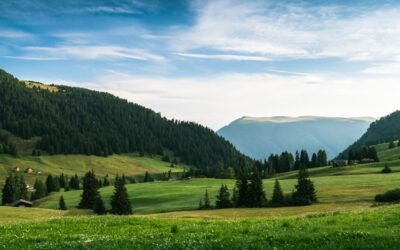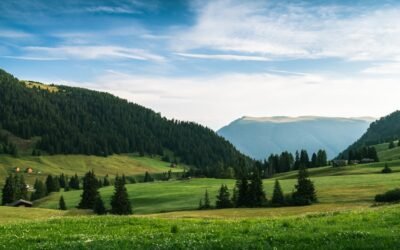
Giresun Island (Giresun Adası) is a small, green island off Turkey’s Black Sea coast. Its ancient ruins, unusual legends, and peaceful sea views make it a rewarding stop on a trip through northern Turkey. But the best time to visit Giresun Island depends on the weather, boat tour availability, and the kind of experience you want.
Quick Answer
The best time to visit Giresun Island is May, early June, or September. These months offer a good balance of sightseeing weather and smaller crowds. July and August are warmer and generally busier. Summer is the most dependable period for boat excursions, while spring and autumn visits depend more on tour schedules and sea conditions.
Last checked: October 23, 2026. Dates and figures were verified against official sources.
Key Takeaways
- May is excellent for greenery and local culture, but the Aksu Festival can make Giresun busier.
- July and August are the warmest months, with average daily highs of 26.2°C and 26.7°C respectively.
- September remains relatively warm, although rainfall increases compared with summer.
- The Turkish Ministry of Culture lists Giresun Island admission as free. Boat transportation costs are separate.
- The island has improved walking paths, viewing terraces, a cafe, and visitor facilities following recent upgrades.
Best Time to Visit Giresun Island: Monthly Weather and Crowds
May, June, and September offer some of the most appealing conditions for a sightseeing trip. July and August are better if you prefer warm days and a lively summer atmosphere. Weather can change quickly along the Black Sea coast, so even the warmest months are not guaranteed to be dry.
Giresun has a humid Black Sea climate, rather than the hot, dry Mediterranean climate found in southern Turkey. Rain falls throughout the year, keeping the island’s vegetation green.
The following figures come from the Turkish State Meteorological Service’s official Giresun climate statistics. They describe the mainland city, not a separate weather station on the island. The published observation period extends through 2025.
| Month | Average High | Average Rainfall | Crowds and Travel Outlook |
|---|---|---|---|
| January | 10.7°C | 128.3 mm | Very quiet; limited boat availability |
| February | 10.7°C | 100.9 mm | Quiet; winter sea conditions |
| March | 11.9°C | 99.2 mm | Quiet; early-season tours may operate |
| April | 15.1°C | 75.7 mm | Low crowds; good for greenery |
| May | 19.0°C | 68.5 mm | Usually moderate; Aksu Festival increases activity |
| June | 23.6°C | 77.3 mm | Increasing tourism; favorable for boat trips |
| July | 26.2°C | 81.4 mm | Busy summer period |
| August | 26.7°C | 89.1 mm | Busy; hazelnut harvest season on the mainland |
| September | 23.7°C | 130.4 mm | Generally quieter after summer holidays |
| October | 20.0°C | 162.9 mm | Quiet; wetter and less reliable for excursions |
| November | 16.4°C | 150.9 mm | Very quiet; limited excursions |
| December | 13.0°C | 127.4 mm | Very quiet; winter travel conditions |
May has the lowest average monthly rainfall in the official Giresun figures, but that does not mean rain-free days. September is warmer than May, yet its rainfall average is almost twice as high.
If you mainly want to explore ruins, take photographs, and enjoy the landscape, those differences matter more than the hottest temperature of the year.
What Is Giresun Island Like in Each Season?
Each season brings a different experience to the island. Spring is green and comfortable, summer is warmer and more active, autumn is quieter but wetter, and winter offers the least reliable access.
Spring: March to May
Spring is an excellent choice if you love green scenery and comfortable walking temperatures. April and May are especially appealing because the weather gradually warms while much of the summer tourism season is still ahead.
Average daytime highs rise from 11.9°C in March to 19.0°C in May. Rain showers remain possible, but vegetation becomes more vibrant.
- Weather: Cool in March, mild in April, and more comfortable in May.
- Crowds: Usually lower than summer, except during festivals and public holidays.
- Costs: Mainland hotel rates may be more favorable outside major events.
- Best activities: Walking, landscape photography, birdwatching, and historical sightseeing.
- What to pack: A waterproof jacket, comfortable shoes, and an extra layer for the boat.
Spring is also important to Giresun’s local traditions. The Aksu Festival, connected to the traditional Mayıs Yedisi celebrations, takes place around May 20. Its customs include symbolic rituals linked to the sea and Giresun Island.
Hıdırellez is traditionally celebrated on May 5–6 in Turkey. It marks the arrival of spring, although local activities and their locations vary.
If you want cultural celebrations along with your island trip, May is worth considering. If you prefer an especially quiet visit, avoid the busiest festival days.
Summer: June to August
Summer is the warmest and generally busiest season for Giresun Island. It is also the most practical period for travelers who want to organize a boat excursion without the greater uncertainty of winter and early spring.
Average daytime highs are 23.6°C in June, 26.2°C in July, and 26.7°C in August. Humidity can make July and August feel warmer than the numbers suggest.
- Weather: Warm, often humid, with periodic rain and cloud cover.
- Crowds: Higher during school holidays, weekends, and organized group visits.
- Costs: Mainland accommodation and popular excursions may be more expensive.
- Best activities: Boat sightseeing, exploring archaeological remains, and viewing the coastline.
- What to pack: Sunscreen, a hat, drinking water, and light clothing.
June often offers a useful middle ground. You get warmer conditions without necessarily experiencing the busiest part of summer.
July and August suit travelers who enjoy a more active holiday atmosphere. However, Giresun Island itself is primarily a historical and nature attraction, not a developed beach resort.
August is also associated with Giresun’s important hazelnut harvest. Local markets and food shops provide opportunities to discover the region’s best-known agricultural product. Individual hazelnut events do not follow one reliably confirmed annual festival schedule.
Summer boat services can still be canceled by strong winds or rough seas. Warm weather alone does not guarantee safe sailing.
Autumn: September to November
September is one of the strongest choices for visitors seeking a quieter island experience. Temperatures remain pleasant after summer, although rain becomes more common.
The average daytime high is 23.7°C in September, falling to 20.0°C in October and 16.4°C in November.
- Weather: Mild in September, cooler and increasingly wet later in autumn.
- Crowds: Generally lower after the main summer holiday period.
- Costs: Mainland accommodation may offer better value as seasonal demand eases.
- Best activities: Photography, peaceful walks, coastal views, and birdwatching.
- What to pack: Waterproof outerwear, layers, and shoes with reliable grip.
September can also be pleasant for swimming at suitable mainland beaches, since the sea may retain some summer warmth. However, swimming should not be the main reason for booking a Giresun Island excursion.
October has a notably higher rainfall average of 162.9 mm. This makes it a less reliable month for a tightly scheduled boat trip.
Turkey celebrates Republic Day on October 29, which may bring events and extra domestic travel in Giresun. This does not mean the island itself hosts a specific Republic Day festival.
By November, shorter days and unsettled sea conditions make island excursions less dependable.
Winter: December to February
Winter is generally the least suitable season for visiting Giresun Island. The mainland city remains accessible, but boat excursions can be limited by wind, rain, and rough water.
Average daytime highs range from 10.7°C to 13.0°C across these months. Conditions are usually damp, and cold winds can make a boat ride uncomfortable.
- Weather: Cool, wet, and sometimes windy, with occasional cold spells or snow.
- Crowds: Very low for island sightseeing.
- Costs: Mainland hotels may have lower seasonal rates, but fewer excursions may operate.
- Best activities: Exploring Giresun’s mainland museums, historic neighborhoods, and viewpoints.
- What to pack: Warm layers, waterproof clothing, and sturdy footwear.
The island is not a place to count on visiting during a short winter holiday. If you travel at this time, treat a boat excursion as a possible bonus rather than the centerpiece of your plans.
Peak Season vs. Shoulder Season: Which Should You Choose?
Peak summer is better for warm weather and tourism activity. Shoulder-season travel is often more comfortable for sightseeing and may offer better accommodation value.
Why Visit During Peak Summer?
June through August is the strongest period for travelers who want warmer temperatures and seasonal visitor services.
The main advantages include:
- Longer daylight hours for exploring the coast and city.
- More seasonal visitor demand supporting boat excursions.
- Warmer conditions for outdoor activities.
- More activity around Giresun’s cafes, markets, and waterfront.
The disadvantages are greater demand for accommodation, busier shared tours, and potentially uncomfortable humidity during midday walks.
Why Visit During the Shoulder Seasons?
April–May and September–October offer a different balance. They are often better for travelers who value space, scenery, and sightseeing rather than warm-weather activities.
The advantages include:
- Fewer visitors outside major holidays and festivals.
- Comfortable conditions for walking and photography.
- Beautiful spring greenery or autumn coastal scenery.
- Potentially better mainland hotel availability.
The main drawback is uncertainty around boat departures. April and October can be suitable for exploring Giresun city, even when conditions prevent an island visit.
For the best overall balance, prioritize May, early June, or September. Choose July or August if warmer weather and greater seasonal activity matter more to you.
How to Plan Your Giresun Island Visit
A successful trip depends on more than choosing the right month. You need to arrange boat transportation, understand the separate costs, and allow enough time to explore the island without rushing.
How Do You Get to Giresun Island?
Giresun Island lies off the coast near the Gedikkaya area of Giresun, approximately 1.6 km from the mainland. It covers about 40,000 square meters, or four hectares.
You reach the island by boat rather than by road. The main departure area is Giresun’s harbor, with excursion services also operating from the nearby Cumhuriyet Park waterfront.
According to the Turkish Ministry of Education’s Giresun Island visitor information, the sea journey takes approximately 20–25 minutes. The exact duration depends on the route, vessel, and sea conditions.
Allow about two to three hours for a typical short excursion, including travel and time on the island. Some organized tours may take longer.
Before booking, confirm whether the tour includes landing on the island or only sailing around it. These are different experiences, particularly when access is affected by weather or site restrictions.
Are Boat Tours Available Throughout the Year?
Boat tours are most dependable during the warmer tourism season, but departures are not guaranteed every day. Operators can adjust schedules based on demand, wind, and sea conditions.
Some excursions may operate during spring and autumn. However, fixed hourly departures or a standard year-round timetable have not been established for all operators.
For a smoother trip, arrange your island excursion early in your stay. This gives you some flexibility if a sailing is canceled.
Summer weekends and holiday periods can be especially busy, so advance booking is sensible when a reservation option is available.
Warning: Never attempt an island crossing in unsafe sea conditions. Use an authorized boat operator, follow crew instructions, and make sure appropriate life jackets are available. Boat access may be canceled even when the weather looks pleasant from shore.
How Much Does It Cost to Visit Giresun Island?
The island’s official entrance fee and the cost of transportation are separate matters. This distinction is useful when planning your budget.
The Turkish Ministry of Culture and Tourism’s museum and archaeological-site fee list currently identifies Giresun Adası (Aretias) as free to enter.
However, you will generally need to pay for the boat excursion unless transportation is included in another package. There is no single confirmed ticket price applicable to every boat operator.
Your main expenses may include:
- Island admission: Free according to the official ministry fee listing.
- Boat transportation: Charged separately by the operator.
- Accommodation: Usually booked in Giresun city.
- Food and drinks: Available in the city, with some visitor services also provided on the island.
- Other activities: Optional guided tours, private excursions, or additional regional sightseeing.
Seasonal demand, the size of your group, and whether you choose a shared or private trip can influence the total expense.
Where Should You Stay?
Giresun city is the practical base for visiting the island. You can find budget and mid-range hotels, restaurants, waterfront areas, and local transport connections.
The island is a day-trip attraction, not an overnight holiday resort. There are no established tourist hotels or overnight accommodation facilities on Giresun Island itself.
Staying in the city also makes it easier to visit Giresun Castle, historic neighborhoods, markets, and seaside areas before or after your boat excursion.
What Facilities Are Available on the Island?
Giresun Island’s visitor facilities have improved significantly. The archaeological site now has more organized routes and places to rest or enjoy the views.
In July 2026, Anadolu Agency reported on the island’s completed tourism improvements, including new walking routes and viewing areas.
The reported facilities include:
- Marked walking paths and direction signs.
- Three viewing terraces overlooking the Black Sea.
- Seating areas and a visitor reception point.
- Security and ticketing facilities.
- A cafe and toilets.
- Lighting and other visitor infrastructure.
These upgrades make the island easier to explore than in previous years. Still, the natural setting includes uneven ground, steps, and rocky sections. The presence of improved paths does not mean every part of the site is wheelchair accessible.
When Are Giresun’s Main Festivals and Busy Travel Dates?
May is especially important for local traditions, while summer brings more holiday travel and the region’s hazelnut harvest. Public holidays can also create short periods of heavier demand, even outside peak summer.
Aksu Festival and Mayıs Yedisi
The International Giresun Aksu Festival is one of the region’s best-known cultural celebrations. Its traditions are linked to May 20, known locally as Mayıs Yedisi.
The celebration includes folk customs associated with fertility, good fortune, and the sea. Giresun Island and the nearby coast feature in the traditional stories and rituals.
According to the Giresun Municipality’s published festival program, the 49th International Giresun Aksu Festival was scheduled from May 17 to May 24, 2026. The main traditional ceremonies took place on May 20.
Festival dates can extend beyond the traditional celebration day. Visitors attending future editions should distinguish the annual May 20 custom from the full event schedule.
Religious Holidays and School Vacations
Turkey’s major religious holidays can increase domestic travel, particularly when they fall near weekends or school breaks.
The Turkish Presidency of Religious Affairs’ 2027 calendar gives the following dates:
- Ramadan Bayramı (Eid al-Fitr): March 9–11, 2027.
- Kurban Bayramı (Eid al-Adha): May 16–19, 2027.
The May holiday falls immediately before the traditional Aksu celebration on May 20. This makes mid-May 2027 a period worth planning around if you prefer quieter travel.
School breaks also affect domestic tourism. The Turkish Ministry of National Education’s 2026–2027 academic calendar lists the school year’s end as June 25, 2027.
This means the main summer holiday period follows in late June and continues through the warmer months, when family travel may increase.
Hazelnut Harvest and Regional Events
Giresun is famous for its hazelnuts, and August is an important harvest period. The harvest brings activity to local communities, farms, markets, and businesses.
The start of the harvest depends on the year’s conditions and the elevation of the growing area. It should not be confused with a guaranteed annual hazelnut festival on the island.
Summer cultural events, concerts, and local celebrations may provide extra activities in the wider Giresun region. The island’s main attraction, however, remains its history and landscape.
What Can You See on Giresun Island?
Giresun Island combines archaeological remains, coastal scenery, local mythology, and wildlife. You do not need warm swimming weather to enjoy most of its attractions.
Historical Ruins and Mythology
The island has a long history and is protected as a second-degree archaeological site. Its surviving structures include fortifications, towers, religious buildings, and other remains from earlier periods.
The Giresun Provincial Directorate of Culture and Tourism identifies several important features:
- Fortification walls: Surviving sections associated with the Byzantine and medieval periods, including the era of Alexios II.
- Towers and structural foundations: Remains that reflect the island’s defensive and settlement history.
- Monastery ruins: Religious structures connected to the island’s historical Christian heritage.
- Ancient storage vessels: Historic terracotta containers and other archaeological remains.
- Hamza Taşı: A culturally important stone associated with fertility traditions and local beliefs.
Ancient stories also connect the island, known as Aretias, with the legendary Amazons and a temple dedicated to Ares, the Greek god of war.
Other traditions link it to Heracles (Hercules), the Argonauts, and the search for the Golden Fleece.
These stories form part of the island’s cultural identity. They should be understood as mythology and local tradition rather than established historical events.
Spring, early summer, and September are especially comfortable for exploring the site without the strongest midsummer sun.
Plants and Birdwatching
Despite its small size, Giresun Island supports a diverse natural environment. Its vegetation gives the island its distinctive green appearance throughout much of the year.
Official tourism information records 71 natural herbaceous and woody plant species, with additional tree species introduced later. Mediterranean bay laurel and false acacia are among the plants noted.
The island is also a habitat for seabirds and migratory species. Cormorants and gulls are among the birds associated with the island, including breeding populations.
Spring and autumn can be rewarding for observing birds during seasonal movement. In summer, you may also see resident and breeding seabirds.
For the best experience, bring binoculars if you enjoy identifying birds and keep your distance from nesting areas.
Wildlife may also include snakes and other small animals. Avoid handling any snake, stay on visitor paths, and allow wildlife to move undisturbed. The original claim that every snake on the island is non-venomous could not be confirmed.
Photography and Coastal Views
Giresun Island offers scenic views of the Black Sea, the mainland coastline, and Giresun city. The contrast between green trees, ancient stone, and blue water makes it attractive for photography.
Different seasons produce different conditions:
- Spring: Fresh greenery and softer temperatures.
- Summer: Brighter daylight and more opportunities for clear coastal views.
- Autumn: Changing cloud patterns, atmospheric light, and quieter sightseeing.
- Winter: Dramatic coastal weather, although island access is limited.
The viewing terraces provide convenient places to photograph the coastline without leaving established routes.
Early or late daylight can produce attractive lighting, but ordinary boat tours may not align with sunrise or sunset. A private arrangement may be needed for a particular photography schedule.
Pro Tip: If photography is your main goal, prioritize a tour that allows enough time on the island. A boat trip that only circles the shoreline will provide different views from a visit that includes walking to the observation terraces.
How Long Should You Spend at Giresun Island?
Giresun Island is small enough for a short excursion, but it also fits well into a full day of sightseeing around Giresun city. The ideal duration depends on whether you want a quick overview or time to explore the wider region.
Half-Day Trip: Best for Most Visitors
A half-day outing is usually the most practical choice for Giresun Island. Allow approximately two to three hours for boat travel and the main sights, depending on your operator’s itinerary.
During your visit, you can:
- Walk the designated paths.
- See historical walls and other accessible remains.
- Enjoy views from the observation terraces.
- Photograph the sea, birds, and surrounding coastline.
This option suits travelers staying in Giresun who want to include the island without spending their entire day there.
Full-Day Experience: Combine the Island With Giresun City
A full day allows you to enjoy the island and several attractions on the mainland. It is a good choice for first-time visitors who want more than a short boat ride.
A simple itinerary could include:
- Morning: Visit Giresun Castle and enjoy the views over the city and sea.
- Late morning: Explore local streets, markets, or the historic Zeytinlik neighborhood.
- Afternoon: Take an available boat excursion to Giresun Island.
- Evening: Return to the waterfront for a stroll and dinner.
The island excursion can be moved earlier in the day when boat departure times make that more convenient.
Giresun Castle is particularly worthwhile because it offers a different perspective of the coastline and the city.
Longer Stay: Explore the Eastern Black Sea Region
If you have several days, use Giresun as part of a broader trip along Turkey’s Black Sea coast.
Possible destinations include:
- Trabzon: A major Black Sea city with historical attractions and coastal scenery.
- Sümela Monastery: A famous historic monastery in the mountains near Trabzon.
- Rize: Known for tea-growing landscapes and access to mountain areas.
- Giresun’s highlands: Mountain scenery and traditional yayla areas that provide a contrast to the coast.
For this kind of itinerary, a day for Giresun city and the island is generally a practical allocation.
May, June, and September work particularly well for combining coastal sightseeing with visits to the surrounding countryside.
What Should You Pack for a Giresun Island Trip?
You do not need specialized hiking equipment for an ordinary guided island visit. However, a few basic items will make exploring more comfortable and safer.
- Comfortable walking shoes: Choose footwear with good grip for paths, steps, and uneven surfaces.
- Light waterproof jacket: Useful in every season because Black Sea weather can change quickly.
- Drinking water: Carry enough for your visit, particularly during warm weather.
- Sun protection: Bring sunscreen and a hat during brighter months.
- Camera or phone: The coastal views and archaeological remains offer plenty of photography opportunities.
- Binoculars: Optional, but useful for birdwatching.
Keep bags light enough to carry comfortably when boarding and leaving the boat. Respect protected areas, do not remove natural or historical objects, and leave the site clean.
Frequently Asked Questions
What is the best time to visit Giresun Island?
May, early June, and September are the best times to visit Giresun Island for a balance of sightseeing weather and manageable crowds. July and August are warmer and generally busier. May can also attract additional visitors during the Aksu Festival, while September brings a higher chance of rain.
What is the weather like on Giresun Island throughout the year?
Giresun Island has a humid Black Sea climate with rainfall throughout the year. In nearby Giresun city, average daytime highs reach 26.7°C in August and fall to 10.7°C in January and February. Spring and early autumn offer comfortable sightseeing conditions, while October is particularly wet.
When is Giresun Island most crowded?
Giresun Island is generally busiest during the summer tourism period, especially July and August. Weekends, organized excursions, and Turkish public holidays can also increase visitor numbers. May may be busy around the Aksu Festival, making dates outside major celebrations better for travelers seeking a quieter experience.
Are there festivals on Giresun Island?
Giresun Island is closely connected to the Aksu Festival and traditional Mayıs Yedisi celebrations around May 20. The 2026 festival ran from May 17 to May 24, with its main traditional ceremonies on May 20. The wider Giresun area hosts cultural events, but a recurring July island summer festival has not been verified.
How much does it cost to visit Giresun Island?
Admission to Giresun Island is listed as free by Turkey’s Ministry of Culture and Tourism. However, boat transportation is charged separately by tour operators. There is no single confirmed fare for every excursion. Most visitors also pay for accommodation and meals in Giresun city rather than on the island.
Can you swim at Giresun Island?
Giresun Island is primarily a historical and nature sightseeing destination rather than a developed swimming resort. Its rocky coastline and protected archaeological environment make it unsuitable to assume that swimming facilities are available. For a beach holiday, consider designated swimming areas on the Giresun mainland instead.
How do you reach Giresun Island, and how long does the trip take?
You can reach Giresun Island by boat from the Giresun harbor area. The crossing takes approximately 20–25 minutes according to official visitor information. Allow roughly two to three hours for a short excursion that includes island sightseeing. Exact departure times and total tour duration depend on the operator.
Can you visit Giresun Island during winter?
Winter visits to Giresun Island are possible only when transportation and site access are available, but they are much less dependable than summer excursions. Cool temperatures, rain, wind, and rough seas may prevent boat departures. Visitors traveling between December and February should not rely on a guaranteed island tour.
Sources
- Turkish State Meteorological Service: Official monthly temperature, rainfall, and long-term climate statistics for Giresun.
- Giresun Provincial Directorate of Culture and Tourism: Island size, location, archaeological remains, wildlife, cultural traditions, and historical background.
- Turkish Ministry of Culture and Tourism: Official museum and archaeological-site admission fees, including Giresun Island.
- Turkish Ministry of Education: Giresun Island visitor information, boat journey duration, and visitor precautions.
- Giresun Municipality: Official 2026 International Giresun Aksu Festival dates and program.
- Anadolu Agency: July 2026 reporting on island visitor facilities and tourism improvements.
- Turkish Presidency of Religious Affairs: Official 2027 dates for Ramadan Bayramı and Kurban Bayramı.
- Turkish Ministry of National Education: Official 2026–2027 school calendar and summer holiday timing.