So, you’re thinking about Patara and wondering when it’s best to go? It’s a great question, and the answer really depends on what you’re looking for in your trip. Patara is a gem in Antalya, famous for its incredible beach, ancient ruins, and those magnificent sunsets. To make sure you hit it at the perfect moment, we’ll break down the weather, how busy it gets, and what you can expect to spend. Let’s dig in!
Patara’s weather is pretty much classic Mediterranean: hot, dry summers and mild, wet winters. This simple fact dictates almost everything about when it’s best to visit, from comfortable sightseeing to enjoying that famous beach.
The Summer Grind: Hot and Humid
If you picture Patara in your mind, it’s probably with bright sunshine and high temperatures. That’s summer, alright. From June through August, expect average highs to be well into the 30s Celsius (that’s around 90-100°F). Humidity can also climb, making it feel even hotter.
- Beach Bliss: This is prime beach weather. If your main goal is to soak up the sun and swim in the turquoise waters of Patara Beach, then summer delivers in spades. Just be prepared for intense sun.
- Ruins Revelation (with caveats): Exploring the ancient city of Patara is a must. However, doing so during the midday sun in the height of summer can be incredibly challenging. Think early mornings or late afternoons for your historical adventures.
- Hydration is Key: Seriously, carry water. Lots of it. And sunscreen. And a hat. You’ll be grateful.
The Shoulder Seasons: The Sweet Spot for Many
This is where things get interesting for many travelers. The shoulder seasons – spring (April to May) and autumn (September to October) – offer a fantastic balance. The intense heat of summer has subsided, but the weather is still warm enough for beach activities and comfortable for exploring.
- Spring’s Awakening (April-May): This is often a favorite. The landscape is lush and green, wildflowers are blooming, and the temperatures are generally in the pleasant mid-20s Celsius (70s°F). The sea might still be a bit cool for some, but it’s perfect for sunbathing and gentle swims.
- Autumn’s Golden Glow (September-October): As the summer crowds dissipate, Patara takes on a more relaxed vibe. The sea is usually still warm from the summer heat, making swimming delightful. Temperatures are usually in the comfortable mid-20s to low 30s Celsius (70s-80s°F). This is often cited as the ideal time by many returning visitors.
- Fewer Crowds, More Access: During these months, you’ll find it easier to wander through the ancient ruins without feeling like you’re in a tightly packed tour group. Restaurants and accommodations are also generally less crowded.
Winter’s Tranquil Retreat (November-March)
Winter in Patara is a different beast altogether. While not as cold as many European destinations, it’s definitely cooler and wetter. Temperatures hover around 10-15°C (50-60°F), with occasional rain showers.
- Peace and Quiet: If you’re seeking absolute solitude and want to experience Patara without any crowds whatsoever, winter is your time. The ancient ruins will likely feel like your own private historical discovery.
- Not Beach Weather: Unless you’re a very hardy soul, swimming is unlikely. The beach is still beautiful but more for contemplative strolls than sunbathing.
- Limited Services: Some smaller hotels and restaurants might close for the season, so it’s important to check availability if you’re planning a winter visit. You’ll also need to pack for cooler, wetter weather.
Navigating Crowds: When to Go for Peace or Buzz
Crowds can significantly impact your experience. Whether you prefer a lively atmosphere or serene solitude, knowing the peak and off-peak times is crucial for a stress-free visit.
The Peak Season Frenzy: Summer Holidays
The absolute busiest time in Patara aligns with the summer months, particularly July and August. This is when European school holidays are in full swing, and everyone heads to the coast.
- Beach Packed: The famous Patara Beach will be at its most vibrant, which can mean a lively atmosphere but also more people. Finding a quiet spot might require an early start or walking further down the extensive coastline.
- Ruins Bustle: The archeological site will see its highest footfall. Guided tours will be prevalent, and there will be a constant stream of visitors.
- Accommodation Demand: Hotels and guesthouses, especially those with good views or close to the beach, will be booked up well in advance and at their most expensive.
- Traffic and Parking: Expect more traffic on the local roads, and parking near popular spots might be a bit challenging.
The Gradual Build-Up: Late Spring
As the weather warms up in May, Patara starts to see an increase in visitors. It’s not yet peak season, but the numbers are definitely climbing.
- Pleasant Temperatures: The comfortable weather draws people who want to enjoy the beach and ruins before the extreme heat and peak crowds arrive.
- Livelier Atmosphere: The town and beach will feel more alive compared to the quiet of early spring, with most businesses open and operating at full capacity.
- Still Manageable: While busier than April, it’s generally still easy to explore the ruins and find space on the beach without feeling overwhelmed.
The Transition Out: Early Autumn
September marks the beginning of the decline in visitor numbers, though it remains a very popular time due to the fantastic weather.
- Post-Holiday Ease: The intense pressure of the August rush lifts, offering a more relaxed vibe.
- Warm Sea, Fewer People: The sea is still delightfully warm, and many people continue to flock to Patara for late-season beach breaks.
- Still Moderate Busyness: You’ll encounter other travelers, but it’s a far cry from the peak summer intensity.
The Quiet Contemplation: Off-Season Bliss
November through March represents Patara’s off-season. This is the time for true peace and quiet.
- Solitude Seeker’s Dream: If your idea of a perfect trip involves having ancient wonders largely to yourself and enjoying the natural beauty without distraction, this is ideal.
- Local Charm: You’ll experience Patara more as a local village, with fewer tourists and a more authentic feel.
- Limited Amenities: It’s important to be aware that some tourist-focused businesses might be closed, and the overall offerings will be reduced compared to the high season.
Understanding Patara’s Costs: Budgeting for Your Trip

When you visit Patara can significantly impact your wallet. Prices for accommodation, flights, and even activities fluctuate based on demand.
The Premium Period: Summer Price Hikes
Unsurprisingly, the peak summer months (July and August) come with the highest price tags.
- Accommodation Surge: Expect hotel and guesthouse rates to be at their absolute peak. Booking well in advance is essential to secure a place, and even then, it will be the most expensive option.
- Flight Premiums: Flights to Dalaman (the nearest major airport) will also be at their highest during school holiday periods.
- Activity Costs: While many of Patara’s main attractions (the beach and the ruins) have relatively low entry fees, opting for tours or boat trips might see slight increases during the peak season due to demand.
The Savvy Traveler’s Choice: Shoulder Season Bargains
For those looking to save a bit of money without compromising too much on weather, the shoulder seasons are your best bet.
- Moderate Accommodation: Prices for hotels and guesthouses are significantly lower than in peak summer. You can often find great deals and a wider selection of rooms.
- Flight Deals: Flights tend to be more reasonably priced in April, May, September, and October. This is when you can often snag good early-bird discounts or last-minute deals.
- Value for Money: You get fantastic weather for a more comfortable price, making your budget stretch further for local food and experiences.
The Budget Explorer: Winter’s Low Prices
If budget is your primary concern and you can tolerate cooler weather, winter offers the most affordable Patara experience.
- Rock-Bottom Rates: Accommodation prices plummet during the off-season. You might find yourself staying in comfortable hotels for a fraction of the summer cost.
- Flight Deals Galore: Flights are generally cheapest in the winter months.
- Focus on Simplicity: Your spending will likely be focused on food and basic exploration, as many tourist-oriented activities might not be available or as appealing in the cooler temperatures.
Activities and Their Best Timing
Patara offers a range of experiences, and the time of year can change how enjoyable they are.
Beach Days: When to Ditch the Sunscreen (Not Really!)
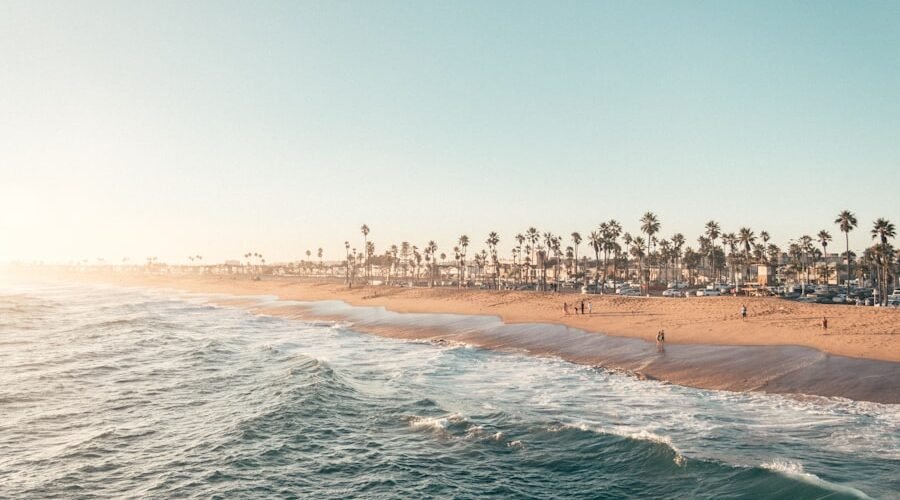
Patara has one of the longest beaches in Turkey, and it’s truly spectacular.
- Best for Swimming and Sunbathing: June, July, August, September, and even early October offer the warmest sea temperatures and most reliable sunshine for a full beach experience.
- Sunrise and Sunset Strolls: The beach is stunning at any time of year for a walk. However, the softer light of early mornings and late afternoons in the shoulder seasons (spring and autumn) can be particularly magical, without the harsh midday glare.
- Turtle Watching (Seasonal): Patara Beach is a vital nesting ground for loggerhead sea turtles. The hatching season is typically from late August to October. If this is a primary interest, those months are crucial, but remember to be respectful of the nesting areas and follow any guidelines.
Exploring the Ancient City: Avoiding the Heatstroke
The vast ruins of ancient Patara are a UNESCO World Heritage site and a must-see.
- Ideal for Exploration: Late April, May, September, and October are perfect. The temperatures are mild, allowing you to wander through the Lycian Parliament building, the theater, and the Roman Arch without excessive discomfort.
- Early Bird Catches the Ruins: Even in the shoulder seasons, visiting the ruins first thing in the morning (as soon as they open) is often a good strategy to beat any potential warmth and have more space to explore.
- Midday Challenge: Visiting between 11 am and 3 pm in the summer months (June-August) can be very demanding. If you must, carry ample water, wear a hat, and seek shade whenever possible.
Sunset Magic: The Golden Hour Experience
Patara is famous for its sunsets, especially viewed from the surrounding hills or the beach itself.
- Prime Viewing Time: Any clear evening offers a good sunset. However, the slightly softer light and pleasant temperatures of the shoulder seasons make it more enjoyable to linger and soak it all in.
- Summer Evenings: While the sunsets are glorious in summer, the intense heat might make you want to retreat indoors shortly after dusk.
- Winter Palettes: Even in winter, the dramatic coastal light can provide beautiful, if cooler, sunset displays.
Packing Considerations Based on the Season
| Month | Weather | Crowds | Costs |
|---|---|---|---|
| April | Mild temperatures, some rain | Low | Low |
| May | Warm and sunny | Low to moderate | Moderate |
| June | Hot and dry | Moderate to high | High |
| July | Hot and dry | High | High |
| August | Hot and dry | High | High |
| September | Warm and sunny | Moderate | Moderate |
| October | Mild temperatures, some rain | Low to moderate | Low |
What you pack will heavily depend on when you decide to visit Patara. Planning ahead ensures you’re comfortable and prepared for whatever the weather throws at you.
Summer Essentials: Beat the Heat
If you’re heading to Patara between June and August, your packing list will be dominated by heat-friendly items.
- Lightweight Clothing: Think cotton, linen, and other breathable fabrics. Loose-fitting dresses, shorts, t-shirts, and light trousers are your friends.
- Extensive Sun Protection: A wide-brimmed hat, high SPF sunscreen (reapply often!), sunglasses are non-negotiable. Consider a UV-protective rash guard for beach days.
- Swimwear: Obviously! Pack a couple of swimsuits as they take time to dry.
- Comfortable Footwear: Sandals or flip-flops are great for the beach, but bring comfortable walking shoes or sturdy sandals for exploring the ruins.
- Hydration Tools: A reusable water bottle is essential. You can refill it at many establishments.
- Light Scarf or Cover-up: Useful for sun protection, and perhaps a more modest option if you visit any local mosques.
Shoulder Season Staples: Versatility is Key
For the pleasant spring and autumn months, you’ll want layers and a few more options.
- Mix of Light and Medium Layers: Days can be warm enough for t-shirts, but evenings might require a light jacket, cardigan, or a long-sleeved shirt.
- Jeans or Trousers: Good for cooler evenings or days when you’re doing more exploring.
- Comfortable Walking Shoes: Even if you plan on beach time, you’ll want good shoes for navigating the ancient city.
- Swimwear: Still very much a possibility for the warmer parts of these seasons.
- Light Rain Jacket: Just in case of an unexpected shower, especially in late autumn.
- Sun Protection: Don’t be fooled by milder temperatures; the sun can still be strong.
Winter Wardrobe: Staying Warm and Dry
If you brave Patara in the winter, you’ll need to pack for cooler, wetter conditions.
- Warm Layers: Think sweaters, fleeces, and thermal base layers.
- Waterproof Outerwear: A good quality waterproof and windproof jacket is essential.
- Umbrella: A reliable umbrella will be your best friend during the rainier days.
- Closed-Toe Shoes: Waterproof or water-resistant boots or sturdy walking shoes are recommended.
- Thicker Trousers: Jeans or warmer fabrics will be more comfortable.
- Scarf, Hat, and Gloves: Especially for early mornings and evenings.
- Quick-Dry Towel: Useful for any unexpected splashes or if you’re staying in more basic accommodation.
By considering these factors, you can pinpoint the perfect time to visit Patara that aligns with your desired experience, budget, and comfort level. Happy travels!
FAQs
1. What is the best time to visit Patara, Antalya in terms of weather?
The best time to visit Patara, Antalya is during the spring (April to June) and autumn (September to November) when the weather is mild and pleasant, with average temperatures ranging from 20°C to 30°C.
2. When is the peak tourist season in Patara, Antalya?
The peak tourist season in Patara, Antalya is during the summer months of July and August, when the weather is hot and dry, and the beaches are crowded.
3. What is the off-peak season in Patara, Antalya?
The off-peak season in Patara, Antalya is during the winter months of December to February, when the weather is cooler and many tourist facilities may be closed.
4. How does the cost of visiting Patara, Antalya vary throughout the year?
The cost of visiting Patara, Antalya is generally higher during the peak tourist season in the summer, with accommodation and activity prices being more expensive. Off-peak seasons may offer lower prices for accommodations and activities.
5. Are there any specific events or festivals that are worth considering when planning a visit to Patara, Antalya?
The Patara Festival, held in June, is a cultural event that showcases traditional music, dance, and food. Additionally, the Lycian Way Ultramarathon, held in October, is a popular event for outdoor enthusiasts.