Thinking about a trip to Hierapolis, Denizli? The best time to visit is generally in the shoulder seasons—spring (April to May) and autumn (September to October). During these months, you’ll find the weather pleasant, fewer crowds compared to peak summer, and more reasonable prices for flights and accommodation. This sweet spot allows you to comfortable explore the ancient ruins and the stunning Pamukkale terraces without dealing with extreme heat or tourist hordes.
The weather in Hierapolis can really make or break your experience, especially with so much to explore outdoors. You’ll want to hit that sweet spot where it’s warm enough to enjoy being outside but not so hot that you feel like you’re melting.
1.1 Spring (April to May): Mild and Manageable
Spring is hands down one of the best times for weather. You’re looking at daily averages ranging from a comfortable 15°C (59°F) in April to a very pleasant 20-25°C (68-77°F) in May.
- Pros: The air is fresh, skies are often clear, and the surrounding countryside is beautifully green. Walking around the extensive Hierapolis ruins and up the Pamukkale terraces isn’t an endurance test. You’ll sweat less, hydrate less frequently, and just generally have a more enjoyable time. The mornings can be a little crisp, but by midday, it’s perfect exploration weather.
- Cons: While generally sunny, there’s always a slight chance of a spring shower, particularly in April. These are usually short-lived and can actually be quite refreshing, but it’s worth tossing a light waterproof jacket into your bag just in case.
1.2 Summer (June to August): Hot, Hot, Hot
Summer definitely brings the heat. Think daily averages consistently above 30°C (86°F), often creeping into the high 30s.
- Pros: If you thrive in intense heat, or if your primary goal is to fully experience the warm mineral waters of the Cleopatra Pool and the Pamukkale terraces themselves, then summer offers the warmest water temperatures. The long daylight hours also mean more time to explore, though you’ll want to start very early or finish very late.
- Cons: The heat can be brutal. Exploring ancient ruins with limited shade, like Hierapolis, becomes incredibly tiring and uncomfortable. Sunburn is a major risk, and you’ll need to constantly rehydrate. Midday can be almost unbearable for outdoor activities, forcing you into shade or air-conditioned spaces. Crowds are also at their peak during this time (more on that below).
1.3 Autumn (September to October): Still Warm, But Cooling
Autumn offers a beautiful transition from summer heat to cooler temperatures. September still feels very much like summer with averages around 25-30°C (77-86°F), while October cools down to a delightful 18-23°C (64-73°F).
- Pros: Early autumn, especially September, is wonderful if you missed spring. The extreme summer heat has usually broken, but it’s still consistently warm and sunny. October brings fantastic, moderate temperatures for extended exploration. The intensity of the crowds starts to taper off, and the light for photography can be stunning.
- Cons: Like spring, there’s a slightly increased chance of rain as autumn progresses, particularly towards late October. However, these are generally not significant enough to ruin a trip. The days also start to get noticeably shorter towards the end of October.
1.4 Winter (November to March): Chilly and Quiet
Winter is the off-season for a reason. Daily averages hover around 5-10°C (41-50°F), and it can dip below freezing at night.
- Pros: If you truly despise crowds and enjoy brisk, cool weather, winter might appeal. You’ll have the ancient sites almost entirely to yourself, offering a uniquely peaceful experience. Accommodation prices are at their lowest.
- Cons: It can be quite cold, and the travertine terraces of Pamukkale, while still beautiful, lose some of their stark white brilliance when the sky is grey. There’s also a higher chance of rain or even a light dusting of snow, which can make walking slippery. Some facilities might have reduced hours or be closed entirely. Frankly, it’s not ideal for exploring extensive outdoor archaeological sites.
2. Crowds: Sharing the Wonders (or Not)
Hierapolis and Pamukkale are major tourist draws in Turkey, so you’ll rarely have the place entirely to yourself. However, the density of visitors varies wildly throughout the year.
2.1 Peak Season (June to August): Battling the Masses
Summer is when everyone wants to visit, and it shows. Tour buses arrive in droves from the coastal resorts, filling the sites from morning till late afternoon.
- Impact: Expect queues for the Cleopatra Pool, crowded walkways on the travertine terraces, and packed restaurants in nearby Denizli. Finding a quiet spot for photos can be a challenge. The sheer number of people can detract from the serene, ancient atmosphere of Hierapolis.
- Tips: If you must visit in summer, go very early in the morning (right when the gates open) or late in the afternoon (a few hours before closing) to avoid the densest crowds. Consider visiting on a weekday rather than a weekend. Also, explore the less-frequented parts of Hierapolis, like the Northern Necropolis, which tends to be less packed than the theatre or the main street.
2.2 Shoulder Seasons (April-May & September-October): A Comfortable Balance
This is where you strike a good balance. You’ll still see plenty of people, but it’s nowhere near the summer frenzy.
- Impact: There’s a pleasant buzz without feeling overwhelming. You can usually find a spot in the Cleopatra Pool without a long wait. The terraces are busy but manageable, and you can explore Hierapolis at your own pace, often finding moments of solitude. Group tours are still present but fewer and generally smaller.
- Tips: Weekdays are still better than weekends, but the difference isn’t as stark as in summer. Arriving mid-morning (after the earliest tours have gone through, but before the main midday rush) can sometimes yield good results.
2.3 Off-Season (November to March): Solitude and Serenity
If your priority is avoiding people, winter is your season.
- Impact: Hierapolis can feel truly ancient and timeless with few other visitors. You might have sections of the site entirely to yourself. The tranquility can be quite profound, especially for those interested in photography or deep historical reflection.
- Considerations: While quiet, some facilities might be closed or have reduced hours. The overall atmosphere can be a bit starker under a grey winter sky, though for some, this adds to the gravitas of the ruins. The reduced number of tours might also mean fewer options for guided excursions if you prefer them.
3. Costs: Budgeting Your Trip

Prices for flights, accommodation, and even some local services fluctuate significantly with demand. Planning your visit outside of peak season can lead to some noticeable savings.
3.1 Peak Season (June to August): Highest Expenditures
Everything from airfare to hotel rates to car rentals sees a hefty price jump during the summer.
- Flights: International and domestic flights to Denizli (DNZ) or nearby Izmir (ADB) will be at their most expensive. Booking well in advance (3-6 months) is crucial to mitigate these costs, but even then, prices will be higher than other times of the year.
- Accommodation: Hotels in Pamukkale and Denizli will charge premium rates. Expect less availability too, so last-minute bookings can be very difficult and incredibly costly.
- Tours & Activities: While entrance fees to Hierapolis/Pamukkale are fixed, organized tours from coastal resorts or larger cities might have slightly higher prices due to increased demand and operational costs.
3.2 Shoulder Seasons (April-May & September-October): Best Value
This period usually offers the best balance between enjoyable travel conditions and reasonable pricing.
- Flights: You’ll find more competitive rates for flights compared to summer. While not rock-bottom, they’ll be significantly more affordable and you’ll have more options.
- Accommodation: Hotels still have a good level of occupancy, but prices will be more moderate than in summer. You’ll also have a wider selection of available rooms and a better chance of securing good deals, especially if you book a month or two in advance.
- Tours & Activities: Entrance fees remain constant. Local tour operators might offer slightly better deals or be more flexible with customized itineraries due to less intense demand.
3.3 Off-Season (November to March): Budget-Friendly Travel
If saving money is your top priority and you don’t mind the colder weather or fewer daylight hours, winter is the cheapest time to go.
- Flights: Expect the lowest airfares during these months, particularly if you’re flexible with your travel dates.
- Accommodation: Hotels in Pamukkale and Denizli often offer significant discounts to attract visitors during the slow season. You might be able to snag a really nice room for a fraction of the summer price, and availability won’t be an issue.
- Tours & Activities: While some facilities might have reduced hours, entrance fees remain the same. However, you might find fewer options for group tours, potentially meaning reliance on more expensive private tours, or simply exploring independently. Transport services might also be less frequent.
4. Specific Considerations for Your Visit

Beyond the general weather, crowds, and cost, a few other factors might influence your best time to visit.
4.1 Photography Opportunities
- Golden Hour: Regardless of the season, the “golden hour” (just after sunrise and just before sunset) offers the most stunning light for photography at both Hierapolis and Pamukkale. The low angle of the sun creates long shadows and bathes the ancient stones and white terraces in a warm, soft glow.
- Spring/Autumn Hues: In spring, the surrounding green landscape contrasts beautifully with the white terraces and ancient ruins. In autumn, the changing foliage in the distance can add an extra layer of visual interest.
- Winter Clarity: While often grey, winter days can sometimes yield incredibly crisp, clear air and sharp light, particularly after a rain shower, which can be great for detailed architectural shots. The absence of crowds is a huge bonus for photographers wanting unobstructed views.
- Summer Haze: The intense summer sun can lead to harsh light and sometimes a bit of atmospheric haze, which isn’t always ideal for photography. Early morning and late afternoon are absolutely essential during this season.
4.2 Special Events and Festivals
While Hierapolis itself doesn’t host many regular major festivals, the broader Denizli region might have local events, particularly during the warmer months.
- Local Cultural Events: Keep an eye out for local village festivals or harvest celebrations in spring or autumn. These are usually not organized for tourists, but stumbling upon one can offer an authentic cultural experience.
- No Major Annual Festivals: Don’t expect Hierapolis to host large-scale, regularly scheduled festivals that draw international crowds. Its primary draw is its historical and natural significance. Your visit will be focused on a timeless exploration rather than a specific event.
4.3 Accessibility and Transport
- Bus Services: Public bus services to Pamukkale from Denizli are generally reliable year-round, though frequency might be slightly reduced during the deep off-season.
- Taxis/Dolmuş: Taxis and dolmuş (shared minibuses) are readily available in Denizli and Pamukkale village. Their availability and potential for negotiation might be slightly better in the off-season when drivers are less busy.
- Car Rental: Renting a car gives you maximum flexibility. Roads are well-maintained year-round, but exercise caution in winter if there’s unexpected snow or ice (rare for Denizli but possible in surrounding mountainous areas).
5. Practical Tips for Any Season
| Month | Weather | Crowds | Costs |
|---|---|---|---|
| January | Cold, chance of snow | Low | Low |
| April | Mild, occasional rain | Medium | Medium |
| July | Hot, dry | High | High |
| October | Cool, chance of rain | Medium | Medium |
No matter when you decide to go, a few universal tips will enhance your trip to Hierapolis.
5.1 Footwear is Key
You’ll be doing a lot of walking, both on uneven ancient paths in Hierapolis and the sometimes-slippery travertines of Pamukkale (where you must go barefoot for preservation).
- Hierapolis: Comfortable, sturdy walking shoes with ankle support are highly recommended.
- Pamukkale: Be prepared to remove your shoes and walk barefoot on the terraces. The surface can be surprisingly rough in places, so take your time. There are designated walking areas.
5.2 Sun Protection is Always Important
Even on overcast days, the Turkish sun can be strong.
- Essentials: Hat, sunglasses, and high-SPF sunscreen are non-negotiable.
- Water: Carry plenty of water, especially in warmer months. Dehydration can creep up quickly.
5.3 Layering Your Clothes
Turkish weather, particularly in spring and autumn, can be unpredictable. Mornings can be cool, while afternoons get quite warm.
- Be Flexible: Layers allow you to adjust easily to changing temperatures throughout the day.
- Modesty: While Hierapolis is an archaeological site, respect local customs, especially if you plan to visit any active mosques in Denizli. For the most part, casual wear is acceptable at Hierapolis/Pamukkale.
5.4 Early Bird Catches the Worm (and Avoids the Crowds)
This is a golden rule for many popular tourist sites, and Hierapolis is no exception.
- Beat the Buses: Arriving right at opening time (typically 8:00 AM) or staying until closing (around 7:00 PM in summer, earlier in winter) will give you a significantly more peaceful and atmospheric experience.
- Better Photos: Fewer people in your shots, and often better light too.
5.5 Don’t Just See Pamukkale
Many visitors come to Pamukkale and only spend a short time or bypass Hierapolis entirely. This is a mistake.
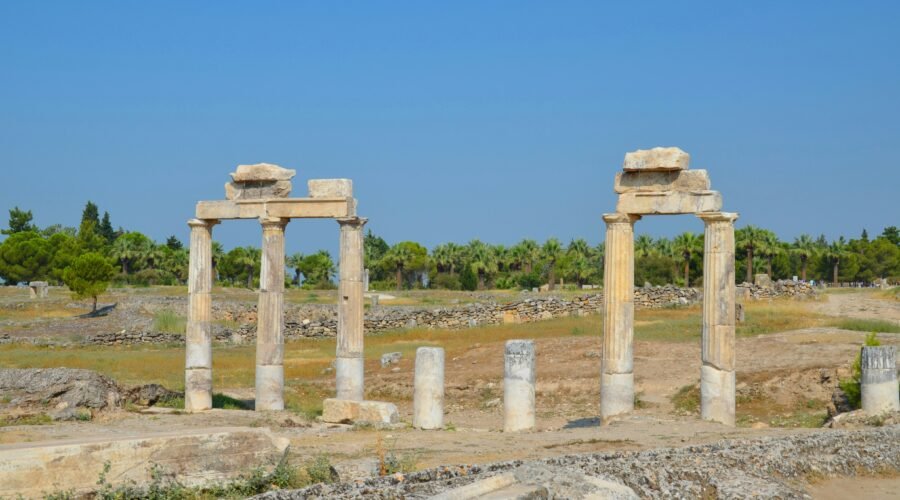
- Hierapolis is a Marvel: The ancient city is vast and incredibly well-preserved, with a stunning theatre, immense necropolis, Roman baths, and monumental gate. Give it proper time – at least 2-3 hours, ideally more.
- Combined Ticket: The entrance ticket covers both Pamukkale and Hierapolis, so make the most of it.
5.6 Embrace the Mineral Waters
The warm, mineral-rich waters are part of the experience.
- Cleopatra Pool: While optional and an extra cost, swimming in the warm waters among submerged Roman columns is a unique experience.
- Terraces: Walk in the designated channels where the spring water flows down the travertines. It’s relaxing and supposedly good for your skin!
By keeping these points in mind, and ideally aiming for those shoulder seasons, you’re set for an unforgettable visit to Hierapolis and Pamukkale.
FAQs
1. What is the best time to visit Hierapolis, Denizli in terms of weather?
The best time to visit Hierapolis, Denizli is during the spring (April to June) and fall (September to November) when the weather is mild and pleasant. Summers can be extremely hot, with temperatures reaching over 40°C, while winters can be cold and rainy.
2. When is the best time to visit Hierapolis, Denizli to avoid crowds?
To avoid crowds, it is best to visit Hierapolis, Denizli during the shoulder seasons of spring (April to June) and fall (September to November). These times offer fewer tourists compared to the peak summer months.
3. What is the peak tourist season in Hierapolis, Denizli?
The peak tourist season in Hierapolis, Denizli is during the summer months of July and August when the weather is hot and dry. This is when the site experiences the highest number of visitors.
4. When is the off-peak season in Hierapolis, Denizli?
The off-peak season in Hierapolis, Denizli is during the winter months of December to February when the weather is cold and rainy. This is when the site experiences the lowest number of visitors.
5. How does the cost of visiting Hierapolis, Denizli vary throughout the year?
The cost of visiting Hierapolis, Denizli can vary throughout the year. During the peak summer months, prices for accommodations and tours may be higher due to increased demand. In the off-peak winter months, prices may be lower as there are fewer tourists.