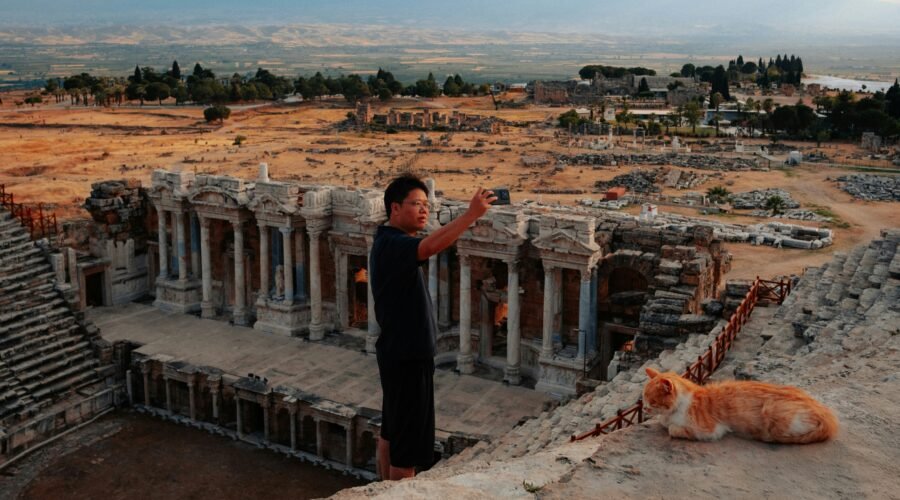
So, you’re thinking about heading to Denizli and wondering when’s the sweet spot to go? It really depends on what you’re after, but here’s the lowdown: if you want comfortable weather for exploring Pamukkale’s terraces and Hierapolis, aim for spring (April to May) or autumn (September to October). These shoulder seasons offer pleasant temperatures without the intense summer heat or chilly winter air, and they generally mean fewer crowds and potentially better prices.
Spring is often hailed as the prime time to visit Denizli, and for good reason. The region shrugs off its winter chill, and the landscape bursts into bloom. This translates to a really enjoyable experience for sightseers.
Pleasant Temperatures for Exploration
You’re looking at average daily temperatures hovering around 15-25°C (59-77°F). This is perfect for wandering through the ancient ruins of Hierapolis without overheating or feeling the need to rush back to shade. The famous travertines of Pamukkale are also at their most inviting when the air is mild. You can spend hours soaking in the thermal waters or marveling at the white formations.
Blooming Landscapes and Gorgeous Light
Beyond the historical sites, the surrounding countryside comes alive. Wildflowers carpet the hills, and the general scenery is just more vibrant. The light in spring is also particularly beautiful, offering soft, flattering illumination for photos, especially during the golden hours of sunrise and sunset at Pamukkale.
Moderate Crowds, But Be Prepared
While not as packed as the peak summer months, spring is still popular. You’ll encounter other travelers, but it’s generally manageable, especially if you visit on weekdays or get to popular spots early in the morning. Booking accommodations and tours in advance is still a sensible move.
Finding Good Value
Accommodation prices in spring are usually reasonable. While not the absolute lowest you’ll find (that would be winter), they offer a good balance of comfort and cost. Flights might also be more affordable than in high season.
Summer: The Heat is On (June-August)
Summer in Denizli is undeniably hot. If you’re someone who thrives in warm weather and doesn’t mind a bit of heat, it can still be a good time to visit, but it requires strategic planning.
Scorching Temperatures and the Need for Hydration
Expect daytime temperatures to regularly hit 30-40°C (86-104°F), sometimes even higher. This can make extended outdoor activities, particularly strenuous ones, quite challenging. Exploring Hierapolis during midday can feel relentless. Hydration becomes absolutely critical, and seeking out shade is a must.
Fewer Tourists in the Hottest Parts of the Day
While many tourists flock to coastal areas during summer, Denizli’s inland location means you might find slightly fewer crowds at the main attractions during the absolute hottest hours. However, the early morning and late afternoon/evening are still quite popular, and you’ll see plenty of people.
Peak Season Pricing
As expected, summer is peak tourist season. This means you’ll likely face the highest prices for flights and accommodations. If budget is a major concern, summer might not be your best bet.
Adapting Your Itinerary for the Heat
If you do choose to visit in summer, plan your days around the heat. Early mornings and late evenings are your best friends for exploring Pamukkale and Hierapolis. Consider indoor activities or relaxing by a pool during the hottest parts of the day. It’s also a good time to enjoy the thermal pools of Pamukkale when the air is warm.
Autumn: The Rewarding Return (September-October)

Similar to spring, autumn offers a fantastic experience in Denizli. The intense heat of summer begins to wane, and the scenery shifts to beautiful autumnal hues.
Comfortably Warm Weather
Temperatures in autumn are delightfully pleasant, often in the range of 20-28°C (68-82°F) in September, gradually cooling down into October. This makes it ideal for comfortable sightseeing. The air is crisp, and the sun is warm without being oppressive.
Beautiful Natural Scenery
The landscape takes on a different kind of beauty. The greens of summer start to give way to richer, warmer tones, especially in areas outside the immediate vicinity of Pamukkale. It’s a visually appealing time to be outdoors.
Manageable Crowds and Good Prices
Autumn is another shoulder season, meaning you’ll find fewer crowds than in summer. The throngs of peak season tourists have largely dispersed, making for a more relaxed experience. Accommodation prices also tend to be more reasonable, offering a good balance between pleasant weather and cost.
Enjoying the Night Air
As the evenings cool down, they become perfect for enjoying a meal outdoors or taking a leisurely stroll. The temperatures are ideal for experiencing the local ambiance without discomfort.
Winter: The Quiet and Cozy Option (November-March)

Winter in Denizli is cooler and can be damp, but it has its own unique charm for those seeking a quieter, more budget-friendly trip.
Chilly Temperatures and Occasional Rain
Expect temperatures to range from 5-15°C (41-59°F). You’ll likely need a warm jacket, and rain is a possibility. While not freezing, it’s definitely not beach weather.
Fewer Tourists, More Peaceful Exploration
This is when Denizli experiences its lowest tourist numbers. If you dream of having Pamukkale almost to yourself, winter is your chance. The ancient sites will feel much more serene, allowing for a deeper sense of history and reflection.
Reduced Costs
| Month | Weather | Crowds | Costs |
|---|---|---|---|
| April – May | Mild temperatures, little rainfall | Medium | Moderate |
| June – August | Hot and dry | High | High |
| September – October | Mild temperatures, little rainfall | Medium | Moderate |
This is the most budget-friendly time to visit. Flights and accommodations are at their lowest prices. If you’re not deterred by cooler weather and don’t mind packing layers, you can find some excellent deals.
The Thermal Pools Shine
Ironically, the cooler weather of winter makes the thermal pools and natural hot springs of Pamukkale even more appealing. Soaking in warm, mineral-rich waters while the air is cool can be incredibly therapeutic and enjoyable.
Special Considerations: Events and Local Life
Beyond just the weather and crowds, think about what might be happening locally during your visit.
Religious Holidays and Festivals
Turkey has two major religious holidays, Eid al-Fitr and Eid al-Adha, which are celebrated with significant fervor. During these times, many businesses might close, transportation can be busier, and prices might see a slight increase due to local travel. It’s worth checking the dates for these holidays – while they offer a unique cultural insight, they might also present logistical challenges for independent travelers.
Local Markets and Seasonal Produce
Depending on the season, you might encounter different local markets and seasonal produce. Spring and autumn often bring a bounty of fresh fruits and vegetables. Engaging with these local aspects can enrich your travel experience.
Outdoor Activities Beyond Pamukkale
While Pamukkale is the main draw, Denizli and its surroundings offer other activities. Hiking in the nearby mountains or exploring other historical sites can be weather-dependent. Spring and autumn are generally best for these more active pursuits.
Planning for Flexibility
Regardless of when you choose to visit, having a bit of flexibility in your plans is always a good idea. Weather can be unpredictable, and local events can pop up. Being open to minor adjustments will help ensure a smoother and more enjoyable trip to Denizli.
FAQs
1. What is the best time to visit Denizli in terms of weather?
The best time to visit Denizli in terms of weather is during the spring (April to June) and fall (September to November) when the temperatures are mild and the weather is generally pleasant.
2. When is the peak tourist season in Denizli?
The peak tourist season in Denizli is during the summer months (July and August) when the weather is hot and dry. This is also when the crowds are at their highest and prices for accommodations and attractions are at their peak.
3. When is the off-peak season in Denizli?
The off-peak season in Denizli is during the winter months (December to February) when the weather is cold and rainy. This is when the crowds are at their lowest and prices for accommodations and attractions are at their lowest.
4. What are the average costs of visiting Denizli during the peak tourist season?
During the peak tourist season, the costs of visiting Denizli, including accommodations, attractions, and dining, are generally higher compared to the off-peak season. It is advisable to book accommodations and activities in advance to secure better prices.
5. What are the average costs of visiting Denizli during the off-peak season?
During the off-peak season, the costs of visiting Denizli, including accommodations, attractions, and dining, are generally lower compared to the peak tourist season. It is also a good time to find deals and discounts on accommodations and activities.