

Bingöl’s mountains, green plateaus, floating islands, and snowy slopes offer very different experiences throughout the year. The best time to visit Bingöl depends on whether you want comfortable sightseeing weather, dry days for mountain adventures, or winter sports. This guide compares monthly temperatures, rainfall, crowds, costs, and seasonal attractions to help you choose the right travel dates.
Quick Answer
The best time to visit Bingöl is late May through June or September for comfortable sightseeing and outdoor activities. July and August have the driest weather but can be very hot. Visit from December through March if you want snow-covered scenery or skiing at Hesarek, provided the ski facilities are operating.
Last checked: October 28, 2026. Dates and figures were verified against official sources.
Key Takeaways
- Spring brings green valleys and wildflowers, although rain and melting snow can affect mountain access.
- July and August are extremely dry, with average daytime highs around 35°C.
- September combines warm days with relatively little rainfall, making it excellent for hiking and photography.
- Winter offers skiing and snowy scenery, but mountain roads and outdoor attractions may become difficult to reach.
- School holidays, public holidays, and local events can increase visitor demand even outside the main summer period.
Best Time to Visit Bingöl: Month-by-Month Weather Guide
Bingöl has a continental climate, with hot, dry summers and cold, snowy winters. Its mountain terrain also means temperatures can change considerably between the city and higher elevations.
The following monthly temperatures and rainfall figures come from the Turkish State Meteorological Service’s official Bingöl climate statistics. The published observations cover 1961–2025.
The temperature column shows monthly mean temperatures, not daily highs. Visitor demand is a general seasonal guide rather than a measured tourism count.
| Month | Weather | Crowds | Costs |
|---|---|---|---|
| January | -2.1°C mean; 136.5 mm rain/snow equivalent | Generally low; ski areas may be busy | Variable; ski weekends may cost more |
| February | -1.0°C mean; 127.4 mm | Generally low; ski areas may be busy | Variable |
| March | 4.3°C mean; 134.4 mm | Usually low | Often competitive outside holidays |
| April | 10.9°C mean; 115.7 mm | Usually low | Often moderate |
| May | 16.2°C mean; 77.9 mm | Moderate | Often moderate |
| June | 22.1°C mean; 20.1 mm | Moderate to busy | Demand may increase |
| July | 26.7°C mean; 7.0 mm | Usually busier | Potentially higher |
| August | 26.6°C mean; 4.3 mm | Usually busier | Potentially higher |
| September | 21.3°C mean; 12.6 mm | Moderate | Often moderate |
| October | 14.3°C mean; 64.1 mm | Usually quieter | Often competitive |
| November | 6.9°C mean; 107.3 mm | Usually low | Often competitive |
| December | 0.8°C mean; 133.9 mm | Usually low outside winter attractions | Variable |
Important: These are long-term climate averages, not forecasts. The rainfall figures are monthly precipitation totals, including the water equivalent of snowfall. Prices and crowd levels can change during holidays and local events.
What Is Bingöl Like in Each Season?
Each season changes the activities you can enjoy in Bingöl. Spring and early autumn suit relaxed sightseeing, summer offers dry mountain weather, and winter brings snow sports.
Spring (March to May): Green Landscapes and Wildflowers
Spring is one of Bingöl’s most attractive seasons for nature photography. Snow begins melting, streams fill, and green vegetation returns to the valleys and lower plateaus.
March remains chilly, with an average temperature of 4.3°C. By May, the average rises to 16.2°C, while typical daytime highs reach 22.9°C.
However, spring is relatively wet. April averages 115.7 mm of precipitation, and May receives 77.9 mm. Higher mountain areas can remain snowy even when the city feels mild.
Best spring activities:
- Photograph wildflowers and green valleys in April and May.
- Enjoy lower-elevation nature walks when trails are clear.
- Watch for migrating birds near suitable wetlands and mountain habitats.
- Explore rural landscapes and traditional villages.
Spring is especially appealing if you enjoy plants, birds, and quiet scenery. Bring a waterproof jacket and shoes suitable for muddy paths.
Summer (June to August): Dry Weather and Mountain Adventures
Summer provides the most reliable dry weather for outdoor travel. It is a popular period for plateau visits, family outings, and exploring remote mountain scenery.
June offers a useful transition into summer. Its average daytime high is 29.5°C, while monthly precipitation drops to 20.1 mm.
July and August are considerably hotter. Average daytime highs reach 34.6°C and 34.8°C, respectively. Rainfall averages just 7.0 mm in July and 4.3 mm in August.
Long daylight hours allow more sightseeing, but midday heat can make exposed trails uncomfortable. Higher plateaus may feel cooler than Bingöl city.
Best summer activities:
- Visit high-altitude yaylas, or traditional mountain pastures.
- Explore scenic valleys and countryside roads.
- Visit the Floating Islands near Solhan.
- Attend local summer gatherings and cultural celebrations when scheduled.
- Take photographs during the cooler morning and evening hours.
Warning: Do not treat July and August as mild hiking months. Exposed trails can become extremely hot. Carry sufficient water, use sun protection, and avoid strenuous walks during the hottest part of the day.
If you prefer warm weather without the strongest summer heat, June is usually a better choice than July or August.
Autumn (September to November): Clear Days and Changing Colors
Early autumn is excellent for exploring Bingöl without the strongest summer heat. September remains warm and relatively dry, while October and November become progressively cooler and wetter.
September has an average temperature of 21.3°C and only 12.6 mm of monthly precipitation. Average daytime highs remain near 30°C, so early autumn can still feel like summer.
By October, the average temperature falls to 14.3°C. November is much colder, averaging 6.9°C, with precipitation rising to 107.3 mm.
In forested areas, deciduous trees begin changing color. September and October can provide attractive scenery for photography and nature walks.
Best autumn activities:
- Enjoy September hiking before colder weather arrives.
- Photograph autumn foliage in wooded valleys.
- Explore scenic countryside routes with fewer summer visitors.
- Observe seasonal bird migration where suitable habitats are accessible.
September is the stronger choice for dry outdoor activities. October is better suited to travelers who prefer cooler air and autumn scenery.
Winter (December to February): Snow and Skiing
Winter brings freezing nights, heavy precipitation, and frequent snow to Bingöl. It is best suited to visitors who enjoy cold-weather landscapes and winter activities.
January averages -2.1°C, with an average overnight low of -5.7°C. February is similarly cold, averaging -1.0°C.
Snow can cover surrounding mountains and create impressive photography conditions. However, severe weather may affect roads, transport, and access to remote attractions.
Unlike many summer-focused destinations, Bingöl also has a developed winter sports attraction. Hesarek Ski Center offers pistes and lift facilities when weather and operating conditions permit.
Best winter activities:
- Ski or enjoy snowy mountain scenery at Hesarek.
- Photograph snow-covered landscapes.
- Spend time in local cafés and restaurants.
- Explore accessible parts of Bingöl city between periods of severe weather.
Winter is less suitable for casual countryside hiking. Mountain trails may require specialist equipment and experienced guidance.
When Is Bingöl Most Crowded?
Bingöl generally receives more leisure visitors during warm-weather months and holiday periods. However, its visitor patterns differ from those of major Turkish coastal resorts, and precise monthly tourism counts are not available here.
Peak Period: July and August
July and August are likely to be among the busier months for summer outings, family travel, and mountain activities. Popular scenic attractions can receive more visitors on weekends.
Summer is also when traditional yayla gatherings and community events may take place. These can feature regional music, dancing, and local food.
The Turkish Ministry of National Education’s 2026–2027 calendar confirms that the school year ends on June 25, 2027. The following summer break may encourage additional family travel.
Public holidays can also influence visitor demand. In 2027, July 15 falls on a Thursday and August 30 falls on a Monday.
Shoulder Periods: May, June, September, and October
These months offer a useful balance between sightseeing conditions and a potentially quieter atmosphere. May and June are attractive for green landscapes, while September is particularly good for dry-weather activities.
October is cooler, with a greater chance of rain. However, it can appeal to travelers who enjoy quiet walks and autumn photography.
Holiday dates can temporarily change demand. The 2027 Turkish public holiday calendar lists Eid al-Adha from May 16–19, alongside other national holidays. Such periods can bring more domestic travelers.
Quieter Period: November to April
Many general sightseeing attractions are likely to feel quieter during the colder months. Some seasonal businesses may reduce their hours or close temporarily.
However, skiing creates an important exception. Hesarek may attract visitors during snowy weekends and school breaks.
The 2026–2027 winter school holiday runs from January 25 to February 5, 2027. Ski facilities may be busier during that period if conditions allow them to operate.
If avoiding crowds is your main priority, ordinary weekdays outside public holidays are often more suitable than weekends.
How Much Does It Cost to Visit Bingöl in Different Seasons?
Travel costs depend on accommodation demand, flight availability, transport choices, and your planned activities. Seasonal differences may exist, but there is no verified monthly price index showing that one particular month is always cheapest.
Accommodation Prices
July and August may bring stronger demand for family trips and summer visits. Popular accommodation options can become less flexible around weekends and holidays.
May, June, September, and October may offer a wider choice of dates with less competition for rooms.
Winter rates require a different approach. Ordinary city accommodation may offer good value, but properties near skiing activities can experience stronger demand during busy winter periods.
For a fair comparison, look at the total accommodation price for identical dates, room types, and cancellation terms.
Flights and Local Transport
Bingöl has its own airport, with the IATA code BGG. You do not necessarily need to fly to a larger neighboring city before continuing by road.
According to the airport operator’s official Bingöl Airport transport information, the airport is approximately 10 km from the city center. Airport passenger services and private transport provide connections.
Flight prices vary by route, booking date, and demand. Holidays may produce higher fares even during months that are normally considered quieter.
If you plan to rent a car, include fuel, parking, and any extra costs associated with mountain travel. During winter, suitable tires and safe road conditions matter more than finding the lowest rental price.
Tours, Activities, and Budget-Friendly Options
Guided tours, private transfers, ski services, and equipment rental can add to your budget. Their prices and availability depend on the operator and season.
For low-cost sightseeing, focus on public viewpoints, countryside scenery, ordinary town walks, and local markets where access does not require a paid tour.
Protected natural attractions may have separate entrance, parking, or facility charges. Do not assume every site is free simply because it is outdoors.
In quieter periods, independent accommodation providers or private transport operators may sometimes offer better terms. Any discount depends on the business rather than the season alone.
Special Considerations: Festivals, Nature, and Seasonal Attractions
Weather is only one part of planning a Bingöl trip. Local events, flowering periods, mountain conditions, and seasonal wildlife can make certain dates more rewarding.
Spring: Wildflowers and Fresh Mountain Scenery
April and May are especially appealing for green landscapes and spring photography. Melting snow feeds streams, while wildflowers begin appearing across suitable meadows and valleys.
The best flowering period varies with altitude and yearly temperatures. Lower valleys may become green before high mountain pastures are clear of snow.
Spring is also a useful time for birdwatching. Wetlands, open countryside, and mountainous habitats may attract different species during seasonal migration.
Summer: Yayla Culture and Community Festivals
Summer is an important season for Bingöl’s mountain pastures. Traditionally, yaylas provide grazing areas for livestock during warmer months.
Visiting these landscapes can offer a look at rural life, farming traditions, and regional food culture.
Local summer festivities may include traditional music, dancing, and community meals. Events associated with areas such as Yayladere, Solhan, Karlıova, and Kiğı have appeared on regional travel calendars, although their schedules are not guaranteed to repeat annually.
Seasonal markets may also offer local produce, honey, and handmade goods. Availability depends on the community and time of year.
Autumn: Forest Colors and Cultural Events
September and October are good months for photographers interested in changing landscapes. Forested valleys can display shades of yellow, orange, and red as deciduous trees change color.
Bingöl also hosts cultural activities outside the summer season. For example, the Bingöl Municipality’s October 2026 theater program announced two free performances on October 17 and 18.
This shows that autumn travel can include cultural events as well as nature activities. Individual programs and admission arrangements change from year to year.
Winter: Snow Activities and Mountain Landscapes
Winter transforms Bingöl’s highlands into snowy landscapes. Skiing becomes the main organized outdoor attraction when sufficient snow and operational facilities are available.
The city’s traditional cafés and local restaurants provide a warmer alternative during periods of severe weather.
Winter photography can be rewarding, but snow depth, daylight, and road access will determine which locations you can reach safely.
Best Outdoor Activities in Bingöl and When to Enjoy Them
The best month also depends on the places you want to explore. Some attractions are easiest to reach during dry weather, while others are especially appealing in winter.
Hiking and Trekking: Late Spring to Early Autumn
May, June, and September offer useful conditions for many countryside walks. However, the suitability of a route depends on its elevation, slope, and exposure to the sun.
July and August are drier, but exposed trails can become very hot. Early starts and higher-altitude routes are often more comfortable than midday walks in low valleys.
Areas around Kiğı include rugged mountain and valley scenery. Remote canyon routes require particular care, and any proposed trail should have a confirmed access route before you begin.
Pro Tip: Choose your hiking route by elevation as well as month. A pleasant day in Bingöl city does not guarantee that a high plateau or remote mountain track will have the same temperature or accessibility.
Exploring Plateaus (Yaylas): June to September
Summer is the main season for exploring Bingöl’s mountain pastures. Green landscapes, open views, and traditional grazing activities make these areas attractive for photography.
June and September are often better for visitors who prefer less intense heat. July and August offer particularly dry weather, although conditions can still change quickly in the mountains.
Some high-altitude roads may remain affected by snow in late spring. Remote areas can also have limited mobile coverage and few visitor services.
Visiting the Floating Islands: Late Spring to Early Autumn
The Floating Islands, known locally as Yüzen Adalar, are among Bingöl’s best-known natural attractions. They are located in the Solhan district, near Hazarşah village.
The Turkish Ministry of Culture and Tourism’s Floating Islands guide describes three naturally formed islands that move independently on Turna Lake.
The protected site includes viewing and recreational facilities. You can enjoy the surrounding scenery, take photographs, and observe the unusual floating formations.
Late spring and summer are attractive for green vegetation, while September can offer clearer, drier travel conditions.
When visiting, remain within permitted visitor areas and avoid disturbing the islands or their vegetation.
Cave Exploration: Spring Through Autumn
Bingöl has several historic cave and rock-shelter sites. Access conditions vary, especially where paths cross steep or rocky terrain.
The provincial tourism directorate’s official cave directory identifies Zağ Cave, Kiğı Çiçektepe Village Cave, Kalkanlı Village Caves, and Kübik Cave.
Zağ Cave is particularly notable for its rock-cut rooms and multi-level layout near the Murat River. It is an alternative for travelers interested in local history as well as natural scenery.
Some travel descriptions also mention Bingöl Ice Caves, but a recognized visitor attraction under that exact name could not be confirmed in the official directory. Claims of easy year-round access should not be relied upon without local confirmation.
For most general visitors, dry-weather months offer more practical conditions for reaching rural cave sites. Steep approaches may still require experienced local guidance.
Skiing at Hesarek: Winter
Hesarek Ski Center is one of Bingöl’s main winter attractions. It is located near Dikme village, approximately 34 km from Bingöl city center.
The official Hesarek Ski Center information describes beginner-friendly slopes, steeper skiing terrain, and lift facilities.
The tourism authority identifies December through March as the usual skiing period. However, the actual opening and closing dates depend on snow conditions, safety checks, and operational decisions.
The center also has accommodation facilities, making it possible to plan either a day trip or an overnight winter visit when services are available.
Note: Ski season dates are not fixed guarantees. Confirm that Hesarek’s lifts, access road, and accommodation facilities are operating for your intended visit, especially after heavy snowfall.
Which Months Should You Choose for Your Bingöl Trip?
Your ideal travel dates depend on your preferred activities and tolerance for heat, cold, and rain. The following recommendations bring the seasonal trade-offs together.
For Comfortable Weather and Sightseeing
Choose late May, June, or September. These months offer a useful balance of manageable temperatures and outdoor opportunities.
September is especially appealing if you want relatively dry weather without the strongest summer heat.
For Dry Mountain Adventures
Choose July or August if dry conditions are your main priority. These are the driest months according to long-term climate records.
Focus on early starts, shaded places, and suitable high-altitude destinations to reduce heat exposure.
For Photography and Natural Scenery
Choose April or May for green valleys and spring flowers. September and October are better for autumn colors and changing landscapes.
Your choice should depend on whether you prefer spring growth or fall foliage.
For Winter Sports
Choose January or February for a snow-focused trip, while recognizing that skiing depends on conditions and facility operations.
These months are normally cold enough for winter scenery, but transport disruptions are possible.
For Budget Travel and Fewer Visitors
Consider weekdays in April, October, or November if your main goal is a quieter trip with potentially competitive accommodation rates.
Winter can also provide good-value city stays, but ski weekends may be more expensive. Compare actual offers rather than assuming the lowest prices occur in a particular month.
For most first-time visitors, late May through June or September offers the strongest overall balance. Start with the activities you want to enjoy, then select dates that match their seasonal conditions.
Frequently Asked Questions
What is the best time to visit Bingöl in terms of weather?
Late May, June, and September offer some of the best weather for general sightseeing in Bingöl. June averages 22.1°C, while September averages 21.3°C. July and August are drier but much hotter, with average daytime highs around 35°C.
When is the peak tourist season in Bingöl?
July and August are generally among the busier periods for warm-weather leisure travel in Bingöl. Summer school holidays, family outings, and local events can increase visitor demand. However, official monthly visitor figures are not available here to establish an exact peak.
When is the off-peak tourist season in Bingöl?
November through April is generally quieter for ordinary sightseeing. Cold weather, snowfall, and limited access to remote areas can reduce outdoor travel. However, winter ski weekends and school holidays may attract additional visitors to Hesarek and nearby accommodation.
What are the crowds like in Bingöl during summer?
Bingöl can become busier at popular attractions during summer weekends and holidays. The Floating Islands, mountain recreation areas, and local festivals may attract families and groups. You can usually enjoy a quieter visit by choosing weekdays and avoiding major holiday periods.
How do travel costs vary throughout the year in Bingöl?
Travel costs in Bingöl depend on demand, booking dates, accommodation choices, and activities. Summer holidays may increase prices, while quieter weekdays can provide better value. Winter is not automatically cheapest because ski trips can create additional demand and expenses.
Does it snow in Bingöl, and when can you go skiing?
Yes, Bingöl experiences cold, snowy winters. December through March is the usual skiing period at Hesarek Ski Center, although actual operating dates vary. January and February are particularly cold, making them suitable months for snow-focused trips when roads and facilities are accessible.
Sources
- Turkish State Meteorological Service: Bingöl’s official monthly temperatures, precipitation, and long-term climate statistics.
- Turkish Ministry of National Education: School holiday dates for the 2026–2027 academic year.
- Turkish Airlines Public Holiday Calendar: Türkiye’s 2027 public holidays and travel planning dates.
- State Airports Authority (DHMİ): Bingöl Airport’s distance from the city and available ground transport.
- Türkiye Culture Portal: Floating Islands: Location, natural features, and visitor facilities.
- Bingöl Provincial Directorate of Culture and Tourism: Official descriptions of regional caves.
- Türkiye Culture Portal: Hesarek Ski Center: Ski facilities, location, and usual winter season.
- Bingöl Municipality: October 2026 cultural events and free theater performances.
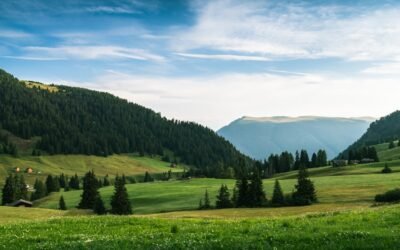

[…] Bingöl, Bingöl […]
[…] provincial geography page places Kiğı in northern Bingöl and describes rugged terrain, oak-covered areas and the Peri river landscape. Use that background […]