

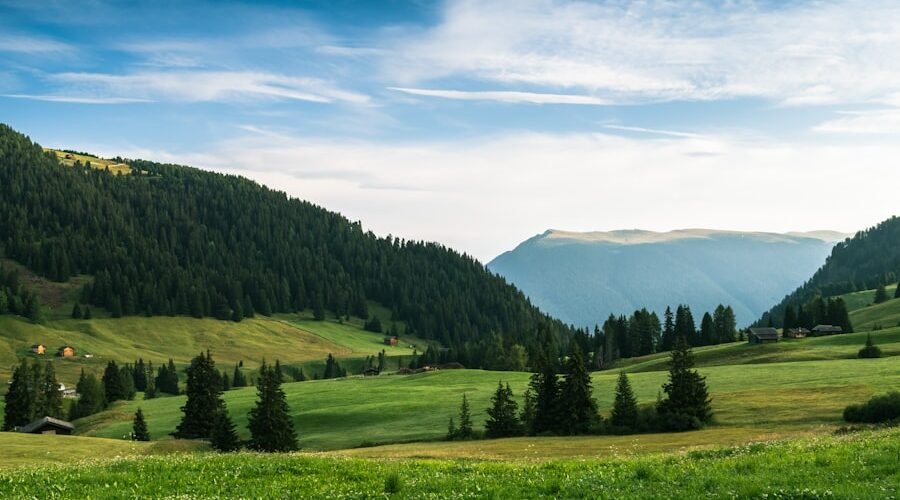
Planning a trip to Grand Falls-Windsor, Newfoundland and Labrador? The timing of your visit can make a big difference to your experience. Summer offers warmer weather and more seasonal activities, while late June and September can provide a pleasant balance of outdoor opportunities and a quieter atmosphere. Whether you’re interested in the Exploits River, local festivals, fall scenery, or winter sports, here’s how to choose the right time for your trip.
Quick Answer
The best time to visit Grand Falls-Windsor is generally late June through early September. July and August offer the warmest weather and a wider choice of seasonal activities. Late June and early September are worth considering if you prefer a quieter visit. For fall colours, look toward late September and early October, while winter sports enthusiasts can consider January through March.
Key Takeaways
- Warmest weather: July and August generally offer the highest average daytime temperatures.
- Quieter travel: Late June and early September may offer fewer visitors than the busiest summer dates.
- Summer attractions: The Salmonid Interpretation Centre publishes a seasonal operating window, so check its dates before visiting.
- Festival travel: Grand Falls-Windsor’s Salmon Festival is an important summer event. Confirm the current schedule before making reservations.
- Budget planning: Compare actual accommodation, flight, and rental-car prices rather than assuming a particular month will always be cheaper.
- Winter visits: Snow sports are possible, but cold weather, reduced daylight, and road conditions require additional preparation.
1. Grand Falls-Windsor Weather: What to Expect Each Season
Grand Falls-Windsor sits inland in central Newfoundland, so its weather differs somewhat from exposed coastal destinations. Summers can be pleasantly warm, while winters bring freezing temperatures and substantial snowfall.
Weather can change quickly in Newfoundland. Even during summer, you should be prepared for rain, cool evenings, and occasional windy conditions.
Historical climate records are useful for planning, but they cannot predict the weather on your travel dates. Environment and Climate Change Canada’s Grand Falls climate normals provide a useful local reference for average conditions.
1.1 Summer (June to August): The Warmest Visiting Season
Summer is the main season for visitors who want to enjoy the area’s rivers, walking trails, and seasonal attractions.
The historical Grand Falls climate record reports average daily highs of approximately 18.6°C (65°F) in June, 22.7°C (73°F) in July, and 22.3°C (72°F) in August. Individual days can be warmer or cooler.
- Temperatures: July and August are generally the warmest months. Evenings are cooler, so bring an extra layer.
- Daylight: Long summer days provide more time for sightseeing and outdoor activities.
- Rainfall: Summer is not reliably dry. Historical records show substantial rainfall during June, July, and August, including approximately 107 mm of precipitation in August.
- Humidity: Some days may feel humid, particularly during warmer or unsettled weather.
- Wind: Grand Falls-Windsor is less exposed than some coastal locations, but wind can still make outdoor conditions feel cooler.
Note: The temperature figures above are historical averages from Environment and Climate Change Canada’s 1981–2010 Grand Falls station dataset, not a forecast for an upcoming trip.
What to pack: Comfortable walking shoes, lightweight clothing, a sweater or fleece, sunscreen, insect repellent, and a waterproof jacket.
1.2 Autumn (September to October): Crisp Air and Fall Colours
Autumn is a lovely option if you enjoy cooler weather, scenic drives, and changing leaves. It can also be quieter than the busiest part of summer.
- Temperatures: Historical average daily highs are approximately 17.4°C (63°F) in September and 10.7°C (51°F) in October.
- Foliage: Surrounding forests can display attractive yellow, orange, and red colours as the season progresses.
- Rainfall: Wet weather remains possible. Bring waterproof footwear and an outer layer.
- Wind: Cool, windy days become more common as autumn advances.
- Activities: Walking, photography, and scenic drives remain appealing when conditions allow.
- Seasonal closures: Some attractions reduce their hours or close as summer ends.
Late September and early October are particularly worth considering for fall photography, although the exact timing and intensity of autumn colours vary with the weather.
What to pack: Layers, a warm jacket, waterproof shoes, and a hat for colder mornings.
1.3 Winter (November to April): Snowy Landscapes and Winter Sports
Winter brings a completely different experience. Grand Falls-Windsor can be attractive to visitors interested in snowmobiling, snowshoeing, cross-country skiing, and quiet winter scenery.
Historical climate records show average daytime highs of approximately -2.6°C (27°F) in January and February. Overnight temperatures are commonly much colder, and individual cold spells can be severe.
- Snowfall: Snow can accumulate significantly during winter.
- Winter activities: Snowmobiling, snowshoeing, and cross-country skiing are possible when local snow and trail conditions are suitable.
- Ice: Roads, parking areas, sidewalks, and trails may be slippery.
- Daylight: Short winter days leave less time for outdoor sightseeing.
- Services: Some seasonal attractions and visitor services may be unavailable.
- Travel conditions: Snow, freezing rain, and poor visibility can disrupt driving plans.
Winter Travel Warning: Check 511 Newfoundland and Labrador before driving. It provides road-condition information, closures, incidents, and highway camera updates. Allow extra travel time and avoid driving when conditions are unsafe.
What to pack: An insulated winter jacket, thermal layers, waterproof winter boots with good traction, gloves, and a warm hat.
1.4 Spring (May to Early June): The Thaw and New Beginnings
Spring is a transition period. Temperatures rise, snow melts, and the landscape gradually becomes greener, but conditions can remain unpredictable.
- Temperatures: Historical average daytime highs are approximately 13.5°C (56°F) in May and 18.6°C (65°F) in June.
- Snowmelt: Trails can be muddy, wet, or affected by lingering ice.
- Water levels: Snowmelt and rainfall can increase river flow, making waterways and waterfall viewpoints especially important places to observe safety precautions.
- Rain: Waterproof clothing is useful throughout the season.
- Insects: Black flies and mosquitoes can become troublesome as temperatures rise.
- Greenery: Trees and other vegetation gradually return to their summer appearance.
Spring can be rewarding for photography and quiet outdoor exploration, but visitors should choose trails based on actual ground conditions rather than the calendar alone.
Outdoor Safety: Stay behind barriers at waterfalls and river viewpoints. Wet rocks, fast-moving water, mud, and lingering ice can make seemingly easy routes hazardous. Never enter closed or restricted areas.
2. Crowds: When Grand Falls-Windsor Gets Busy
Grand Falls-Windsor is not usually associated with the same level of tourism as Newfoundland’s major destination centres. However, visitor numbers can increase during school holidays, community events, and the summer travel season.
2.1 Peak Season (July to August): More Visitors and Activities
July and August attract summer travellers, families, and people attending local events.
- Local events: Festivals and community activities can increase demand for accommodation and services.
- Family travel: School holidays make summer a convenient time for family trips.
- Accommodation: Popular hotels, B&Bs, and other lodging options may have less availability on busy dates.
- Attractions: Popular seasonal destinations, including the Salmonid Interpretation Centre, may receive more visitors.
- Restaurants: Weekend dining can be busier, especially around major events.
- Wildlife viewing: Sightings are never guaranteed. Keep a safe distance from animals and avoid disturbing them.
If you’re travelling in July or August, consider reserving accommodation and rental transportation early, particularly when your dates overlap with a major event.
2.2 Shoulder Seasons (Late June and September): A Happy Medium
Late June and September can offer an appealing balance between comfortable travel conditions and a quieter atmosphere.
- Late June: Warmer weather is developing, and summer activities are beginning to operate.
- September: The end of school holidays may reduce family-travel demand.
- Accommodation: Availability may improve outside busy summer weekends, although prices vary.
- Walking trails: Some natural areas may feel quieter than during peak summer.
- Local experiences: Smaller visitor numbers may make it easier to enjoy a more relaxed trip.
September visitors should pay particular attention to attraction closing dates. A quieter destination is less useful if the activity you travelled to see has already closed.
2.3 Off-Peak (October to May): Solitude and Winter Charm
October through May is generally a quieter period for conventional summer sightseeing.
- Fewer leisure visitors: Many summer-focused activities have finished for the season.
- Winter recreation: Snow sports can attract visitors when conditions are suitable.
- Accommodation: Availability may be better on some dates, but this is not guaranteed.
- Limited services: Some visitor attractions, tour operators, and seasonal businesses may close or reduce their hours.
- Events: Community activities and winter events can still create short periods of higher demand.
Before booking an off-season trip, check the specific businesses and activities you intend to use.
3. Costs: How to Plan a Better-Value Visit
Accommodation, transportation, and activity costs can vary throughout the year. However, the cheapest month is not necessarily the same for every visitor.
Travel dates, booking lead time, available transport, special events, and cancellation policies all affect the final cost.
3.1 Peak Season (July to August): Plan Around Demand
Summer is a popular travel period, so booking early can help preserve your choice of accommodation and transportation.
- Accommodation: Compare hotels, B&Bs, and rental cottages for your exact dates.
- Flights: Visitors may consider Gander International Airport or Deer Lake Regional Airport, depending on flight availability and their wider itinerary.
- Car rentals: Check vehicle availability early, especially if you need a particular size or type.
- Activities: Review admission charges and reservation requirements before arriving.
- Food and drink: Check menus and opening hours rather than assuming seasonal discounts will be available.
Festival dates deserve extra attention because event-related demand may affect local accommodation availability.
3.2 Shoulder Seasons (Late June and September): Compare Flexible Dates
These periods are worth checking if you want pleasant weather while keeping your travel budget under control.
- Accommodation: Compare weekday and weekend prices rather than relying on seasonal averages.
- Flights: Search several departure and return dates if your schedule allows.
- Rental cars: Compare the total rental cost, including taxes, insurance options, and additional-driver charges where applicable.
- Package deals: Compare bundled offers against the cost of booking each component separately.
Pro Tip: Compare the total price of your trip, not just the nightly hotel rate. A cheaper room can lose its advantage if flights, rental cars, or transportation cost considerably more on those dates.
3.3 Off-Peak (October to May): Check Costs and Availability Together
Off-season dates may provide opportunities to save money, but lower prices should never be assumed without checking actual offers.
- Accommodation: Compare available properties and confirm that they operate during your intended stay.
- Flights and rentals: Prices depend on schedules, inventory, and demand.
- Activities: Winter recreation may involve equipment rental, guides, permits, or trail passes.
- Dining: Confirm opening hours because some seasonal establishments may be unavailable.
- Fuel: Include driving distances and fuel consumption in your total budget.
- Weather: Allow flexibility for potential delays or changes to outdoor plans.
A low accommodation rate is less valuable if essential activities are closed or difficult weather conditions add unexpected expenses.
4. Special Considerations and Events
Weather, crowds, and cost are important, but certain activities are tied to specific seasons. If your main reason for visiting is a festival, salmon viewing, fishing, or winter recreation, plan around that activity first.
4.1 Salmon Festival: A Major Summer Event
The Exploits Valley Salmon Festival is a well-known community celebration in Grand Falls-Windsor.
For reference, the official 2026 Kelly Ford Exploits Valley Salmon Festival took place from July 9 to July 13. Its program included concerts, a salmon dinner, family activities, a community market, and Grand Falls-Windsor Day.
The official 2026 schedule also identified free concerts and certain age-restricted events, with attendance limits applying at Joe Byrne Memorial Stadium.
- Event atmosphere: Festival dates provide opportunities to experience local music, food, and community activities.
- Accommodation: Reserve early if your trip overlaps with a confirmed festival program.
- Transportation: Consider parking, event locations, and any road or traffic restrictions.
- Tickets: Check whether individual activities require paid admission, advance reservations, or age eligibility.
- Weather: Outdoor schedules can change when conditions are unsuitable.
The 2026 dates are a historical reference, not a confirmed schedule for future years. For current announcements, visit the official Grand Falls-Windsor events calendar.
4.2 Newfoundland and Labrador Hunting and Fishing Seasons
If you’re visiting for salmon angling or big-game hunting, the applicable regulations are more important than general tourism-season recommendations.
Salmon Fishing on the Exploits River
The Exploits River is an important Atlantic salmon river. Fishing opportunities depend on federal rules, river classification, environmental conditions, and any applicable in-season restrictions.
For 2026, Fisheries and Oceans Canada established the regular insular Newfoundland salmon season as June 1 through September 7.
The 2026–27 Anglers’ Guide also describes a conditional catch-and-release fall season from September 8 to October 7 on designated portions of the Exploits, Gander, and Humber rivers.
The fall provisions include restrictions on the sections where angling is permitted. They do not authorize unrestricted fishing throughout the entire river system.
Before fishing, consult the official Fisheries and Oceans Canada Anglers’ Guide for dates, licences, river classifications, retention limits, and applicable closures.
Big-Game Hunting
Moose, caribou, and other hunting opportunities are controlled by species-specific regulations, management areas, licensing requirements, and seasonal dates.
Non-resident big-game hunters must use the appropriate licensing process and licensed guides or outfitters where required.
Consult the 2026–27 Newfoundland and Labrador Hunting and Trapping Guide before planning a hunting trip.
Note: Fishing and hunting dates, retention rules, and permitted areas can change. Always use the regulations applicable to your specific travel year and location.
4.3 Shoulder-Season Beauty: Fall Colours
Late September through early October can provide excellent opportunities to enjoy autumn scenery around Grand Falls-Windsor.
- Photography: Changing leaves can add colour to riverside views, wooded areas, and scenic drives.
- Walking: Cooler temperatures can make longer walks more comfortable.
- Atmosphere: The end of the summer travel season may provide a quieter experience.
- Weather: Bring layers and waterproof clothing because conditions can change quickly.
The timing of peak foliage varies each year. Check recent local photographs, weather conditions, and attraction opening dates before settling on a particular week.
4.4 When to Visit the Salmonid Interpretation Centre
One of the area’s distinctive attractions is the Salmonid Interpretation Centre, where visitors can learn about Atlantic salmon and observe their migration.
The centre is located near the Exploits River at 100 Taylor Road, Grand Falls-Windsor.
The provincial tourism listing publishes a June 14–September 29 operating window. Treat this as a published seasonal reference and confirm the current year’s dates before travelling.
Visitors can learn about salmon conservation and the area’s river ecosystem while enjoying views of the surrounding landscape.
For current visitor information, see the official Newfoundland and Labrador tourism listing.
4.5 Getting Around Grand Falls-Windsor
Transportation is another factor to consider when choosing your travel dates.
Grand Falls-Windsor lies along the Trans-Canada Highway in central Newfoundland. Many visitors include it in a larger island road trip.
If you’re arriving by air, compare flights and onward transportation from Gander and Deer Lake. Rental-car availability, flight schedules, and your other destinations may influence which airport is more practical.
A car can be useful for visiting natural areas and exploring beyond the town centre.
During winter and unsettled weather, consult 511 Newfoundland and Labrador for road conditions, closures, and travel advisories.
5. Final Recommendations: Choosing Your Ideal Trip
The best time to visit Grand Falls-Windsor depends on your priorities. Here are the most useful seasonal options.
5.1 For an All-Round Visit: Late June to Mid-July
This period can provide a good mix of warmer weather, outdoor activities, and seasonal attractions.
- Comfortable conditions for walking and sightseeing on many days.
- Long daylight hours.
- Summer attractions beginning or continuing their operating season.
- Green landscapes and opportunities to enjoy the Exploits River area.
- Potentially quieter dates before major summer events.
If you plan to travel in mid-July, check the Salmon Festival schedule because event dates can affect accommodation availability and local activity.
5.2 For Budget-Conscious Travellers: September
September is worth considering if you want to balance outdoor sightseeing with the possibility of a quieter visit.
- Early September can still provide pleasant daytime temperatures.
- Some locations may be less busy after summer school holidays.
- Accommodation availability may improve outside event weekends.
- Fall colours begin appearing as the season progresses.
- Some seasonal attractions remain open for part of the month.
Compare actual prices before booking and confirm that your planned attractions will still be operating.
5.3 For Warmest Weather and Family Fun: July to Early August
July and early August are suitable choices for visitors who want the warmest part of the year and a broad range of summer activities.
- Generally warmer daytime temperatures.
- Long days for outdoor recreation.
- Opportunities to visit parks, walking trails, and seasonal attractions.
- Community events and family activities.
- Convenient travel dates for families during school holidays.
Be prepared for rain as well as sunshine. Book accommodation and transportation early when travelling around major events.
5.4 For Solitude and Winter Sports: January to March
If you enjoy snow-covered landscapes and winter recreation, January through March may suit your interests.
- Opportunities for snowmobiling, snowshoeing, and cross-country skiing when conditions permit.
- Winter scenery and photography.
- Fewer conventional summer tourists.
- Potential opportunities to compare off-season accommodation rates.
- A different perspective on central Newfoundland.
Check trail conditions, available services, and the weather forecast before heading out. Be ready to adjust your plans if road or outdoor conditions deteriorate.
For most summer sightseeing plans, late June through early September provides the most practical visiting window. Choose specific dates around the attractions and activities that matter most to you.
Frequently Asked Questions
1. What is the best time to visit Grand Falls-Windsor for favourable weather?
July and August generally offer the warmest weather. Historical local climate records show average daytime highs of approximately 22–23°C (72–73°F) during these months. Late June and early September can also provide comfortable conditions for sightseeing, but rain remains possible throughout the season.
2. When is the peak tourist season in Grand Falls-Windsor?
July and August are the main summer travel months. Local festivals, school holidays, and community events can increase visitor activity on particular dates. Check the town’s official event calendar before reserving accommodation.
3. What is the off-peak season in Grand Falls-Windsor?
October through May is generally quieter for conventional summer sightseeing. Winter is especially suitable for visitors interested in snow recreation, although some seasonal attractions and services may be closed.
4. When can visitors expect lower travel costs in Grand Falls-Windsor?
Late June, September, and certain off-season dates are worth comparing with peak summer dates. However, cheaper accommodation, flights, and rental cars are not guaranteed. Check the total cost for your actual travel dates, including taxes and transportation.
5. What are the average temperatures in Grand Falls-Windsor throughout the year?
Environment and Climate Change Canada’s historical Grand Falls data reports average daily highs of approximately -2.6°C (27°F) in January and February, 13.5°C (56°F) in May, 18.6°C (65°F) in June, 22.7°C (73°F) in July, 22.3°C (72°F) in August, 17.4°C (63°F) in September, and 10.7°C (51°F) in October. These are historical averages from the 1981–2010 dataset rather than current forecasts.
6. When can I visit the Salmonid Interpretation Centre?
The official provincial tourism listing publishes a June 14–September 29 seasonal window. Operating dates can change, so confirm the current schedule before travelling.
7. When is the Salmon Festival in Grand Falls-Windsor?
The 2026 Exploits Valley Salmon Festival took place July 9–13. Future dates should be confirmed through the official Grand Falls-Windsor events calendar before booking.
8. Is September a good time to visit Grand Falls-Windsor?
Yes. Early September can offer comfortable weather and a quieter atmosphere after the main summer holiday period. Later September may provide fall colours, but visitors should check seasonal attraction closing dates.
Sources
- Environment and Climate Change Canada — Grand Falls Climate Normals — Historical monthly temperature, rainfall, and snowfall records.
- Newfoundland and Labrador Tourism — Salmonid Interpretation Centre — Attraction information and published seasonal operating dates.
- Town of Grand Falls-Windsor — 2026 Exploits Valley Salmon Festival — Verified 2026 festival dates and event program.
- Fisheries and Oceans Canada — 2026–27 Anglers’ Guide — Salmon fishing dates, regulations, and conditional fall angling provisions.
- Government of Newfoundland and Labrador — 2026–27 Hunting and Trapping Guide — Hunting seasons, licences, and regulatory requirements.
- 511 Newfoundland and Labrador — Official road conditions, closures, and transportation advisories.

[…] If you’re planning a trip to Sardinia, Italy, you might also find it helpful to explore the best times to visit other destinations. For instance, you can read about the ideal times to experience Grand Falls-Windsor in Newfoundland and Labrador, considering factors like weather, crowds, and costs. This information can help you plan a well-rounded travel itinerary. Check out the article here: Best Time to Visit Grand Falls-Windsor, Newfoundland and Labrador: Weather, Crowds, and Costs. […]