

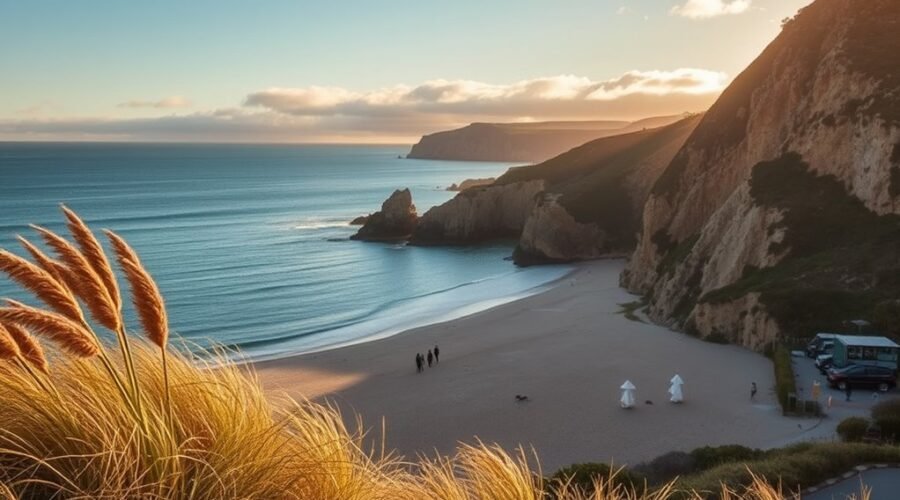
They say summer is the only time to enjoy Phillip Island—let’s test that. You’ll find milder days, quieter beaches and better value in the shoulder months of March–April and September–November, with spring flowers and active seals or crisp autumn evenings and steady surf, so you can plan walks and wildlife viewing without peak crowds or peak prices; keep going to see exactly when penguins, surf and festivals line up. Knowing the best time to visit Phillip Island Victoria helps you plan around weather, crowds, and budget.
Compare our seasonal guides to Victoria, Australia and Geelong, Victoria when choosing other stops in Victoria.
Key Takeaways
- Summer (Dec–Feb): warm long days and beaches, higher crowds and prices; ideal for sunsets, surfing, and penguin viewing at peak nesting.
- Autumn (Mar–May): mild weather, fewer visitors, golden light and lower costs—excellent for coastal drives and quieter walks.
- Winter (Jun–Aug): stormy skies, strong winds, cheapest rates and minimal crowds—perfect for storm‑watching and solitary hikes with warm gear.
- Spring (Sep–Nov): wildflowers, active seal and seabird seasons, moderate crowds and variable weather—great for wildlife and headland walks.
- Save money by visiting midweek in shoulder seasons, booking 60–90 days ahead, and avoiding major event dates like MotoGP and holidays.
Quick Answer: Best Time to Visit Phillip Island (By Priority)
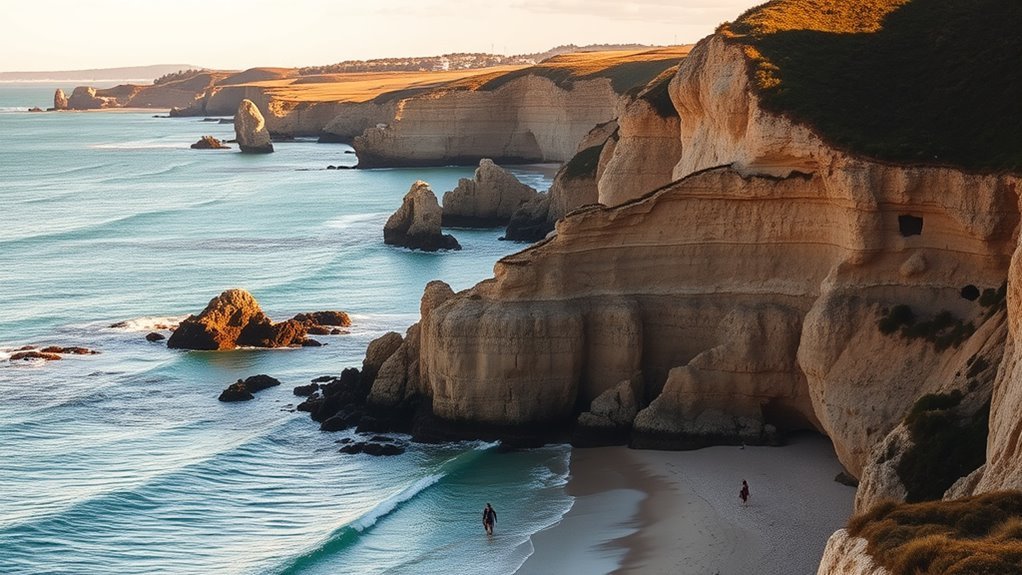
Wondering when to go? You’ll want to prioritize what frees you most: mild weather for outdoor walks, smaller crowds for quiet reflection, or lower costs so you can linger.
First priority—serenity: visit shoulder months when beaches and Historical sites feel like they’re yours alone; you’ll wander ruins and coastal trails without jostle.
Second—experience: pick times when local cuisine spots are lively but not slammed, so you can chat with chefs, savor fresh seafood, and taste the island’s craft producers.
Third—value: choose off-peak periods to stretch your budget and book cozy stays that let you wake up to surf and solitude.
If wildlife viewing tops your list, time your trip around animal activity rather than peak tourism, and you’ll still find calm accommodations.
You’re making choices that liberate your time and senses—lean into the priority that makes you feel most free.
Phillip Island Weather by Season: What to Expect
Because Phillip Island sits where Bass Strait meets the open ocean, its seasons feel vivid and changeable—you’ll get bright, breezy summers, cool, windy winters, and lively shoulder months that mix sun and showers.
In summer (Dec–Feb) you’ll enjoy long days, warm sand, and energetic surf; beaches beckon but sturdy winds can reshape dunes, so watch for beach erosion and respect posted signs.
Autumn brings clear light, mellower crowds, and crisp evenings—perfect for driving the coast and feeling unmoored from routine.
Winter is raw and invigorating: expect sharp winds, sudden rain, and dramatic skies that push you to move freely and boldly despite the cold.
Spring pulses with renewal—wildflowers, shifting weather, and increasing wildlife migration as animals and birds return or pass through.
Pack layers, a windproof jacket, and flexible plans; the island rewards those who adapt. You’ll leave feeling untethered, tuned to nature’s brisk tempo and the island’s unpredictable charm.
Phillip Island Wildlife Calendar: Penguins, Seals and Birds
You’ll want to time your visit to catch the Little Penguin Parade at dusk, when the tiny birds waddle ashore in waves.
Seals are most visible around the winter months when pups are born, while different seabirds peak at various times from spring through summer.
Keep an eye on seasonal schedules so you don’t miss the best wildlife moments.
Little Penguin Parade Timing
If you plan your visit around dusk, you’ll catch the Little Penguin Parade at its most charming: penguins waddle ashore in steadily arriving waves, their tiny silhouettes popping against the surf as daylight fades.
You’ll feel a quiet thrill during nighttime viewing when the beach hushes and the colony moves with calm determination.
Guides explain that there’s no penguin feeding—these wild birds forage at sea—so your role is respectful witness, not interference.
Timing shifts with season and tide: summer evenings bring later parades, cooler months arrive earlier.
Aim to get there before sunset, claim a spot, and let the rhythm of nature free you from the clock.
Bring warmth, patience, and permission to marvel without disrupting their world.
Seal And Bird Seasons
While the penguin parade steals the spotlight at dusk, Phillip Island’s wildlife calendar pulses year-round with seals and seabirds you can plan around, so you’ll pick the best times to visit for the species you’re keen to see. You’ll witness seal breeding in spring when colonies roar with new life, and you’ll feel liberated watching migrating flocks carve the sky during peak bird migration in autumn. Walk coastal trails, breathe salt air, and watch behaviors shift with seasons—intimate, raw, freeing.
| Season | Highlight | Feeling |
|---|---|---|
| Spring | Seal breeding | Awe |
| Summer | Calm colonies | Warmth |
| Autumn | Bird migration | Liberation |
When to See Phillip Island’s Little Penguins (Peak Months & Tips)
Because the little penguins follow the seasons, the best time to see them ashore is from late winter through summer — roughly August to February — when feeding and breeding activity brings the nightly parade to the penguin rookeries.
You’ll witness Penguin breeding cycles up close during peak months, and nighttime viewing turns ordinary shorelines into a living, communal ritual.
Go when adults return from feeding trips and chicks fledge; that’s when movement and calls are richest.
- Aim for September–November for heavy nesting and vocal displays.
- Visit December–February if you want fledglings and more active shore crossings.
- Book Nighttime viewing tickets in advance to protect the colony and your chance to observe.
- Bring quiet respect: dim lights, soft voices, and no flash photography.
- Combine a sunset stroll with a guided viewing to learn behavior and conservation tips.
You’ll leave feeling freer, connected to wild rhythms and the island’s small, stubborn guardians.
Phillip Island Crowds and Major Events (When It Gets Busiest)
Seeing the little penguins at dusk is unforgettable, but you should also plan around when the island fills up — crowds change the feel and logistics of a visit.
You’ll notice weekends, school holidays and the summer months swell numbers; the energy shifts from serene to buzzing, and you might prefer quieter mornings to reclaim freedom on quiet beaches.
Major events like the MotoGP and New Year’s celebrations transform the island into a hive, bringing international visitors and a festival atmosphere that’s exhilarating but crowded.
Check the calendar for local festivals and community markets that draw residents and day-trippers alike; they’re joyful, liberating experiences if you’re prepared.
Think ahead about transportation logistics: ferries, parking and shuttle timetables get strained during peak events, so book early or arrive well before prime time.
If you prize space and ease, aim for off-peak weekdays or shoulder seasons when you can move, breathe and explore without lines.
Cost Trends by Month: Accommodation, Tours and Peak Surcharges
You’ll notice accommodation prices rise and fall with the seasons, spiking around summer holidays and big events.
Tour operators often add peak surcharges during those same busy weeks, so a Penguin Parade ticket or wildlife cruise can cost noticeably more.
Planning a midweek or shoulder-season visit usually keeps both nightly rates and tour fees friendlier.
Accommodation Price Fluctuations
When you plan your trip around Phillip Island’s wildlife seasons and school holidays, expect accommodation and tour prices to shift noticeably month to month.
You’ll watch rates rise with penguin season and long weekends, then relax in quieter months when boutique stays drop their nightly rates.
Check local tax access, options when budgeting — extra charges and city levies can nudge totals higher.
Be flexible: midweeks and shoulder seasons free you from peak premiums and give you bargaining power.
- Book 60–90 days ahead for best mid-season deals.
- Look for refundable rates to keep your freedom.
- Consider apartment rentals for longer stays.
- Ask hosts about local tax access, options and hidden fees.
- Use comparisons to spot sudden discounts.
Tour Peak Surcharges
Tour operators ramp up prices quickly around known highs, so you should expect surcharges to pop up during penguin parade peak nights, school holidays, and long weekends.
You’ll notice local tour fees climb where demand concentrates: sunset viewings, guided walks, and boat trips.
Operators justify increases with seasonal staffing costs and extra logistics, but you pay for access and certainty.
If you crave freedom from crowds, shift to shoulder months or midweek visits — you’ll still see wildlife but avoid inflated rates.
Book early or watch cancellation windows to snag better deals, and consider smaller operators who keep rates lean.
Understanding these patterns lets you resist impulse spending and reclaim control of your trip budget.
Best Months for Surfing, Walking and Coastal Drives on Phillip Island
Because Phillip Island’s weather and swell patterns change through the year, you can pick months that match the exact vibe you want—big surf, calm walks, or scenic coastal drives.
If you crave raw ocean energy, winter (June–August) brings bigger swells and emptier Surfing hotspots; pack a thick wetsuit and go find your line.
Spring (September–November) mellows the wind, opens Coastal trail routes with wildflowers, and lets you wander long headlands without crowds.
Summer (December–February) offers warm mornings for relaxed coastal drives, seaside cafés, and sunset walks.
Autumn (March–May) balances consistent waves, cooler air, and vivid light—great for both surfing sessions and reflective walks.
- Winter: big surf, fewer people, bold freedom
- Spring: calmer trails, blooms, clearer views
- Summer: warm drives, accessible beaches, social vibe
- Autumn: steady conditions, golden light, fewer tourists
- Any month: pick the mood, chase it, and move freely along the coast
Month-by-Month Planning Checklist for Trip Length & Timing
If you want to make the most of Phillip Island’s seasonal rhythms, plan your trip length and timing around what you actually want to do each month—short weekend escapes work for summer sunsets and penguin parades, while a mid-week winter stay gives you quieter surf sessions and dramatic storm-watching without the crowds.
January–February: pick long beach days and late sunsets; a long weekend or 4–5 days lets you surf, picnic, and still relax.
March–April: aim for shoulder-season weekdays to enjoy walks and milder weather; 3–4 days is ideal.
May–August: book a mid-week break for storm-watching, coastal hikes and solitude; 2–3 nights often feels liberating.
September–November: chase wildflower walks and calmer seas with flexible 3–5 day trips.
December: plan around school holidays—if you can, go earlier in the week.
Always factor s budget and travel insurance into timing decisions so unexpected changes don’t clip your wings.
How to Avoid Crowds and Save Money on Phillip Island
Want fewer people and better deals on Phillip Island? You can claim quieter beaches and lower prices by choosing shoulder seasons and off-peak hours—arrive early to watch the light change, or linger after dusk when day-trippers leave. Seek experiences that free you from crowds and conventional schedules while savoring Local cuisine at tucked-away cafés and night markets when they run; those scenes feel intimate and affordable.
Choose shoulder seasons and off-peak hours for quieter beaches, better deals, and intimate local dining beyond the crowds.
- Visit during spring or autumn weekends to dodge summer crushes and enjoy softer rates.
- Book mid-week stays and flexible ferries; lodging and tours drop in price.
- Eat like a local: try fish-and-chip shacks, deli boards, and pop-up night markets for budget-friendly flavor.
- Explore lesser-known walking trails and secluded bays instead of the main viewing platforms.
- Rent a bike or join small-group tours to move freely and find off-menu treasures.
You’ll trade tourist congestion for liberated rhythms, saving money while discovering the island on your own terms.
Packing Checklist and Season-Specific Practical Tips
While the island’s weather can flip from sun to wind to drizzle in a single day, packing smart lets you enjoy every moment without fuss.
Bring layers: a breathable base, a fleece, and a windproof shell so you can shed constraints and follow your mood.
Pack sturdy shoes for coastal walks, a compact umbrella, and sun protection—hat, SPF, and polarized shades.
Don’t forget em gear like a lightweight power bank, waterproof phone case, and quick-dry towel to keep you mobile and free.
For seasons:
- in summer, add a rash vest and reef-friendly sunscreen;
- in autumn, a warmer beanie and insulated mug for seaside coffees;
- in winter, thermal base layers and a heavier coat;
- in spring, waterproof hiking boots and a foldable rain poncho.
Bring a small stash of seasonal foods—local fruit, cheese, and snacks—to picnic on windswept clifftops.
Travel light, stay adaptable, and let the island teach you how liberating simplicity can be.
Best Time To Visit Phillip Island Victoria: Frequently Asked Questions
Are There Guided Boat Tours for Wildlife Viewing Around Phillip Island?
Yes — you can join guideded tours for wildlife spotting around Phillip Island; you’ll cruise coastal waters, watch seals, seabirds and dolphins, feel free and empowered, and learn local stories from passionate guides who celebrate nature’s wild freedom.
Can I Drive to Phillip Island Without a 4WD in Winter?
Like a steady tide, you can drive to Phillip Island in winter without a 4WD, but Winter driving demands caution; vehicle requirements include good tyres, clear lights, fuel, and confidence—embrace freedom, drive deliberately, and stay weather-aware.
What Medical Facilities and Pharmacies Are Available on the Island?
You’ll find a small hospital and emergency clinics on Phillip Island, plus community pharmacies; check pharmacy hours for openings and late shifts, and you’ll feel empowered knowing urgent care and prescriptions are accessible when you need them.
Are There Child-Friendly Beaches and Playgrounds on Phillip Island?
Yes — you’ll find Phillip Island’s shores and parks welcoming: kids friendly playgrounds dot picnic spaces, beaches show clear beach safety signage, and you’ll watch children play free like gulls, exploring with confident, joyful curiosity.
Is Mobile Phone Reception and Mobile Data Reliable Across the Island?
Generally, you’ll get decent signal strength and data coverage near towns and main roads, but you’ll hit patchy spots along secluded beaches and reserves, so carry offline maps and relish unplugged moments for liberated exploration.
Conclusion
Think of Phillip Island like a well‑timed song: visit in spring or autumn for the sweetest notes. You’ll enjoy mild weather, fewer people, and better prices, so you can wander coastal tracks, watch penguins at dusk, or catch a quiet surf without the summer crush. Book midweek, arrive early, and layer clothing for breezy evenings. Travel light, stay curious, and you’ll leave feeling like you found the island’s perfect refrain.



[…] Phillip Island, Victoria […]