

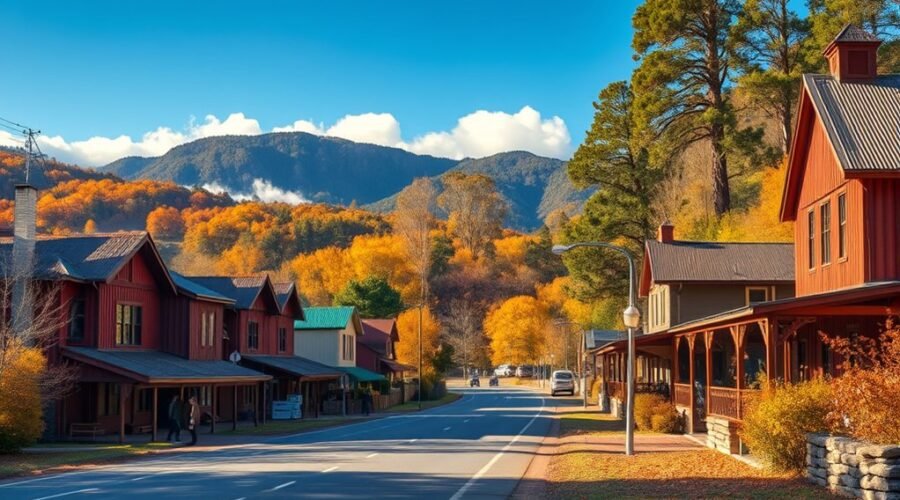
You might not know that Walhalla’s best weather and lowest prices fall outside the busy summer months—late spring (Oct–Nov) and early autumn (Mar–Apr) tend to deliver mild 15–20 °C days, thin crowds and cheaper accommodation. If you prefer clear walking tracks, easier parking and better morning light for photos, midweek stays in those shoulder seasons work best. Keep going to see how crowds, closures and nightly rates shift through the year.
Compare our seasonal guides to Victoria, Australia and Apollo Bay, Victoria when choosing other stops in Victoria.
Key Takeaways
- Visit late spring (Oct–Nov) or early autumn (Mar–Apr) for mild weather, clear trails, and smaller crowds.
- Weekdays and early mornings reduce queues, lower accommodation rates, and improve access to historic tours.
- December–February (summer) brings warm days, more day‑trippers, paid parking, and higher accommodation costs.
- Winter (Jun–Aug) offers lowest rates and solitude, but expect cold, possible snow, muddy trails, and some reduced services.
- Book ahead for festival weekends, use self‑catering or public transport to save money and avoid parking hassles.
When to Visit Walhalla : Quick Recommendation
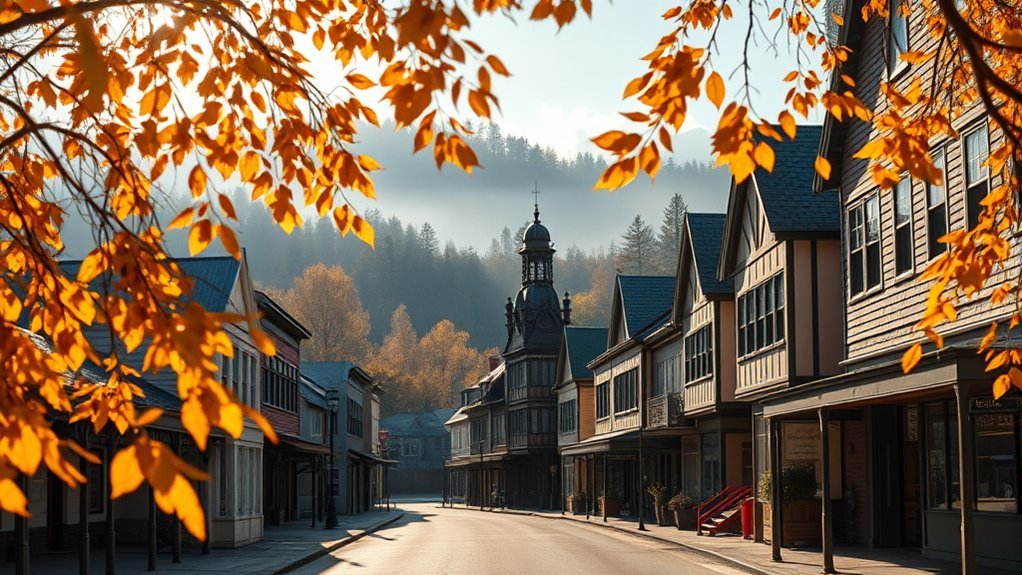
If you want mild weather, smaller crowds and clear trails, plan your visit to Walhalla in late spring (October–November) or early autumn (March–April).
For mild weather, quieter trails and smaller crowds, visit Walhalla in late spring (Oct–Nov) or early autumn (Mar–Apr).
You’ll find days that invite wandering without the crush of peak season, and you can move freely through historic streets, rail trails and viewpoints.
Aim for midweek stays to deepen cultural immersion—visit a gallery, chat with artisans, and let the town’s rhythms loosen your schedule.
Sample local cuisine at the pub or a café; meals feel honest and unhurried, and you’ll leave with new favorites to seek out again.
Pack layers for cool mornings and sunlit afternoons, and bring sturdy shoes for paths that reward curiosity.
Book ahead for popular weekend events but stay flexible: freedom comes from options, not rigid plans.
With these choices, you’ll balance comfort, authenticity and ease—so you can explore Walhalla on your own terms.
Walhalla Weather by Season
In summer you’ll find warm, sunny days perfect for hiking and sitting by the river, though afternoons can heat up quickly.
Winters get cold with occasional snow that turns the town into a quiet, frosted scene, so pack layers and sturdy footwear.
The shoulder seasons bring changeable weather—cool mornings, milder afternoons, and the occasional rain—making them ideal if you want fewer crowds and flexible plans.
Summer Temperatures And Sunshine
Although summer days in Walhalla warm up pleasantly, nights stay cool enough for light layers, so you’ll want both sunscreen and a thin jacket. You’ll notice clear skies, generous sunshine and daytime highs usually between 22–28°C, letting you roam freely while practicing sun protection and heatstroke prevention. Bring breathable fabrics, a hat, water, and a light windbreaker for evenings.
| Time of day | Typical condition |
|---|---|
| Morning | Crisp, bright |
| Midday | Sunny, warm |
| Afternoon | Gentle breeze |
| Night | Cool, clear |
This balance gives you freedom: hike, sit in town squares, or linger on verandas. Plan active hours around midday sun and stay hydrated for safe, liberated enjoyment.
Winter Cold And Snowfall
When winter rolls in, Walhalla turns noticeably colder and often dusts the valley with snow, so you should pack warm layers, a waterproof coat, and sturdy boots.
You’ll feel the crisp air sharpen your senses; trails hush under white, chimney smoke curls from cottages, and Snowy photography opportunities pop around every bend.
Bring Thermal gear to stay nimble outdoors, and plan shorter daylight excursions so you aren’t caught out after sunset.
- Frosted timber bridges with low light that rewards slow compositions
- Icicle-edged creek banks where footprints trace quiet rebellion
- Snow-dusted heritage buildings offering sheltered, moody frames
- Steep tracks that demand grip, warm gloves, and clear-headed pacing
Embrace the cold as freeing — deliberate, equipped, and observant.
Shoulder Season Weather Patterns
As the high-season crowds thin and the intense cold eases, you’ll find Walhalla’s shoulder seasons offering a mix of crisp mornings, milder afternoons, and unpredictable shifts that reward flexible plans.
You’ll wake to frost or fog, then strip layers as sun breaks through, tasting freedom in each temperature swing.
Observing local climate trends, you’ll notice spring brings rapid green-up and sudden showers, while autumn colors arrive with cool nights and calm, golden days.
Plan for layered clothing, waterproofs, and a loose itinerary so weather changes become part of the adventure, not an obstacle.
If you seek liberation from rigid schedules, shoulder season‘s variable patterns let you move with the land and shape your own pace.
When Walhalla Is Busiest : Crowds by Date & Impact
You’ll notice the busiest months are typically December through February, with weekends filling fast as locals and holidaymakers head for the hills.
Special events like the Walhalla Rhythm & Blues Festival and long‑weekend markets create sharp visitor spikes that can make parking and bookings scarce.
Plan around those dates if you want quieter trails and easier access to cafes and attractions.
Peak Periods By Month
Although small, Walhalla sees clear monthly rhythms in visitor numbers, and knowing them helps you plan around crowds and parking. You’ll notice spring (Sep–Nov) warming up, with photographers and those chasing local cultural heritage strolling the main street; parking fills by mid-morning.
Summer (Dec–Feb) brings steady day-trippers drawn to shaded trails and local cuisine, so expect more cars and queues.
Autumn (Mar–May) calms by mid-week; leaf-change weekends spike briefly.
Winter (Jun–Aug) is quietest — you’ll find solitude and easier parking, though some businesses have reduced hours.
- September–November: increasing foot traffic, mornings busier
- December–February: highest daily visitor load, limited parking
- March–May: moderate visitors, weekend peaks
- June–August: low visitor numbers, easier access
Event-Driven Visitor Spikes
Monthly rhythms give a useful baseline, but specific events can send Walhalla’s visitor numbers soaring on particular dates.
You’ll notice heritage festivals, music weekends, and market days draw different visitor demographics — families, retirees, and young adventurers — so crowds concentrate around key attractions.
Check event calendars early: parade times and exhibit openings create short, intense peaks.
Ticket pricing often rises for special tours or concerts, so book ahead to avoid paying a premium or standing in lines.
Travel liberates you; plan to arrive before peak start or stay after the final act to reclaim quiet streets.
Use local social channels for last-minute changes and consider weekday visits if you want the town mostly to yourself.
Walhalla Accommodation & Transport Costs by Season
Because Walhalla’s tourist rhythm shifts with the seasons, your accommodation and transport costs change noticeably too.
You’ll find peak summer and autumn weekends lift prices for cottages, B&Bs and the few boutique stays near art galleries and spots serving local cuisine.
Off-season midweeks give you bargaining power and quieter roads, so you can taste freedom without a heavy price tag.
- Summer: higher rates, limited availability, busier scenic drives and paid parking.
- Autumn: festival weekends spike demand; book early to secure charm and convenience.
- Winter: lowest nightly rates; roads can be slick but quieter — ideal for reflective escapes.
- Spring: variable pricing as flowers draw day-trippers; consider weekday stays to save.
Plan flexibly: choose midweek arrivals, combine stays with local eateries, and use the community-run shuttle when available.
You’ll stretch your budget and feel liberated by deliberate timing.
Best Time for Walking Tracks : Access and Trail Conditions
When you plan walks around Walhalla, timing matters as much as route choice: trail surfaces, stream crossings and visibility all change with the seasons, so pick days when conditions match your skills and gear.
You’ll find your freedom on clear autumn mornings and late spring days when trails drain quickly, underfoot grip is reliable, and creek crossings are low.
Summer can be dry and hot; rough, exposed sections demand water and shade planning.
Summer brings heat and exposure—pack extra water, plan shaded stops, and choose heat-safe sections.
Winter brings mud, slick boardwalks and swollen streams that can close routes—check access updates before you set out.
Study trail grading to choose routes that fit your fitness and appetite for challenge; don’t let aspiration override safety.
Look for consistent trail signage; good signs mark junctions, distances and hazards so you can recalibrate plans and stay liberated rather than lost.
Carry a map, and adjust timing: start early, avoid afternoon storms, and leave tracks in conditions you can confidently manage.
Best Time for Historic Sites, Festivals & Events in Walhalla
You’ll find Walhalla’s historic sites at their liveliest in late spring and autumn when restored buildings open regular hours and the goldfields look their best.
Check the annual festivals calendar—events like the Ghost Tour nights and heritage fairs usually fall on long‑weekend dates and attract extra vendors and tours.
Expect higher accessibility but also modest entry fees and transport surcharges during these peak festival days, so book ahead and budget accordingly.
Historic Sites Peak Seasons
If you want the town’s historic sites at their liveliest, plan your visit for late spring through early autumn, when mild weather and longer days bring guided tours, heritage train runs, and festivals into full swing.
You’ll find herit site tours running more often, volunteer guides animated about heritage preservation, and exhibits opening later into the evening so you can savor the place without rushing.
Peak seasons mean easier access to restored buildings, more interpreters on hand, and a communal energy that invites curiosity and freedom.
Visit on weekdays for quieter moments; pick weekends if you want shared enthusiasm. Expect higher demand and book ahead.
- Morning guided walks past the Long Tunnel Mine
- Heritage train departures at midday
- Evening storytelling at restored cottages
- Pop-up museum exhibits and stalls
Annual Festivals Calendar
Because Walhalla’s festival calendar clusters around milder months, you can plan visits that combine lively events with easy access to historic sites and guided tours. You’ll find weekend markets, heritage fairs and music weekends that feel freeing—each event invites you to move through town, learn, and choose your pace. Watch vendor showcases for local craft and food, and check festival pricing ahead so you don’t get boxed in by surprise costs. Festivals often schedule guided mine tours and living-history demos during daytime, keeping evenings for music and social flow. Use the table below to scan typical seasonal highlights quickly; then pick dates that match the vibe and the crowd level you want.
| Event Type | Typical Month |
|---|---|
| Heritage Fair | March |
| Music Weekend | October |
| Market Day | December |
| Mine Tours | April |
| Craft Showcase | November |
Events Accessibility & Costs
After checking festival dates and activities, consider how accessible venues and ticket costs will shape your visit—especially if you want to combine guided mine tours, living-history demos and evening music without surprises.
You’ll want clear Accessibility options listed, short walks between sites, and realistic Cost breakdowns so you can budget freedom into your plans.
Plan mornings for quieter access and evenings for concerts; ask organizers about ramps, audio aids and parking.
Expect small local events to be flexible but cost-conscious.
- Check venue maps and tram or shuttle availability before you arrive.
- Ask for disability access and sensory-friendly showtimes.
- Compare single-ticket prices to festival passes in advance.
- Factor food, transport and optional donations into your Cost breakdowns.
Closures, Muddy Tracks & Limited Services (Seasonal)
When heavy rains sweep through Gippsland in late autumn and winter, expect trails into and around Walhalla to turn sticky and slow — some forest tracks become impassable for standard cars and even hikers find boots slipping on clay.
You’ll see official track closures posted at trailheads and notice seasonal services trim hours or shut altogether; the town tightens up to protect paths and conserve limited staff.
Walkways that shine in summer morph into ruts, creek crossings swell, and picnic areas can be waterlogged — so you adapt: choose sturdier footwear, lower tire pressure if you must drive, and give yourself extra time.
Fuel, food, and guides may be sporadic on weekdays or in deep winter, so plan basic self-reliance without surrendering spontaneity.
Embrace the raw landscape safely, respect barricades, and let the quieter seasons free you from crowds while you navigate practical limits imposed by weather and infrastructure.
Planning Tips to Avoid Crowds & Save Money
If you want fewer people and lower costs, plan trips for shoulder-season weekdays and early mornings—those windows let you enjoy Walhalla’s main sights with shorter queues, quieter trails, and better deals on accommodation.
For fewer crowds and savings, visit Walhalla on shoulder-season weekdays and early mornings for quieter, cheaper experiences
You’ll find freedom in timing: arrive at dawn for misty creek views, head back before late-afternoon crowds, and use midweek stays to release lower rates.
Look for budget amenities like self-catered kitchens, simple laundry, and communal lounges to stretch your dollars without sacrificing comfort.
- Book directly with small operators for flexible cancellation and local tips.
- Pack picnic supplies to skip pricey cafés and linger where you choose.
- Cycle or walk between attractions to avoid parking hassles and embrace slow travel.
- Use public transport or carpool options to reduce costs and leave a lighter footprint.
Be intentional: reserve only what you need, seek out budget travel options, and let minimal planning give you maximum independence.
Weekend Itineraries by Season (Sample Plans)
Looking for a weekend that matches the season and your energy levels? You’ll find three clear sample plans to free your pace: concise, sensory, and bold. Pick one and claim time for yourself.
| Morning | Afternoon | Evening |
|---|---|---|
| Spring: wildflower walks | localultural tours at the mine | cozy pub with Regional cuisine |
| Summer: river swims | heritage rail ride | stargaze from the hill |
| Autumn/Winter: misty lookouts | gallery crawl & café tasting | wood-fire lodgings, slow reading |
Each plan nudges you toward liberation: move slowly in spring, dive fully in summer, and retreat deeply in cooler months. You’ll get practical flow—timed stops, short walks, and meals that ground you. Use the table as a tiny manifesto: pick a row, keep intent, and adjust. These itineraries respect your rhythm while opening space for surprise—an unplanned detour, a friendly chat, or a lingering bite of Regional cuisine that becomes the weekend’s emblem.
Checklist : Choose the Right Time for Your Priorities
Because your priorities shape the kind of trip you want, start by listing what matters most—quiet walks, photography light, crowd levels, or specific events—and rank them.
Begin by ranking what matters—quiet walks, light for photography, crowd levels, or must-see events—to shape your trip.
You’ll use that rank to pick months that free you from compromises: choose solitude over peak-season bustle, or vibrant festivals over empty trails.
Think about costs and how they fit into your sense of freedom; budget or photography goals might push you toward off-peak stays, while chasing seasonal cuisine could mean timing visits for harvests and markets.
Note weather windows that support your activities and pack accordingly.
Below are quick prompts to align timing with intent:
- If you crave solitude, aim for late autumn weekdays when fog and gold leaves thin crowds.
- For dramatic light and photos, pick crisp winter mornings for clear shadows and texture.
- To savor seasonal cuisine and local markets, plan around harvest festivals and cooler months.
- If you want both views and company, choose shoulder seasons for milder weather and fewer tourists.
Frequently Asked Questions
Are Dogs Allowed on Walhalla Walking Tracks and in Town?
Yes — you can bring dogs in town and on some dog friendly trails, but you’ll need to follow local pet policies: keep them leashed, clean up waste, and respect wildlife so everyone enjoys liberated, responsible exploration.
Is Mobile Phone Reception Reliable in Walhalla?
Signal’s patchy—you won’t always get bars in Walhalla. Mobile coverage varies with terrain and provider; signal strength improves near the town center and main roads. You’ll adapt, choosing moments to connect and stay free.
Where Can I Find Public Toilets and ATMS in Walhalla?
You’ll find public facilities near the town centre: toilets by the visitor centre and Gippsland Gold panning area, while currency access is limited—use the ATM in the convenience store or plan ahead with cash and cards.
Are There Guided Ghost Tours or Historic Walks Available?
Spooky strolls, storied steps: yes — you’ll find guided ghost tours and historic walks in Walhalla. You’ll join knowledgeable guides, encounter eerie anecdotes, learn local lore, and reclaim space through immersive, liberating, practical exploration.
Can I Cycle Between Walhalla and Nearby Towns?
Yes — you can cycle between Walhalla and nearby towns; you’ll find marked bike routes and gravel tracks, scenic stops beside rivers and lookouts, practical maps and bike-friendly cafes that free you to explore at your own pace.
Conclusion
Visit in shoulder seasons—late spring or early autumn—for mild 15–20 °C weather, thinner crowds, and lower prices; go midweek for quieter tracks, early mornings for best light and parking, and self‑cater to cut costs. Expect wetter winter trails and busy summer weekends; check closures before you leave. Plan hikes when paths are firm, book accommodation early for weekends, and pack layers, sturdy boots, and patience for changing conditions.


[…] Walhalla, Victoria […]