The best time to visit Newman, Western Australia depends on how much heat you are comfortable with and what you want to do. For most leisure travelers, May through September offers the best balance of comfortable temperatures, relatively dry conditions, and easier outdoor exploration. June to August is coolest, while April and October are warmer shoulder options.
Quick Answer
For most travelers, the best time to visit Newman is May to September. June and July have average daytime highs of about 23°C (73°F), while August averages about 26°C (79°F). April is warmer but manageable, while October already averages about 35°C (95°F), so heat-sensitive visitors should avoid treating it as a cool-weather month.
Key Takeaways
- Best overall: May to September for comfortable outdoor sightseeing.
- Coolest weather: June to August, with mild days and cold desert nights.
- Warmer shoulder months: April and October; October can already be very hot.
- Hottest period: November to March, when 40°C (104°F) days can occur.
- Costs: Do not assume a simple tourist high/low season. Newman is a working mining town, so business and contractor demand can affect accommodation throughout the year.
- Road trips: Check weather and road conditions before leaving town, especially during the summer wet and cyclone season.
Best Time to Visit Newman by Season
Newman sits in Western Australia’s inland Pilbara region, where summers are extremely hot and winters are much milder. According to the Bureau of Meteorology’s Newman Aero climate statistics, average maximum temperatures range from about 23°C (73°F) in June and July to around 39°C (102°F) in December and January.
Summer: November to March
If you dislike extreme heat, summer is generally the hardest time to visit Newman for sightseeing. December and January average close to 39°C (102°F), and 40°C-plus days are common during the hottest spells. January’s long-term mean maximum is about 39.2°C, while December averages about 39.4°C.
- Heat impact: Hiking, exposed sightseeing, and roadside stops can become uncomfortable or unsafe in the middle of the day.
- Rain and cyclone effects: Australia’s official tropical cyclone season runs from 1 November to 30 April. Newman is inland, but tropical systems and their remnants can still bring heavy rain, flooding, strong winds, and road disruption.
- Outdoor planning: If you must travel in summer, schedule essential outdoor activities for early morning and avoid committing to remote routes without checking conditions.
- Visitor numbers: Leisure demand is generally less weather-driven than in major resort destinations, and accommodation can still become tight because of mining and contractor activity.
Warning: Extreme heat can cause dehydration, heat stress, and heat stroke. Carry ample water, reduce strenuous activity during the hottest part of the day, use sun protection, and never rely on a remote water source being available. See WA Health’s extreme-heat guidance before summer travel.
Winter: June to August
This is Newman’s most comfortable period for most visitors. The original idea that winter days commonly reach the low 30s°C overstates the typical climate. Long-term Bureau of Meteorology averages are approximately 23.1°C in June, 23.2°C in July, and 26.3°C in August.
- Comfortable daytime temperatures: Excellent for walking, lookouts, mine-related sightseeing, and longer outdoor stops.
- Cold nights: Mean minimums are about 7.6°C in June, 6.4°C in July, and 8.3°C in August. Temperatures can occasionally drop close to or below freezing.
- Drier conditions: Winter is normally much drier than summer, although no month is guaranteed to be rain-free.
- Demand: July can receive extra leisure travel because Western Australian winter school holidays often fall during this period.
Shoulder Seasons: April-May and September-October
The shoulder months can work well, but they are not identical. May and September are especially attractive if you want warmth without the peak summer heat. April remains warm, while October can already feel like summer during the afternoon.
- April: Average maximum around 32.1°C (90°F). Warm, but much easier than midsummer for many travelers.
- May: Average maximum around 27.1°C (81°F), making it one of the strongest all-round months.
- September: Average maximum around 30.6°C (87°F), with generally cool nights.
- October: Average maximum around 35.3°C (96°F). It can still suit heat-tolerant travelers, but it should not be treated as a cool-weather month.
Pro Tip: If you want mild weather but would rather avoid the July school-holiday period, consider May, late August, or September. Always compare accommodation for your exact dates because workforce demand can outweigh normal tourism patterns in Newman.
If you enjoy comparing destinations by weather, crowds, and costs, this broader planning guide to visiting Los Angeles by season uses a similar framework for a very different climate.
Best Months by Travel Style
| Travel Priority | Best Time | Why |
| Cool-weather sightseeing | June-August | Lowest average daytime temperatures. |
| Hiking and lookouts | May-September | Generally easier conditions for exposed outdoor activity. |
| Karijini side trip | April-September | Milder temperatures make gorge walks more comfortable. |
| Warm weather without midsummer heat | May or September | Good compromise between warm days and cooler nights. |
| Lowest heat exposure | June-July | Mean daytime highs are about 23°C. |
| Budget-focused travel | Compare exact dates | Newman’s accommodation market is influenced by mining and business demand, so there is no dependable cheapest tourist month. |
Activities and Experiences: What to Do in Newman
Newman is fundamentally a mining town, but it is also a gateway to striking Pilbara landscapes. Your planned activities should influence when you visit just as much as temperature.
Outdoor Exploration and Nature
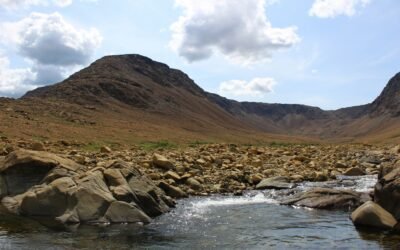
The landscape around Newman includes rugged ranges, lookouts, waterholes, remote tracks, and access toward some of the Pilbara’s best-known natural attractions.
- Karijini National Park: Karijini is roughly 190 km from Newman and is a major reason travelers pass through the area. Cooler months are far better for strenuous gorge walks. Standard park-entry fees apply, and access conditions can change, so check the official DBCA Karijini National Park page before leaving.
- Mount Newman: Mount Newman is the prominent mountain associated with the town and offers hiking and expansive views for experienced, properly prepared visitors. It should not be confused with Mt Whaleback mine.
- Mt Whaleback: The major mining attraction near town is BHP’s Mt Whaleback mine, which BHP describes as the world’s biggest single open-pit iron ore mine. Visitor tours may operate through local tourism services, but schedules, clothing requirements, minimum numbers, and availability can change, so book before your trip.
- Ophthalmia Range: The broader landscape provides impressive views and remote-country driving opportunities. Do not assume that culturally significant places or rock-art locations are open for unrestricted access; follow local guidance, permissions, and closures.
- Fossil Valley and other local tracks: If older guides or local recommendations point you toward Fossil Valley or another remote track, confirm current access and directions with the Newman Visitor Centre before setting out.
Cultural and Local Experiences
Newman also gives visitors a look at the culture, art, and daily life of the East Pilbara beyond the mining industry.
- Newman Visitor Centre: A useful first stop for current maps, track conditions, local attractions, mine-tour information, and practical advice.
- Martumili Artists: The East Pilbara Arts Centre in Newman houses Martumili Artists, an art enterprise representing Martu artists from remote East Pilbara communities. Check the Shire of East Pilbara for current visitor information.
- Indigenous culture: Approach cultural experiences respectfully and use recognised galleries, guided experiences, or locally approved access rather than entering cultural sites independently.
- Local events: Sporting events, community activities, exhibitions, and markets can add interest to a visit. Check current local listings close to your travel dates.
Crowd Considerations: Newman’s Unique Flow
Newman is not a conventional tourism hotspot, so “crowds” work differently here. You are unlikely to encounter the continuous visitor numbers associated with major coastal resorts, but room availability can still tighten because Newman is also an active mining and business centre.
School Holidays
Western Australian school holidays can increase family and road-trip travel through the Pilbara. July is especially relevant because winter school holidays often overlap with Newman’s most comfortable weather.
- July planning: If your trip falls in the winter school break, reserve accommodation, hire cars, and organised activities earlier than you otherwise would.
- Check current dates: Holiday dates change each year. The WA Department of Education publishes current and future public-school term dates.
Mining Operations and Contractors
Newman is a working resources town. Business travelers, contractors, and mining-related activity can affect accommodation demand independently of the leisure travel season.
- Week-to-week variation: Do not assume weekends will always be cheaper or that summer will automatically have abundant rooms.
- Compare adjacent dates: If your itinerary is flexible, check several nearby dates before committing.
- Book ahead: Advance reservations are sensible year-round if you need a particular room type, rental vehicle, or group accommodation.
Local Events
Community events, sporting weekends, exhibitions, and industry-related activity can create temporary spikes in demand.
- Check before booking: Look at current Newman and Shire of East Pilbara event listings if your schedule is flexible.
Cost Breakdown: Accommodation, Travel, and Activities
Newman can cost more than travelers expect because it is a remote regional centre, but prices vary too much to justify a fixed “high season versus low season” rule. Your exact dates, workforce demand, vehicle requirements, and how far ahead you book usually matter more.
Accommodation
Accommodation includes hotels, motels, serviced accommodation, chalets, and caravan-style options.
- Hotels and motels: Compare live prices for your exact dates rather than relying on a historical nightly-price range.
- Serviced accommodation: Useful for longer stays and travelers who value kitchen or laundry facilities.
- Caravan and camping options: Potentially useful for road travelers, but confirm availability, facilities, and seasonal operating conditions first.
- Booking strategy: Reserve early for winter, school-holiday trips, groups, or any itinerary that depends on a particular property.
Travel and Transport
You can reach Newman by air or by a long road journey through Western Australia.
- Flights: Newman Airport uses the code ZNE and has scheduled connections with Perth. Airline schedules and fares change, so check current services rather than relying on a fixed frequency.
- Airfare strategy: Compare multiple dates and fare types and book once your itinerary is firm. There is no guarantee that a particular weekday will always be cheapest.
- Driving: Newman is roughly 1,200 km north of Perth, making the road journey a major undertaking rather than a short transfer.
- Fuel: Refuel strategically and do not pass reliable fuel stops casually when traveling through remote parts of the Pilbara.
- Vehicle preparation: Check tyres, spare tyre, fluids, battery, cooling system, and emergency supplies before a long remote drive.
- Water: Carry more drinking water than you expect to need, especially when leaving sealed highways or traveling in warm weather.
- Road conditions: Flooding, bushfires, crashes, and roadworks can change access. Check the Main Roads WA Travel Map immediately before remote road travel.
- Rental vehicles: Reserve early if you need a specific vehicle class. Confirm whether the rental agreement permits unsealed-road or 4WD use before leaving sealed roads.
Activities and Tours
Many landscape-based stops are inexpensive or free, but park entry, tours, equipment, and transport can add to the trip cost.
- Mine tours: If operating during your visit, expect organised tours to require advance booking and a fee. Confirm current requirements directly before travel.
- Karijini National Park: Standard park-entry fees apply. Check DBCA for current prices and pass options.
- Guided experiences: Cultural, hiking, 4WD, or specialist tours will have separate charges and may run only on selected dates.
- Food and drink: Remote-town prices and selection can differ from Perth. Self-catering may help you control costs, but check your accommodation facilities first.
For another example of planning a trip around seasonal weather, visitor demand, and costs, see this Hartford travel-timing guide.
Final Considerations and Practical Tips
The table below combines Bureau of Meteorology climate normals with practical planning guidance. The crowd and cost notes are not official occupancy statistics; they reflect Newman’s unusual mix of leisure travel and year-round mining-related demand.
| Month | Weather | Crowds | Costs / Booking Pressure |
|---|---|---|---|
| January | Very hot; avg. 39.2°C / 25.3°C | Usually lower leisure demand | Variable; business demand still matters |
| February | Very hot; avg. 37.5°C / 24.1°C | Usually lower leisure demand | Variable |
| March | Hot; avg. 35.9°C / 22.4°C | Low to moderate leisure demand | Variable |
| April | Warm; avg. 32.1°C / 17.7°C | Moderate | Compare exact dates |
| May | Pleasant; avg. 27.1°C / 11.8°C | Moderate | Good month to book early |
| June | Mild days, cold nights; 23.1°C / 7.6°C | Higher leisure interest | Book ahead |
| July | Mild days, cold nights; 23.2°C / 6.4°C | Higher during school holidays | Book early |
| August | Mild; avg. 26.3°C / 8.3°C | Moderate to higher leisure interest | Book ahead for fixed itineraries |
| September | Warm; avg. 30.6°C / 12.6°C | Moderate | Compare exact dates |
| October | Hot; avg. 35.3°C / 17.8°C | Moderate | Variable |
| November | Very hot; avg. 37.5°C / 21.2°C | Usually lower leisure demand | Variable |
| December | Very hot; avg. 39.4°C / 24.3°C | Usually lower leisure demand | Variable; holiday schedules can affect services |
Essential Packing List
No matter when you visit, certain items are important for a trip to Newman and the wider Pilbara.
- Sun protection: A broad-brimmed hat, high-SPF sunscreen, sunglasses, and protective clothing.
- Water: Carry plenty of drinking water, with extra reserves when traveling outside town.
- Sturdy footwear: Essential for rocky terrain and hiking.
- Layered clothing: Winter afternoons can be mild while nights become surprisingly cold.
- Insect repellent: Useful around dawn and dusk, particularly after rain.
- First-aid kit: Sensible for road trips and remote recreation.
- Navigation: Download offline maps before leaving reliable coverage and carry a backup navigation plan for remote travel.
Connectivity and Services
Newman has the services of a regional centre, but conditions change quickly once you travel into remote country.
- Mobile reception: Do not assume continuous reception outside town. Remote routes may have weak or no service.
- Offline planning: Save maps, booking confirmations, emergency contacts, and important directions before departure.
- Fuel: Fill up before long remote sections and know where your next reliable fuel stop is located.
- Emergency planning: Tell someone your intended route and expected return time when heading into remote areas.
- Communication: For genuinely remote 4WD travel, consider whether satellite or other emergency communication equipment is appropriate.
Respecting the Environment and Culture
The Pilbara is ancient Country with living Indigenous cultures, culturally significant places, and fragile landscapes.
- Leave no trace: Take rubbish with you and avoid damaging vegetation, rock formations, or waterways.
- Cultural sensitivity: Respect Traditional Owner guidance, signs, closures, and access restrictions. Do not enter restricted or culturally sensitive areas without permission.
- Stay on approved tracks: This protects both visitors and the landscape.
- Waterholes: Never assume a swimming location is safe simply because it appears accessible. Check current local advice and signage.
Note: Remote Pilbara conditions can change after heavy rain. Check weather warnings, Main Roads WA, park alerts, and local visitor information again on the day you travel rather than relying only on plans made weeks earlier.
In summary, May through September is the strongest overall window for visiting Newman. June to August provides the coolest weather, while May and September offer an excellent balance of warmth and outdoor comfort. April can also work well, but October is substantially hotter. Summer is possible for essential travel, but heat, heavy rain, and cyclone-related disruption require much more careful planning.
Frequently Asked Questions
What is the best time to visit Newman, Western Australia?
For most travelers, May to September is the best overall period. June to August is coolest, while May and September provide warmer days without the extreme heat of summer.
What is the weather like in Newman throughout the year?
Newman has very hot summers and mild, dry winters. BOM climate normals show average maximums of about 39°C in December and January, compared with about 23°C in June and July. Winter nights are much colder, averaging roughly 6-8°C in June through August.
When is Newman hottest?
December and January are generally the hottest months. Average daytime highs are around 39°C, and temperatures above 40°C can occur frequently during hot spells.
When are crowds at their peak in Newman?
Newman rarely feels crowded like a major resort. Leisure demand is more noticeable in the cooler months, especially around winter school holidays, but accommodation can also fill because of mining, contractor, and business activity at any time of year.
What is the off-peak season in Newman?
For leisure travel, the hottest summer months generally attract fewer weather-focused visitors. However, Newman does not have a simple tourism-only low season because mining-related demand can affect accommodation throughout the year.
When is the cheapest time to visit Newman?
There is no dependable cheapest month. Hotel, rental-car, and airfare prices can move with workforce demand, school holidays, events, availability, and how early you book. Compare your exact dates instead of relying on a fixed seasonal rule.
Can I visit Karijini National Park from Newman?
Yes. Newman is roughly 190 km from Karijini National Park and is a practical stop before or after visiting the park. Check DBCA alerts, road conditions, fuel, park-entry requirements, and your planned route before leaving.
Sources
- Bureau of Meteorology — Newman Aero climate statistics — monthly temperature and rainfall normals.
- Bureau of Meteorology — Tropical Cyclone Knowledge Centre — Australia’s official tropical cyclone season and cyclone hazards.
- BHP — Mt Whaleback — current mine name, location, and scale.
- Department of Biodiversity, Conservation and Attractions — Karijini National Park — official park access and entry information.
- Main Roads Western Australia — Travel Map — current road closures, incidents, flooding, and access conditions.
- WA Department of Health — Extreme heat guidance — dehydration, heat-stress, and heat-safety advice.