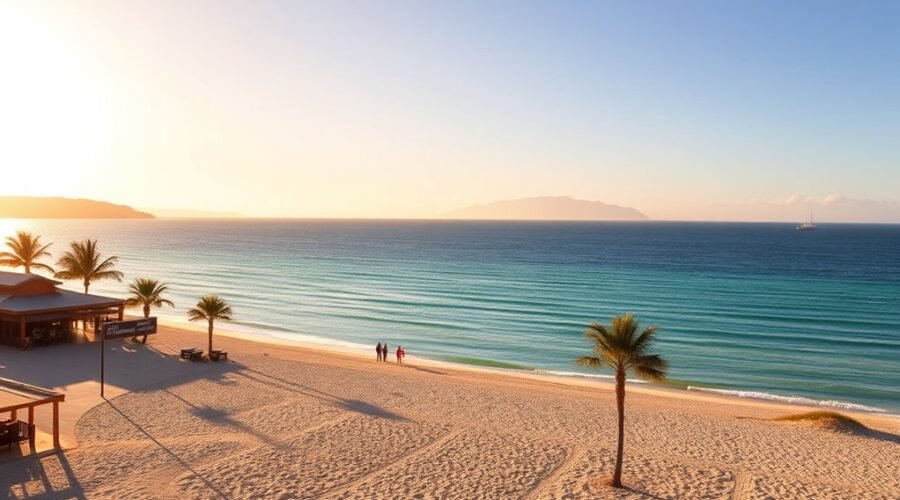
Most visitors don’t realize Hervey Bay’s whale season lines up with its calmest seas, so you can get both excellent whale encounters and glassy snorkeling conditions at once. If you’re weighing whales, weather and budget, timing makes a big difference: late August to October usually gives the best mix of sightings, mild temperatures and lower rates. I’ll walk you through the months, crowd patterns and smart booking moves so you can pick the right window.
Compare our seasonal guides to Queensland, Australia and Southern Great Barrier Reef, Queensland when choosing other stops in Queensland.
Key Takeaways
- Best months for whale watching and calm seas are August–October, with August early peak and September high calf activity.
- Shoulder months (March–May, September–October) offer fewer crowds and better accommodation and tour rates.
- Peak season June–August brings busiest wharf precincts and higher prices; book tours and lodging early.
- January–February is hot, humid, and storm-prone with lower prices and thinner crowds after holidays.
- October–April gives clearest snorkeling visibility and gentler swell; mornings have light winds and calmer conditions.
Quick Pick: Best Months for Hervey Bay by Priority (Whales, Calm Seas, Budget)
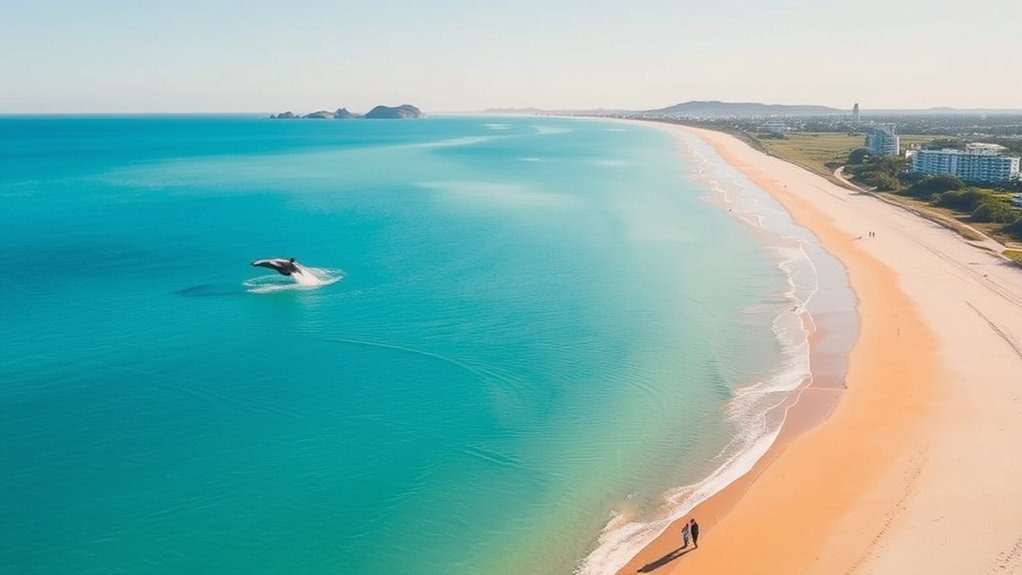
If you’re after the highlights fast, here’s a clear, prioritized snapshot: for whale watching pick August to October, when humpbacks are most abundant and active; for calm, balmy waters ideal for swimming and kayaking choose February to April; and for the best value—lower prices and fewer crowds—go in May or November.
You’ll find each window serves a different kind of freedom: August–October brings thrilling marine encounters; February–April gives you languid paddles and sun-soaked solitude; May and November let you stretch your budget and move at your own pace.
Plan around what liberates you — epic wildlife, gentle sea days, or wallet-friendly exploration.
Don’t miss local indigenous cuisine stalls and coastal festivals that pop up off‑season, where culture and community feel raw and real.
Pack light, pick the month that matches your aim, and let Hervey Bay loosen your schedule and expectations so you can travel on your own terms.
Best Months for Whale Watching in Hervey Bay
While humpback season stretches from July through November, you’ll get the most reliable and spectacular sightings between August and October, when mothers and calves linger in Hervey Bay’s calm, sheltered waters.
You’ll notice predictable whale migration patterns as pods pause here to rest, nurse and play, making these months prime for up-close observation without disturbing their flow.
Choosing August–October supports respectful viewing and connects you to one of the planet’s marine biodiversity hotspots.
- August — early peak: more encounters as whales arrive; daily tours increase chances.
- September — prime balance: highest calf activity and surface behaviors; photographers rejoice.
- October — lingering adults: fewer crowds than peak holiday weeks; meaningful, less rushed interactions.
Go with operators who prioritize protection and local knowledge so your freedom to explore aligns with conservation. You’ll leave empowered, having witnessed a migratory miracle while honoring the bay’s natural rhythms.
Calm Seas & Clear Skies: Months Best for Boating and Snorkeling
If you want smooth water and great underwater views, plan your boating and snorkeling trips for the late winter to early spring months when seas are calm and visibility is highest.
Those months also tend to have the lightest winds, so you’ll spend less time battling chop and more time watching marine life.
I’ll outline the best windows and what to expect on the water next.
Calm Water Months
When you’re planning boat trips or snorkeling in Hervey Bay, aim for the late winter to early spring months—August through October—because winds are lighter, seas are flatter, and visibility improves, making it easier to spot marine life and navigate the bay safely.
You’ll find calm water windows that let you move freely, tune into marine life migration rhythms, and claim quiet moments at top sunset photography spots along the foreshore.
- Book midweek mornings for the flattest seas and fewer boats.
- Choose sheltered launch points near river mouths to avoid open-wind fetch.
- Carry a simple marine chart and local radio channel to stay safe and autonomous.
These months free you to explore, connect, and capture the bay without compromise.
Best Visibility Periods
Because Hervey Bay’s best visibility ties directly to calm seas and clear skies, plan your boating and snorkeling trips for August through October when winds drop, swell diminishes, and water clarity improves—giving you safer navigation, easier reef spotting, and far better underwater photos.
You’ll find the water clearer for spotting marine fauna like rays, turtles, and colorful reef fish close to the surface, so you can move freely and connect with the ocean without barriers.
Daytime clarity also makes guided snorkeling more rewarding; operators run focused, small-group outings that respect habitats.
At night, reduced humidity and clearer conditions boost night‑sky visibility for on-deck stargazing after a day in pristine water.
Pack polarized lenses, reef-safe sunscreen, and curiosity.
Minimal Wind Seasons
Although coastal breezes can pick up quickly, Hervey Bay’s calmest stretch usually runs from late winter into early spring—roughly August through October—so you’ll get smoother rides and clearer water for snorkeling and small-boat trips.
You’ll feel liberated steering into glassy bays, spotting marine wildlife in shallow reefs and enjoying bright skies that make photography effortless.
Plan your outings around low wind windows for freediving or paddleboarding, and pair sea days with onshore cultural festivals for a fuller experience.
- Book mornings for mirror-like water and best underwater visibility.
- Choose local operators who watch forecasts and adjust departures.
- Combine calm-sea days with cultural festivals to balance exploration and community.
Cheapest Months in Hervey Bay (Flights & Accommodation)
If you’re watching your budget, aim for Hervey Bay’s low season—usually late autumn through winter—when both flights and rooms drop in price.
Airlines tend to release sales during these quieter months, so flexible dates can score you the best fares.
You’ll also find more budget accommodation options and weekday discounts if you book outside peak school holiday periods.
Low-Season Timing
When you’re after the cheapest months to visit Hervey Bay, aim for the shoulder and winter low season—typically May through August—when flights and accommodation drop noticeably; fewer tourists, cooler water, and more flexible booking options keep prices down.
You’ll find freedom in quieter streets and liberated pacing, but plan around marine life migration and local festival timing so you don’t miss key experiences.
Consider these practical low-season tips:
- Book midweek stays and smaller B&Bs for the steepest savings and friendlier cancellation terms.
- Time your visit to overlap early whale season edges or community festivals to balance solitude with meaningful encounters.
- Use local transport and self-cater to stretch your budget and claim independence while exploring.
Flight Deal Patterns
With low-season savings in mind, you’ll next want to look at flight and accommodation patterns to lock in the best deals for Hervey Bay.
Watch flight pricing trends: January to March and late September often show lower fares as demand dips.
Set fare alerts and be flexible with midweek departures; that freedom lets you grab sudden drops.
Monitor airline promotions—carriers push sales around holidays or during off-peak campaigns, and snagging a flash deal can cut costs dramatically.
Book 6–10 weeks ahead for domestic routes, but jump quicker if a genuine promo appears.
Budget Accommodation Options
Looking to stretch your travel budget in Hervey Bay? You can savor freedom without overspending by timing your trip for the cheapest months and hunting local travel bargains. Stay flexible: off-season (late autumn to winter) brings lower rates and quieter streets, perfect for mindful explorers. Book hostel deals early for dorm beds or private rooms that undercut hotels.
- Compare hostels and guesthouses: scout reviews, amenities, and cancellation policies to keep options open.
- Use local travel networks: join community pages and walk-in inquiries for last-minute discounts and room swaps.
- Consider longer stays: weekly rates often drop considerably, letting you relax and support local businesses while keeping costs down.
You’ll travel smarter, freer, and with more cash for experiences.
Peak Season: Crowds, Events & What to Book Early
Because whale season draws visitors from across Australia and beyond, Hervey Bay gets noticeably busier from July through October, and you’ll want to plan ahead accordingly. Expect higher demand for whale-watching cruises, waterfront accommodations, and popular restaurants showcasing local cuisine — book those early to avoid disappointment.
Whale season (July–October) brings crowds—book cruises, waterfront stays and top restaurants well in advance.
Check schedules for local culture events like festivals, markets, and community performances; they enliven the town and reward you with authentic experiences if you secure tickets in advance.
You’ll also want to reserve hire cars, guided tours, and any specialty experiences such as eco-cruises or snorkel trips, since operators limit numbers to protect wildlife. Aim to book two to three months ahead during peak windows; if you’re after a specific vessel or boutique stay, lock it in sooner.
Arrive with a flexible itinerary so you can embrace spontaneous local discoveries. Planning this way frees you to savor Hervey Bay’s natural gifts and community spirit without stress.
Wet Season: Storms, Humidity & Closures to Expect
If you visit Hervey Bay between November and March, expect sticky humidity, frequent heavy showers and the occasional tropical storm that can disrupt plans; rainfall peaks in summer and can make outdoor activities soggy or unsafe.
You’ll notice higher storm frequency then, so plan flexibly and keep essentials dry.
Local services sometimes close during severe cells, and low-lying areas face elevated flood risk after sustained rain.
- Pack smart: quick-dry clothes, waterproof footwear and a compact rain jacket—be ready to shift plans on short notice.
- Stay informed: monitor local warnings and tide reports; evacuation routes and shelter info matter if flood risk rises.
- Choose bookings with flexible cancellation: accommodations and tours may postpone or close during storms, and you’ll want freedom to change without penalty.
You’re aiming for freedom in travel—accept weather’s limits, build buffers into your itinerary, and you’ll still find rewarding, resilient ways to explore Hervey Bay.
Month-by-Month Weather, Crowds & Costs Snapshot
While each month in Hervey Bay brings its own weather quirks, crowd levels and price swings, this snapshot will help you match timing to priorities—whether you want calm whale-watching seas, budget-friendly rates, or quieter beaches.
January–February: expect heat, humidity and occasional storms; crowds thin after holidays and prices drop, so you can roam free and catch small local festivals without the crush.
March–May: cooler nights, clearer skies and shoulder-season deals; you’ll find more relaxed beaches and occasional culinary events showcasing fresh seafood.
June–August: peak season with mild days and busy wharf precincts; book early for popular dates, and embrace the lively atmosphere and festivals.
September–October: warm, low-rain months with fewer tourists and better rates; ideal if you want freedom from crowds.
November–December: warming again toward summer, variable prices and a festive buzz; expect weekend spikes around public holidays and seasonal happenings.
Plan based on weather tolerance, crowd tolerance and your appetite for local festivals and culinary events.
Hervey Bay Outdoor Activities by Season (Whale Tours, Snorkel, Kayaking)
If you’re timing your trip for whale watching, aim for the winter months when humpbacks are most often in the bay.
For snorkeling and kayaking, the calmer, warmer months give you clearer water and gentler conditions for spotting marine life.
I’ll walk through the best months for each activity so you can plan when to go.
Whale Watching Seasons
Because Hervey Bay is one of the world’s most renowned resting spots for humpback whales, you’ll find clear seasonal patterns that make trip planning straightforward: the peak whale-watching season runs from July to November, with the calmest waters and highest sighting rates between August and October.
You’ll witness marine migration patterns as mothers and calves pause, and guides interpret whale feeding behaviors and social displays. Timing matters if you want intimate encounters without crowds.
- July–August: migration begins; good sightings, fewer visitors.
- August–October: prime window; calm seas, frequent close approaches.
- November: departures increase; you’ll still see active behaviors but with thinning numbers.
Plan with intent, choose ethical operators, and let the experience free your sense of wonder.
Snorkel & Kayak Timing
When you’re timing snorkel and kayak trips in Hervey Bay, think calm seas and warmer months—October through April offers the clearest water, gentler swell, and best visibility for exploring reef patches and seeing turtles, rays, and tropical fish.
Plan morning outings when winds are light; afternoons pick up sea breeze and chop.
Rent or bring quality snorkel gear and check local water reports—clarity changes after rain and during tidal shifts.
For freedom on the water, prioritize kayak safety: wear a leash or life jacket, carry a signalling device, and stay within marked zones or guided tours if you’re inexperienced.
Go early in the season to avoid stingers, and choose operators who respect marine habitats so your visit leaves no trace.
Family Travel: Best Months for Kids and School-Holiday Planning
Although school holidays shape your schedule more than the calendar, Hervey Bay’s mild climate and clear whale-watching season make some months easier for families than others.
You’ll want to plan around school break coordination so kids aren’t missing milestones, and you can catch family friendly festivals that add local color without hectic crowds.
Peak whale season (July–September) aligns with winter school breaks for some states — great for photos but busier.
Shoulder months like June and October balance calmer beaches, pleasant weather, and more relaxed ferry decks.
- June — quieter shoulder month; cooler water, easy parking, fewer tour queues for whale watching and beach play.
- July–September — top whale-watching window; expect higher visitor numbers; pair with family friendly festivals for memorable outings.
- October — warm, lower crowds; ideal if you want school break coordination without peak-season prices and noise.
Choose months that free your family to explore, connect, and breathe.
Budget & Booking Tips: Save on Tours, Stays and Whale-Watch Tickets
If you want to stretch your travel dollars in Hervey Bay, smart timing and a few simple booking tactics will shave costs without sacrificing experiences.
Book whale-watch tickets early and off-peak—midweek tours and shoulder months often mean lower fares and less crowded decks. Compare operators online, look for multi-day or group discounts, and subscribe to newsletters for flash sales.
For stays, choose self-contained apartments or guesthouses; flexible dates let you snag last-minute rate drops or extended-stay reductions.
Eat like a local: seek budget friendly dining at markets, bakeries, and fish-and-chip spots to free up cash for experiences.
Rent a bike or use local transport discounts for longer stays; passes and regional deals trim transit costs compared with taxis.
Bring reusable water bottles and reef-safe sunscreen to avoid tourist markups.
Finally, bundle activities—boat trips plus island transfers—or book directly with providers to negotiate extras. You’ll keep more freedom and money for the things that matter.
Frequently Asked Questions
Are There Reliable Medical Facilities Near Hervey Bay for Emergencies?
Yes — you’ll find reliable emergency clinics and ambulance services in Hervey Bay; public hospital emergency departments handle major cases, local clinics manage urgent needs, and ambulance crews respond promptly to keep you safe and empowered.
What Visa or Entry Requirements Apply to International Visitors?
Passport, permits, papers — pack properly. You’ll need visa types like tourist, working holiday or student visas, plus entry paperwork including ETA/visa application, proof of funds and return ticket; check official sites for current requirements.
Are There Pet-Friendly Beaches, Accommodations, or Pet-Care Services?
Yes — you’ll find pet-friendly beaches, Pet friendly rentals, and local grooming services; you can relax knowing accommodations welcome pets, nearby parks suit freedom-loving pups, and groomers handle care so your companion stays content.
Is Public Transport Sufficient for Tourists Without a Car?
Like a reliable compass, you can get by without a car: public transport covers main sights, boosts tourist accessibility, with bus frequency reasonable, ticket pricing affordable, though you’ll want occasional rideshares for remote beaches and freedom.
What Sustainable or Eco-Friendly Whale-Watching Operators Are Available?
You can choose Eco tours like Spirit of Hervey Bay and Hervey Bay Eco Tours; green operators focus on low-impact vessels, whale welfare, local guides, and community benefits, so you’ll travel responsibly and feel liberated by meaningful encounters.
Conclusion
Plan your Hervey Bay trip for late August–October to catch whales, calm seas and better rates; aim mid‑week mornings for glassy water. Book tours and boutique stays two–to‑three months ahead, or snag bargains in late September if you’re flexible. Families will love shoulder season balance of weather and smaller crowds. Think of the bay as a gentle stage where whales take the lead—travel smart, pack layers, and you’ll get unforgettable views without the peak‑season hassle.