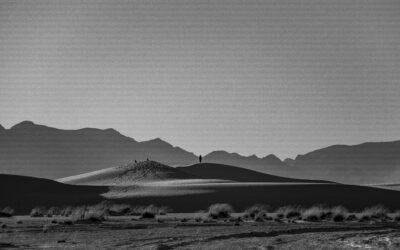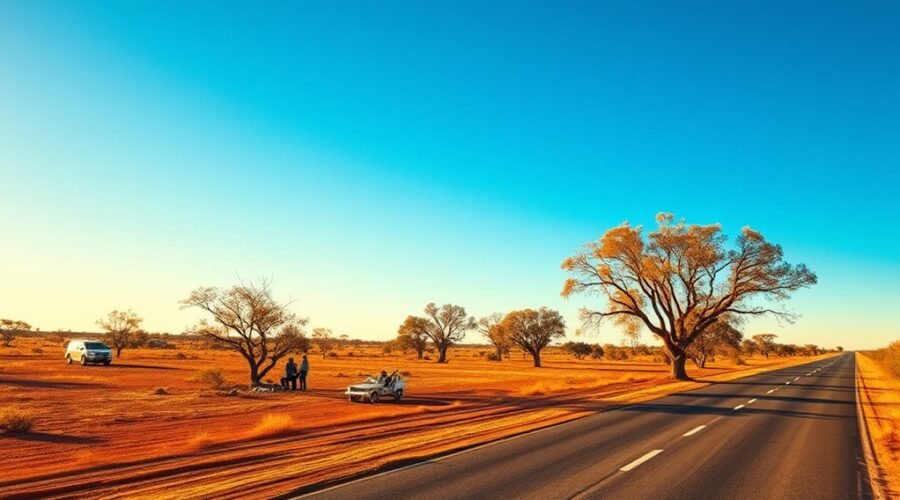
You might wonder whether Longreach’s best season really is the dry winter months — and the data mostly backs that up. You’ll find clear nights, fewer crowds and steadier prices from June to August, but shoulder months and the wet summer each have trade‑offs you’ll want to weigh. Keep going to see month‑by‑month weather, costs and which experiences work best for your trip.
Key Takeaways
- April–May and September–October are best shoulder months: milder weather, greener landscapes, fewer crowds, and moderate prices.
- June–August offers the clearest skies and driest conditions, ideal for stargazing and predictable tours, but higher travel costs.
- January–March is hottest with summer storms and lowest prices, but some outback routes and tours may be limited.
- Weekday travel and booking 6–8 weeks ahead during peak windows lowers airfare and accommodation costs.
- Pack layers, sun protection, sturdy shoes, and emergency supplies for remote travel; book flexible cancellations for shoulder-season storms.
Best Time to Visit Longreach : Quick Guide
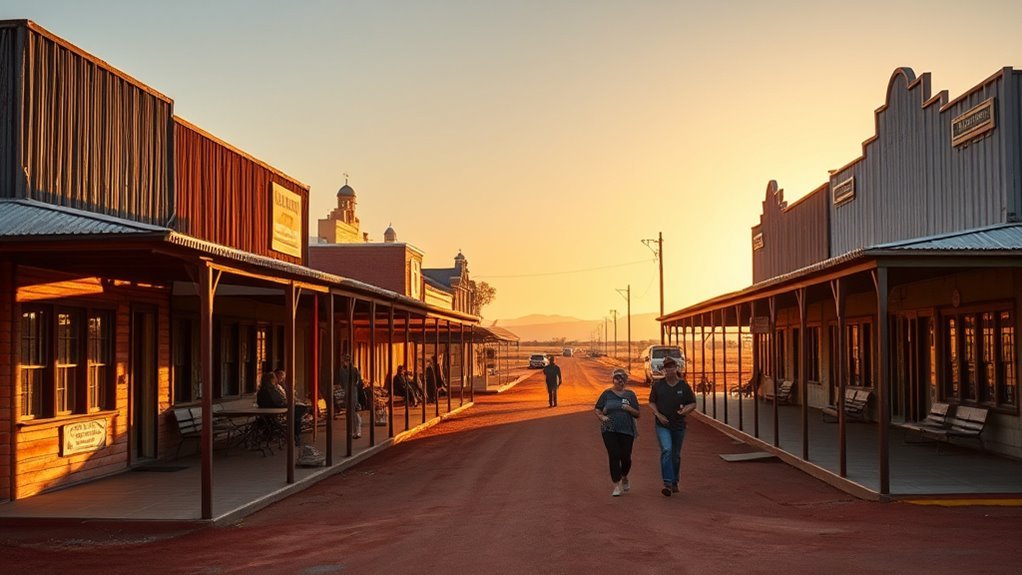
Wondering when to plan your Longreach trip? You’ll find the sweet spot between comfortable days and lively events from April to September.
You’ll enjoy clear skies, manageable temperatures, and lower humidity that let you roam without constraints.
Aim for school-term months if you want quieter accommodation and cheaper flights; pick autumn or early winter weekends when cultural festivals bring the town alive and you can connect with community spirit.
Indigenous art exhibitions and performances often align with festival calendars, so time your visit to experience ceremonial storytelling, galleries, and workshops that deepen your sense of place.
Plan visits around festival dates to enjoy Indigenous art, ceremonial storytelling, galleries and hands-on workshops that enrich place.
Peak summer can feel oppressive and drives up costs; wet-season access to some outlying sites is limited.
Pack layers for cool nights, bring breathable fabrics for daytime, and book experiences and transport in advance if you’re visiting during festival periods.
That way you’ll travel intentionally, move freely, and leave with a clearer, liberated sense of Longreach.
Month-by-Month Climate & Rainfall in Longreach
Although Longreach sits in the semi-arid heart of Queensland, its weather swings noticeably through the year, and knowing the monthly patterns helps you plan activities and pack smart.
January–March brings hot days and the chance of summer storms; rainfall peaks in February, greening the plains and reminding you how resilient this land is.
April–May cools slightly; mornings are crisp, afternoons golden—ideal for walking and connecting with landscape shaped by Aboriginal heritage.
June–August are the driest, with clear blue skies, cool nights and minimal rain; you’ll feel liberated by wide-open horizons and starlit evenings.
September warms, and October–November heat builds with occasional pre-summer showers.
December sees rising humidity and sporadic thunderstorms again.
Throughout the year, agricultural festivals and community events follow these rhythms, celebrating harvests and culture when the land permits.
Use month-by-month rainfall averages to choose gear, expect dusty tracks in dry months, and embrace wet-season renewal when it comes.
How Seasons Affect Tours, Crowds and Attractions
Those monthly rhythms don’t just shape the weather—they shape what you’ll do, who you’ll meet and how crowded attractions feel.
In cooler, dry months you’ll find tours run on predictable schedules, heritage sites less congested and tour guides with time to share deeper stories; you’ll move freely between the Stockman’s Hall of Fame, river cruises and sunset photo spots.
Wet-season shifts concentrate activity: heavy rains can pause some outback drives, but they also trigger dramatic landscapes and bursts of seasonal wildlife—birds, frogs and sudden green plains—that reward flexible travelers.
Local festivals cluster in shoulder seasons, drawing lively crowds that energize pubs, markets and evening events; join in if you want connection, avoid if you need solitude.
Plan mornings for longer excursions to beat heat and midday closures, and book specialized tours (astronomy, birdwatching) around clear, calm windows.
Read tour cancellation policies and aim for shoulder months for the best balance of access, encounters and freedom.
Typical Monthly Flight & Accommodation Costs
If you plan your trip around seasonal peaks, you’ll find flight and accommodation prices in Longreach swing noticeably by month: winter and early spring (June–September) usually bring higher airfares and fuller hotels thanks to cooler, dry weather and festival weekends, while the wet-season months (January–March) often offer the cheapest deals as fewer travelers brave the heat and occasional road closures.
Expect weekday flights and midweek stays to be cheaper; booking 6–8 weeks ahead during peak windows helps you lock savings.
Watch sales from budget airlines for flash fares, but read baggage and change-fee rules so your freedom isn’t curtailed.
For lodging, compare independent motels with chain properties — leverage Hotel loyalty programs if you value upgrades or late checkout.
If you want to roam without strain, set a monthly budget range: low season AUD 150–300 for flight+room, shoulder AUD 300–500, peak AUD 500+.
Plan with flexibility and claim travel that feels like liberation, not expense.
Best Months in Longreach for Cruises, Stockman’s Hall of Fame & Stargazing
Plan your trip around Longreach’s clear winter nights if you want the best stargazing—June to August usually offer the driest, darkest skies.
For river cruises, aim for the cooler months (April to October) when the Thomson and Thomson–Landsborough systems are calmer and wildlife is more visible.
And if you’re timing a visit to the Stockman’s Hall of Fame, check scheduled events and cooler-season school holidays for the best shows and demonstrations.
Peak Stargazing Months
While Longreach dazzles year-round, the clearest, most consistent nights for stargazing fall between April and October, when cooler, drier conditions cut haze and humidity. You’ll find the Night sky astonishingly vivid here because minimal Light pollution lets the Milky Way and southern constellations dominate. Check local forecasts for seeing and moon phase; winter months bring crisper transparency and more hours of darkness for liberation-seeking souls.
| Month Range | Stargazing Benefit |
|---|---|
| Apr–Jun | Clear nights, longer dark hours |
| Jul–Aug | Cold, dry air; peak clarity |
| Sep–Oct | Warm evenings, steady transparency |
Telescope rentals are available locally; guides can point out Aurora potential (rare but possible) and help you reclaim wide-open, awe-filled skies.
Best Cruise Seasons
Because Longreach’s seasons shape every outing, choosing the right months lets you pair a river cruise, a visit to the Stockman’s Hall of Fame, and prime stargazing nights into one seamless trip.
Aim for April–June and August–October: cooler nights sharpen the Milky Way, river levels suit gentle cruises, and crowds thin so you move freely.
River festivals often land in cooler months, giving you lively dockside energy before quiet, liberated evenings under vast skies.
Book eco‑tours early in dry-season windows to see wildlife along the Thomson and find guides who read constellations and country lore.
You’ll avoid humid summer swarms and enjoy clearer skies, balanced costs, and the sense of opening up—travel designed for curiosity and a lighter pace.
Stockman’s Hall Timing
If you visit Longreach between April and June or again in August to October, you’ll get the best blend of comfortable days, crisp nights and steadily flowing rivers that make both river cruises and the Stockman’s Hall of Fame more enjoyable.
You’ll wander exhibits with fewer crowds, catch indman’s hall events timed to peak season, and step outside for starlit skies that feel like freedom.
Check Hall opening hours before you go—seasonal changes and special events tweak schedules—so you won’t miss an evening talk or demonstration.
Plan cruises around calm mornings and aim museum visits for midweek to avoid busier weekends.
Travel then and you’ll savor authentic stories, clear skies for stargazing, and the space to breathe and explore on your own terms.
Who Should Visit When : Recommendations by Traveler Type
If you’re traveling with kids, aim for mild months when outdoor activities and kid-friendly attractions are easy to enjoy.
If you’re a solo adventurer, pick the cooler, clearer seasons for long drives, stargazing, and bush walks.
If you prefer a slower pace, choose the shoulder seasons for gentler weather and relaxed sightseeing.
Families With Kids
Heading to Longreach with the kids? You’ll find wide-open skies, gentle outback rhythms, and plenty of family friendly activities that let you breathe easy while keeping kids safe.
Aim for cooler months (May–September) for mild days, calm evenings, and fewer storms — ideal for exploring without stress.
- Choose guided tours and heritage sites that prioritize kids’ safety and offer hands-on learning, so your family moves confidently and freely.
- Pick accommodation with family rooms, pools, or kitchens to simplify routines and preserve independence for everyone.
- Time visits around school breaks if you want company, or off-peak if you crave space to roam — both options free you from crowded schedules.
Solo Adventure Seekers
When you’re traveling solo to Longreach, plan your trip around what you want to feel — solitude, adventure, or a mix of both — because season and timing shape the experience.
If you crave wide-open days and fewer people, visit in the dry winter months; clear skies make solo trekking more rewarding and campfire nights feel vast.
For heat-fueled adrenaline and dramatic sunsets, the shoulder seasons offer storms and green plains that attract birds and grazing wildlife.
Schedule early mornings for remote wildlife spotting when animals are most active, and pick weekdays to avoid tour crowds.
Travel light, trust your instincts, and book flexibility into your plan so you can follow a sudden track, a local tip, or a quiet stretch of river that calls you.
Senior And Leisurely Travelers
After the solo adventurer’s call to wide skies and early starts, seniors and leisure travelers will want a gentler rhythm—mornings that start later, comfortable walking routes, and reliable amenities.
You’ll find Longreach welcoming in shoulder seasons (April–May, Sep–Oct) when temperatures ease and crowds thin, letting you roam museums, river walks, and cultural tours without rush.
Choose accommodations with ground-floor rooms, elevators, and quiet lounges so you can rest, socialize, or plan the next slow day.
Look for accessible transport options—shuttle services and hire cars with mobility features—to keep freedom intact.
- Prioritize relaxed itineraries: short excursions, long lunches, scenic drives.
- Seek operators advertising cultural tours and calm pacing.
- Book transport that guarantees accessible transport and easy pickup.
Packing, Booking & Weather Contingency Tips for Longreach
If you’re packing for Longreach, think layers, sun protection and sturdy shoes—days can be hot and dry while nights turn cool, and many attractions involve dusty, uneven terrain.
Make a travel gear checklist: breathable shirts, a wide-brim hat, SPF 50, sunglasses, a light fleece, and closed-toe walking shoes. Include compact rainwear during shoulder seasons and a portable water bottle with a filter to stay self-reliant.
Book early for popular experiences and flexible fares so you can shift plans if weather or events change. Reserve accommodations with cancellation options and check local event calendars to avoid crowds.
Have an emergency shelter plan: know nearest town services, download offline maps, and carry a basic first-aid kit, torch, and extra phone power. Leave your itinerary with someone and learn simple vehicle recovery basics if you’ll self-drive. Travel light but prepared—freedom in the outback comes from thoughtful readiness, not excess baggage.
Frequently Asked Questions
Are There Guided Outback Camping Experiences Near Longreach?
Yes — you can join guided tours that include rustic outback camping, campfire stories, star‑gazing sessions and bush skills. You’ll reconnect with wide horizons, shed constraints, and wake feeling liberated under vast, glittering southern skies.
Can You Visit Working Cattle Stations Nearby?
Yes — you can visit working cattle stations nearby; you’ll discover cattle tours and station stays that let you help muster, ride and camp. You’ll feel liberated, hands-on and transformed by rugged, authentic outback life.
Are There Accessible Options for Travelers With Mobility Impairments?
Yes — you’ll find accessible transport and wheelchair friendly routes for tours, museums, and station visits; operators’ll help plan adapted experiences, ensuring you move freely, explore country life, and claim the outback’s wide-open freedom.
What Wildlife Species Are Commonly Seen Around Longreach?
You’ll spot kangaroos, wallabies, emus, wedge-tailed eagles, pelicans, and brolgas; Birdwatching hotspots along the Thomson River shine, and you’ll enjoy reptile spotting for goannas, skinks, and occasional freshwater turtles amid red-gum woodlands and floodplains.
Is Mobile Phone and Internet Coverage Reliable in the Area?
Coverage’s patchy but usable; you’ll often get basic signal coverage in town while fringe areas drop out, and remote spots can stall. Expect modest data limits if roaming, so plan downloads and savor offline freedom.
Conclusion
Visit Longreach in winter for crisp, star-filled nights and calm river cruises, not the steaming, stormy summer when plans collapse under torrential skies. Choose shoulder seasons for milder days and fewer crowds, trade higher costs for peak festival energy, or embrace winter’s quiet charm and moderate prices. Pack layers, book ahead, and expect sudden weather swings—then relish outback history, clear horizons, and unforgettable skies that feel both vast and intimate.