

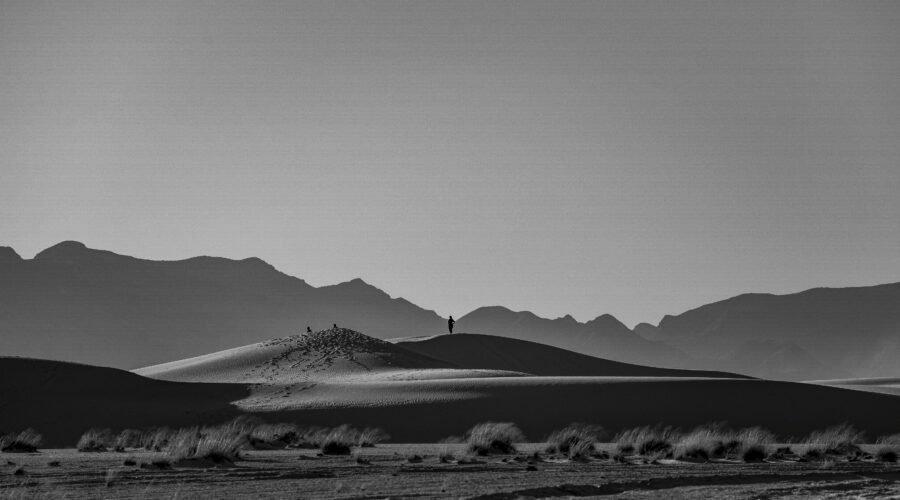
Planning a trip to New Mexico? The “Land of Enchantment” offers a unique blend of history, culture, delicious food, and jaw-dropping landscapes. But when’s the best time to experience it all without getting baked by the sun, freezing your toes off, or draining your wallet? The sweet spot generally lies in the spring (April to May) and fall (September to October). These shoulder seasons offer pleasant weather, fewer crowds, and more reasonable prices compared to the peak summer months.
1. Spring: Blooming Desert and Mild Temperatures
Spring in New Mexico is a beautiful transition. The harshness of winter begins to fade, and the landscape awakens. It’s a time when you can enjoy outdoor activities comfortably, and the state’s natural beauty is on full display.
Weather in Spring
- March: Still a bit unpredictable. You might get some lingering snow in the higher elevations, especially in the north, while southern areas can start feeling quite warm. Average temperatures can range from the low 30s (°F) at night to the high 60s during the day. It’s generally drier at this time.
- April: This is when spring really starts to feel like spring. Temperatures become more consistently pleasant, with highs often in the 70s (°F) across much of the state. Nights can still be cool, dropping into the 40s. Wildflowers start to appear, especially after a decent winter snowpack.
- May: Typically one of the warmest and driest months before the summer heat kicks in. Daytime temperatures can easily reach the 80s (°F) in many areas, while nights remain comfortable in the 50s. This is a prime month for exploring the outdoors without feeling overly stressed by the heat.
Crowds in Spring
- March: Generally still a quiet month. You’ll find fewer tourists, making it easier to explore popular sites without feeling rushed. This is especially true before the spring break period, which can see a temporary uptick in visitors.
- April: As the weather warms up, visitor numbers start to increase, but it’s usually not overwhelming. You might see more families during spring break. Major attractions will be busier than in March, but you’re unlikely to encounter the same level of crowds as in July or August.
- May: Visitor numbers continue to rise, especially towards the end of the month as summer vacation approaches. Memorial Day weekend can be particularly busy. If you’re aiming for peak spring beauty and solid weather, early to mid-May is often a good balance.
Costs in Spring
- March: Accommodation prices are usually at their lowest. You’ll likely find the best deals on flights and hotels. This is a great time if you’re on a tighter budget.
- April: Prices start to creep up as more people plan their trips. You can still find good deals, but booking in advance is recommended, especially if you have specific dates or popular destinations in mind (like Santa Fe during the Indian Market prep or Taos for its art scene).
- May: Costs begin to reflect the approaching summer season. Flights and lodging will be more expensive, particularly around Memorial Day. Booking several months in advance is your best bet for securing reasonable rates.
If you’re planning a trip to New Mexico, you might also find it helpful to read our article on the “Best Attractions in New Mexico: A Comprehensive Guide.” This resource provides insights into must-see destinations, cultural experiences, and outdoor adventures that can enhance your visit. For more information, check out the article here: Best Attractions in New Mexico: A Comprehensive Guide.
2. Summer: The Heat and the Crowds
Summer in New Mexico is characterized by its intense sunshine and the buzzing energy of peak tourist season. It’s a vibrant time, but it comes with its own set of considerations if you’re looking for comfort and tranquility.
Weather in Summer
- June: The transition into summer. Temperatures heat up considerably, with highs often in the 80s and 90s (°F) across the state. Higher elevations will still offer some relief. This is the beginning of monsoon season in some parts of New Mexico, meaning afternoon thunderstorms are possible, which can be dramatic and provide a welcome cool-down.
- July: This is typically the hottest month. Daytime temperatures frequently soar into the 90s (°F) and can even reach 100°F or higher in some desert regions. The monsoon season is usually in full swing, bringing humidity and those afternoon thunderstorms. These storms can be intense, with lightning and flash flood potential, so staying informed about weather advisances is crucial.
- August: Continues to be hot, with percentages of August sometimes hotter than July. The monsoon pattern often persists through August, offering some relief from the unrelenting heat with brief, heavy downpours. Outdoor activities during the midday can be extremely challenging on many days.
Crowds in Summer
- June: The shoulder of summer tourism. Crowds generally pick up, especially as schools let out. National Parks and popular attractions like Carlsbad Caverns and White Sands will be busier.
- July: Peak season. Expect the largest crowds of the year. Major cities like Santa Fe and Taos, along with natural wonders, will be packed. This is the time when advance booking for accommodation, tours, and even some restaurants is almost essential.
- August: Crowds remain high, though there might be a slight dip towards the end of the month as families prepare for school. The monsoon storms can sometimes deter day-trippers, but overall, it’s still a very busy period.
Costs in Summer
- June: Prices start to climb from spring. You’ll see an increase in flight and hotel rates, but it might not be as high as July. Booking ahead is wise.
- July: This is the most expensive time to visit New Mexico. Flight and accommodation prices are at their annual peak. Expect to pay premium rates for almost everything. Even smaller towns will experience a surge in demand.
- August: Prices remain high for most of the month, though you might find a slight decrease in prices towards the very end of August, especially mid-week, as the summer travel season winds down. Still, it’s an expensive period.
3. Fall: Golden Hues and Crisp Air
Autumn in New Mexico is often hailed as the ideal time to visit. The oppressive summer heat gives way to inviting temperatures, and the landscapes transform with stunning colors, creating a picturesque backdrop for exploration.
Weather in Fall
- September: A glorious month. The intense heat of July and August begins to recede, making way for comfortable, pleasant days. Highs are typically in the 70s and 80s (°F), with cooler evenings in the 40s and 50s. The monsoon season usually tapers off, leading to clearer skies, though occasional isolated showers are still possible early in the month.
- October: Often considered the crown jewel of New Mexico’s fall. The weather is crisp and clear, with daytime temperatures usually in the 60s and 70s (°F). Nights become quite chilly, often dipping into the 30s and 40s (°F), especially at higher elevations. This is when the aspen trees in the mountains turn their vibrant golden yellow, creating breathtaking vistas.
- November: A noticeable shift towards winter. While early November can still be mild, by late November, temperatures will drop significantly. Daytime highs might be in the 50s (°F), but nights can fall below freezing, especially in the northern parts of the state. Snow becomes a possibility in the mountains.
Crowds in Fall
- September: While summer crowds have subsided, September is still popular due to the excellent weather. You’ll find more people than in the spring shoulder months, but it’s generally manageable. Popular spots will have visitors, but you won’t feel the extreme density of summer.
- October: This is a prime month for tourism, especially for leaf-peepers and those wanting to enjoy the mild climate. Major attractions and scenic drives (particularly those with fall foliage) will be moderately to heavily crowded. Booking accommodations and popular tours in advance is a good idea.
- November: Crowds begin to thin out significantly as the weather turns colder and people shift focus to holiday preparations. Early November can still see some lingering visitors, but by Thanksgiving, you’ll find much quieter scenes.
Costs in Fall
- September: Prices are generally lower than in summer but higher than in spring. You might find some good deals, but it’s not the absolute cheapest time.
- October: This is a popular and beautiful month, so prices reflect that. Expect mid-range to higher pricing for flights and accommodations. Booking well in advance is highly recommended to secure better rates, especially for popular fall foliage destinations.
- November: Prices start to drop considerably in November, particularly after the first week or so. This can be a great time to find deals on lodging and flights, especially if you’re willing to brave cooler temperatures.
4. Winter: Snowy Peaks and Desert Calm
New Mexico’s winter offers a starkly different, yet equally enchanting, experience. From snow-capped mountains perfect for skiing to the serene, cooler desert landscapes, it’s a season that rewards those who embrace the chill.
Weather in Winter
- December: Winter arrives in earnest. Northern New Mexico will experience cold temperatures and snowfall, making it ideal for winter sports. Southern New Mexico remains much milder, often with sunny days in the 50s or 60s (°F), though nights can still dip below freezing.
- January: Typically the coldest month. Expect freezing temperatures throughout the state, with significant snowfall in the mountains. Southern desert areas will still see sunshine but with much colder nights. The roads can be affected by snow and ice, especially in higher elevations.
- February: Gradually starts to warm up, but it’s still winter. Snowfall is common in the mountains, and temperatures remain cold across the board. The desert areas might see occasional rain showers. Longer daylight hours begin to return.
Crowds in Winter
- December: Tourist activity increases around the holidays. Ski resorts will be busy, and cities with festive celebrations (like Santa Fe) will see a surge in visitors. However, outside of holiday periods and ski towns, the crowds are generally much smaller than in warmer months.
- January: Generally the quietest month for tourism. After the holiday rush, visitor numbers drop significantly. This is an excellent time for solitude and exploring popular sites without the usual throngs of people.
- February: Still a relatively quiet month, though some people might be drawn to early spring skiing or the beginning of cultural event seasons in anticipation of warmer weather. Ski areas remain popular.
Costs in Winter
- December: Prices can be high during the Christmas and New Year’s holiday period, especially in ski towns and popular cities. Outside of these specific dates, you can find better deals.
- January: This is arguably the cheapest time to visit New Mexico. With the lowest visitor numbers, you’ll find significant discounts on flights and hotels, especially outside the ski resort areas.
- February: Prices begin to rise slightly as winter sports season continues and the anticipation of spring builds. However, it will still be considerably cheaper than the peak summer or fall months.
When planning your trip to New Mexico, it’s essential to consider not only the best time to visit but also how to make the most of your experience. For insights on travel tips and recommendations, you might find this related article on travel planning useful. It covers various aspects that can enhance your journey, from budgeting to must-see attractions. You can read more about it here.
5. Key Considerations for Your Visit
Beyond the general weather, crowds, and costs, several factors can influence your decision on when to visit New Mexico. Thinking about these specific interests will help you pinpoint the ideal time for your trip.
Festivals and Events
- Native American Pow Wows and Celebrations: Many are held in the summer and early fall. Check local tribal calendars for specific dates.
- Santa Fe Indian Market: Usually held in August, it’s one of the largest and most prestigious Native American art markets in the world. Expect large crowds and higher prices.
- Albuquerque International Balloon Fiesta: Takes place in early October and is a visually spectacular event. This is a very popular time, so book everything far in advance, and expect significant crowds and inflated prices.
- Dia de los Muertos (Day of the Dead): Celebrated in early November, particularly in areas with a strong Hispanic cultural heritage. It’s a more subdued and reflective time.
- Folklorico Dance Festivals: Often happen throughout the year, with a concentration in spring and summer.
- Outdoor Music Festivals: Summer is the main season, but some have spring and fall dates.
Outdoor Activities
- Hiking and Biking: Spring and fall are best for comfortable temperatures. Summer can be too hot in lower elevations. Winter is great for snowshoeing and cross-country skiing at higher altitudes.
- Skiing and Snowboarding: Winter (December to March, sometimes into April) is the only option for these activities, mainly in the northern Sangre de Cristo and Jemez mountains.
- Stargazing: Clear nights are plentiful year-round, but cooler, drier air in fall and winter often offers exceptional clarity. Light pollution is minimal in many parts of the state.
- White Water Rafting: This is primarily a summer activity, dependent on snowmelt and rainfall, usually best from late spring through summer.
Culinary Experiences
- Chile Harvest: The fall, particularly late August through October, is when New Mexico’s famous chiles are harvested. You’ll find roasting chile events across the state. This is a fantastic time to experience the local food scene at its freshest.
- Seasonal Produce: Many restaurants highlight seasonal ingredients throughout the year. Spring brings asparagus and peas, while summer offers abundant tomatoes and corn. Fall brings root vegetables and, of course, chiles. Winter provides heartier fare.
By considering these elements, you can move beyond the general “best time” and choose the period that aligns perfectly with your New Mexico adventure. Whether you’re chasing autumn leaves, escaping the summer heat, or seeking the quiet beauty of winter, the Land of Enchantment has something to offer year-round.
FAQs
1. What is the best time to visit New Mexico based on weather?
The best time to visit New Mexico based on weather is during the spring (April to June) and fall (September to October) when the temperatures are mild and the skies are clear.
2. When is the peak tourist season in New Mexico?
The peak tourist season in New Mexico is during the summer months (June to August) when the weather is warm and schools are on break, leading to increased crowds and higher costs.
3. What is the off-peak season in New Mexico?
The off-peak season in New Mexico is during the winter months (December to February) when the temperatures are cooler and there are fewer tourists, making it a good time to visit for those looking to avoid crowds and save on costs.
4. How does the cost of visiting New Mexico vary throughout the year?
The cost of visiting New Mexico is typically higher during the peak tourist season in the summer, while costs are lower during the off-peak winter season. Additionally, costs may be higher during major events and festivals.
5. What are some popular events and festivals in New Mexico that may impact the best time to visit?
Some popular events and festivals in New Mexico include the Albuquerque International Balloon Fiesta in October, the Santa Fe Indian Market in August, and the Taos Pueblo Powwow in July. These events may impact the best time to visit based on individual interests and preferences.

[…] If you’re planning a trip to Robe, South Australia, understanding the best time to visit can greatly enhance your experience. For those interested in exploring other destinations with similar considerations regarding weather, crowds, and costs, you might find the article on New Mexico particularly insightful. It provides valuable information that can help you plan your travels effectively. You can read more about it here: Best Time to Visit New Mexico: Weather, Crowds, and Costs. […]