If you’re deciding when to visit Karlu Karlu / Devils Marbles Conservation Reserve in the Northern Territory, the season makes a big difference. For most travellers, April to September offers the best combination of cooler temperatures, low rainfall, comfortable walking conditions, and clear night skies. Crowds and prices vary, however, so the ideal month depends on your priorities.
Quick Answer
The best time to visit Karlu Karlu / Devils Marbles is generally April to September, when temperatures are cooler and rainfall is low. April and May can provide a good balance of comfortable weather and lighter demand, while June to August bring the coolest days and nights. October can be quieter, but daytime heat has usually returned.
Key Takeaways
- Best overall weather: April to September, which NT Parks identifies as the best period to visit.
- Coolest months: June and July, with Tennant Creek climate averages showing daytime maximums near 25°C.
- For fewer people: April, May, and dates outside school holidays and long weekends can be worth targeting.
- For stargazing: The reserve became an International Dark Sky Sanctuary in August 2026.
- Important cultural rule: Traditional Owners ask visitors not to climb the karlu, or boulders.
- Budget correctly: Interstate and international visitors need an NT Parks Visitor Pass, and campground bookings cost extra.
Weather by Season at Karlu Karlu / Devils Marbles
Karlu Karlu lies in the Barkly region of central Australia, where summers are very hot and generally wetter while winters are much cooler and drier. Climate statistics from the Bureau of Meteorology’s Tennant Creek Airport station provide a useful guide because Tennant Creek is about 100 km north of the reserve.
The Hotter, Wetter Months: Roughly November to March
November through March brings the toughest conditions for most daytime visitors. Temperatures are high, summer rainfall is more likely, and thunderstorms can disrupt outdoor plans.
Heat and Humidity
Summer heat is significant. Bureau of Meteorology averages for Tennant Creek Airport show mean maximum temperatures around 36.8°C in January, 35.8°C in February, 36.6°C in November, and 37.3°C in December. Individual hot days can be hotter still.
Warning: Avoid strenuous activity during the heat of the day. Carry and drink plenty of water, use sun protection, wear suitable clothing and footwear, and follow all park safety signs.
Rainfall and Potential Disruptions
Summer is also the wetter part of the year. At Tennant Creek Airport, average January rainfall is about 117 mm compared with only about 6 mm in July. Rainfall is highly variable in central Australia, but heavy storms can create local flooding, muddy areas, and changing road or park conditions.
Check the official park status before leaving, especially after major rain or severe weather.
Wildlife Activity
Rain can temporarily transform the landscape and increase animal and insect activity. NT Parks notes that visitors may see wildlife including small black-headed goannas, zebra finches, painted finches, and fairy martins around the reserve. In warmer conditions, insect repellent can be useful.
The Cooler, Drier Months: April to September
This is the period NT Parks recommends for visiting Karlu Karlu, and it provides the easiest conditions for most sightseeing, walking, photography, camping, and stargazing.
Milder Temperatures
Conditions cool noticeably from May. Tennant Creek Airport’s mean maximum temperature is about 27.7°C in May, 24.7°C in June, and 24.8°C in July. Nights are much cooler, with mean July minimums around 12.3°C, so warm layers are useful for camping, sunrise visits, and stargazing.
Low Rainfall and Clear Skies
Rainfall is generally low during winter. June, July, and August each average less than 7 mm of rain at Tennant Creek Airport. Clearer conditions make trip planning more predictable and often provide excellent visibility for photography and night-sky viewing.
Comfortable Exploration
Cooler conditions make it easier to enjoy the reserve’s designated walking tracks and viewpoints. Stay on marked roads and tracks, and do not climb the boulders; Traditional Owners ask visitors not to climb the karlu.
If you’re comparing seasonal travel conditions at other destinations, you can also read The Ultimate Guide to Visiting Hot Springs, Arkansas.
Navigating the Crowds: When to Go for Peace and Quiet
Karlu Karlu is a major attraction on the Stuart Highway. It does not always feel crowded because the landscape is open, but visitor numbers naturally rise during the comfortable dry-season months and busy holiday periods.
Peak Season: May to September, School Holidays, and Long Weekends
NT Parks operates a campground host site during the May-to-September peak season, which is a useful indicator of the busiest visitor period.
Australian School Holidays
School holiday dates vary between Australian states and territories, but mid-year holidays and September holiday periods can bring more families and road-trippers through the Barkly region. If a quieter experience matters to you, check holiday calendars before choosing dates.
Long Weekends
Public-holiday weekends can also increase demand for campsites and accommodation along the Stuart Highway. Booking early is sensible if your visit overlaps a long weekend or school holiday.
Shoulder Seasons: Finding a Better Balance
Travelling close to the edges of peak season can provide a useful compromise between weather and visitor demand.
April and May: Cooling Conditions
April and May are strong options if you want to avoid the coldest winter nights while still escaping the worst summer heat. May is particularly comfortable, with a Tennant Creek mean maximum around 27.7°C.
October: Quieter at Times, but Much Hotter
October can become quieter after school-holiday periods, but it should not be treated as a cool-weather month. The mean maximum at Tennant Creek Airport is around 35.1°C. If you visit in October, plan walks for early morning or late afternoon and take heat precautions seriously.
Off-Season: More Quiet, More Weather Risk
November through March generally attracts fewer leisure visitors because of the heat and greater chance of summer rain. That can create a quieter experience, but visitor numbers are never guaranteed.
Summer Solitude
If avoiding peak-season traffic matters more to you than comfortable temperatures, summer may appeal. Be prepared to change your plans when heat, storms, fire, or local access conditions make outdoor activity unsuitable.
Planning for the Heat
Schedule outdoor activity around sunrise and late afternoon rather than the hottest part of the day. Carry more drinking water than you expect to need and protect yourself from the sun even on short walks.
Budgeting Your Trip: Park Passes, Camping, and Seasonal Costs

Budgeting for Karlu Karlu is not simply a question of whether accommodation is cheaper in one season. There are mandatory park costs for some visitors, while accommodation, fuel, tours, and other road-trip expenses vary independently.
NT Parks Visitor Pass
Interstate and international visitors need an NT Parks Visitor Pass for Karlu Karlu / Devils Marbles Conservation Reserve. Northern Territory residents do not need the pass but may be asked for proof of residency.
As of September 2026, a one-day visitor pass costs $10 per adult, $5 per child aged 5 to 17, or $25 for a family of two adults and up to four children. Three-day, two-week, one-month, and annual passes are also available. Check the official pricing before travelling because fees can change.
Note: A Parks Visitor Pass does not include campground fees. Camping must be booked and paid for separately online before arrival.
Peak Season Pricing
May to September is the main visitor season. Accommodation and tour availability in the wider Barkly region may tighten during popular travel periods, although prices depend on individual operators rather than a fixed park-wide seasonal rate.
Accommodation Costs
If you need accommodation before or after visiting Karlu Karlu, compare rates around Tennant Creek and elsewhere along your Stuart Highway route. School holidays and major travel periods can reduce availability, so early booking gives you more choice.
Tour Prices
Guided-tour prices should be checked directly with individual operators. Do not assume that a particular month will automatically produce a discount, because tour pricing, itineraries, and seasonal schedules vary.
Shoulder Season Value
April and May can offer useful value because the weather is becoming more comfortable while peak winter travel is still building.
Accommodation Deals
You may find a wider choice of accommodation outside busy holiday dates, but compare actual rates rather than relying on a guaranteed shoulder-season discount.
Tour Availability and Flexibility
Some tours operate seasonally, so confirm departure dates before planning a trip around a particular operator. Independent travellers have more flexibility to adjust arrival times around heat and weather.
Off-Season Savings With Caveats
Summer demand may be lower, but any accommodation saving has to be weighed against extreme heat and a greater risk of weather-related disruption. Visitor-pass and campground fees do not become free simply because you visit outside peak season.
Accommodation in the Hotter Months
Availability may be easier at some properties during quieter periods, but rates vary. Fuel, food, vehicle costs, and the long distances involved in a central Australian road trip can matter more than small accommodation differences.
Self-Drive Advantages
Karlu Karlu is accessible from the Stuart Highway and can be reached by two-wheel-drive vehicle in normal conditions. Self-driving lets you time your visit for sunrise or late afternoon, but always check current road and park conditions before departure.
Weather Considerations Beyond Temperature

Temperature is only one part of planning a comfortable visit. Wind, sun exposure, rainfall, fire conditions, and nighttime temperatures can all affect your experience.
Wind Factor
Open central Australian landscapes can be windy and dusty. Wind may make photography more difficult and can increase discomfort on exposed walks. Check the local forecast rather than assuming one season will always be calm.
Sun Intensity
Sun protection is essential year-round. Wear a shady hat, sunscreen, suitable clothing, sunglasses, and sturdy footwear. Heat exposure becomes especially important from spring through summer.
Night Sky and Stargazing
Karlu Karlu has exceptionally dark skies. In August 2026, DarkSky International designated Karlu Karlu an International Dark Sky Sanctuary, making it the first in the Northern Territory and the third in Australia.
Karlu Karlu’s combination of very dark skies, remote surroundings, camping, and cooler dry-season nights makes it one of the Northern Territory’s standout places for stargazing.
Clear Skies Are Key
The cooler, drier months generally provide more predictable viewing conditions. Clouds and summer thunderstorms can interfere with stargazing even when it is not actively raining.
Cooler Nights Are More Comfortable
Winter nights can be cold, so bring warm clothing if you intend to remain outside after sunset. The trade-off is that cooler temperatures can make long stargazing sessions much more comfortable than a hot summer night.
If you’re comparing climate and crowd patterns with another destination, this guide to the best time to visit Ikizdere in Rize provides another seasonal travel-planning example.
Planning Your Activities: What Works Best When
| Month | Typical Climate | Visitor Pattern | Planning Note |
|---|---|---|---|
| January | Very hot; mean max about 36.8°C; higher summer rainfall | Usually quieter | Heat and storms are the main trade-offs |
| April | Warm and much drier; mean max about 31.9°C | Building toward peak season | Good transition-month option |
| July | Cool and dry; mean max about 24.8°C | Peak-season demand | Excellent weather; book camping early |
| October | Hot and relatively dry; mean max about 35.1°C | Can ease after holiday periods | Plan activity around the coolest hours |
The experience you want will strongly influence when you should visit.
Walking and Exploring
The cooler April-to-September period is best for exploring the reserve on foot. Rather than climbing on the boulders, use the designated tracks and viewpoints.
The official Karlu Karlu fact sheet and map identifies several walks. The easy Karlu Karlu Walk takes about 20 minutes return from the day-use area, Nyanjiki Lookout provides a panoramic view, and the Nurrku Walk extends for about 4 km through the wider reserve.
Early Morning Walks
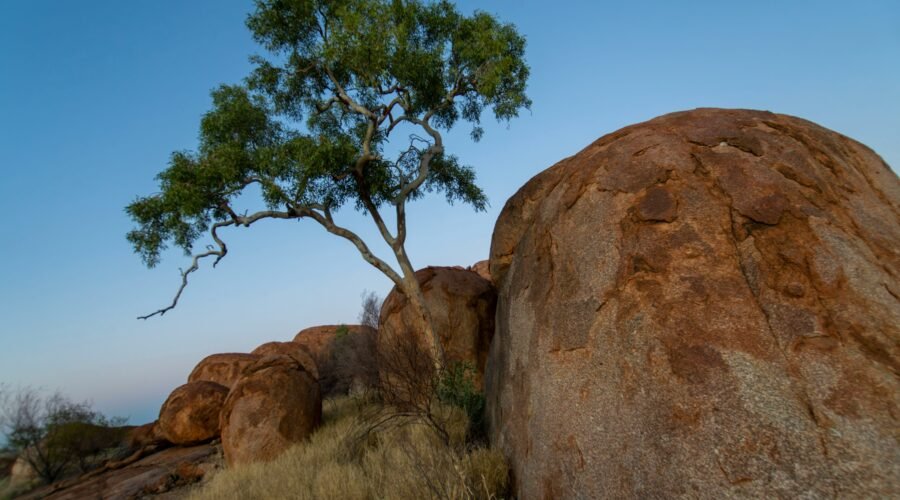
Early morning is one of the best times to explore. Temperatures are lower, the light is softer, and the low sun brings out the red and orange tones of the granite.
Late Afternoon Exploration
Late afternoon is another strong option, especially for photography. Leave enough daylight to return safely along designated tracks and avoid rushing after sunset.
Pro Tip: If you are camping, use late afternoon for your first walk, stay for sunset and the dark sky, then return to the viewpoints shortly after sunrise. This lets you experience Karlu Karlu in its best light without concentrating all your walking in the hottest hours.
Photography
The changing light is one of Karlu Karlu’s biggest visual attractions, particularly around sunrise and sunset.
Golden Hours
The hour after sunrise and the period before sunset can produce warm directional light that highlights the boulders’ shape and texture. Cooler conditions also make it easier to spend time composing photographs.
Sunrise and Sunset Views
Dry-season weather generally improves your chances of clear views, but no season guarantees a dramatic sunrise or sunset. Stay in public areas and follow all cultural and park restrictions while taking photographs.
Wet-Season Drama
Summer storms can produce dramatic skies, but safety comes first. Never place yourself in exposed or flood-prone areas to photograph severe weather, and change your plans if storms or park warnings make conditions unsafe.
Camping and Overnight Stays
Camping is available inside Karlu Karlu / Devils Marbles Conservation Reserve. You must book and pay online before arriving; payment cannot be made at the campground.
Campsite Comfort
May through September provides the most comfortable overnight conditions for many campers, but winter nights can be cold. The campground has basic facilities, and the official fact sheet advises that water and firewood are not supplied, so bring your own necessary supplies.
Packing for the Cold
Bring a sleeping setup suitable for cool desert nights. Even when daytime temperatures are pleasant, temperatures can drop quickly after sunset.
Cultural Significance and Respect
Karlu Karlu is a living cultural landscape and traditional country for the Warumungu, Kaytetye, Alyawarr and Warlpiri people. Almost the entire reserve is a registered sacred site, making respectful behaviour essential.
Respecting Sacred Sites
Traditional Owners ask visitors not to climb the karlu. Remain on designated roads and tracks, obey signs, protect cultural items and wildlife, and leave rocks and natural features undisturbed.
Learning About the Culture
Read the interpretive signs around the reserve and use information approved by Traditional Owners and NT Parks. This helps you understand Karlu Karlu as a cultural landscape rather than viewing the boulders only as a geological attraction.
Before You Go: Access, Facilities, and Park Rules
Karlu Karlu is beside the Stuart Highway about 100 km south of Tennant Creek and roughly 400 km north of Alice Springs. It is accessible by two-wheel-drive vehicle under normal conditions.
Facilities include public toilets, picnic tables, caravan sites, camping areas, information signs, and walking tracks. The campground is relatively simple, so arrive self-sufficient.
- Visitor pass: Interstate and international visitors need an NT Parks Visitor Pass.
- Camping: Book and pay online before arriving.
- Water: Bring your own drinking-water supplies for camping.
- Firewood: Do not rely on firewood being supplied.
- Fires: Fires are allowed only in designated fire pits and may be restricted by conditions.
- Drones: Drones are not permitted.
- Generators: Generators are not permitted.
- Pets: Pets are permitted only in the day-use carpark, where they must be on a lead; they are not permitted in the campground.
- Tracks: Stay on designated roads and walking tracks.
NT Parks also warns that planned and unplanned fires from May to October can affect air quality or park access. Check the official Karlu Karlu / Devils Marbles park page shortly before travelling for current opening information and alerts.
Making Your Choice: A Practical Summary
The best month depends on whether your highest priority is comfortable weather, fewer people, photography, camping, stargazing, or avoiding peak travel periods.
For the Most Comfortable Weather: April to September
This remains the strongest overall choice. Conditions become much cooler from May through August, rainfall is generally low, and outdoor activity is easier than during summer.
Best for Walking and General Exploration
If you want to spend time on the reserve’s designated walks without dealing with extreme daytime heat, aim for the cooler months and still carry plenty of water.
Ideal for Photography
Lower temperatures make sunrise, sunset, and daytime photography more comfortable, while the drier climate improves the odds of clear conditions.
For Fewer Crowds and Good Conditions: April, May, and Dates Outside Peak Holidays
April and May provide a useful compromise as temperatures fall before the height of winter travel. September can also work well outside holiday periods. October may become quieter, but temperatures are already much hotter, so choose it primarily if you tolerate heat well.
Good Balance of Weather and Solitude
Weekdays and dates outside school holidays and long weekends generally give you the best chance of a quieter visit without deliberately choosing the harsh summer season.
Potential Accommodation Deals
Compare accommodation prices for your exact dates. Shoulder periods can offer more availability, but discounts are not guaranteed and mandatory park costs still apply.
For a Quieter but More Challenging Visit: November to March
The hotter, wetter months can be quieter, but that advantage comes with extreme heat, a greater chance of thunderstorms, and less comfortable daytime walking conditions.
For Heat-Tolerant Travellers
Consider summer only if you are prepared to structure your visit around the coolest hours and change plans when conditions become unsafe.
Be Prepared for the Elements
Carry ample water, use strong sun protection, monitor weather and park conditions, and avoid strenuous activity during the hottest part of the day.
For most travellers, April to September is the clear choice, with May through August offering the coolest conditions. Whichever month you choose, treat Karlu Karlu as both a remarkable natural landscape and a culturally significant place: stay on designated tracks, respect the request not to climb the boulders, arrive prepared for remote-area conditions, and make time to experience the sunset and extraordinary night sky.
Frequently Asked Questions
What is the best time to visit Devils Marbles in the Northern Territory?
April to September is generally the best time to visit Karlu Karlu / Devils Marbles. NT Parks recommends these cooler months, when temperatures are more comfortable and rainfall is generally low.
What is the weather like at Devils Marbles throughout the year?
Summer is extremely hot, with mean maximum temperatures around 36–37°C at nearby Tennant Creek in the hottest months and a greater chance of rain. Winter is much cooler and drier, with June and July mean maximums near 25°C and cold nights.
When is Devils Marbles busiest?
May to September is the main visitor season because of the cooler weather. School holidays and long weekends can increase demand further, so visit on weekdays or outside holiday periods if you prefer a quieter experience.
Does it cost money to visit Karlu Karlu / Devils Marbles?
Interstate and international visitors need an NT Parks Visitor Pass. As of September 2026, a one-day pass costs $10 per adult, $5 per child aged 5 to 17, or $25 per family. NT residents are exempt. Camping costs extra.
What can you do at Devils Marbles?
Popular activities include designated short walks, wildlife spotting, photography, sunset viewing, camping, and stargazing. The reserve includes the easy Karlu Karlu Walk, Nyanjiki Lookout, and the longer 4 km Nurrku Walk.
Can you climb the Devils Marbles?
You should not climb the karlu. Traditional Owners ask visitors not to climb the boulders because Karlu Karlu is a culturally significant living landscape and almost the entire reserve is a registered sacred site.
Do I need to book camping at Devils Marbles?
Yes. Campsites must be booked and paid for online before arrival. You cannot pay for your campsite at the reserve, and the campground does not supply water or firewood.
Is Devils Marbles good for stargazing?
Yes. Karlu Karlu was designated an International Dark Sky Sanctuary in August 2026. Its remote location, minimal light pollution, and clear dry-season nights make it an excellent destination for viewing stars and the Milky Way.
Sources
- Northern Territory Government — Karlu Karlu / Devils Marbles Conservation Reserve — official visitor information, best season, camping, access, safety, facilities, cultural guidance, and park rules.
- Northern Territory Government — NT Parks Visitor Pass — current visitor-pass requirements and fees.
- Parks & Wildlife Commission NT — Karlu Karlu Fact Sheet and Map — walking tracks, campground information, facilities, safety, and cultural context.
- Australian Bureau of Meteorology — Tennant Creek Airport Climate Statistics — monthly temperature and rainfall averages used for seasonal comparisons.
- DarkSky International — Karlu Karlu, Australia — 2026 International Dark Sky Sanctuary designation and night-sky information.