Valais works as a year-round destination, but the best time to visit depends on what you want to do. June through September generally gives hikers and sightseers the widest choice of mountain activities, while December through March is the core winter-sports period. For fewer visitors and potentially better accommodation value, May, September, and October are especially useful months to consider.
Quick Answer
For hiking and mountain scenery, visit Valais from June to September, with September offering a particularly good balance of access and lighter crowds. For skiing, December through March is the main season. May and October suit travelers who prefer quieter towns, lower-altitude walks, and potentially better accommodation rates.
Key Takeaways
- Best for hiking: June through September, although individual high-altitude routes can remain snowy or temporarily closed.
- Best for skiing: December through March for the broadest choice, with exact opening and closing dates varying by resort.
- Best balance: September combines generally good hiking access with fewer peak-summer visitors.
- Best for autumn scenery: October brings colorful vineyards and golden larch forests, especially at suitable elevations.
- Best for quieter travel: May and late autumn can be calmer, but some lifts, mountain restaurants, and high trails may be closed.
Valais Weather, Crowds, and Costs by Season
Valais lies in the Swiss Alps, so elevation matters as much as the month on the calendar. Conditions in the Rhone Valley can be very different from conditions around high resorts and mountain passes. MeteoSwiss identifies the inner-Alpine Rhone Valley as one of Switzerland’s relatively dry regions, and parts of Valais are among the country’s sunniest areas.
That sunshine does not make mountain weather predictable. Temperatures fall quickly with altitude, thunderstorms can develop during the warmer months, and snow can remain on high routes well after valleys have turned green.
Summer: Sunshine, Trails, and Alpine Scenery
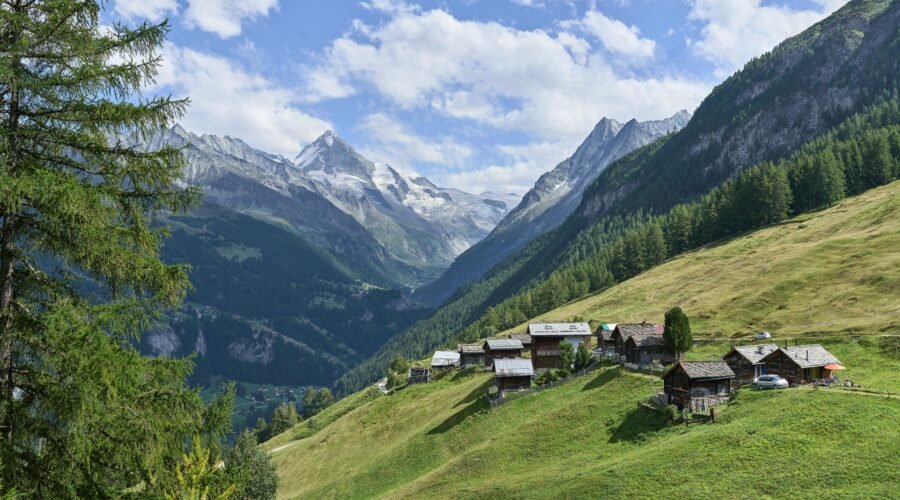
Summer, broadly June through September, is the easiest period for travelers who want extensive hiking, cycling, sightseeing, mountain railways, and long daylight hours. Valais Tourism promotes summer as a major hiking season, with thousands of kilometres of marked routes across the canton.
June to August: Peak Summer Experience
- Weather: Expect mild to warm conditions in lower valleys and much cooler temperatures at altitude. Even when a valley feels hot, exposed mountain areas can be chilly or windy.
- Sunshine: Valais is notably sunny by Swiss standards, but summer thunderstorms are possible, especially later in the day.
- Activities: This is the main period for hiking, mountain biking, panoramic railways, cable cars, alpine lakes, and high-mountain sightseeing.
- Trail access: Summer provides the broadest access, but never assume every trail is open. Snowfields, storms, maintenance, rockfall, landslides, or local construction can affect individual routes.
- Crowds: Zermatt, Verbier, the Aletsch area, and other famous destinations can be busy during school holidays and good-weather weekends.
- Costs: Popular hotels and resorts commonly charge stronger rates during periods of high demand. Booking early gives you more choice, especially for weekends and well-known destinations.
Pro Tip: For summer hiking, start early. You will often get cooler walking temperatures, quieter trails, and more time to finish before any late-day weather develops.
September: Late-Summer Sweet Spot
- Weather: Days become cooler and nights noticeably colder, particularly at elevation.
- Conditions: Many hiking areas remain accessible, while the intense heat of midsummer is less likely.
- Activities: Hiking, cycling, sightseeing, and vineyard experiences remain strong choices.
- Crowds: Visitor pressure often eases compared with July and August, particularly outside weekends and major events.
- Costs: Rates may soften after the busiest summer dates, although there is no guarantee that every destination will be cheaper.
For many first-time visitors who want hiking rather than skiing, September is one of the strongest all-round choices. You still have a good chance of broad summer-style access without relying on the busiest weeks of July and August.
Winter: Snow Sports and Alpine Resorts
Winter turns Valais into one of Switzerland’s major snow-sports regions. Skiing, snowboarding, winter walking, cross-country skiing, sledding, and snowshoeing are available across numerous destinations, although conditions and opening dates vary from one resort to another.
December to February: Core Ski Season
- Weather: Expect cold conditions, with much lower temperatures at high altitude than on the valley floor.
- Snow: December through February falls within the core winter operating period for many resorts, but snowfall cannot be guaranteed on a specific date.
- Activities: Downhill skiing, snowboarding, winter hiking, snowshoeing, cross-country skiing, and resort-based winter activities dominate.
- Crowds: Christmas, New Year, school-holiday periods, and sunny weekends can create particularly strong demand.
- Costs: Accommodation can be expensive during holiday periods and at internationally known resorts.
Check the official Valais winter sports report and the individual resort before booking around opening or closing week. Valais ski areas operate at different elevations, so their seasons do not all begin or finish together.
Warning: Secured ski pistes and marked winter routes are different from backcountry terrain. If you plan to ski, snowshoe, or tour outside secured areas, check the current SLF avalanche bulletin. Travelers without avalanche-assessment experience should remain on secured routes or go with a qualified guide.
March: Longer Days and Spring Skiing
- Weather: Daylight increases and sunny days can feel much warmer, particularly at lower elevations.
- Snow: Higher resorts can still have substantial snow, but conditions vary with altitude, recent weather, slope orientation, and the season’s overall snowpack.
- Activities: Skiing remains the main attraction in operating resorts, while lower valleys may begin shifting toward spring walking and cycling.
- Crowds: Demand varies around school holidays, weekends, events, and weather.
- Costs: Accommodation may become better value outside busy dates, but ski passes and resort pricing are destination-specific.
The Shoulder Seasons: Best of Both Worlds?
Spring and autumn can offer a quieter Valais experience, but they are transition seasons. The trade-off for fewer visitors can be reduced lift schedules, closed mountain restaurants, snow-covered high trails, or rapidly changing weather.
Spring: Reawakening and Green Valleys
During April and May, lower valleys can look and feel like spring while the high mountains remain firmly wintry. That contrast is one of the defining characteristics of a spring trip to Valais.
April: A True Transition Month
- Weather: Conditions can change quickly between mild valley sunshine, rain, cold spells, and fresh mountain snow.
- Mountains: Many high hiking routes remain unsuitable because of snow.
- Skiing: Some resorts may still operate, but closing dates differ significantly. Do not assume that every ski area closes at the same point in April.
- Activities: Lower-altitude walking, towns, vineyards, thermal baths, museums, and food-focused trips can work well.
- Crowds and costs: This can be quieter than the main ski and summer periods, but Easter, events, and individual resort schedules can affect both availability and price.
May: Green Valleys and Expanding Hiking Options
- Weather: Valley conditions become milder as spring advances, while high-altitude temperatures remain much cooler.
- Landscape: Lower areas become green and spring flowers appear across many valley and hillside locations.
- Activities: Valley walks, vineyard trails, cycling, sightseeing, and photography become increasingly attractive.
- Mountain access: Some mid-altitude routes and lifts begin moving toward summer operation, but schedules vary by destination.
- Crowds: Generally easier than peak summer, although holiday weekends can still be busy.
Note: In May, never judge a mountain route solely by conditions in the valley. A trail that looks green from town may still cross snow higher up.
Autumn: Golden Larches, Vineyards, and Cooler Air
Autumn is one of the most visually distinctive periods in Valais. Vineyards change color, larch forests turn gold, daylight shortens, and evenings become noticeably colder.
October: Autumn Color and Quieter Trails
- Weather: Expect cooler conditions and the possibility of frost overnight, particularly outside the lowest valleys.
- Scenery: Golden larch forests and colorful vineyards make autumn particularly attractive for walking and photography.
- Activities: Lower and mid-altitude hiking, vineyard walks, food experiences, sightseeing, and wine tourism are strong choices.
- Lift access: Some mountain transport remains available while other routes enter maintenance or off-season schedules. Check your specific destination.
- Crowds: Many places feel calmer than in midsummer.
- Costs: Accommodation can offer better value than the busiest summer dates, but prices remain dependent on destination, events, and weekends.
September and October also overlap with the grape-harvest period in Valais. Exact timing changes with the year, weather, grape variety, and vineyard.
November: Quiet Transition Toward Winter
- Weather: Colder, shorter days become the norm, and snow becomes increasingly possible at higher elevations.
- Activities: Cultural attractions, towns, thermal baths, restaurants, and lower-altitude outings are safer bets than planning a lift-dependent mountain itinerary.
- Operations: Some mountain facilities may close for maintenance between the summer and winter seasons.
- Crowds: November is generally a quieter transition period outside specific events.
- Costs: Good accommodation rates can appear, but compare your exact dates rather than assuming that every property is cheapest in November.
Best Time to Visit Valais by Travel Style
Your ideal month becomes easier to choose when you start with the activity that matters most.
| Priority | Best Period to Consider | Main Trade-off |
| Hiking and mountain scenery | June–September | July and August can be busy. |
| Skiing and snowboarding | December–March | Holiday periods are expensive and snow varies by resort. |
| Lower crowds with good outdoor access | September | Days become shorter and nights cooler. |
| Autumn colors and wine | September–October | Some seasonal lifts and restaurants begin closing. |
| Quieter valley-based trip | May or November | Mountain access can be limited. |
Deciding Your Ideal Valais Trip: Key Considerations

There is no single perfect month for every Valais trip. Weather, altitude, operating schedules, activities, crowd tolerance, and budget all affect the best choice.
What Are Your Activity Priorities?
- Hiking and mountain biking: June through September offers the widest choice. September is particularly appealing if you want to reduce peak-summer crowds.
- Skiing and snowboarding: December through March is the safest general planning window, but always verify the selected resort’s opening dates and current conditions.
- Sightseeing: Summer offers long days and broad mountain access; autumn adds colorful forests and vineyards; winter provides snow-covered scenery.
- Wine tourism: September and October are especially interesting around the harvest season, although cellar activities are available more broadly.
- Quiet valley trips: May and November can work well if mountain-lift access is not your priority.
How Do You Feel About Crowds?
- Want the quietest practical experience: Look at transition periods such as May, late October, or November, while checking seasonal closures.
- Want good access without peak-summer intensity: September is a strong choice.
- Do not mind a lively atmosphere: July and August provide broad summer activity choices, while Christmas/New Year and major winter holiday periods bring the classic ski-resort atmosphere.
What’s Your Budget?
- Tighter budget: Compare dates in May, late autumn, and non-holiday spring periods. Reduced demand can produce better rates, although this is not universal.
- Mid-range: September and October can offer a useful compromise between access, scenery, and demand.
- Flexible budget: Peak summer and prime winter periods provide the widest range of seasonal services but often come with stronger demand and accommodation prices.
Do not choose dates based on room price alone. A cheap hotel becomes poor value if the lift, trail, restaurant, or attraction you planned to use is closed for seasonal maintenance.
Practical Tips for Your Valais Visit

A little preparation makes a major difference in an Alpine destination because weather and operating conditions can change much faster than they do on a city break.
Accommodation Booking
Book early for popular resorts such as Zermatt and Verbier when traveling during summer holidays, ski holidays, Christmas, New Year, or major events. If you are traveling in a shoulder season, compare cancellation policies as well as price because changing weather can affect mountain plans.
Many Valais destinations provide their own guest cards or visitor benefits through participating accommodation. Benefits vary by destination, season, and length of stay, so check the card offered by your hotel or tourism office rather than assuming one canton-wide pass covers everything.
Public Transportation
Valais is well connected by Switzerland’s rail and bus network, and many mountain destinations can be reached without renting a car.
The Swiss Travel Pass is designed for international visitors and covers eligible train, bus, boat, and local public-transport journeys within its network. Most mountain railways and cableways are not simply “free with the pass”; many instead offer a discount, while certain mountain journeys are included. Check the current validity map before buying if mountain transport will be a major part of your itinerary.
Packing Smart
Pack for elevation changes rather than only the forecast in your hotel town. Layers, a waterproof outer layer, sturdy footwear, sun protection, and drinking water are useful for mountain outings even in summer.
UV exposure becomes stronger at altitude, and mountain weather can change rapidly. For demanding hikes, check the route, elevation profile, weather forecast, seasonal conditions, and return transport before starting.
Warning: Do not walk onto a glacier as if it were a normal hiking trail. Glacier travel involves crevasses and other alpine hazards and may require specialist equipment, knowledge, and professional guiding.
Check Live Conditions
Weather, snow, trails, and lifts are more useful than historical averages once your trip is close. Check the local tourism office or lift operator before a mountain day. In winter, use the current Valais snow report for resort status and the SLF avalanche bulletin when your plans involve unsecured terrain.
Local Cuisine
Valais is strongly associated with raclette, fondue, dried meat such as Viande séchée du Valais, rye bread, fruit, and wine. Mountain restaurants, village restaurants, vineyard experiences, and local food events can add worthwhile indoor or low-altitude options when the weather limits a hiking day.
Overall, summer and winter remain the two main activity seasons, but they are not automatically the best choice for every traveler. September is particularly strong for hiking with a calmer atmosphere, October stands out for autumn scenery and wine experiences, and May can be rewarding for lower-altitude exploration before full summer operations begin.
Frequently Asked Questions
What is the best overall time to visit Valais, Switzerland?
September is one of the best all-round months if your priorities are hiking, scenery, and avoiding the busiest part of summer. June through August provides broader summer activity access, while December through March is better for skiing.
What is the best time to visit Valais for good weather?
For warmer outdoor conditions, June through September is the most practical period. Remember that Valais covers large elevation differences, so temperatures and weather at a mountain station can be very different from conditions in the Rhone Valley.
When is peak tourist season in Valais?
Valais has two major high-demand periods: the summer holiday season, particularly July and August, and the winter ski season, especially Christmas, New Year, school-holiday weeks, and popular ski weekends.
What is the shoulder season in Valais?
May, September, and October are particularly useful shoulder-season choices for many travelers. April and November are deeper transition months, when reduced crowds may come with more limited lift, trail, restaurant, or resort operations.
When can visitors find lower accommodation prices in Valais?
Better rates are often easier to find outside major ski holidays and the busiest summer weeks. May and late autumn can be worth checking, but prices depend on the destination, day of the week, events, and whether local seasonal attractions are operating.
Is October a good month to visit Valais?
Yes, especially for autumn scenery, vineyard walks, wine experiences, photography, and lower- or mid-altitude hiking. The trade-off is that some cable cars and seasonal mountain businesses may reduce operations, so check your planned routes before booking.
Is snow guaranteed in Valais during winter?
No natural snowfall can be guaranteed for a particular trip. Valais has many high-altitude ski areas, but snow depth and open terrain vary by resort, elevation, weather, and date. Check the official snow report and your chosen ski area’s live status before traveling.
Sources
- MeteoSwiss — The Climate of Switzerland — climate, precipitation, sunshine, and regional Alpine weather differences.
- Valais/Wallis Promotion — Hiking in Valais — official hiking information and the scale of the marked trail network.
- Valais/Wallis Promotion — Winter Sports Report — current ski-area openings, snow information, and resort-specific season dates.
- SBB — Swiss Travel Pass — current public-transport coverage and mountain-transport benefits.
- WSL Institute for Snow and Avalanche Research SLF — avalanche forecasts and winter backcountry safety information.