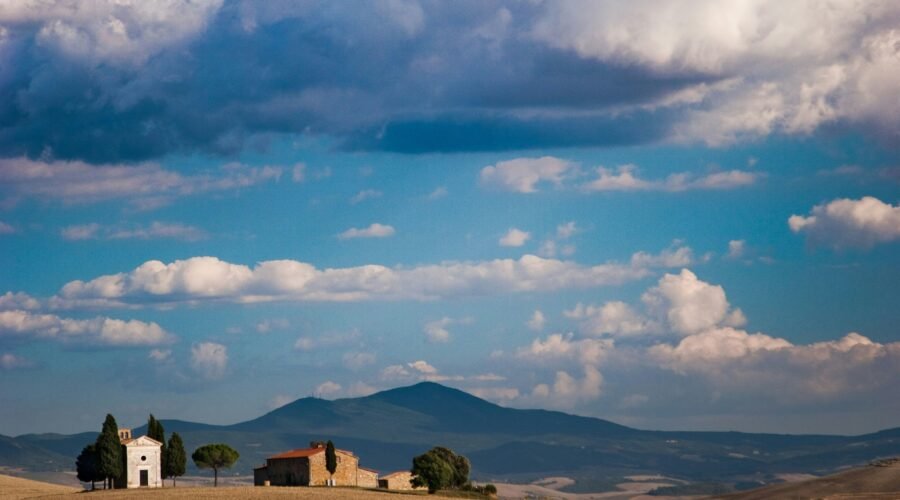
So, you’re dreaming of Tuscany—rolling hills, cypress-lined roads, Renaissance cities, great food, and perhaps a glass of Chianti. For most travelers, the best time to visit Tuscany is May to early June or late September through October. You get comfortable sightseeing weather and beautiful countryside, although these popular months are not always cheap or crowd-free.
Quick Answer
For the best balance of weather, scenery, and activities, visit Tuscany in May, early June, late September, or October. Choose April or late October for lighter crowds, July and August for beaches and festivals despite the heat, and November through February for quieter cities and better chances of lower accommodation rates.
Key Takeaways
- Best overall: May to early June and late September to October for comfortable temperatures and active countryside.
- Best for fewer crowds: April, late October, November, January, and February, outside major holidays and events.
- Best for wine: September and October, when the grape harvest takes place across much of Tuscany.
- Best for beaches: June through September, with July and August bringing the hottest weather and busiest coastal resorts.
- Best for value: Late autumn and winter usually offer better accommodation availability, but Christmas and New Year can create temporary demand spikes.
Understanding Tuscany’s Seasons
Tuscany has four distinct seasons, but the region is too varied for one temperature range to describe every destination. Florence, Siena, Chianti, Val d’Orcia, the Tuscan coast, and the Apennines can experience noticeably different conditions. The official Visit Tuscany weather guide notes that conditions vary from north to south and from the coast to the mountains.
That means the best month for a Florence museum trip may not be the best month for a beach holiday or a hiking trip. Think about what you want to do first, then choose the season.
Spring: April to Early June
Spring is one of Tuscany’s most rewarding seasons. The hills become intensely green, flowers appear across the countryside, and daytime conditions are generally more comfortable for walking and sightseeing than in midsummer.
Weather in Spring
April can alternate between mild sunshine and cooler, rainy periods. By May, warmer weather becomes more dependable. Visit Tuscany notes that warmer daytime temperatures during April, May, and June commonly fall around 15°C to 25°C (59°F to 77°F), although elevation and location make a difference.
Early June often remains comfortable, but hotter summer conditions can begin to develop. Evenings in the countryside can still feel cool, so bring a light jacket or sweater.
Crowds in Spring
April is generally calmer than May and June, but Easter and national holidays can temporarily increase demand. Italy observes Liberation Day on April 25 and May Day on May 1, when some businesses and services may follow holiday schedules.
May is especially popular because the countryside is green and the weather is comfortable. Do not assume that May is a quiet or inexpensive “shoulder” month in Florence, Siena, or famous wine areas.
Costs in Spring
Accommodation and airfare often become more expensive as demand increases toward May and June. Rates vary widely by city, weekday, event calendar, and how early you book. April outside Easter and other holiday periods can provide a better balance between price and weather.
Activities and Events in Spring
This is prime time for hiking, cycling, gardens, countryside drives, hill towns, and city sightseeing. Seasonal food festivals, known as sagre, also appear in towns across the region.
If your trip is mainly about walking, cycling, Florence sightseeing, or photographing Tuscany while the hills are green, spring is one of the strongest choices.
Summer: Mid-June to August
Summer delivers long days, lively evenings, festivals, and ideal beach weather. It also brings Tuscany’s most challenging heat.
Weather in Summer
July and August are generally the hottest months. Official regional tourism guidance notes that temperatures during the hottest periods can reach well above 30°C (86°F), with some locations experiencing much higher readings.
Inland cities such as Florence and Siena can feel especially hot during the afternoon. Plan major outdoor sightseeing for early morning or later in the day, take water breaks, and leave some flexibility in your schedule.
The coast offers better access to swimming and sea breezes, while the mountains provide cooler alternatives for outdoor activities.
Crowds in Summer
Summer is a major tourism period, particularly from mid-June through August and into September. Florence’s headline attractions, Siena, San Gimignano, famous wine areas, and popular coastal towns can become very busy.
August 15 is Ferragosto, the Assumption holiday. Many Italians travel during August, and some independently owned shops, restaurants, and other businesses close for part of the month. Tourist-oriented businesses usually operate according to local demand, so check individual opening hours rather than assuming everything is closed.
Costs in Summer
Hotels, popular agriturismi, flights, and rental cars can command high rates when demand is strong. Prices are particularly sensitive to weekends, festivals, coastal holidays, and major events. Reserve early if you need a specific property, automatic rental car, or centrally located hotel.
Activities and Events in Summer
Outdoor concerts, festivals, open-air dining, markets, and evening passeggiate give Tuscany a lively atmosphere after sunset.
The Palio di Siena is traditionally scheduled for July 2 and August 16 in Piazza del Campo. Weather or other circumstances can affect the actual running date, so verify the current schedule before building a trip around it.
Summer is also the natural choice for the Tuscan coast, including Versilia, Maremma, Argentario, and the Tuscan Archipelago.
Pro Tip: If you want a summer atmosphere without the most intense July-August heat, consider the first half of June or September. Both can still be busy, so reserve major attractions and highly rated accommodation early.
Autumn: September to November
Autumn combines warm early-season weather with wine, olive oil, truffles, mushrooms, chestnuts, and changing vineyard colors. For food and wine travelers, it may be Tuscany’s most interesting season.
Weather in Autumn
September often remains warm, while October brings cooler days and chillier evenings. Rain becomes more likely as autumn progresses, and official regional guidance identifies November as one of the wetter parts of the year.
Pack layers and a compact rain jacket rather than assuming every autumn day will be dry.
Crowds in Autumn
September remains highly popular, especially in Florence, Chianti, Val d’Orcia, and major hill towns. Visitor levels generally ease as October progresses, although weekends and harvest-related events can still be busy.
November feels considerably quieter in many areas.
Costs in Autumn
September should not automatically be treated as a bargain month. Good weather and wine tourism keep demand strong in many destinations. October can offer more opportunities for lower rates, particularly later in the month, while November is generally easier on the budget outside special events.
Activities and Events in Autumn
September and October are important grape-harvest months. According to Visit Tuscany’s guide to the vendemmia, the exact timing changes each year according to weather and grape maturity.
Olive harvesting begins in autumn as well, commonly from October onward depending on location and producer. Freshly pressed olive oil, truffle fairs, mushroom dishes, chestnuts, wine festivals, and vineyard tours all add to the season.
Annual events include wine celebrations in areas such as Greve in Chianti and Impruneta, while San Miniato is known for its white-truffle events in November. Exact dates should always be confirmed for the year you travel.
Note: Seeing the grape harvest is easy; working in a commercial harvest is different. Visit Tuscany explains that actual vineyard workers must be properly contracted and insured. Some organized winery experiences may let visitors observe the harvest or perform limited symbolic grape picking.
Winter: December to March
Winter is often overlooked, but it can be a smart choice for museums, food, thermal spas, quieter towns, and travelers who value lower demand more than warm weather.
Weather in Winter
December, January, and February are Tuscany’s coolest months. Inland areas can experience frost, while higher elevations may receive snow. Coastal areas are generally milder than the mountains and inland highlands.
Rain and gray days are possible, so waterproof shoes and a warm layer are useful.
Crowds in Winter
Outside holiday periods, this is generally the quietest time of year. Florence still receives year-round tourism, while many smaller towns feel much calmer.
Christmas and New Year are important exceptions. Popular cities, festive markets, and holiday destinations can experience a temporary increase in visitors, and accommodations may need to be booked ahead.
Costs in Winter
Winter often provides some of the year’s best opportunities for lower hotel rates and greater room availability. Savings are less predictable around Christmas, New Year, Carnival events, and popular spa weekends.
Activities and Events in Winter
Winter works particularly well for museums, galleries, churches, thermal spas, long lunches, wine tasting, and traditional Tuscan food. Some attractions and rural businesses operate shorter hours, so check schedules before making a long drive.
Viareggio Carnival is one of the region’s major winter events, with its famous large papier-mâché floats and parades. Dates vary from year to year.
How Tuscany Changes by Area
Choosing your dates becomes easier when you separate Tuscany into three broad travel environments.
Florence, Siena, and Inland Hill Towns
Spring and autumn are usually the most comfortable periods for walking. July and August can be very hot, particularly during afternoon sightseeing. Winter is well suited to museums and urban trips if you are comfortable with cooler, wetter weather.
The Tuscan Coast and Islands
June through September is the main beach period. July and August deliver the hottest weather and busiest resort atmosphere. Late May, June, and September are attractive alternatives if your goal is to combine the coast with sightseeing.
Mountains and Higher Elevations
The Apennines and other higher areas are cooler than Florence and the central hills. Summer can therefore work well for hiking, while winter brings opportunities for snow activities in appropriate mountain areas.
Tuscany Month by Month
| Month | Typical Feel | Crowds / Demand | Best For |
| January | Cold, quiet, possible rain | Low after New Year | Museums, food, value |
| February | Cool winter weather | Low, except events | Cities, Carnival, spas |
| March | Variable; spring beginning | Low to moderate | Quiet sightseeing |
| April | Mild with possible showers | Moderate; Easter can spike | Walking, green countryside |
| May | Comfortably warm | High in popular areas | Best all-round conditions |
| June | Warm to hot | High and rising | Countryside, coast, events |
| July | Hot | Very high in major destinations | Beaches, festivals, evenings |
| August | Hot; Ferragosto period | Very high at the coast and attractions | Beaches, Palio, summer atmosphere |
| September | Warm and increasingly comfortable | High early in month | Wine, food, sightseeing |
| October | Mild to cool | Moderate, easing later | Harvest food, photography, walking |
| November | Cooler and wetter | Low | Truffles, olive oil, cities |
| December | Cool winter conditions | Low to moderate; holidays busier | Festive cities, food, museums |
Best Time for Specific Activities
Your ideal travel time depends on what you want to do in Tuscany. A wine-focused holiday, cycling trip, Florence city break, and beach vacation each have a different sweet spot.
For Wine Enthusiasts
September and October are particularly rewarding because grape harvesting and harvest-related events take place across the region. Exact dates vary by vineyard and weather.
You can visit wineries, book tastings, watch harvest activity, and attend wine festivals. If you want a harvest-style experience, arrange it through a winery or authorized tour rather than assuming visitors can join commercial vineyard work.
Spring, especially May and early June, is another excellent time for winery visits because outdoor tasting conditions are usually comfortable.
For Outdoor Activities: Hiking and Cycling
April-May and September-October provide some of the best conditions for hiking and cycling. Temperatures are normally easier to manage than in midsummer, and the countryside is particularly attractive.
Early June can also work well, but check the forecast and plan harder routes earlier in the day when temperatures rise.
For Photography
April and May bring green hills, spring growth, and wildflowers. Late September and October bring harvest activity and changing vineyard colors.
Early morning and late afternoon usually provide more flattering light than the harsh midday sun of summer.
For Foodies
Tuscany’s food scene is strong throughout the year, but September through November brings an exceptional concentration of seasonal products. Expect grape harvests, new wine, freshly pressed olive oil, mushrooms, chestnuts, and truffles depending on location and timing.
Spring has its own seasonal ingredients, including artichokes and asparagus.
For Budget Travelers
November through February generally provides the best chance of finding lower accommodation rates and wider availability, particularly outside Christmas and New Year.
Early April and late October can provide a better compromise if you want milder weather without the strongest high-season demand.
For Avoiding Crowds
January, February, November, and parts of March are among the quietest periods. Early April and late October are better options if you want relatively manageable visitor levels with more favorable outdoor weather.
Even in winter, do not expect major Florence attractions to be empty, and holiday weekends can change crowd levels quickly.
For Beaches
June through September is the main period for a Tuscan beach trip. July and August offer the hottest weather but also the busiest resorts. June and September are better choices if you want to combine beach time with Florence, Siena, or the countryside.
For Museums and City Breaks
November through March can be excellent for Florence, Pisa, Lucca, and Siena if museums, churches, restaurants, and architecture matter more than countryside weather.
You will trade long summer evenings for shorter opening schedules at some attractions, so verify hours before making day trips.
Planning Your Tuscan Trip: Practical Tips
Booking Accommodation
Book well ahead if you’re traveling in May, June, September, summer weekends, major event periods, or public holidays. Popular agriturismi, villas, and small countryside hotels may have limited inventory even when a month is described as “shoulder season.”
If your dates are flexible, compare weekdays with weekends and check several nearby towns. A short drive can make a noticeable difference in availability.
Transportation
A rental car is extremely useful for exploring Chianti, Val d’Orcia, rural wineries, small villages, and countryside accommodation. If your itinerary mainly includes Florence, Pisa, Lucca, and other rail-served cities, trains may be simpler than driving and parking.
Warning: Do not drive casually into historic city centers. Florence and several other Italian cities use restricted-traffic zones, or ZTLs, that may be monitored by automatic license-plate cameras. Check current signs and official access rules before entering with a rental car.
Florence’s official tourism site publishes current ZTL information for drivers. If you rent a car, also confirm parking arrangements with your hotel or agriturismo before arrival.
Public Holidays and Closures
Public holidays can affect opening hours, transportation demand, and hotel availability. Important nationwide dates include April 25, May 1, June 2, August 15, November 1, December 8, December 25, and December 26, along with Easter and Easter Monday.
Local patron-saint festivals and major events may also create closures or unusually heavy crowds in individual towns.
What to Pack
- Spring: Layers, T-shirts, long-sleeved tops, a light jacket, comfortable walking shoes, and rain protection.
- Summer: Lightweight breathable clothing, sun hat, sunglasses, sunscreen, comfortable walking shoes, and a refillable water bottle.
- Autumn: Layers, a light-to-medium jacket, walking shoes, and a compact rain jacket or umbrella.
- Winter: Warm layers, a substantial jacket or coat, scarf, and waterproof footwear.
Language
English is widely used in many tourism businesses, but learning a few Italian words such as buongiorno (good morning), per favore (please), grazie (thank you), and scusi (excuse me) makes everyday interactions easier and is appreciated.
Note: If you’re comparing how weather, crowds, and costs affect other destinations, the existing guides on visiting Birmingham, Alabama and the best time to visit Dalyan, Mugla cover the same planning factors for those destinations.
Conclusion
For most travelers, the best time to visit Tuscany is May to early June or late September through October. These periods combine attractive countryside, comfortable sightseeing conditions, and a full range of food, wine, cultural, and outdoor experiences.
If lighter crowds and lower accommodation demand matter more, look at April, late October, November, January, or February. If beaches and summer festivals are your priority, June through August makes more sense—just plan around the heat and heavier visitor numbers.
There is no single perfect month for every Tuscany trip. Match the season to your priorities, check event and holiday dates before booking, and you’ll have a much better chance of seeing the Tuscany you actually came for. Buon viaggio!
Frequently Asked Questions
What is the best overall time to visit Tuscany?
May to early June and late September through October usually provide the strongest balance of comfortable weather, countryside scenery, sightseeing, food, wine, and outdoor activities. These are popular months, however, so they are not guaranteed to be cheap or uncrowded.
What is the best time to visit Tuscany for good weather?
May, early June, late September, and early October are among the most comfortable periods for general sightseeing. April is cooler and more changeable, while July and August can be very hot inland.
When is Tuscany most crowded?
Visitor demand is heavy during summer and can also be substantial in May, June, September, Easter, major public holidays, and special-event weekends. Florence and famous hill towns can remain busy even outside July and August.
What is the cheapest time to visit Tuscany?
November through February generally offers the best chance of lower accommodation rates and wider availability. Christmas, New Year, Carnival events, and popular weekends can temporarily raise demand.
When is the grape harvest in Tuscany?
The Tuscan grape harvest, or vendemmia, generally takes place in September and October. Exact timing depends on the vineyard, grape variety, weather, and ripeness in a particular year.
When is the Palio di Siena?
The two traditional Palio races are scheduled for July 2 and August 16. Weather or exceptional circumstances can lead to postponements, so check the official Siena Palio schedule before traveling specifically for the race.
Do I need a rental car in Tuscany?
A car is very useful for vineyards, Val d’Orcia, Chianti, rural agriturismi, and small villages. It is less useful for a city-focused trip because trains connect many major destinations and historic centers may have restricted-traffic zones.
Is Tuscany worth visiting in winter?
Yes. Winter is particularly good for museums, historic cities, thermal spas, Tuscan food, wine, and quieter sightseeing. The tradeoffs are cooler weather, shorter daylight, more rain, and reduced hours at some rural attractions.
Sources
- Visit Tuscany — What’s the weather like in Tuscany? — regional weather, seasonality, crowds, and temperature guidance.
- Visit Tuscany — Grape harvest time in Tuscany — vendemmia timing and visitor participation guidance.
- Visit Tuscany — Top annual events in Tuscany — wine, olive, truffle, and seasonal event information.
- Comune di Siena — Palio di Siena — official traditional Palio dates.
- Italia.it — Public holidays in Italy — national holiday dates that can affect travel plans.
- FeelFlorence — By car in Florence: ZTL — official restricted-traffic-zone guidance for Florence.