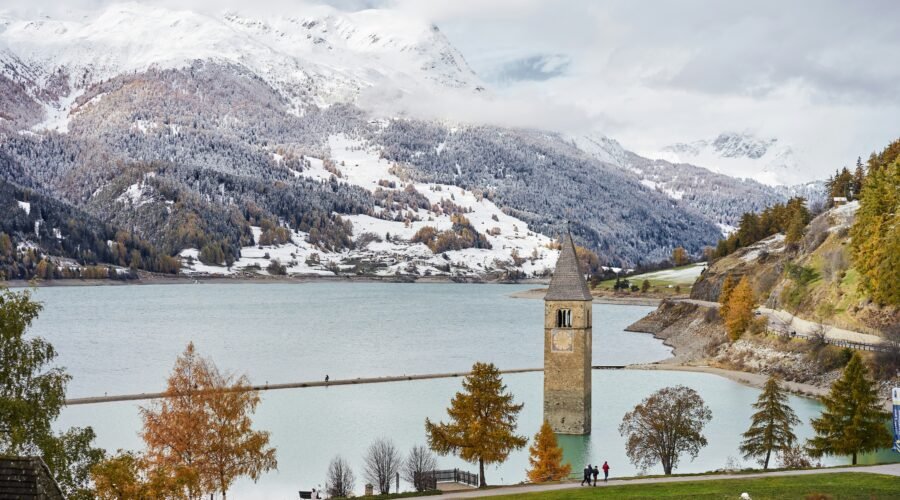
The best time to visit Trentino-Alto Adige/Südtirol depends on whether you want hiking, skiing, food and wine, city sightseeing, or the lowest practical trip costs. For the best overall balance, late May to early June and September to early October are hard to beat. You get milder conditions, fewer visitors than midsummer, and generally better accommodation value, although high-elevation trails and lifts can still be seasonal.
Quick Answer
Visit in late May to early June for green valleys, spring flowers, and lighter crowds, or choose September to early October for comfortable hiking weather, harvest scenery, and fewer visitors. July and August offer the widest mountain access but heavier demand, while December through March is best for skiing and winter activities.
Key Takeaways
- Best overall balance: late May to early June and September to early October.
- Best for high-mountain hiking: generally July through September, subject to snow, storms, trail conditions, and lift schedules.
- Best for skiing: the core winter period from December through March, with some resorts operating into April when conditions allow.
- Busiest periods: July-August, Christmas/New Year, and popular ski weeks.
- Important shoulder-season catch: May, late October, and November can be quieter, but some cable cars, mountain huts, and high trails are closed.
Weather in Trentino-Alto Adige/Südtirol
Trentino-Alto Adige/Südtirol is an Alpine region made up of two autonomous provinces: Trentino, centered on Trento, and South Tyrol/Südtirol, centered on Bolzano/Bozen. You should not treat the whole region as having one uniform climate. Valley floors, lakes, high passes, ski areas, and Dolomite plateaus can experience very different conditions on the same day.
Note: Monthly temperature numbers for Trento or Bolzano are useful only as valley-level references. If your plans include the Dolomites, high passes, via ferrata routes, or alpine refuges, check the forecast and trail conditions for the exact elevation you will visit.
General Weather Trends
Expect warm summers in the valleys, colder conditions at altitude, snowy winters in the mountains, and highly changeable transition seasons. Spring gradually opens lower hiking routes while snow can remain higher up. Autumn often brings crisp hiking days, but daylight becomes shorter and high-elevation snow can return.
For current forecasts and measured conditions in Trentino, consult MeteoTrentino’s official meteorological analyses. For South Tyrol, check the local forecast for the specific valley or mountain area before setting out.
Alpine vs. Valley Weather
What is happening in Bolzano or Trento can be very different from conditions above 2,000 metres in the Dolomites. Higher elevations are normally cooler and more exposed to sudden wind, thunderstorms, lingering snowfields, and early-season or late-season snowfall.
Warning: Never choose a mountain route from a valley-city forecast alone. Check the mountain forecast, trail status, lift schedule, and refuge opening before committing to a high-altitude hike.
If you are comparing how seasonality affects very different destinations, the site’s existing guide to the best time to visit Safranbolu, Karabuk uses a similar weather, crowds, and costs framework. Its climate should not be used as a substitute for local Alpine forecasts.
Seasonal Breakdown: Pros and Cons
Each season works for a different kind of trip. The biggest planning mistake is choosing a quiet month without checking whether the mountain infrastructure you need is actually operating.
Spring (April-June)
Spring is a transition period. Valleys turn green well before the highest mountain routes become summer-ready.
April: Thaw and Awakening
- Weather: Expect variable conditions. Valley towns can feel pleasantly springlike, while higher elevations may remain wintry and receive fresh snow.
- Crowds: Usually low outside Easter and special events. The main winter rush is winding down, while the summer hiking season has not fully begun.
- Costs: Often better than peak winter or summer, although holiday dates can temporarily raise demand.
- What to Expect: Valley walks, towns, museums, cycling routes, orchards, and lower trails are better bets than high alpine hiking. Mud, snow, and closed refuges can limit mountain plans.
May: Greenery and Blossoms
- Weather: Valleys become noticeably milder, vegetation fills out, and snow retreats higher into the mountains. Rain and abrupt weather changes are still possible.
- Crowds: Generally low to moderate, with increases around weekends and public holidays.
- Costs: Often good value compared with July, August, and core ski weeks.
- What to Expect: This is an excellent month for valley cycling, lower- and mid-elevation walks, villages, orchards, and photography. High trails may still hold snow.
Pro Tip: If you book May mainly to save money, confirm that the cable car or mountain refuge central to your itinerary is open. Official South Tyrol guidance says many lift systems have a summer season beginning around late May, while May is also a common maintenance period.
June: Early Summer Charm
- Weather: Longer days and warmer valley conditions make June attractive for active trips, but afternoon thunderstorms can develop in mountain areas.
- Crowds: Moderate and increasing as the month progresses.
- Costs: Usually higher than April or May but often below the main July-August peak.
- What to Expect: Many hiking and mountain-bike routes become accessible, but do not assume every high trail is clear. Snowfields, storm damage, maintenance, or delayed openings can still affect specific routes.
Summer (July-August)
Summer offers the broadest choice of mountain activities, operating lifts, refuges, festivals, and long daylight hours. The trade-off is demand.
July: Peak Mountain Season
- Weather: Valley areas can become hot, while mountain elevations are cooler. Sunny mornings can give way to thunderstorms later in the day.
- Crowds: High at major Dolomite viewpoints, famous lakes, popular trails, cable cars, and resort towns.
- Costs: Accommodation demand is strong, so early booking is sensible in the most popular areas.
- What to Expect: July is one of the strongest months for high hiking, via ferrata, hut-to-hut trips, mountain biking, lakes, and outdoor events. Start mountain days early to reduce both heat and thunderstorm risk.
South Tyrol alone recorded more than 5.45 million overnight stays in July 2026, according to ASTAT, illustrating how substantial midsummer tourism demand can be.
August: Summer Buzz Continues
- Weather: Similar to July, with warm valleys, pleasant high-country conditions, and the possibility of afternoon storms.
- Crowds: Very high around popular destinations, particularly near the Italian Ferragosto holiday on August 15.
- Costs: Usually among the higher periods of the year in major summer destinations.
- What to Expect: Nearly every major summer activity is available, but parking, restaurants, lifts, and famous trails can feel busy. Reserve critical accommodation and activities well ahead.
Autumn (September-November)
Autumn can offer the region’s best combination of walking conditions, scenery, harvest culture, and reduced visitor pressure, but the practical window narrows as lifts and refuges close.
September: Comfortable Hiking and Harvest Season
- Weather: Often comfortable for walking, with cooler mornings and evenings than midsummer. Mountain weather remains changeable.
- Crowds: Usually ease after the main summer holiday period, although famous Dolomite locations remain popular on good-weather weekends.
- Costs: Can improve compared with peak summer as demand softens.
- What to Expect: September is one of the strongest all-round months for hiking, cycling, photography, vineyards, orchards, and food-focused travel. Harvest activities begin, while the main traditional Törggelen period follows in October.
October: Törggelen and Autumn Color
- Weather: Cooler days, cold evenings, shorter daylight, and a growing chance of snow at high elevation.
- Crowds: Generally lower than summer, although autumn food events and sunny weekends can attract visitors.
- Costs: Often attractive, particularly after major summer demand ends.
- What to Expect: October is the heart of South Tyrol’s Törggelen season, with new wine, chestnuts, farm inns, and hearty regional dishes. Lower and mid-elevation hiking can still be excellent.
October also marks the end of the main summer operating period for many mountain lifts. According to South Tyrol’s official lift guidance, most lift facilities have a summer season from roughly late May to mid-October, although exact dates differ by system.
November: Quiet Transition
- Weather: Cold, with increasingly wintry conditions in the mountains and shorter days throughout the region.
- Crowds: Often very low in mountain destinations before the winter season begins, while towns can become busier once Advent events start.
- Costs: Resort accommodation can be inexpensive during the seasonal pause, but prices vary and festive-market destinations may follow a different pattern.
- What to Expect: November is best for quiet towns, wellness stays, food traditions, and a slower trip rather than a first-choice high-mountain holiday. Many lifts and seasonal businesses use this period for maintenance or closure.
Winter (December-March)
Winter changes the focus from hiking to skiing, snowboarding, snowshoeing, cross-country skiing, Christmas markets, and mountain scenery. Demand can be very high, so winter should not automatically be treated as a budget season.
December: Festive Start to Winter
- Weather: Cold, with winter conditions established in the mountains. Snow on warmer valley floors is less dependable than at elevation.
- Crowds: Early December can be relatively calm, but demand rises sharply toward Christmas and New Year.
- Costs: Moderate at some destinations early in the month and high during the festive holiday period.
- What to Expect: Ski resorts progressively enter winter operations, while towns across both provinces host Christmas markets and seasonal events.
January: Core Ski Season
- Weather: One of the coldest periods of the year, particularly in the mountains.
- Crowds: High in major ski destinations and during school-holiday periods.
- Costs: Generally high in popular ski resorts.
- What to Expect: A strong choice for skiing, snowboarding, cross-country skiing, snowshoeing, and a classic winter landscape.
February: Continued Winter Sports
- Weather: Winter conditions continue, with daylight gradually increasing.
- Crowds: High in leading ski areas, especially during European school-holiday weeks.
- Costs: Commonly high in ski-focused destinations.
- What to Expect: Excellent access to winter sports, but book accommodation early when your dates overlap major holiday weeks.
March: Spring Skiing and Transition
- Weather: Valleys begin to feel more springlike while high ski areas can remain fully wintry.
- Crowds: Often decline as the month progresses, though conditions and holiday calendars matter.
- Costs: Can soften compared with peak winter weeks.
- What to Expect: Longer daylight, skiing at elevation, and the first signs of spring lower down. Some lower routes may reopen, but mountain access remains highly elevation-dependent.
Activities and Your Preferred Season

Your ideal travel time depends more on what you want to do than on one universal “best month.”
Hiking and Mountain Biking
- Best Time: Lower elevations can work from May, while the broadest high-mountain window is generally summer through September. Early October can still be excellent at lower and mid elevations.
- Considerations: June and September often offer an appealing balance between operating infrastructure and fewer visitors than peak summer. Always check trail and lift status.
Skiing and Winter Sports
- Best Time: December through March for the core season, with some resorts continuing into April when operations and snow conditions allow.
- Considerations: Christmas/New Year and major school-holiday weeks are expensive and busy. Early December and later March can sometimes provide better value, but snow and lift availability vary.
Cultural Exploration and City Breaks
- Best Time: April-May, September-October, and the Advent period.
- Considerations: Trento, Bolzano, Merano, Bressanone, Rovereto, and other towns can work even when mountain infrastructure is closed. That makes shoulder seasons more practical for culture than for high-alpine itineraries.
Scenery and Photography
- Best Time: May for green valleys and blossoms; September and October for harvest landscapes and autumn color; winter for snow-covered mountains.
- Considerations: Sunrise, sunset, cloud cover, fresh snowfall, and elevation often matter more to photography than the calendar alone.
Costs and Budgeting

Your biggest seasonal savings usually come from accommodation timing, followed by transport choices and avoiding the busiest holiday periods.
Accommodation
- Highest demand: July-August in major summer destinations, Christmas/New Year, and popular winter ski weeks.
- Moderate demand: June, September, March, and some early-December periods.
- Potentially lower demand: April, May, late October, and November outside events and holiday weekends.
- Tip: Compare several nearby towns instead of staying directly beside the most famous lake, trailhead, cable car, or ski lift.
Flights and Transport
- Flights: Airfares depend heavily on origin, airport, holiday dates, and booking timing, so there is no reliable region-wide “cheapest month.” Compare nearby gateways as well as your preferred airport.
- Car Rental: Useful for remote valleys, scattered accommodation, and flexible road trips, but not essential for many itineraries.
- South Tyrol Public Transport: The Südtirol Guest Pass is issued by participating accommodations and includes eligible südtirolmobil public transport. It is not sold as a standalone pass, and some services such as long-distance trains and certain alpine lines are excluded.
- Trentino Public Transport: The separate Trentino Guest Card can provide extensive access to provincial buses and eligible regional train journeys for participating visitors.
Pro Tip: Before paying for a rental car, check whether your accommodation includes a provincial guest card and whether your planned trailheads, towns, or ski areas are reachable by bus or train. Parking can be a bigger inconvenience than public transport at famous summer sites.
Activities and Food
- Ski passes, lift tickets, guided excursions, and attraction prices depend on the individual operator and season. Check the current official price rather than assuming every shoulder-season activity is discounted.
- Autumn is especially attractive for food-focused travel because of harvest traditions, including Törggelen in South Tyrol from roughly early October through the end of November.
- A quieter month is not automatically the best-value month if the activity you came for is unavailable. A cheap November hotel is little help if your planned cable car is closed.
If you want another example of planning around weather, crowds, and seasonal costs, the site’s existing article on the best time to visit Ünye, Ordu uses the same decision framework for a very different destination.
Final Recommendation
| Month | Typical Travel Conditions | Crowds | Relative Cost | Best For |
| January | Cold; winter mountain conditions | High in ski areas | High | Skiing, snow sports |
| February | Cold; core winter season | High | High | Skiing, winter scenery |
| March | Winter at altitude; spring arriving in valleys | Moderate to high | Moderate to high | Spring skiing |
| April | Variable thaw; snow higher up | Low outside holidays | Low to moderate | Cities, valleys, cycling |
| May | Green valleys; high snow retreating | Low to moderate | Good value | Lower hiking, cycling, photography |
| June | Warm valleys; mountain access improving | Moderate | Moderate | Hiking, biking |
| July | Warm; broad high-mountain access | High | High | High hiking, via ferrata |
| August | Warm; full summer season | Very high | High | Full activity choice |
| September | Mild days; cooler evenings | Moderate, then lower | Moderate | Hiking, cycling, harvest |
| October | Cooler; autumn colors; lift season ending | Low to moderate | Good value | Törggelen, foliage, lower hiking |
| November | Cold transition; many mountain closures | Low before Advent | Often low outside events | Quiet breaks, towns, food |
| December | Winter; ski season and Advent | Low-moderate early; high late | Moderate early; high late | Markets, skiing, festive trips |
For the best overall balance of weather, crowds, access, and price, target late May to early June or September to early October.
- Late Spring: Choose this period for green landscapes, cycling, lower-elevation hiking, flowers, and lighter visitor levels. Build flexibility into high-mountain plans because snow and seasonal closures may remain.
- Early Autumn: Choose September to early October for hiking, crisp mornings, harvest scenery, fewer visitors than peak summer, and the beginning of South Tyrol’s main autumn food season.
If skiing is your priority, January and February sit in the core winter-sports season, but they are not budget months in major ski destinations. If you want the broadest summer mountain access and do not mind crowds or higher accommodation demand, choose July or August.
There is no single perfect month for every traveler. The best trip comes from matching your activity to both the weather and the operating calendar. Check the exact lift, refuge, trail, guest-card, and transport information for the places on your itinerary before booking.
Frequently Asked Questions
What is the best overall time to visit Trentino-Alto Adige/Südtirol?
Late May to early June and September to early October provide the best overall balance for many travelers. You can usually enjoy milder conditions and lighter crowds than peak summer, although high mountain trails, lifts, and refuges remain subject to seasonal opening dates.
When should I visit Trentino-Alto Adige/Südtirol to avoid crowds?
April, May, late September, October, and much of November are generally quieter than July and August. However, holiday weekends, food festivals, Christmas markets, and famous scenic locations can still become busy.
What are the peak tourist seasons?
The major peaks are midsummer, particularly July and August, plus Christmas/New Year and important winter ski weeks. Popular Dolomite destinations can also be busy on sunny weekends outside those periods.
When is the cheapest time to visit?
Transition periods such as parts of April, May, late October, and November can offer lower accommodation demand, but there is a trade-off: some mountain lifts, refuges, and seasonal attractions may be closed. Compare actual hotel rates and operating calendars before choosing a month purely for price.
What is winter like in Trentino-Alto Adige/Südtirol?
Winter is cold and strongly elevation-dependent. Mountain areas support skiing, snowboarding, snowshoeing, and cross-country skiing, while lower valleys may experience less consistent snow cover. Christmas markets also make towns especially attractive during Advent.
What is the best month for hiking in the Dolomites?
July through September generally gives the broadest access to high mountain trails, with September particularly attractive for cooler conditions and fewer visitors. June can also be excellent, but snow may remain on higher routes. Always confirm route, lift, refuge, and weather conditions locally.
Do I need a rental car in Trentino-Alto Adige/Südtirol?
Not necessarily. Trains and buses cover many towns, valleys, and tourist areas, and eligible visitors can receive the Südtirol Guest Pass or Trentino Guest Card. A car becomes more useful if you are staying in a remote location or planning an itinerary that connects several places with limited public transport.
Sources
- MeteoTrentino — official meteorological analyses and measured conditions for Trentino.
- South Tyrol Official Tourism: Cable Cars and Lifts — seasonal lift operations and maintenance-period guidance.
- South Tyrol Official Tourism: Törggelen — timing and description of the traditional autumn season.
- Südtirol Guest Pass — current eligibility, transport benefits, validation, and exclusions.
- Trentino Guest Card — public-transport benefits within the Province of Trento.
- ASTAT: Tourism, July 2026 — current South Tyrol visitor and overnight-stay statistics supporting midsummer demand.