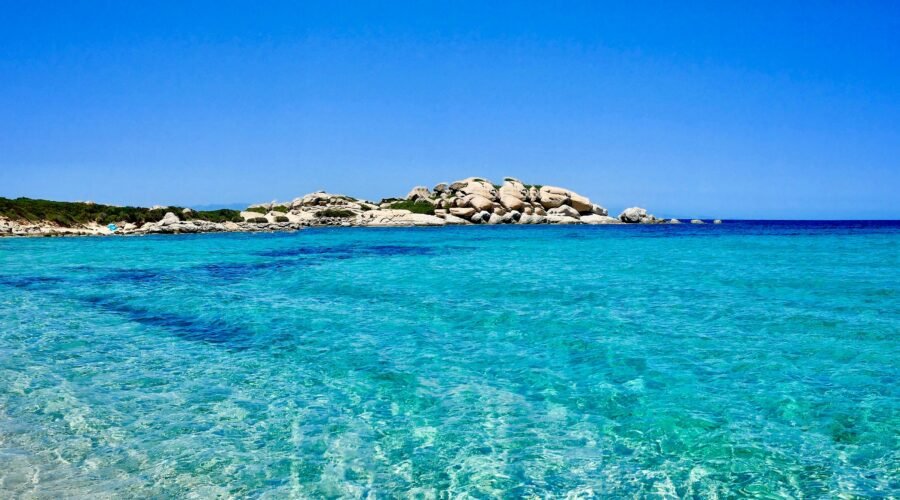
Sardinia can feel like a different island from one month to the next. If you want the best balance of warm weather, lighter crowds, and better availability, aim for late May through June or September. April and October are excellent for hiking, sightseeing, and quieter road trips, while July and August are best for travelers who want peak beach weather and do not mind higher demand.
Quick Answer
The best time to visit Sardinia for most travelers is late May through June or September. You get warm days, a good chance of beach weather, and fewer crowds than in July and August. Choose April or October for hiking and culture, and winter for the quietest, most budget-friendly stay.
Key Takeaways
- Best overall: late May, June, and September for a strong mix of warmth, open services, and manageable crowds.
- Best for beaches: July and August offer the warmest, most dependable swimming weather, but also the highest demand.
- Best for hiking and road trips: April-May and September-October are more comfortable than midsummer.
- Best for lower costs: winter is usually the quietest period, while spring and autumn often offer better value without giving up as much good weather.
- Important in peak season: some famous beaches and protected areas use reservations, visitor limits, or guided-access rules.
Spring in Sardinia: Mild Weather, Wildflowers, and Lighter Crowds
Sardinia in spring is a breath of fresh air. The countryside is green, wildflowers brighten the landscape, and daytime conditions become more comfortable for walking, cycling, and sightseeing. The official Sardinia tourism portal describes spring as the season when temperatures reach around 20°C, rainy days become less frequent, and the sea begins to warm.
Weather in Spring: Pleasant and Changeable
Spring is generally mild, but conditions can change from one day or region to another. Coastal areas are often warmer than the interior, and evenings can still feel cool.
April: Warming Up and Budding Beauty
April often brings mild, sunny spells that are well suited to archaeological sites, coastal walks, and village trips. Daytime temperatures commonly sit in the high teens to around 20°C, though warmer and cooler days are possible. The sea is still cool for most swimmers, but short dips, sailing, surfing, and other water activities can still appeal to well-prepared visitors. Passing rain remains possible.
May: The Sweet Spot Emerges
May is one of Sardinia’s strongest all-round months. Days are warmer, beach weather becomes more realistic, and the island still feels calmer than it does in July and August. It is especially good for hiking, cycling, scenic drives, and exploring the interior before summer heat becomes a bigger factor. Spring flowers and aromatic Mediterranean herbs also make countryside trips especially appealing.
Crowds in Spring: Peaceful Exploration
Spring is noticeably quieter than peak summer, although popular places can become busy around holidays and warm weekends.
April: Low Tourist Pressure
April usually gives you more room at beaches, villages, and historical sites. You can often travel with more flexibility, although Easter and public-holiday periods can create short bursts of demand.
May: Gradual Increase, Still Manageable
Visitor numbers rise during May, especially toward the end of the month, but the island generally remains easier to navigate than in midsummer. Booking popular lodging and rental cars in advance is still wise if your dates are fixed.
Costs in Spring: Better Value Before Peak Season
Spring can offer better value than July and August, especially for accommodation and car rentals. Prices are dynamic, so there is no guarantee that a particular flight or hotel will be cheap on a specific date.
April: Often Good Value
April is outside the main beach-holiday rush, so accommodation and rental-car availability is usually better than in peak summer. Compare rates around Easter and other holiday weekends because demand can temporarily rise.
May: Good Value with a Gradual Rise
May often remains competitively priced, but rates can climb as summer approaches, particularly in popular coastal areas. Book early when staying in Costa Smeralda, Villasimius, Alghero, or other high-demand beach destinations.
If you are comparing seasonal travel conditions across different destinations, you can also read Best Time to Visit Grand Falls-Windsor, Newfoundland and Labrador: Weather, Crowds, and Costs.
Summer in Sardinia: Sun, Sea, and Peak-Season Energy
Summer is the classic Sardinian beach season: long sunny days, warm water, busy resort towns, and a lively evening atmosphere. It is the right choice if swimming and coastal life matter more to you than low prices or empty beaches.
Weather in Summer: Hot, Dry, and Sunny
Sardinia has a Mediterranean climate, and summer is typically hot and dry. The official tourism portal notes that summer temperatures exceed 30°C and that coastal breezes can moderate the heat. Heatwaves can push temperatures much higher, especially away from exposed coasts.
June: Warm and Welcoming
June is one of the best compromises for beach travelers. Days are reliably warm, the sea is becoming comfortable for longer swims, and daylight is long. Crowds build during the month but usually remain below July and August levels.
July: Peak Heat and Busy Beaches
July is part of Sardinia’s hottest period. Expect hot afternoons, strong sun, busy beaches, and high demand for rooms and cars. Plan outdoor sightseeing early in the morning or later in the day rather than during the hottest afternoon hours.
August: Peak Summer Demand
August is generally the busiest and most expensive part of the beach season, especially around Ferragosto on August 15. Hot weather is common, the sea is warm, and resort areas operate at full summer pace. If you visit then, reserve accommodation, vehicles, boat trips, and any limited-access beaches as early as their booking rules allow.
Warning: Summer heat and wildfire danger can affect hiking and access in rural areas. Before a long walk in July or August, check the regional Civil Protection fire-danger bulletin, carry enough water, and avoid exposed trails during the hottest part of the day.
Crowds in Summer: The Peak of Popularity
Summer is the busiest season, but crowd levels vary greatly. Famous beaches and resort areas can feel packed while less-known stretches of coast and inland villages may be much quieter.
June: Building Momentum
June brings a clear increase in visitors compared with May. Weekends and famous coastal areas can be busy, but travelers who start early and explore beyond the best-known beaches can still find a more relaxed experience.
July: Crowded Hotspots
July is busy in major beach destinations, marinas, and resort towns. Booking accommodation and car rentals well ahead is sensible, especially if you need a specific location or vehicle type.
August: The Highest Visitor Pressure
August brings the strongest holiday demand. Roads near popular beaches, parking areas, restaurants, and ferry or boat services can become very busy. Travelers who dislike crowds will usually be happier in June or September.
Costs in Summer: The Premium Season
July and August normally bring the highest accommodation and rental-car demand. Airfares, ferry fares, and hotel prices vary by route and booking date, so treat any seasonal cost rule as a trend rather than a fixed guarantee.
June: Moderate to High Seasonal Rates
Prices usually rise as June progresses. Early June can still offer good value compared with the peak weeks, especially when you book before demand tightens.
July: High-Season Prices
July often brings premium rates in coastal areas. If your dates are fixed, early booking gives you a better chance of getting the location and room type you want.
August: Highest Demand
August is typically the toughest month for bargain hunting. Flexible travelers can often improve value by moving their trip to late June or September instead.
Autumn in Sardinia: Warm Sea, Softer Light, and More Space

As the intense summer heat eases, Sardinia becomes calmer while the sea can remain warm well into early autumn. September is especially strong for travelers who still want swimming weather without the same level of August pressure.
Weather in Autumn: Mild, but Rain Risk Increases
Early autumn can feel like an extension of summer. Later in the season, temperatures become milder and unsettled weather becomes more possible. Conditions vary by coast, elevation, and weather pattern, so check a local forecast rather than relying only on monthly averages.
September: Summer-like, but Softer
September is one of the best months to visit Sardinia. The sea retains summer warmth, daytime conditions are often excellent for beaches, and the strongest holiday crowds begin to ease. It also works well for hiking if you avoid unusually hot afternoons.
October: Mild Days and a Slower Pace
October is better for sightseeing, walking, food, and cultural travel than for guaranteed beach days. Warm, sunny spells are common enough to enjoy the coast, and swimming may still be comfortable for some travelers, but rain and cooler evenings become more likely than in September.
Crowds in Autumn: A Calmer Island
Visitor pressure normally drops after the summer peak, although popular weekends and events can still draw crowds.
September: Easing Back from the Peak
September usually offers more space on beaches and easier restaurant reservations than August, especially after the first part of the month. Many seasonal businesses are still operating.
October: Quiet Charm
October is much quieter in many coastal areas. This is excellent if you want slow travel, village visits, archaeology, hiking, and road trips. The trade-off is that some beach clubs, boat excursions, restaurants, and other seasonal services may reduce hours or close.
Costs in Autumn: Better Value Returns
Accommodation and rental-car pressure normally eases after the summer rush, but prices remain dynamic and can rise around events or particularly popular weekends.
September: Good Value for Beach Weather
September often gives you a stronger weather-to-price balance than July or August. Book ahead for famous coastal resorts, but you will usually have more choice than during the summer peak.
October: Lower Demand, More Flexibility
October can be one of the better-value months for travelers who do not need full summer beach services. It is usually cheaper than peak summer, but winter—not October—is generally the period with the lowest tourist demand.
Pro Tip: If you want warm water and fewer crowds, target September. If hiking, food, archaeology, and quiet roads matter more than swimming, October is often the better fit.
Winter in Sardinia: Quiet Towns, Culture, and the Lowest Demand

Winter offers a different Sardinia. Beach tourism slows sharply, but cities, archaeological sites, inland villages, local food, and traditional festivals can make the island rewarding for travelers who value quiet over swimming.
Weather in Winter: Mild on the Coast, Colder Inland
Sardinia’s coast is generally mild compared with much of continental Europe, but winter brings cooler temperatures, wind, and a greater chance of wet weather. The interior is colder, and snow can occur in the mountains.
November to February: Cooler and Quieter
Daytime temperatures on the coast are often in the low-to-mid teens Celsius, with warmer and colder spells possible. Swimming is not attractive to most visitors. Snow is uncommon near the coast but can occur in the higher interior mountains. This is a good season for hearty meals, quiet evenings, and cultural sightseeing.
Crowds in Winter: The Quietest Season
Winter has the lowest visitor pressure overall, but Sardinia is not literally empty. Cagliari, Sassari, Olbia, Oristano, and inland communities continue normal local life, and traditional winter festivals can create pockets of activity.
November to February: Slow Travel
This is a good time for travelers who want museums, archaeological sites, local restaurants, mountain villages, and a slower rhythm. Some coastal resorts become very quiet and many tourism-focused businesses reduce hours or close for part of the season.
Costs in Winter: Usually the Lowest Tourist Demand
Accommodation can be much easier to find outside the major holiday dates. However, flight and ferry prices still depend on route, demand, and how early you book.
November to February: Good for Budget-Focused Trips
If beach weather is not important, winter can be the most economical season for lodging in many parts of Sardinia. Just confirm opening hours for attractions, restaurants, tours, and coastal services before building your itinerary around them.
If you are planning travel in the United States as well, you can compare seasonal patterns with this guide to the best time to visit Green Bay, Wisconsin.
Sardinia Month by Month: Weather, Crowds, and Costs
This table gives a practical planning snapshot. Weather and prices change from year to year, and Sardinia’s coast, mountains, and interior can feel very different on the same day.
| Month | Typical Feel | Crowds | Relative Costs | Best For |
|---|---|---|---|---|
| January | Cool, mixed weather | Very low | Low | Cities, culture, quiet trips |
| February | Cool, changeable | Very low | Low | Carnival traditions, slow travel |
| March | Mild transition | Low | Low to moderate | Sightseeing, early hiking |
| April | Mild, greener, occasional rain | Low to moderate | Moderate | Wildflowers, hiking, archaeology |
| May | Warm, increasingly sunny | Moderate | Moderate | Road trips, hiking, early beach days |
| June | Warm to hot, dry | Moderate to high | Moderate to high | Best all-round beach balance |
| July | Hot, dry, strong sun | High | High | Swimming, boating, nightlife |
| August | Hot, peak summer | Very high | Very high | Peak beach season and nightlife |
| September | Warm, sea still warm | Moderate | Moderate | Best overall balance |
| October | Mild, more changeable | Low | Low to moderate | Hiking, food, culture, road trips |
| November | Cooler, wetter spells possible | Very low | Low | Villages, food, archaeology |
| December | Cool, mixed conditions | Very low | Low | Local life and quiet city breaks |
Special Considerations for Your Sardinia Trip
Weather, crowds, and cost are only part of the decision. Your ideal month also depends on beach access rules, the activities you want, how you plan to get around, and how much seasonal service you need.
Some Famous Beaches Have Access Rules
Do not assume every beach is open for unlimited walk-in access in summer. For example, La Pelosa’s official booking system requires reservations and a QR code during its regulated 2026 season, with 1,500 daily places from May 15 to October 15. Rules can change in future seasons, so always check the official booking page before you go.
Protected areas can have different rules. At Cala Coticcio and Cala Brigantina on Caprera, the La Maddalena National Park states that the high-protection TA zones are not freely accessible and visits are made with an authorized environmental hiking guide.
Note: Reservation rules, quotas, fees, and seasonal operating dates can change. Recheck the official beach, park, transport, or municipality website shortly before your visit.
What to Pack
Your packing list should match both the season and the part of the island you plan to visit.
Spring and Autumn: Bring Layers
Pack a light jacket, a sweater or fleece, long-sleeved layers, and comfortable walking shoes. Add sunscreen, sunglasses, and a hat because strong sun is still possible. A compact rain shell is useful for changeable days.
Summer: Prioritize Sun Protection
Choose lightweight, breathable clothing, swimwear, a wide-brimmed hat, sunglasses, and high-SPF sunscreen. Sandals or flip-flops are useful for the beach, while sturdy footwear is better for rocky coves and trails. A light cover-up is also useful for evenings and visits to churches.
Winter: Warm and Waterproof Gear
Bring a waterproof jacket, warm layers, long trousers, closed-toe shoes, and a compact umbrella. If you plan to visit the mountains or interior, pack for colder conditions than you may experience on the coast.
Activities and Events
The best season depends heavily on what you want to do.
Beach Holidays: Summer Has the Most Reliable Conditions
If your main goal is sunbathing, swimming, boating, and a lively beach scene, June through September is the core period. July and August are the most dependable for heat and warm water, while June and September usually offer a better crowd balance.
Hiking and Exploring: Spring and Autumn Shine
April-May and September-October are usually more comfortable for hiking, cycling, archaeology, and inland road trips. Spring adds wildflowers; autumn adds a slower pace and cultural events.
Food and Festivals: Good Options in Every Season
Sardinia has festivals throughout the year. Spring includes Easter celebrations and other religious traditions, summer brings music events and local sagre food festivals, autumn features harvest celebrations tied to products such as wine and olives, and winter includes traditional carnival events. Event dates change from year to year, so check the regional tourism calendar before booking around a specific festival.
Getting Around Sardinia
Your transport needs depend on where you plan to stay. A car gives the most flexibility for remote beaches, rural accommodation, trailheads, and small inland villages, but it is not the only way to travel between major towns.
Car Rental: Best for Maximum Flexibility
A rental car is especially useful for multi-stop road trips and places far from rail lines. Demand and prices increase in summer, so book ahead if you need an automatic transmission, child seat, larger vehicle, or airport pickup at a fixed time.
Public Transport: Useful, but Some Tourist Services Are Seasonal
Sardinia has regional trains and buses, but coverage is not equally convenient for every beach or rural destination. Some tourist-oriented services are seasonal. In 2026, for example, Trenitalia’s Olbia-Golfo Aranci summer offer runs from June 1 to September 30, with selected train-plus-bus beach links operating during the core summer period. Check current timetables before relying on a seasonal connection.
For most first-time visitors, June and September offer the easiest balance: beach weather is strong, the island is fully active, and peak August pressure is lower.
Ultimately, the best time to visit Sardinia depends on your priorities. Match your dates to the experience you want most—peak beach weather, quieter hiking, lower demand, festivals, or slow winter travel—and you can build a trip that fits you rather than chasing one supposedly perfect month.
Sources
- SardegnaTurismo — The weather in Sardinia — official regional overview of seasonal climate and activities.
- ISPRA — 1991-2020 climate normals for Italy — official climate-normal methodology and reference data.
- Trenitalia — 2026 Olbia-Golfo Aranci summer service — seasonal regional train and intermodal service dates.
- La Pelosa official booking portal — 2026 reservation period, daily quota, and access rules.
- La Maddalena National Park — Cala Coticcio excursion information — protected-zone access requirements.
- Sardinia Civil Protection — Fire danger bulletins — official seasonal wildfire-risk information.
Frequently Asked Questions
What is the best time to visit Sardinia overall?
Late May through June and September are the strongest all-round periods for most travelers. They usually combine warm weather, good beach conditions, open seasonal services, and lighter crowds than July and August.
When is the best weather for a beach holiday in Sardinia?
July and August give you the most dependable hot beach weather and warm sea, but June and September are often more comfortable if you also want sightseeing and fewer crowds.
When is peak tourist season in Sardinia?
Peak season is July and August, with the strongest pressure in August and around Ferragosto on August 15. Popular beaches, roads, restaurants, lodging, and rental cars can be especially busy.
What is Sardinia’s shoulder season?
The main shoulder periods are April-May and September-October. May and September are better if you want some beach time, while April and October are especially good for hiking, sightseeing, food, and road trips.
When is the cheapest time to visit Sardinia?
Winter generally has the lowest tourism demand and can offer the best accommodation value outside holiday dates. Spring and autumn can also be cheaper than peak summer while giving you better weather and more open tourism services.
Can you swim in Sardinia in October?
Sometimes. The sea can retain warmth into early autumn, and sunny October days may still work for swimming, especially for travelers comfortable with cooler water. However, beach weather is less dependable than in September.
Do you need reservations for beaches in Sardinia?
Some famous beaches and protected areas use reservations, quotas, fees, or guided-access rules. La Pelosa has a regulated booking system during its 2026 season, and protected Cala Coticcio and Cala Brigantina require authorized guided access. Always check current official rules.
Do you need a car in Sardinia?
Not for every trip. Trains and buses connect major towns and some tourist areas, but a car is very useful for remote beaches, rural hotels, trailheads, and flexible island-wide road trips.