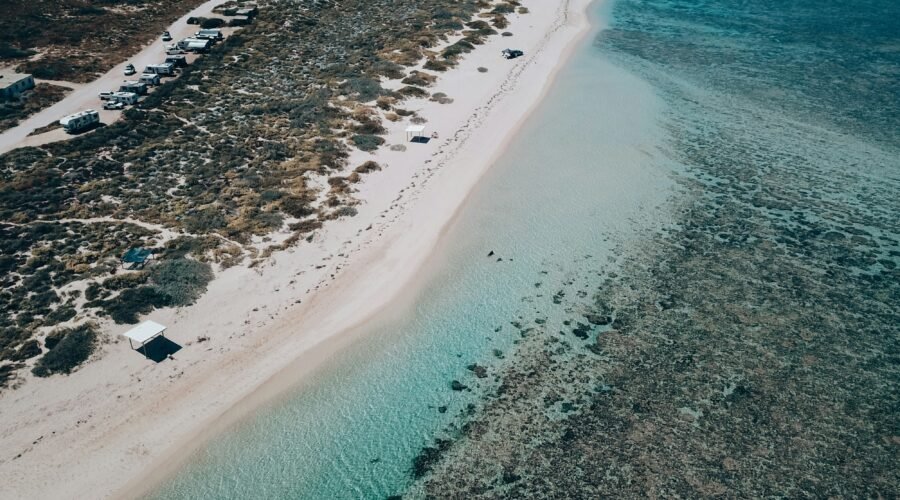
So, you’re wondering about the best time to visit Coral Bay, Western Australia? The short answer is generally late autumn (April-May) or early spring (September-October). These periods offer a sweet spot of pleasant weather, manageable crowds, and reasonable prices, giving you the best all-around experience. Now, let’s dig into the details.
Coral Bay, sitting right on the Ningaloo Reef, has distinct seasons that significantly impact your visit. It’s not just about temperature; it’s about what marine life you might encounter, how busy the town feels, and what you’ll pay for accommodation and tours.
Dry Season (Winter)
This runs roughly from June to August. Think clear skies, warm days, and cool evenings. It’s often considered prime time by many, and for good reason.
Wet Season (Summer)
From December to March, this is when things get hot and humid, with a higher chance of tropical storms and cyclones. While it can be challenging, it also has its unique draws.
Shoulder Seasons
These are the sweet spots: April-May (late autumn) and September-October (early spring). They bridge the gap between the extremes, often offering the best of both worlds.
If you’re planning a trip to Coral Bay, Western Australia, understanding the best time to visit can greatly enhance your experience. Factors such as weather, crowds, and costs play a crucial role in your travel plans. For those interested in exploring similar topics, you might find the article on the best time to visit Colorado Springs insightful as it covers essential aspects like weather conditions, tourist crowds, and budget considerations. You can read more about it here: Best Time to Visit Colorado Springs.
Weather and Water: What to Expect When
Coral Bay’s weather is a major factor in your trip. You’re here for the ocean, right? So, understanding water conditions is key.
Winter Wonders (June – August)
- Air Temperature: Expect daily highs around 20-25°C (68-77°F) and nighttime lows around 10-15°C (50-59°F). It’s beautiful and mild.
- Water Temperature: The ocean is still comfortable, usually around 22-24°C (72-75°F). You might want a rashie or a shorty wetsuit for longer snorkels, but it’s perfectly fine for swimming.
- Wind: Generally calmer winds during this period, which is great for boat trips and snorkelling. However, you can still get windy days, especially in July and August.
- Rainfall: Very minimal. You’ll likely see blue skies every day.
- Marine Life: This is peak season for humpback whale migrations. You’ll also still see plenty of reef sharks, turtles, and colourful fish. Whale shark season is usually winding down, but late arrivals can still be seen in June.
Spring Sensations (September – October)
- Air Temperature: Temperatures start to climb, averaging 25-30°C (77-86°F) during the day and 15-20°C (59-68°F) at night. It’s getting warmer but still pleasant.
- Water Temperature: Water warms up to 24-26°C (75-79°F). Perfect for extended dips without needing a wetsuit.
- Wind: Can still be variable. Some calm days, some windy days. Generally, more predictable than summer.
- Rainfall: Still very low.
- Marine Life: Humpback whales are still present, often with calves. It’s a fantastic time for all other reef activities. Whale sharks might start to make an appearance again towards October, although this is the very tail end of their season.
Autumn’s Appeal (April – May)
- Air Temperature: Similar to spring, with daytime highs of 25-30°C (77-86°F) and nighttime lows of 18-22°C (64-72°F). Comfortable and warm.
- Water Temperature: The ocean is lovely and warm, around 25-27°C (77-81°F).
- Wind: Typically calmer winds after the summer cyclonic activity subsides. This means glassy water days are more common, which is ideal for snorkelling and glass-bottom boat tours.
- Rainfall: Low, with occasional light showers that clear quickly.
- Marine Life: This is prime whale shark season! They are most reliably found between March and July, so April and May are perfect. You’ll also see manta rays, turtles, and a huge variety of reef fish.
Summer’s Challenges (November – March)
- Air Temperature: It gets hot. Really hot. Daily highs consistently above 30°C (86°F), often pushing 35-40°C (95-104°F). Nights are warm and humid, rarely dropping below 25°C (77°F).
- Water Temperature: The ocean is like a bath at 28-30°C (82-86°F).
- Wind: Variable. Can be calm and stiflingly still, or you can experience strong winds and storms if a tropical low or cyclone is brewing.
- Rainfall: This is the ‘wet season’, but it doesn’t mean constant rain. Instead, you get intense, short-lived tropical downpours and the risk of cyclones. Cyclones are rare but can severely disrupt travel plans, closing roads and forcing evacuations.
- Marine Life: Manta rays are present year-round. While whale sharks are present in March, the general discomfort of the heat and humidity, coupled with cyclone risk, makes it less popular. Humpback whales are not present during these months.
Crowds and Atmosphere: Finding Your Peace
Coral Bay is a small place. The number of people can drastically change the vibe, from bustling and lively to quiet and serene.
Peak Season (June – August & School Holidays)
- Vibe: Busy, buzzing, and full of families. Accommodation and tours book out months in advance. The main street (if you can call it that) will be lively, and you’ll share the beach with many others.
- Why it’s busy: Ideal weather, humpback whale season, and coincides with Australian school holidays (especially July). Everyone wants to escape the southern winter.
- Impact: Expect queues for popular tours, less availability for last-minute bookings, and crowded snorkelling spots. Finding a quiet patch of beach might require a bit of a walk.
Shoulder Seasons (April – May & September – October)
- Vibe: Pleasant and comfortably busy. There’s a good energy without feeling overwhelmed. You’ll see plenty of people, but things don’t feel jam-packed.
- Why it’s good: Excellent weather and marine life viewing without the peak season crush. Many international visitors choose these times.
- Impact: You should still book accommodation and popular tours in advance, but you might have more flexibility. Snorkelling spots will have others, but you won’t feel elbow-to-elbow.
Low Season (November – March)
- Vibe: Quiet, often very quiet. Some businesses might reduce their hours or even close for a period. You’ll feel like you have the place to yourself, which can be lovely or a bit too deserted, depending on your preference.
- Why it’s quiet: The heat, humidity, and cyclone risk deter most visitors.
- Impact: Good for those seeking solitude and willing to brave the heat. You’ll have no trouble booking tours or accommodation, often last minute. Some tours might have minimum numbers to run. Be prepared for potential disruptions due to weather.
Costs and Budget: Making Your Dollars Stretch
Coral Bay isn’t a cheap destination, but timing your visit can make a difference to your wallet, especially regarding accommodation.
Peak Season Pricing (June – August & School Holidays)
- Accommodation: This is when prices are at their highest. Caravan park sites, motel rooms, and villas can be double or triple the low season rates. Booking a year in advance isn’t unheard of for prime spots.
- Tours: Tour prices generally remain consistent year-round, but demand means you can’t expect discounts. Booking well in advance is essential to secure your spot.
- Flights: Flights to Learmonth Airport (near Exmouth, the closest major airport) will also be at their peak during this period. Car hire can also be very expensive.
- Overall: If budget is a major concern, this is the most expensive time to visit.
Shoulder Season Savings (April – May & September – October)
- Accommodation: Prices are generally lower than peak season, but still higher than the low season. You’ll find better value and more availability. Booking a few months ahead is usually sufficient.
- Tours: Standard pricing. Still advisable to book in advance, especially for popular whale shark or humpback whale tours.
- Flights: Often more reasonable than peak season. Car hire might also be slightly cheaper.
- Overall: A good balance between cost and experience. You get great conditions without the absolute top-tier pricing.
Low Season Bargains (November – March)
- Accommodation: This is when you’ll find the best deals. Some caravan parks and accommodation providers offer significant discounts to attract visitors. Last-minute bookings are often possible.
- Tours: Standard pricing, but some operators might be more flexible or offer small incentives to fill spots, especially if visitor numbers are low. However, fewer people might mean tours don’t run as frequently.
- Flights: Generally the cheapest time to fly to Learmonth, though direct flights might be less frequent.
- Overall: If you can tolerate the heat and potential for weather disruptions, this is the most budget-friendly time to visit Coral Bay. Just be prepared for less choice in terms of tours and dining.
If you’re planning a trip to Coral Bay, Western Australia, you might find it helpful to explore the best times to visit other popular destinations as well. For instance, you can check out an insightful article about visiting Honolulu, which discusses the weather, crowds, and costs associated with traveling to this beautiful location. This information can provide you with a broader perspective on planning your travels. To read more about it, visit this article.
Special Considerations: Beyond the Basics
| Month | Weather | Crowds | Costs |
|---|---|---|---|
| January | Hot and dry | High | High |
| February | Hot and dry | High | High |
| March | Warm and dry | Medium | Medium |
| April | Mild and dry | Low | Low |
| May | Cool and dry | Low | Low |
| June | Cool and dry | Low | Low |
| July | Cool and dry | Low | Low |
| August | Cool and dry | Low | Low |
| September | Warm and dry | Low | Low |
| October | Warm and dry | Medium | Medium |
| November | Hot and dry | High | High |
| December | Hot and dry | High | High |
Beyond weather, crowds, and costs, a few other things might sway your decision.
Whale Shark Season
- Peak Time: March to July. April and May are often considered the sweet spot due to better weather conditions (less heat, less cyclone risk) combined with high whale shark reliability.
- What to expect: These magnificent creatures are the main draw for many. Tours typically involve a boat trip out to the outer reef, spotting the sharks from a plane, and then swimming alongside them. It’s an incredible experience.
- Booking: Essential to book these tours well in advance, especially for April/May.
Humpback Whale Season
- Peak Time: June to October.
- What to expect: You can witness these giants migrating, often with calves. Many tours offer the chance to swim with humpback whales, a regulated and incredibly moving experience.
- Booking: Also recommended to book these tours in advance, particularly for July/August/September.
School Holidays
- Impact: Australian school holidays, particularly in July and around Easter/September, see a massive surge in visitors. If you can avoid these, you’ll generally have a more relaxed experience.
- Check Dates: A quick search for “Western Australian school holiday dates” will help you plan.
Cyclones and Tropical Lows
- When: Predominantly November to April.
- Risk: While direct hits are rare, tropical lows can bring heavy rain, strong winds, and rough seas, leading to road closures and cancellation of tours. A significant cyclone can lead to evacuations.
- Preparation: If travelling during this period, always check weather forecasts, have flexible travel plans, and consider travel insurance that covers weather disruptions.
Road Conditions
- Main Roads: The main roads to Coral Bay (North West Coastal Highway) are sealed and generally in good condition year-round.
- Unsealed Roads: If you plan on exploring beyond Coral Bay to places like Warroora Station or some of the more remote Ningaloo Coast sections, unsealed tracks can become impassable after heavy rain, especially during the wet season. A 4WD is often recommended for these areas regardless of the season.
If you’re planning a trip to Coral Bay in Western Australia, understanding the best time to visit can significantly enhance your experience. Factors such as weather, crowds, and costs play a crucial role in determining when to go. For those interested in exploring other beautiful destinations, you might find it helpful to read about the best time to visit Ihlara Valley in Aksaray, which also discusses similar considerations regarding climate and visitor traffic. You can check out the article for more insights by following this link.
The Verdict: Your Ideal Trip Awaits
So, considering all these factors, here’s a quick summary for different types of travellers:
- For the Whale Shark Enthusiast (and good weather): April – May is your golden ticket. You’ll get fantastic weather and reliable whale shark encounters.
- For Humpback Whale Watching (and cooler weather): June – August is ideal. Be prepared for crowds, though.
- For a Balance of Everything (and slightly fewer crowds): September – October offers a great mix of warm weather, receding humpback whales (often with calves), and a less hectic atmosphere than peak winter.
- For the Budget Traveller (who can handle the heat): November – March provides the lowest prices and solitude, but comes with the heat and cyclone risk.
- To Avoid Crowds (but still get good weather): Aim for the very beginning of April or the very end of October if school holidays don’t coincide.
Ultimately, Coral Bay is a special place any time of year. By understanding the seasonal nuances, you can tailor your visit to match your priorities and ensure you have the best possible experience on the stunning Ningaloo Reef. Just remember to book ahead, especially for accommodation and key tours, no matter when you decide to go!
FAQs
1. What is the best time to visit Coral Bay, Western Australia?
The best time to visit Coral Bay, Western Australia is during the dry season, which runs from April to October. This period offers pleasant weather, minimal rainfall, and ideal conditions for outdoor activities such as snorkeling and swimming.
2. What is the weather like in Coral Bay, Western Australia throughout the year?
Coral Bay experiences a tropical climate, with hot and dry conditions during the dry season (April to October) and warmer temperatures with occasional rainfall during the wet season (November to March). Average temperatures range from 25°C to 35°C during the dry season and 30°C to 40°C during the wet season.
3. When are the crowds at Coral Bay, Western Australia the busiest?
Coral Bay tends to be busiest during the Australian school holidays, which typically occur in December and January, as well as during Easter and other public holidays. It is advisable to plan your visit during the shoulder seasons (April-May and September-October) to avoid the crowds.
4. What are the costs like in Coral Bay, Western Australia during peak season?
During the peak season, accommodation and tour prices in Coral Bay, Western Australia may be higher due to increased demand. It is recommended to book accommodations and activities in advance to secure the best rates and availability.
5. Are there any specific events or festivals to consider when planning a visit to Coral Bay, Western Australia?
Coral Bay hosts the Ningaloo Whale Shark Festival in May, which celebrates the arrival of whale sharks to the Ningaloo Reef. This event offers visitors the opportunity to participate in various marine conservation activities and witness the natural wonder of whale sharks in their natural habitat.