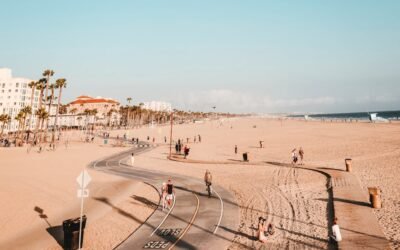
Nakhon Phanom sits beside the Mekong River in northeastern Thailand, facing Laos and offering temples, historic sites, riverfront cycling, local Isaan culture, and seasonal festivals. For most travelers, November through February gives the easiest combination of dry weather and cooler nights, but the best month depends on whether you value comfort, lower demand, lush scenery, or festival atmosphere.
Quick Answer
The best time to visit Nakhon Phanom is usually November to February, when rainfall is low and temperatures are more comfortable. March and April are much hotter, while May through September is considerably wetter. October can be a useful transition month, especially if you want greener scenery and seasonal cultural events.
Key Takeaways
- Best overall weather: November to February, with very low rainfall compared with the wet season.
- Hottest period: March to May, with April having an average daily high around 35°C and occasional much hotter extremes.
- Wettest period: May to September, especially July and August.
- Best for fewer visitors: Much of the hot and rainy seasons outside major Thai holidays and local festivals.
- Best for festival atmosphere: Time your visit around annual events, but verify the year’s dates because Buddhist lunar-calendar celebrations move.
Nakhon Phanom Weather by Season
Nakhon Phanom has a tropical climate with a pronounced dry period and a very wet monsoon period. Thai Meteorological Department climate normals for 1991–2020 show that average rainfall is only about 4 mm in January and 5 mm in December, compared with more than 500 mm per month in both July and August. Climate averages are useful for planning, but always check the short-range forecast before your actual trip.
The Hot Season (March to May)
This period can be challenging if you are not comfortable with tropical heat. Average daily highs rise from about 34°C in March to roughly 35°C in April, and historical extreme temperatures in Nakhon Phanom have exceeded 40°C.
- Weather: Expect strong heat, increasing humidity, bright sun, and occasional thunderstorms. Rain becomes much more significant by May, so May is better treated as a transition into the wet season rather than a completely dry month.
- Crowds: Visitor demand is often lower than during the cooler months, although Songkran in mid-April can create a sharp holiday-period increase in domestic travel.
- Costs: Outside holiday periods, accommodation may be easier to find at competitive rates. Airfares remain dynamic, so compare your exact dates rather than assuming the hot season will always be cheaper.
- Activities: Schedule temples, cycling, and longer walks for early morning or late afternoon. Keep the hottest middle part of the day for indoor attractions, cafes, meals, or rest.
Warning: Heat illness can develop quickly during strenuous outdoor activity. Carry drinking water, use sun protection, rest in shade or air conditioning, and reduce activity when temperatures are extreme.
The Rainy Season (May to October)
The wettest conditions develop from May through September, with rain generally easing during October. The countryside becomes greener, the Mekong looks fuller, and humidity rises substantially.
- Weather: Rainfall becomes frequent and can be heavy. Historical climate normals show roughly 397 mm of rain in June, 564 mm in July, 537 mm in August, and 297 mm in September.
- Crowds: Outside festivals and holiday weekends, this period often feels quieter for visitors.
- Costs: Quieter dates can produce better hotel availability, although prices vary by property, event calendar, and booking demand.
- Activities: Temples, museums, markets, cafes, and food-focused days are easier to adapt around showers. Rural excursions require more flexibility because heavy rain can affect road conditions.
Nakhon Phanom’s 1991–2020 climate normals show about 564 mm of rain in July and 537 mm in August, compared with only about 4 mm in January.
The Cool Season (November to February)
This is generally the easiest period for sightseeing. “Cool” is relative: daytime temperatures are still warm, but rainfall is very low and nights are noticeably more comfortable.
- Weather: Average daily highs are roughly 29–32°C during November to February. Average nighttime lows fall to about 17°C in December and January, with occasional colder spells possible.
- Crowds: This is usually the strongest tourism period, especially around New Year, long weekends, and major local events. Nakhon Phanom still tends to feel calmer than Thailand’s biggest resort destinations.
- Costs: Popular hotels and convenient riverfront rooms can sell more quickly on busy dates, so booking ahead gives you more choice.
- Activities: This is the most comfortable season for cycling beside the Mekong, visiting temples, walking through the city, and taking longer day trips.
Pro Tip: For a strong balance of dry weather and manageable demand, consider late November, early December, or February outside major holiday and festival dates.
If you’re planning a trip to Nakhon Phanom, Thailand, understanding how weather, crowds, and costs interact can make your itinerary much easier to manage. For another destination-planning example built around the same factors, see The Ultimate Guide to Visiting Huntsville: Weather, Crowds, and Costs.
Navigating Crowd Levels in Nakhon Phanom
Nakhon Phanom generally receives less leisure-tourism pressure than Bangkok, Phuket, or Thailand’s major beach destinations. However, hotel demand and activity around important temples, the Mekong riverfront, and festival areas can still change noticeably by season and holiday period.
Peak Season (November to February)
The cooler, drier months are the most convenient for sightseeing, so they tend to attract more visitors. Even then, the city often retains a relaxed feel outside major event dates.
- Impact on attractions: Wat Phra That Phanom, the Ho Chi Minh Memorial, riverside areas, and other well-known stops can be busier, especially on weekends and religious or public holidays.
- Accommodation: Well-reviewed hotels and river-facing rooms may fill earlier on popular dates.
- Dining: Riverfront restaurants and cafes can become busier in the evening, particularly during weekends and festivals.
- Festivals: Important religious events can create short periods of much higher local demand, which may matter more than the normal seasonal pattern.
Shoulder Periods (March and October)
March and October can work well if you accept some weather trade-offs. March is hotter but still much drier than the core monsoon months. October normally receives far less rain than July or August, although wet weather can still interrupt plans.
- March: Hotter days and increasing heat, but rainfall is still well below wet-season levels.
- October: Greener scenery, lower average rainfall than the core monsoon months, and the possibility of important end-of-Buddhist-Lent celebrations.
- Planning: Check festival dates before booking because a normally quiet period can become very busy around a major local event.
Low-Demand Periods (April to September)
If you care more about quieter sightseeing than ideal weather, much of the hottest and wettest part of the year can work well outside Songkran and other holiday periods.
- Impact on attractions: Some cultural sites may feel noticeably quieter on ordinary weekdays.
- Accommodation: You may find wider room availability outside holidays and festivals.
- Dining: Local restaurants can feel less tourism-focused, although popular places still attract residents year-round.
- Considerations: Heat, thunderstorms, heavy rainfall, and temporary transport disruption are more important planning factors than crowds.
Cost Considerations for Your Nakhon Phanom Trip
Nakhon Phanom can be a relatively affordable Thai destination, but your total cost depends more on transport, hotel standard, booking date, holidays, and festival demand than on a fixed seasonal percentage.
Flights and Transportation
- Peak dates: Bangkok–Nakhon Phanom flights can become more expensive as cheaper fare buckets sell out around holidays and popular travel weekends. Booking earlier can improve your choice of schedules and fares.
- Quieter dates: Midweek and non-holiday travel may offer more flexibility. Always compare live fares because airline pricing changes continuously.
- Local transportation: Tuk-tuks, songthaews, taxis or app-based transport where available, rental vehicles, and bicycles may all be useful depending on your itinerary. Agree on a fare before using transport without a meter or app-displayed price.
Accommodation
- Peak season: Riverfront hotels and highly rated properties may command higher rates or sell out earlier when demand is strong.
- Shoulder and rainy periods: Room availability is often broader outside holidays and festivals, giving you more flexibility to compare properties.
- Types of accommodation: The city offers simple guesthouses, local hotels, boutique properties, and comfortable mid-range options. Compare current rates because prices vary substantially by room type and date.
Food and Activities
- Food: Local markets, noodle shops, Isaan restaurants, Vietnamese-influenced local food, and casual eateries can help keep meal costs reasonable. Prices vary by venue and portion, so avoid relying on old fixed-price estimates.
- Attractions: Many temples can be visited without a conventional ticket, although donations, museum fees, or attraction charges may apply. Check posted prices on arrival.
- Tours and experiences: Boat trips, guides, vehicle hire, and private excursions depend on availability, route, group size, and season rather than one standard price.
Budgeting Tips
- Travel during the week: Flights and hotels can sometimes be easier to price competitively outside peak weekend demand.
- Eat local: Markets and locally focused restaurants are useful for both regional food and budget control.
- Confirm transport prices: Ask the fare before boarding a tuk-tuk or other non-metered ride.
- Book key dates early: If your visit overlaps New Year, Songkran, a religious festival, or another major event, secure your preferred transport and hotel in advance.
Seasonal Activities and Events
Nakhon Phanom’s annual calendar includes Buddhist festivals, temple events, community celebrations, and seasonal riverfront activities. Exact festival dates can change because several events follow the lunar calendar.
Cool Season Highlights (November to February)
The dry weather makes this period particularly good for outdoor exploration and longer days away from your hotel.
- Wat Phra That Phanom worship celebrations: Major religious events at Phra That Phanom attract pilgrims and can include ceremonies, merit-making, markets, and community activities. Confirm the exact year’s program before arranging your trip around it.
- Cycling along the Mekong: Lower rainfall and more comfortable mornings make riverfront cycling particularly enjoyable.
- Visiting historical sites: Use the drier season for places such as the Ho Chi Minh Memorial area, Wat Okat Si Bua Ban, Phra That Phanom, and local riverfront landmarks.
- Relaxing at riverside cafes: Cooler evenings are ideal for spending more time outdoors beside the Mekong.
Hot Season Activities (March to May)
The heat changes how you should structure the day, but it does not rule out a worthwhile visit.
- Songkran Festival: Mid-April brings Thailand’s New Year celebrations, including water-related festivities, temple visits, merit-making, and community events. Expect extra domestic travel around the holiday.
- Indoor exploration: Use the hottest afternoon hours for museums, cafes, restaurants, shopping, and rest.
- Early morning and late afternoon visits: Plan temples, river walks, photography, and cycling outside peak heat.
Rainy Season Highlights (May to October)
The wet season brings dramatic skies, greener countryside, and important cultural events, but your itinerary needs more flexibility.
- Awk Phansa and Lai Ruea Fai: Nakhon Phanom is known for illuminated-boat traditions associated with the end of Buddhist Lent. Displays, processions, ceremonies, and the event schedule vary by year.
- Lush landscapes: Vegetation becomes greener after sustained rain, especially outside the city.
- Mekong River scenery: Higher seasonal water levels can create a different riverfront atmosphere, although boat activities should only operate when conditions are safe.
- Local cuisine exploration: Rainy afternoons are a good reason to spend more time trying Isaan and Vietnamese-influenced local dishes indoors.
Note: Awk Phansa, Lai Ruea Fai, and several temple events follow religious or local calendars, so their Gregorian dates can shift from year to year. Confirm the current official event schedule before buying non-refundable travel.
When planning your trip to Nakhon Phanom, it helps to compare weather, crowds, and costs rather than choosing a month from weather alone. Travelers researching another destination with similar seasonal trade-offs can also see this guide to the best time to visit Sinop, Turkey.
Practical Tips for Your Visit
The table below combines Nakhon Phanom’s 1991–2020 climate normals with practical travel-demand guidance. Temperature and rainfall figures are historical averages, not forecasts. Crowd and cost descriptions are general planning estimates and can change around holidays and festivals.
| Month | Avg. High / Low | Avg. Rainfall | Typical Demand | Trip Notes |
| January | 29.6°C / 16.9°C | 4.1 mm | Moderate to high | Excellent dry-season weather; book early around holidays and events. |
| February | 31.5°C / 18.9°C | 21.6 mm | Moderate | Dry and increasingly warm; strong all-around choice. |
| March | 33.9°C / 22.3°C | 61.2 mm | Low to moderate | Hotter but still much drier than the monsoon peak. |
| April | 35.1°C / 24.4°C | 99.9 mm | Variable; high at Songkran | Hottest month by average maximum; plan around midday heat. |
| May | 34.0°C / 25.0°C | 264.8 mm | Lower | Hot, humid, and much wetter as the monsoon develops. |
| June | 32.5°C / 25.0°C | 397.0 mm | Lower | Very wet; build indoor alternatives into each day. |
| July | 31.5°C / 24.8°C | 564.3 mm | Low | Wettest month in the climate normals; expect frequent rain. |
| August | 31.3°C / 24.5°C | 536.7 mm | Low | Extremely wet on average; allow extra transport flexibility. |
| September | 31.9°C / 24.2°C | 297.2 mm | Low | Still rainy, though average rainfall begins declining. |
| October | 32.1°C / 22.6°C | 78.3 mm | Moderate; festival spikes possible | Rain eases sharply; cultural events can increase demand. |
| November | 31.3°C / 20.0°C | 7.5 mm | Moderate | Dry-season conditions return; excellent for outdoor sightseeing. |
| December | 29.3°C / 17.2°C | 5.3 mm | Moderate to high | One of the driest and most comfortable months. |
Visa and Entry Requirements
Thailand’s visa-exemption and Visa on Arrival rules depend on your passport and can change. Thailand also approved major revisions to its visa-exemption framework during 2026, so do not rely on an old blanket rule such as “30 days by air and 15 days by land.” Check the current Thai Ministry of Foreign Affairs or immigration guidance for your nationality immediately before travel.
Foreign travelers entering Thailand are generally required to complete the Thailand Digital Arrival Card (TDAC) before arrival. The TDAC is an arrival form, not a visa, and travelers should use the official Thai immigration system rather than unofficial paid lookalike services.
Getting There
- By Air: Nakhon Phanom Airport (KOP) serves the province and has Bangkok–Nakhon Phanom service. Airline schedules change, so verify the live airport or airline timetable for your dates rather than relying on an old fixed carrier list.
- By Bus: Long-distance buses connect Nakhon Phanom with Bangkok and other cities in northeastern Thailand. Journey times and departure points vary by operator, so confirm the current timetable before traveling.
- By Train: There is currently no operating direct passenger train to Nakhon Phanom. A new Ban Phai–Mukdahan–Nakhon Phanom railway is under development, but until it opens you need to combine rail with onward road transport if you want to include a train journey.
Getting Around Nakhon Phanom
- Motorbike rental: Renting a motorbike gives you flexibility outside the city center, but only ride if you are properly licensed for Thailand, understand the rental and insurance conditions, and are comfortable with local road conditions. Always wear a helmet.
- Bicycle rental: Cycling works particularly well along the riverfront and central areas during the drier months. Ask your hotel whether bicycles are available.
- Tuk-tuks and local transport: Useful for shorter trips. Confirm the fare before departure when no meter or app price is used.
- Shared vans and buses: These can be practical for reaching That Phanom and other districts, although routes and schedules can change.
What to Pack
- Lightweight clothing: Breathable fabrics are useful throughout the year.
- Sun protection: Bring a hat, sunglasses, sunscreen, and water for daytime sightseeing.
- Insect repellent: Mosquito protection is useful year-round and especially important during wetter months.
- Rain gear: A compact umbrella or lightweight waterproof layer is valuable from May through the rainy season.
- Comfortable walking shoes: Choose footwear that handles temple visits, riverfront walks, and potentially wet pavement.
- Modest temple clothing: Carry clothing that covers your shoulders and knees when visiting religious sites.
- Reusable water bottle: Keep water available during long outdoor days, particularly in the hot season.
Health and Safety
Use the same practical precautions you would for travel elsewhere in Thailand and adjust them for Nakhon Phanom’s heat, rain, road conditions, and mosquito exposure.
- Stay hydrated: Heat and humidity increase fluid needs, especially from March through May.
- Protect yourself from the sun: Limit long periods of direct exposure during the hottest hours.
- Protect valuables: Keep normal awareness of phones, wallets, passports, and bags in public places.
- Motorbike safety: Wear a helmet, avoid riding beyond your experience level, and check what your travel insurance actually covers.
- Mosquitoes: Dengue occurs in Thailand, with transmission often increasing during the rainy season. Use repellent and reduce mosquito exposure throughout the day.
- Heavy rain: Do not attempt to ride or drive through flooded roads, and allow extra travel time during strong storms.
- Travel insurance: Consider coverage that matches your activities, especially if you will ride a motorbike or take longer rural excursions.
By matching the season to your priorities, you can plan Nakhon Phanom around the experience you actually want. Choose November to February for easier weather, March for lower rainfall with more heat, the wet months for green landscapes and quieter travel, or festival dates when cultural atmosphere matters more than avoiding crowds.
Frequently Asked Questions
1. What is the best time to visit Nakhon Phanom, Thailand?
November to February is the best period for most visitors because rainfall is very low and nights are more comfortable. December and January are especially dry, while February is warmer but still relatively dry.
2. What is the weather like in Nakhon Phanom throughout the year?
The year moves from a dry and more comfortable November–February period into very hot weather from March onward. Rain increases sharply in May, becomes heaviest in July and August, and then decreases during September and October.
3. When is the peak tourist season in Nakhon Phanom?
Visitor demand is generally strongest during the dry-season months from November to February, but local festivals, New Year, Songkran, religious holidays, and long weekends can create much sharper short-term crowd increases.
4. When is the low tourist season in Nakhon Phanom?
Much of April through September tends to be quieter for leisure travel because of either intense heat or heavy rainfall. Songkran and other holiday or festival periods are important exceptions.
5. How does the cost of visiting Nakhon Phanom vary throughout the year?
Hotel and flight prices depend on demand rather than a fixed seasonal percentage. The cooler months, holidays, weekends, and festivals can make popular rooms and convenient flights more expensive, while quieter dates may provide more availability.
6. Is July or August a good time to visit Nakhon Phanom?
They can work if you value green scenery and lower visitor demand, but they are the wettest months in the long-term climate record. Build flexibility into your schedule and expect rain to interrupt some outdoor plans.
7. Is October a good month for Nakhon Phanom?
October can be a good transition month because average rainfall drops sharply from September while the countryside remains green. It can also coincide with important Buddhist and illuminated-boat celebrations, so check the year’s event calendar.
8. Do I need a visa or arrival form for Nakhon Phanom?
Entry requirements apply to Thailand as a whole and depend on your passport. Check current Thai immigration or Ministry of Foreign Affairs rules shortly before departure. Foreign travelers are also generally required to complete the Thailand Digital Arrival Card before entering the country.
Sources
- Thai Meteorological Department — Climatological Data for 1991–2020: temperature, humidity, monthly rainfall, rainy days, and Nakhon Phanom climate normals.
- Tourism Authority of Thailand — Nakhon Phanom: destination geography, culture, attractions, and local travel context.
- Tourism Authority of Thailand — Lai Ruea Fai material: Nakhon Phanom’s illuminated-boat festival tradition and event context.
- Thailand Immigration Bureau — Thailand Digital Arrival Card: TDAC eligibility and submission requirements.
- Thailand Ministry of Foreign Affairs / Government information: 2026 revisions to visa-exemption and Visa on Arrival policies.
- U.S. Centers for Disease Control and Prevention — Thailand travel health guidance: dengue risk, mosquito protection, heat, and outdoor-health precautions.