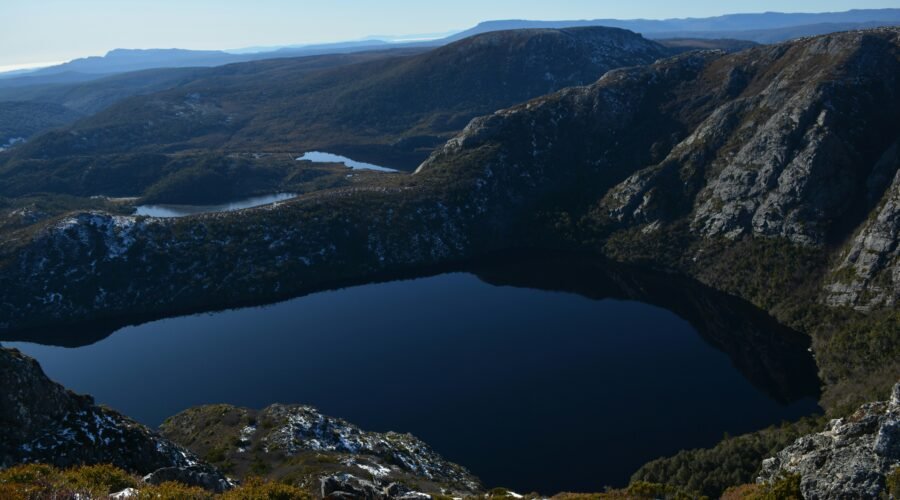
The best time to visit Cradle Mountain is October to November or March to April, when there is enough daylight for walking and crowds are lighter than in peak summer. Late April is best for Fagus autumn colour, and June to August suits snow lovers who accept cold, short days. This is an alpine area, so expect cool, changeable weather in every season.
Quick Answer
For most visitors, the best time to visit Cradle Mountain is October-November or March-April. These shoulder periods usually offer a useful balance of daylight, hiking opportunities, and smaller crowds than peak summer. Visit around late April for Fagus colour, or June-August if snow and quieter surroundings matter more than mild weather.
Key Takeaways
- Best overall balance: October-November and March-April.
- Best for Fagus colour: around late April, with timing varying naturally each year.
- Warmest period: December-February, although Cradle Mountain remains cool and changeable even in summer.
- Quietest, snowiest experience: June-August, with much colder conditions and a greater need for winter preparation.
- Most important rule: check the forecast and current park alerts before setting out because alpine conditions can change quickly in any month.
Best Time to Visit Cradle Mountain by Season
Cradle Mountain sits in Tasmania’s high country, so its climate is much cooler and wetter than many Australian destinations. Historical Bureau of Meteorology records from Cradle Valley (Waldheim), at an elevation of 903 metres, show how dramatically temperatures change through the year. These are historical climate averages rather than a forecast for your trip. The station closed in 2009 and its temperature record covers 1926–1977, so use the figures as a guide.
| Month | Avg high (°C) | Avg low (°C) | Avg rainfall (mm) | What to expect |
|---|---|---|---|---|
| January | 16.6 | 5.2 | 149 | Warmest, long days; busy around holidays |
| February | 17.0 | 5.9 | 122 | Driest month; settled spells but still changeable |
| March | 14.4 | 4.7 | 148 | Cooling, quieter after summer holidays |
| April | 10.8 | 3.1 | 204 | Fagus colour builds toward late April |
| May | 7.9 | 1.5 | 276 | Cold and wet; frost becomes likely |
| June | 5.1 | -0.2 | 272 | Winter begins; snow and ice possible |
| July | 4.6 | -0.2 | 316 | Coldest and wettest month; generally quiet |
| August | 4.9 | -0.5 | 302 | Snow still likely; short days |
| September | 7.5 | 0.3 | 269 | Wintry start to spring; snow possible |
| October | 10.5 | 1.5 | 252 | Days lengthen; Overland Track booking season starts |
| November | 12.8 | 2.5 | 205 | Spring growth, milder days |
| December | 15.2 | 4.1 | 182 | Warming up; busier toward Christmas |
Warning: Cradle Mountain is an alpine environment. Tasmania Parks and Wildlife Service warns that snow, rain, wind, and sun can occur at any time of year. Carry appropriate waterproof and warm clothing even in summer, and do not attempt exposed alpine walks when conditions exceed your experience or equipment.
Summer (December to February)
Summer brings the longest days and the mildest average temperatures, so it is naturally one of the most popular periods for sightseeing and walking.
Weather in Summer
Historical mean maximum temperatures at Cradle Valley are approximately 15.2°C in December, 16.6°C in January, and 17.0°C in February. Mean minimums are roughly 4.1-5.9°C. That means summer can feel pleasantly cool during the day and surprisingly cold after sunset. Rain, wind, low cloud, and occasional cold snaps remain possible.
Crowds in Summer
Expect the busiest overall conditions of the year around holiday periods. Popular walks, the visitor centre, shuttle buses, and accommodation can all be busier, particularly around Christmas, New Year, school holidays, and fine-weather weekends.
Costs in Summer
Accommodation demand is often strongest during the summer holiday period, so rooms may be more expensive or sell out earlier. Park entry itself follows the official Parks and Wildlife Service fee schedule rather than becoming more expensive simply because it is summer.
What to Do in Summer
Longer daylight makes summer attractive for the Dove Lake Circuit, Marions Lookout, Crater Lake, and other walks suited to your fitness and the day’s conditions. The Overland Track is also within its main booking season, which runs from 1 October to 31 May. Even in summer, it is a serious remote alpine walk that requires proper equipment and preparation.
Autumn (March to May)
Autumn combines cooler walking weather with one of Cradle Mountain’s most distinctive natural displays: the changing colour of Tasmania’s deciduous Fagus.
Weather in Autumn
Historical mean maximum temperatures fall from about 14.4°C in March to 10.8°C in April and 7.9°C in May. Mean minimums fall from 4.7°C in March to 1.5°C in May. Frost and wintry conditions become increasingly possible as the season progresses.
Crowds in Autumn
March generally feels less like the peak summer holiday period, while late April can become particularly popular with photographers and nature lovers seeking Fagus colour. Weekends around the strongest colour can feel noticeably busier than an ordinary autumn weekday.
Costs in Autumn
Accommodation value can improve after the summer holiday rush, although demand around the Fagus display can support higher rates at popular properties. Compare actual dates rather than assuming every autumn stay will be cheaper.
What to Do in Autumn
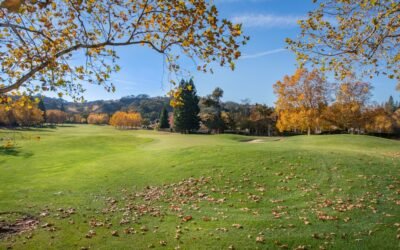
Autumn is excellent for hiking, photography, wildlife watching, and Fagus viewing. Tasmania Parks and Wildlife Service says Fagus colour generally peaks around Anzac Day on April 25, although the exact timing and intensity vary with natural conditions.
Winter (June to August)
Winter transforms Cradle Mountain into a much colder and often snow-covered landscape. It can be peaceful and dramatic, but it requires more flexibility and preparation.
Weather in Winter
Historical mean maximum temperatures are only about 5.1°C in June, 4.6°C in July, and 4.9°C in August. Mean minimum temperatures sit around -0.5°C to -0.2°C. Snow, frost, ice, strong wind, rain, and very cold apparent temperatures can affect walking plans.
Crowds in Winter
Winter is generally quieter than the warmer holiday periods. This can make it appealing if you value solitude and do not mind short daylight hours, colder conditions, and the possibility that weather will limit your plans.
Costs in Winter
Some accommodation providers may offer better availability or seasonal deals, but winter is not automatically cheaper in every respect. Park passes and shuttle fees follow their published schedules, and transport or accommodation prices can still vary by date.
What to Do in Winter
Winter is best approached as a chance to experience snowy scenery, short walks where conditions allow, and the park’s quieter atmosphere. Do not assume every summer walk remains suitable. Tasmania Parks and Wildlife Service advises that the exposed Cradle Summit route is not suitable when windy, snowy, or rainy weather is forecast.
Spring (September to November)
Spring brings longer days, fresh growth, wildflowers, and a gradual return to milder conditions, but September can still feel distinctly wintry.
Weather in Spring
Historical mean maximum temperatures rise from about 7.5°C in September to 10.5°C in October and 12.8°C in November. Mean minimums are approximately 0.3-2.5°C. Snow can still occur, especially earlier in spring, and conditions may shift quickly between cold, wet, windy, and bright weather.
Crowds in Spring
Visitor activity tends to build as days lengthen and walking conditions improve. October and November can offer a useful middle ground between the quieter winter period and the busier summer holidays.
Costs in Spring
Accommodation rates vary by property and date, but shoulder-season travel can sometimes provide better availability than peak summer. Booking ahead is still sensible for weekends and school-holiday periods.
What to Do in Spring
Spring suits visitors interested in longer daylight, new vegetation, wildflowers, and wildlife activity. Tasmania Parks and Wildlife Service specifically highlights spring at Cradle Mountain for emerging wildlife and seasonal growth.
The “Sweet Spot”: Shoulder Seasons
For many travelers, the most practical balance comes during late spring and early autumn. You avoid at least part of the summer holiday rush while retaining useful daylight and good opportunities for walking.
Late Spring (October-November)
October and November are attractive if you want longer days and emerging spring scenery without deliberately targeting the peak Christmas-New Year period.
Weather in Late Spring
Conditions are gradually becoming milder, but this is still alpine Tasmania. Historical mean maximum temperatures are around 10.5°C in October and 12.8°C in November, so pack for cold weather rather than expecting mainland-Australia spring warmth.
Crowds in Late Spring
Weekdays outside school holidays can feel more relaxed than peak summer dates. Fine-weather weekends may still be busy at Dove Lake and other popular stops.
Costs in Late Spring
Accommodation may offer better availability than the Christmas-New Year period, although rates vary widely by property and demand.
Early Autumn (March-April)
March and April are excellent for cool-weather walking and photography. April becomes especially appealing if Fagus colour is one of your priorities.
Weather in Early Autumn
Historical mean maximum temperatures are around 14.4°C in March and 10.8°C in April. Days shorten through the season, and cold nights become more common.
Crowds in Early Autumn
March can feel less intense than the summer holiday period. Late April attracts extra interest because Fagus colour typically reaches its strongest period around April 25.
Costs in Early Autumn
Good value is possible after summer, but Fagus demand can affect accommodation availability. Compare rates before assuming late April will be inexpensive.
Pro Tip: If you want Fagus colour with a better chance of avoiding the busiest viewing periods, build a few days of flexibility into a late-April trip and favor weekdays. The colour is a natural event, so there is no guaranteed single peak day every year.
Factors Beyond Weather and Crowds

Weather and crowds are major considerations, but seasonal scenery, wildlife, park access, walking goals, and your budget can matter just as much.
The Fagus Spectacle
If seeing Tasmania’s deciduous beech, Fagus (Nothofagus gunnii), is a major priority, aim for the second half of April into early May. Tasmania Parks and Wildlife Service says the colours normally reach a peak around April 25 and may remain vibrant for roughly a month. Dove Lake and Crater Lake are among the official viewing locations.
Wildlife Spotting
Cradle Mountain supports wombats, wallabies and pademelons, echidnas, and a range of birdlife. Sightings are possible throughout the year, so wildlife alone does not need to dictate your travel month. Seasonal behavior, weather, food availability, and simple luck all affect what you see.
Wombats
Wombats are one of the animals visitors commonly hope to encounter around Cradle Mountain. Give them space, never feed them, and be especially careful when driving in low light because wildlife may be on or beside the road.
Wallabies and Pademelons
Wallabies and pademelons are part of the park’s native wildlife. Observe from a respectful distance and avoid using food to attract them.
Echidnas
Echidnas may be seen foraging around the park. Spring can be an interesting period for wildlife activity, but sightings can never be guaranteed.
Birdlife
Birdlife adds interest in every season. Slow down, keep noise low, and use binoculars rather than approaching wildlife closely for photographs.
Cost Considerations
Your overall trip cost includes accommodation, transport, food, tours, park entry, and potentially shuttle access. Only some of those costs change substantially by season.
Peak Season Pricing
Accommodation and rental-car demand can be higher during the summer holiday period, particularly around Christmas, New Year, and school holidays. Booking early improves your choice of properties but does not guarantee a lower rate.
Shoulder Season Value
March-April and October-November can offer a useful balance between availability and favorable sightseeing conditions. Late April is an exception worth watching because Fagus visitors can increase demand.
Winter Value
Winter may provide better accommodation availability or promotions, but compare your actual dates. Extra cold-weather equipment, disrupted plans, or transport changes can offset part of the saving.
Current Park Entry and Shuttle Costs
At the time of writing, Tasmania Parks and Wildlife Service lists a Cradle Mountain Icon Daily Pass that includes the Cradle Mountain shuttle service. The listed price is $30.70 for adults, $12.30 for children aged 5–17 and $73.75 for a family of two adults and three children. Children under five are free.
If you hold a different pass type, the shuttle is not included. Adults pay $15.50 for a 72-hour shuttle ticket unless they hold an Icon pass or an Overland Track Pass, and children under 18 ride free. Fees can change, so check the official fee page before you travel.
Accessibility, Shuttle Buses, and Dove Lake Road
The Cradle Mountain shuttle operates seven days a week, with hours changing through the year. It runs from the Visitor Centre to stops including the Interpretation Centre/Ranger Station, Snake Hill, Ronny Creek, and Dove Lake.
Private vehicle access toward Dove Lake is restricted during shuttle operating periods. Outside those periods, parking at Dove Lake is very limited. Campervans, motorhomes, caravans, trailers, and similar vehicles are not permitted on Dove Lake Road at any time.
Winter Road and Weather Conditions
Snow, ice, wind, and other weather conditions can affect road and shuttle operations. Rather than assuming a particular road will be open or that special equipment will always be required, check current conditions with Tasmania Parks and Wildlife Service shortly before you travel.
Daylight Hours
Summer gives you substantially more daylight for sightseeing and longer walks. Winter provides a much shorter activity window, which matters when choosing a route and deciding what time to turn back.
Note: Shuttle timetables, alerts, track conditions, and access arrangements can change. Check the official Tasmania Parks and Wildlife Service alerts before your visit.
Making Your Decision

The best time to visit Cradle Mountain ultimately depends on what you care about most.
For the Hiking Enthusiast
October-November and March-April are strong choices if you want useful daylight without deliberately choosing mid-winter. Summer provides the longest days, but it does not eliminate alpine weather risk.
If your goal is the Overland Track, plan around the official rules rather than simply choosing “summer”. The booking season runs from 1 October to 31 May, and in the 2026–27 summer season the Parks site lists an Overland Track Pass at $312 for adults and $272 for children and concessions. From 1 June to 23 September walkers register instead of booking, and conditions are far harsher. Tasmania Parks and Wildlife Service describes the track as a serious Grade 4 walk for fit, well-prepared walkers with remote alpine experience. Many walkers finish at Lake St Clair, so see our guide to the best time to visit Lake St Clair.
For the Budget Traveler
Consider June-August if lower accommodation demand is important and you are comfortable with cold conditions. Also compare March, May, September, and October, because shoulder dates can sometimes offer better value without the same level of winter-weather disruption.
For the Photographer
Choose late April for your best chance of seeing strong Fagus colour, winter for snow-covered landscapes, or summer for the longest shooting window. Fog, cloud, rain, and rapidly shifting light are part of the Cradle Mountain experience in every season.
For Avoiding Crowds
Winter (June-August) generally provides the quietest overall atmosphere. For a better combination of accessibility and lighter crowds, consider weekdays in October-November or March. Late April can become busier around the strongest Fagus colour.
For Families
Summer and late spring are practical for many families because longer daylight makes it easier to fit shorter walks and sightseeing into the day. The Enchanted Walk is a short Grade 2 circuit of about 1.1 km (around 20 minutes) described as suitable for most ages, with a wombat-burrow-style tunnel that children enjoy.
Match every walk to the youngest or least-experienced person in your group. Tasmania Parks and Wildlife Service states that the full Overland Track is not recommended for children under eight, and exposed alpine routes require a much higher level of preparation.
| Season | Typical conditions | Crowds | Cost level | Best for |
|---|---|---|---|---|
| December–February | Mildest temperatures, long days, still changeable | Highest around holidays | Highest | Long days, general sightseeing, hiking |
| March–May | Cooling quickly, rising frost risk | Moderate; late April can be busy | Mid to high (Fagus weekends) | Fagus colour, photography, cool-weather hiking |
| June–August | Cold, short days, snow and ice possible | Generally lowest | Often lowest, but compare dates | Snow scenery, solitude, winter atmosphere |
| September–November | Cool and variable, becoming milder | Building toward summer | Mid | Wildflowers, longer days, shoulder-season trips |
What to Pack, Regardless of the Season
No matter when you visit, packing for rapidly changing alpine weather is essential.
- Waterproof and windproof outer layer: Bring a proper rain jacket with a hood.
- Warm mid-layers: Fleece or wool is useful even outside winter.
- Thermal base layers: Particularly important in the colder months and for longer walks.
- Sturdy walking footwear: Choose footwear appropriate for your route and wet conditions.
- Wool or synthetic socks: Carry a dry spare pair on longer walks.
- Warm hat and gloves: Alpine wind can make conditions feel much colder than the air temperature.
- Sun protection: Carry sunscreen, sunglasses, and a hat.
- Insect repellent: Useful during warmer periods.
- Reusable water bottle: Carry enough drinking water for your route.
- Food and snacks: Bring enough energy for the length of your planned walk plus a sensible reserve.
Before You Go
Check the current weather forecast, Tasmania Parks and Wildlife Service alerts, shuttle timetable, park-entry requirements, and the difficulty of your chosen walk immediately before your visit. Do not rely solely on a seasonal average: the conditions you encounter on one particular day can be much colder, wetter, windier, or clearer than the long-term average.
By balancing weather, daylight, scenery, crowds, access, and your own walking experience, you can choose a Cradle Mountain season that matches the trip you actually want rather than searching for one universally perfect month.
More Tasmania Guides
If you are building a wider Tasmanian itinerary, compare the best time to visit Launceston, the usual gateway to the north-west, and the best time to visit Walls of Jerusalem for another alpine national park. For a gentler stop on the way, see the best time to visit Sheffield, and for the whole island read our best time to visit Tasmania overview.
Frequently Asked Questions
What is the best time to visit Cradle Mountain?
October to November and March to April are the best all-round times, with useful daylight, workable walking conditions and lighter crowds than peak summer. Late April is best for Fagus colour, and June to August is best for snow.
What is the best time to visit Cradle Mountain for good weather?
December to February has the mildest average temperatures (highs of roughly 15–17°C) and the longest days, but the weather can still change fast. February is the driest month on average. Many visitors prefer March–April or October–November for a better balance of daylight, walking conditions and crowds.
When is Cradle Mountain busiest?
Summer holiday periods are generally busiest, especially around Christmas, New Year, school holidays and fine-weather weekends. Late April can also draw extra visitors for the Fagus display.
What are the shoulder seasons at Cradle Mountain?
The broad shoulder seasons are spring (September to November) and autumn (March to May). October–November and March–April are the most useful starting points.
When can I see snow at Cradle Mountain?
Snow is most likely from June to August, but alpine snow can fall at other times of year. It is never guaranteed on a particular day, and it can make exposed walks unsuitable or hazardous.
When is the best time to see Fagus at Cradle Mountain?
Tasmania Parks and Wildlife Service says Fagus colour typically peaks around Anzac Day (25 April) and stays vibrant for about a month. Dove Lake and Crater Lake are official viewing spots, and the exact timing varies each year.
Do I need a park pass and shuttle ticket for Cradle Mountain?
A valid parks pass is required. The Cradle Mountain Icon Daily Pass (listed at $30.70 for adults) includes the shuttle. Other pass types do not, and adults then pay a separate shuttle fee. Check the current Tasmania Parks and Wildlife Service fee and shuttle pages before you travel.
Is the Overland Track open all year?
The track can be walked all year, but the booking and fee season runs from 1 October to 31 May. From 1 June to 23 September walkers register instead of booking, and conditions are much more severe, with snow, ice and strong wind.
Is winter the cheapest time to visit Cradle Mountain?
Winter can bring lower accommodation demand and occasional deals, but it is not guaranteed to be cheapest. Park fees follow the published schedule, and your total cost depends on accommodation, transport, gear and exact dates.
Sources
- Australian Bureau of Meteorology — Cradle Valley climate statistics — historical temperature and rainfall averages.
- Tasmania Parks and Wildlife Service — Cradle Mountain — official park information, seasonal conditions, access, and visitor guidance.
- Tasmania Parks and Wildlife Service — Fagus — official timing and locations for Tasmania’s deciduous beech display.
- Tasmania Parks and Wildlife Service — Overland Track — booking season, difficulty, preparation, and safety requirements.
- Tasmania Parks and Wildlife Service — Cradle Mountain Shuttle Bus — shuttle fees, operating arrangements, and Dove Lake access.
- Tasmania Parks and Wildlife Service — Park Passes and Entry Fees — current Cradle Mountain entry and pass pricing.