So, you’re thinking about heading to Sheffield, Tasmania, huh? That’s a fantastic choice! This charming little town, famous for its mural art, has a real allure. But when’s the best time to visit? The quick answer is: it really depends on what you’re after. If you want mild weather and fewer people, spring or autumn are your sweet spots. If you’re chasing sunshine and don’t mind a few more faces, summer’s the go. And if you’re on a tighter budget or love a cozy, quiet vibe, winter might surprise you.
Let’s break down the nitty-gritty of Sheffield’s seasons to help you pick your perfect getaway.
Sheffield, nestled in the northwest of Tasmania, experiences a temperate maritime climate. This means you’re unlikely to encounter extreme heat or cold, but you will see distinct seasons with varying weather patterns. It’s a region that gets its fair share of rain throughout the year, so packing layers and waterproofs is always a good idea, regardless of when you plan your trip.
Spring (September – November): Nature Wakes Up
Spring in Sheffield is a time of gentle awakening. The landscape, which can feel a bit dormant over winter, starts to burst back to life. You’ll see wildflowers appearing in the paddocks and along the roadsides, and the air gets a crisp freshness to it.
Weather in Spring
- Temperatures: Expect average daily temperatures to hover between 10°C and 18°C (50°F to 64°F). Mornings can be quite cool, often dropping to single digits, while afternoons can feel pleasantly mild.
- Rainfall: Spring is still a moderately wet season. You can anticipate a mix of sunny spells and showers. It’s not usually the heavy, persistent rain of winter, but rather more frequent, shorter bursts.
- Daylight Hours: Days are getting noticeably longer, which is a bonus for exploring. You’ll have ample daylight to take in the murals and surrounding countryside.
Crowd Levels in Spring
- Moderate: Spring generally sees a moderate number of visitors. It’s not peak season, so you won’t be jostling for space at the main attractions.
- School Holidays: Keep an eye on Tasmanian and Australian school holiday periods, as these can bring a slight uptick in local and domestic tourism, particularly during the latter half of spring.
Costs in Spring
- Mid-Range: Accommodation and flight prices are typically mid-range. You’ll likely find better deals than during the summer holidays, but it’s not as budget-friendly as winter.
- Good Value: It’s a great time to find a good balance between pleasant weather and reasonable prices.
Summer (December – February): The Warmest and Brightest
Summer is Sheffield’s warmest and sunniest season. It’s the time when many Australians escape the heat elsewhere for the cooler, yet still pleasant, Tasmanian climate.
Weather in Summer
- Temperatures: Average daily temperatures are usually between 18°C and 25°C (64°F to 77°F). While it can occasionally get warmer, reaching into the high 20s or even low 30s Celsius, it rarely becomes oppressively hot. Evenings are generally comfortable.
- Rainfall: Summer is generally the driest of the seasons in Sheffield, though you can still expect occasional showers. These are often short-lived, and the sunshine usually returns quickly.
- Daylight Hours: You’ll experience the longest days of the year, offering plenty of opportunity for outdoor activities and sightseeing.
Crowd Levels in Summer
- Peak Season: Summer is Sheffield’s busiest period, especially during December and January, which coincide with school holidays.
- Murals and Markets: The town will be more bustling, particularly around the main mural sites and any local markets or events that are running.
- Book Ahead: If you’re planning a summer visit, it’s essential to book your accommodation and any popular tours well in advance.
Costs in Summer
- Highest: This is when you’ll typically find the highest prices for accommodation and flights. Demand is at its peak.
- Premium Prices: Be prepared to pay a premium for lodging, especially if you want something centrally located or with good amenities.
Autumn (March – May): A Painter’s Palette of Colors
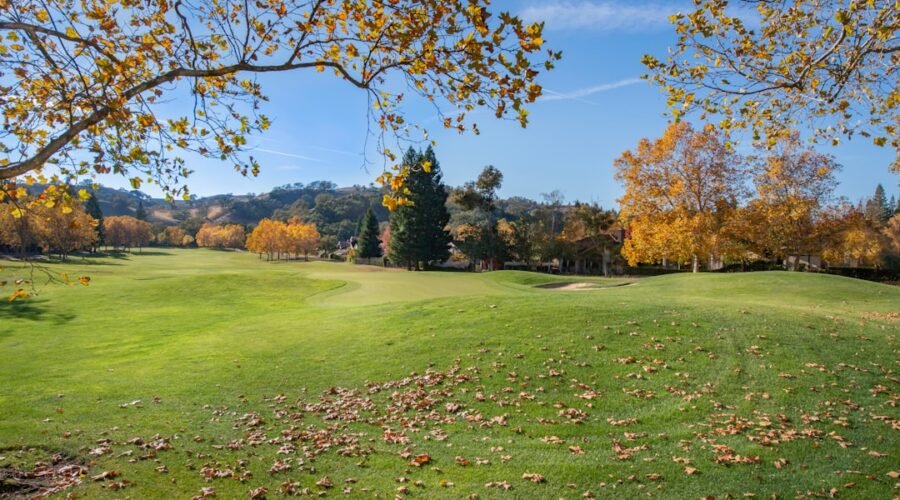
Autumn in Sheffield is a truly beautiful time. The landscape transforms into a canvas of reds, oranges, and yellows as the deciduous trees shed their leaves. The air becomes crisp and clear, often offering stunning vistas.
Weather in Autumn
- Temperatures: Expect average daily temperatures to range from 12°C to 20°C (54°F to 68°F). Early autumn can still feel quite warm, while by May, it starts to get noticeably cooler.
- Rainfall: Rainfall levels are similar to spring, with a good chance of showers mixed with sunny days. The rain can contribute to the vibrant autumn colours.
- Daylight Hours: Daylight hours start to decrease as the season progresses, but you still have a decent amount of time to explore during the day.
Crowd Levels in Autumn
- Decreasing: Crowd numbers generally start to drop off after the summer holidays. While there might be a brief surge during early autumn when the colours are at their peak, it’s usually less crowded than summer.
- Peaceful Exploration: This is a great time for a more relaxed visit, where you can take your time appreciating the murals and the scenery without feeling rushed.
Costs in Autumn
- Falling: As demand decreases, so do prices. You’ll often find more competitive rates for accommodation and flights compared to summer.
- Excellent Value: Autumn offers a fantastic sweet spot for many travellers – beautiful scenery, pleasant weather, and good value for money.
Winter (June – August): Cozy and Quiet
Winter in Sheffield is the quietest and coldest season. It’s a time for embracing the cozy side of Tasmania, enjoying warm fires, hearty food, and a slower pace of life.
Weather in Winter
- Temperatures: Average daily temperatures are typically between 5°C and 12°C (41°F to 54°F). Nights can get quite chilly, often dropping below freezing, so frost is common. Snow is rare in the town itself but can be seen on the nearby mountains, like Mount Roland.
- Rainfall: Winter is usually the wettest season in Sheffield, with a higher likelihood of persistent rain. However, you can also get clear, crisp days, especially after a cold snap.
- Daylight Hours: Days are at their shortest, with limited daylight hours. This means you’ll need to plan your outdoor activities accordingly.
Crowd Levels in Winter
- Lowest: Winter is the low season for tourism in Sheffield. You’ll find the town to be very quiet, with fewer visitors.
- Peace and Solitude: If you’re looking for a tranquil escape and a chance to experience Sheffield at its most serene, winter is ideal. You’ll have the murals and local cafes largely to yourself.
Costs in Winter
- Lowest: This is generally the most budget-friendly time to visit Sheffield. Accommodation prices often see significant drops.
- Great Deals: If your priority is saving money, winter is your best bet. You can often snag great deals on places to stay.
If you’re planning a trip to Sheffield, Tasmania, understanding the best time to visit can greatly enhance your experience. For those interested in exploring other destinations with similar considerations regarding weather, crowds, and costs, you might find the article on La Ronge, Saskatchewan particularly useful. It provides insights that can help you make informed travel decisions. You can read more about it here: Best Time to Visit La Ronge, Saskatchewan: Weather, Crowds, and Costs.
Considering the “Art” of Your Visit: When to See the Murals
Sheffield is globally renowned as the “Town of Murals,” and this is undoubtedly the main draw for most visitors. The timing of your visit can influence how you experience these vibrant artworks.
Peak Mural Viewing Season
- Summer: While it’s the busiest, summer offers the longest daylight hours, meaning you have more time to wander and admire the murals. The generally good weather also makes for pleasant outdoor exploration.
- Spring/Autumn: These shoulder seasons also provide excellent conditions for mural viewing. The weather is usually agreeable enough for walking around town, and the natural beauty surrounding the murals (spring wildflowers, autumn foliage) adds an extra layer of charm.
Off-Peak Mural Viewing
- Winter: Visiting in winter means fewer crowds, allowing for a more intimate experience with each mural. You might find yourself having the artworks almost entirely to yourself, enabling a deeper appreciation without distractions. The crisp winter light can also lend a unique atmosphere to the paintings.
Beyond the Murals: Exploring Sheffield and Tasmania’s Regions
Sheffield isn’t just about its street art. It’s a gateway to some of Tasmania’s most stunning natural landscapes, including Cradle Mountain-Lake St Clair National Park, and it’s surrounded by fertile agricultural land.
When to Visit for Nature and Outdoor Activities
- Spring: Ideal for bushwalking as the flora comes alive. Many walking tracks around Sheffield and towards Cradle Mountain will be accessible and beautiful. Birdwatching is also excellent during this time.
- Summer: The prime season for hiking in national parks like Cradle Mountain, with longer days and generally stable weather. Water activities on nearby lakes and rivers are also best enjoyed during the warmer months.
- Autumn: Fantastic for scenic drives and walks. The changing colours of the foliage create breathtaking backdrops. Many walking tracks remain accessible, though you’ll need to be prepared for cooler temperatures.
- Winter: For the intrepid, winter offers a different kind of beauty. Snow on Mount Roland can be spectacular, and the landscape has a stark, dramatic appeal. However, some higher-altitude walking tracks may be closed or require special equipment due to snow and ice.
Eventful Times: Festivals and Local Happenings
While Sheffield is a relatively small town, it does host events that can influence visitor numbers and your overall experience.
Key Events to Consider
- Sheffield Arts Festival: Typically held in late spring or early summer, this festival celebrates the town’s artistic spirit with exhibitions, workshops, and performances.
- Local Markets: Throughout the year, you’ll find local produce and craft markets, which are great for experiencing the local community. These are more frequent in spring and summer.
- Public Holidays: Major Australian public holidays, especially over Christmas and New Year, will see an increase in visitor numbers.
If you’re planning a trip to Sheffield, Tasmania, it’s essential to consider not just the weather and crowds but also the overall costs associated with your visit. For those interested in exploring other stunning destinations, you might find it helpful to read about the best times to visit Ulubey Canyon in Usak, which offers insights into weather patterns and visitor trends. This can provide a broader perspective on travel planning, ensuring you make the most of your adventures. You can check out the article for more details here.
Practicalities: Travel and Accommodation Considerations
| Month | Weather | Crowds | Costs |
|---|---|---|---|
| January | Warm and sunny | High | High |
| February | Warm and sunny | High | High |
| March | Mild and pleasant | Medium | Medium |
| April | Cool and crisp | Low | Low |
| May | Cool and crisp | Low | Low |
| June | Cool and rainy | Low | Low |
| July | Cool and rainy | Low | Low |
| August | Cool and rainy | Low | Low |
| September | Mild and pleasant | Low | Low |
| October | Warm and sunny | Medium | Medium |
| November | Warm and sunny | High | High |
| December | Warm and sunny | High | High |
When planning your trip, it’s always wise to think about how to get there and where you’ll stay, as these factors can influence your budget and the overall ease of your visit.
Getting to Sheffield
- Flights: The closest major airport is Launceston (LST), about a 1.5-hour drive away. Hobart (HBA) is further, around a 2.5 to 3-hour drive.
- Car Hire: Hiring a car is highly recommended for exploring Sheffield and the surrounding Tasmanian regions. Prices for car hire can fluctuate, with summer often being more expensive. Booking in advance is crucial during peak seasons.
Accommodation in Sheffield
- Options: Sheffield offers a range of accommodation, from charming bed and breakfasts and boutique guesthouses to self-contained cottages and motels.
- Booking: As mentioned, booking ahead is essential during peak summer months. For spring, autumn, and winter, you generally have more flexibility, though booking at least a few weeks in advance is still a good practice, especially if you have specific preferences or are travelling during a long weekend.
Making Your Choice: Tailoring Your Visit to Your Priorities
Ultimately, the “best” time to visit Sheffield is the time that best suits you.
For the Budget-Conscious Traveller
- Winter: Undoubtedly the cheapest time. You’ll get more bang for your buck on accommodation. Be prepared for colder weather and shorter days, but embrace the quiet charm.
For the Sunshine Seeker
- Summer: If long, warm days and the highest chance of sunshine are your priority, summer is the way to go. Just be ready for the crowds and higher prices.
For the Art Enthusiast and Scenery Lover
- Spring and Autumn: These seasons offer a beautiful balance. You’ll have pleasant weather for exploring the murals and the surrounding countryside, with the added beauty of blooming flowers or autumn colours. Crowds are manageable, and prices are reasonable.
For the Peace and Quiet Seeker
- Winter: If you crave tranquility and want to experience Sheffield without the hustle and bustle, winter is perfect. You can immerse yourself in the art and the atmosphere at your own pace.
No matter when you choose to visit Sheffield, you’re in for a treat. It’s a place that rewards exploration with its artistic flair, natural beauty, and friendly local atmosphere. Just pack appropriately, keep an open mind, and you’re bound to have a memorable experience.
FAQs
1. What is the best time to visit Sheffield, Tasmania in terms of weather?
The best time to visit Sheffield, Tasmania in terms of weather is during the summer months of December to February. During this time, the weather is warm and pleasant, making it ideal for outdoor activities and exploring the natural beauty of the area.
2. When is the peak tourist season in Sheffield, Tasmania?
The peak tourist season in Sheffield, Tasmania is during the summer months of December to February. During this time, the town experiences an influx of visitors, so it’s important to book accommodations and activities in advance.
3. When is the off-peak season in Sheffield, Tasmania?
The off-peak season in Sheffield, Tasmania is during the winter months of June to August. During this time, the town experiences fewer tourists, making it a quieter and more affordable time to visit.
4. What are the average costs of visiting Sheffield, Tasmania during the peak tourist season?
During the peak tourist season, the costs of visiting Sheffield, Tasmania may be higher due to increased demand for accommodations, activities, and dining. It’s advisable to budget accordingly and book in advance to secure the best prices.
5. Are there any annual events or festivals in Sheffield, Tasmania that visitors should consider when planning their trip?
Yes, Sheffield, Tasmania is known for its annual Mural Fest, a week-long festival celebrating the town’s vibrant art scene. The event typically takes place in April and attracts artists and visitors from around the world.