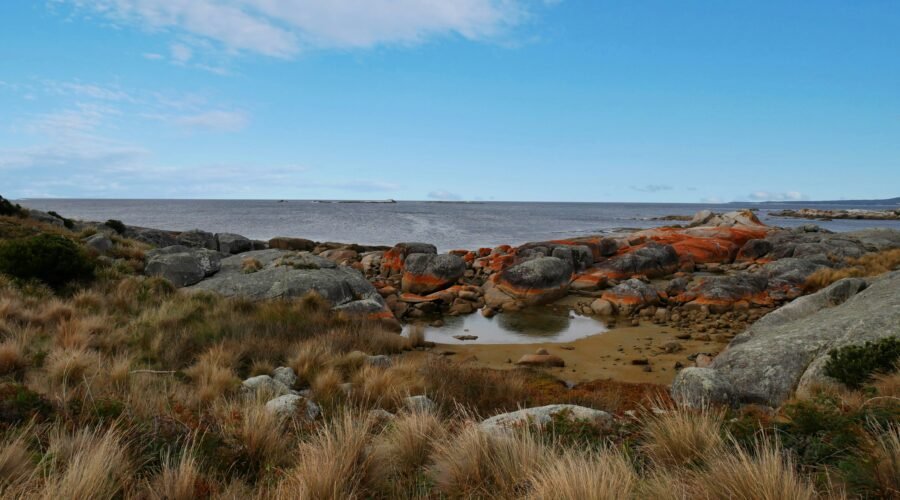
Planning a trip to the Bay of Fires in Tasmania? You’re likely wondering when’s the sweet spot to go. The short answer is late spring to early autumn (November to March). This period offers the best combination of warmer weather, longer daylight hours, and generally more accessible conditions for enjoying all the Bay has to offer. However, there are nuances to consider regarding crowds and costs, and sometimes, the shoulder seasons can offer a different, equally rewarding experience.
Understanding the Bay of Fires Climate
Before diving into specific months, it’s good to get a feel for what kind of weather you can expect in this part of Tasmania. The Bay of Fires experiences a mild, temperate climate, but like much of Tasmania, it can be quite changeable.
General Weather Patterns
Tasmania isn’t known for scorching heat, even in summer. The Bay of Fires typically sees average summer temperatures ranging from the high teens to low twenties (Celsius). Winters are cooler, often sitting around 10-15°C during the day. Rain is possible year-round, so always pack layers and be prepared for a sprinkle, even on a sunny forecast.
Wind and Sunshine
Wind can be a factor, particularly along the exposed coastline. Even on a warm day, a brisk breeze can make it feel cooler. Sunshine hours are longest in summer, giving you plenty of daylight for exploring. In winter, days are shorter, and while sunny days are common, they are less frequent than in summer.
If you’re planning a trip to the stunning Bay of Fires in Tasmania, it’s essential to consider the best time to visit, taking into account factors like weather, crowds, and costs. For those interested in exploring other beautiful destinations, you might find it helpful to read about the best time to visit North Dakota, which also discusses similar aspects of travel planning. You can check out the article here: Best Time to Visit North Dakota: Weather, Crowds, and Costs.
Optimal Seasons: Balancing Sunshine and Serenity
Let’s break down the best times to visit based on what you’re looking for.
Summer (December to February): The Peak Experience
This is, undeniably, the most popular time to visit the Bay of Fires, and for good reason.
Weather in Summer
Expect the warmest and most stable weather during these months. Average daytime temperatures typically range from 19-24°C, occasionally nudging higher on particularly fine days. This is prime swimming, snorkeling, and beach-strolling weather. The ocean temperatures are at their highest, though still bracing for some, usually around 17-19°C. You’ll also get the longest daylight hours, often extending past 8 PM, which is fantastic for late afternoon walks and enjoying sunsets. While it’s generally drier than other seasons, a summer shower isn’t out of the question, so a light rain jacket is still a good idea.
Summer Crowds
This is where the trade-off comes in. Being the peak season, the Bay of Fires can get quite busy, especially around popular spots like Binalong Bay, Jeanneret Beach, and the various camp zones. School holidays (mid-December to late January) are particularly bustling. While the Bay of Fires is extensive enough that you can often find a quiet stretch of beach, don’t expect solitude at the main car parks and scenic lookouts during this period. Booking accommodation and popular tours well in advance is absolutely essential. Campgrounds, especially the free ones, fill up very quickly.
Summer Costs
Unsurprisingly, summer is also the most expensive time to visit. Accommodation rates, particularly for holiday houses and premium stays, are at their peak. Car hire can also be pricier and harder to secure without early booking. Some tour operators might have slightly higher rates due to demand. If you’re on a budget, this might not be your ideal time unless you plan meticulously and book far ahead.
Autumn (March to May): A Golden Compromise
Often overlooked, autumn is a fantastic alternative to the summer rush.
Weather in Autumn
March generally extends the warmth of summer, with pleasant temperatures similar to February, perhaps a degree or two cooler. As you move into April and May, temperatures gradually cool, typically ranging from 15-20°C in March, dropping to 10-15°C by May. The water is still warm enough for a quick dip in March, though it starts to cool off significantly by April. The real draw of autumn weather is often the clearer, crisper air and stunning light for photography. The famous orange lichen on the rocks seems to glow even more intensely under the autumn sun. While still generally fine, there’s an increased chance of rain showers compared to summer, but often they are short-lived.
Autumn Crowds
One of autumn’s biggest advantages is the significantly reduced crowds. After the school holidays end in late January and February, things quieten down considerably. March still sees a decent number of visitors, but nothing like peak summer. April and May are wonderfully peaceful. You’ll find fewer people on the beaches, more availability for accommodation, and a much more relaxed atmosphere. This is perfect if you value tranquility and don’t mind slightly cooler temperatures.
Autumn Costs
As demand drops, so do prices. Accommodation rates are generally lower in autumn compared to summer. Car hire can also be more affordable, and you’ll have more flexibility with bookings. It’s a great time to snag a deal and enjoy the beauty of the Bay without breaking the bank.
Spring (September to November): Awakening Beauty
Spring offers a similar appeal to autumn but with a sense of renewal.
Weather in Spring
September can still feel a bit chilly, with average temperatures around 12-16°C, but by October and November, it starts to warm up nicely, reaching 15-20°C. The days progressively lengthen, and the air feels fresh and invigorating. While sunshine is more frequent than in winter, spring is also known for its changeable weather. You might experience all four seasons in one day, so layering is key! The ocean will still be quite cold (around 14-16°C), so swimming is generally reserved for the very brave or those in wetsuits. However, the wildflowers start to bloom, adding an extra splash of color to the landscape.
Spring Crowds
Similar to autumn, spring is a shoulder season with fewer crowds than summer. Early spring (September-October) is particularly quiet. As November approaches, visitor numbers start to pick up as people anticipate summer, but it’s still far less busy than December or January. This is an excellent time if you want to beat the summer rush but still enjoy pleasant weather and longer days.
Spring Costs
Like autumn, spring generally offers better value than summer. Accommodation and car hire prices will be more reasonable, allowing for a more budget-friendly trip while still enjoying good conditions.
The Quieter Times: Winter’s Unique Charm
Don’t rule out winter entirely if you’re seeking a very different kind of experience.
Winter (June to August): Solitude and Dramatic Beauty
Winter in the Bay of Fires isn’t for everyone, but it has its unique allure.
Weather in Winter
Expect cooler temperatures, typically ranging from 10-15°C during the day. Nights can drop to single digits. While it’s generally the wettest season, winter often brings crisp, clear, sunny days interspersed with spectacular stormy weather. The winds can be strong, adding to the dramatic atmosphere. Swimming is strictly for the hardcore, with ocean temperatures hovering around 12-14°C. Daylight hours are significantly shorter, with sunsets occurring by 5 PM.
Winter Crowds
If you crave solitude, winter is your season. You’ll likely have many stretches of beach entirely to yourself. The atmosphere is peaceful and contemplative. This is a time for rugged walks, cozy evenings, and appreciating the raw, untamed beauty of the coastline without any distractions.
Winter Costs
This is typically the cheapest time to visit. Accommodation rates are at their lowest, and you’ll find plenty of availability. Car hire is also usually more affordable. Some smaller tour operators might reduce their schedule or close for a period in winter, so check in advance if you have specific activities in mind.
What to Pack for Winter
If you do brave the winter, pack warm waterproof layers, including a good quality waterproof and windproof jacket, sturdy walking shoes, warm hats, gloves, and scarves. Don’t forget a thermos for hot drinks!
Activities and Best Times
Consider what you want to do at the Bay of Fires when planning your visit.
Beach Activities (Swimming, Snorkelling, Sunbathing)
Best Time: Summer (December-February) is ideal for warm water and extended beach time. Late spring (November) and early autumn (March) can also be pleasant, but the water will be cooler.
Hiking and Walking
Best Time: All seasons offer opportunities, but autumn (March-May) and spring (September-November) are particularly good. The temperatures are milder for longer walks, and the light is often fantastic for photography. Summer can be great too, but it might get a bit hot mid-day for strenuous activity. Winter offers dramatic coastal walks if you’re well-prepared for the elements.
Photography
Best Time: Autumn (March-May) and Spring (September-November) are arguably the best. The lower sun angles provide softer light, and the clear air can make for incredibly vibrant colors. Winter can also offer incredibly dramatic and moody shots, especially during or after a storm. Summer midday light can be harsh for photography, but sunrise and sunset are always stunning.
Wildlife Spotting (Birds, Marine Life)
Best Time: Spring (September-November) is excellent for birdwatching as many species are active and breeding. While marine life (like dolphins) can be seen year-round, calmer summer waters might offer slightly better chances for spotting them from the shore.
Camping
Best Time: Summer (December-February) is the most popular for camping due to the warm weather. However, securing a spot can be very challenging. Autumn (March-May) and Spring (September-November) offer a much more relaxed camping experience with fewer crowds and generally pleasant weather, though nights can be cooler. Winter camping is for the hardy and well-equipped.
If you’re planning a trip to the stunning Bay of Fires in Tasmania, it’s essential to consider not only the best time to visit but also how it compares to other beautiful destinations. For instance, you might find it helpful to read about the ideal times to explore Kula Manisa, which offers insights into weather, crowds, and costs that could enhance your travel planning. You can check out the article for more information here. Understanding these factors will ensure you have a memorable experience in both locations.
Making Your Decision: A Quick Guide
- For classic beach holidays with warmth and swimming: Summer (December – February) is your best bet, but be prepared for crowds and higher costs. Book everything well in advance.
- For beautiful weather, fewer crowds, and good value: Autumn (March – May) and Spring (September – November) are excellent choices. You get pleasant temperatures and a more relaxed experience.
- For solitude, dramatic landscapes, and budget travel: Winter (June – August) can be incredibly rewarding for those who embrace cooler weather and don’t mind shorter days.
Ultimately, the “best” time to visit the Bay of Fires depends on your personal preferences and priorities. Each season offers a unique perspective on this stunning Tasmanian gem. Whatever time you choose, you’re in for an unforgettable experience. Just remember to pack layers, be flexible, and prepare for Tasmania’s famously changeable weather!
FAQs
1. What is the best time to visit Bay of Fires, Tasmania in terms of weather?
The best time to visit Bay of Fires, Tasmania in terms of weather is during the summer months of December to February. This is when the weather is warm and dry, with average temperatures ranging from 17°C to 23°C.
2. When is the best time to visit Bay of Fires, Tasmania to avoid crowds?
To avoid crowds, it is best to visit Bay of Fires, Tasmania during the shoulder seasons of spring (September to November) and autumn (March to May). During these times, the tourist crowds are smaller, and you can enjoy the beauty of the area in a more peaceful setting.
3. What is the peak tourist season in Bay of Fires, Tasmania?
The peak tourist season in Bay of Fires, Tasmania is during the summer months of December to February. This is when the area experiences the highest number of visitors, and accommodations and attractions may be more crowded.
4. When is the off-peak season in Bay of Fires, Tasmania?
The off-peak season in Bay of Fires, Tasmania is during the winter months of June to August. During this time, the weather is cooler, and visitor numbers are lower, making it a quieter time to visit the area.
5. How does the cost of visiting Bay of Fires, Tasmania vary throughout the year?
The cost of visiting Bay of Fires, Tasmania can vary throughout the year. Accommodation and tour prices tend to be higher during the peak summer season, while they may be more affordable during the shoulder and off-peak seasons. It’s important to consider these factors when planning a trip to Bay of Fires.