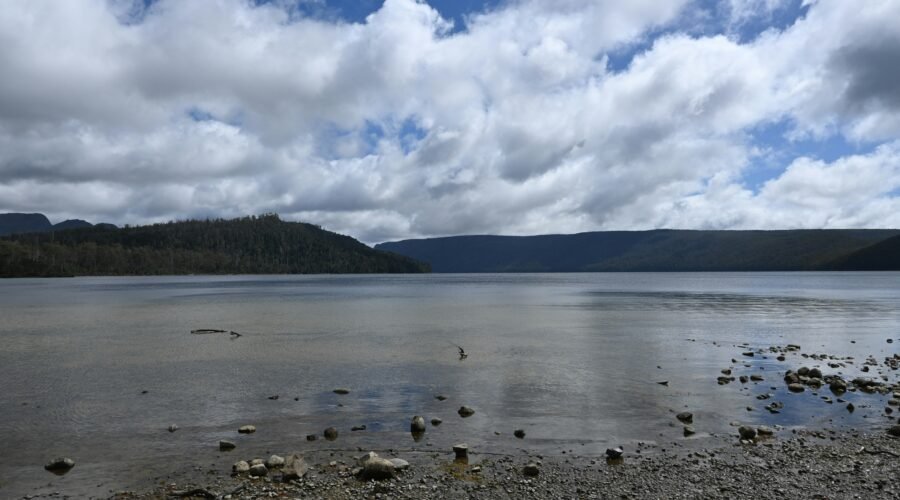
Lake St Clair is spectacular in every season, but the best time to visit depends on whether you value easier hiking weather, autumn colour, fewer visitors, lower seasonal demand, or snowy alpine scenery. For most first-time visitors, late spring through early autumn offers the simplest conditions, while April and November can provide a particularly useful balance of scenery, manageable crowds, and milder weather.
Quick Answer
For most visitors, the best time to visit Lake St Clair is November through April. January and February bring the warmest average daytime temperatures, while March and April offer cooler walking weather and autumn scenery. Choose May through September mainly if you are comfortable with colder, wetter and potentially snowy alpine conditions.
Key Takeaways
- Best overall period: November through April for longer daylight, milder temperatures and easier access to most walks.
- Warmest months: January and February, when Lake St Clair’s official climate station records mean maximum temperatures of about 19-20°C.
- Best autumn colour: Late April into May, when Tasmania’s deciduous fagus can turn gold, orange and rust-red.
- Quietest period: Winter generally has fewer leisure visitors, but cold, rain, snow and difficult tracks make it a more demanding time to explore.
- Overland Track: The booking season runs from October 1 through May 31, and booking-season walkers depart from the Cradle Mountain end rather than Cynthia Bay.
- Always check conditions: Alpine weather and park closures can change quickly, regardless of the season.
Lake St Clair, traditionally known as leeawuleena, sits at the southern end of Cradle Mountain-Lake St Clair National Park in Tasmania’s Wilderness World Heritage Area. The alpine setting makes the weather far less predictable than a simple seasonal forecast might suggest. Snow, rain, strong wind and sunshine can occur in rapid succession, so you should prepare for changing conditions even in summer.
Summer at Lake St Clair: December to February
Summer is one of the easiest seasons for a first visit. Days are long, temperatures are at their annual peak, and most visitors have the widest choice of walks and outdoor activities.
Weather in Summer
According to the Bureau of Meteorology’s Lake St Clair National Park station, mean maximum temperatures are about 17.5°C in December, 19.7°C in January and 19.2°C in February. Mean minimums are approximately 5.2-6.4°C.
That means even midsummer mornings and evenings can feel cool. Much hotter days are possible, but they are not the norm. Summer is also comparatively drier than the colder months, although Lake St Clair still receives regular rain. Waterproof clothing should stay in your pack regardless of the forecast.
Crowds in Summer
December through February is generally the busiest leisure-travel period. Popular walks around Cynthia Bay and Lake St Clair can feel more active, and accommodation near the park is best reserved early.
If you are walking the Overland Track, remember that Cynthia Bay is at the southern end of the route, not the booking-season starting point. During the October 1-May 31 booking season, independent walkers travel north-to-south from the Cradle Mountain side. Parks Tasmania recommends booking as soon as the walking season opens if you want the best chance of securing a preferred departure date.
Costs in Summer
Accommodation, rental vehicles and flights can be more expensive when demand is high, particularly around school holidays and popular summer dates. Exact prices vary too much to give a reliable universal nightly rate, so compare flexible dates and reserve early if summer is your only travel window.
Pro Tip: If you want summer weather without arriving at the busiest time of day, start popular walks early and keep a second, shorter walk in mind in case weather changes.
Autumn at Lake St Clair: March to May
Autumn is one of the strongest choices for travelers who want good walking conditions without relying on peak-summer weather. March can still feel relatively mild, while April and May become progressively cooler.
Weather in Autumn
BOM climate averages show mean maximum temperatures of about 16.9°C in March, 13.0°C in April and 10.1°C in May. Mean minimums fall from around 4.6°C in March to 1.8°C in May, so frosty mornings become increasingly possible.
Rainfall also tends to increase as autumn progresses. Layers, waterproof outerwear and warm clothing are therefore important even on a calm morning.
Autumn also brings one of Tasmania’s most distinctive natural displays. Parks Tasmania lists Lake St Clair as one of the places to see fagus, or deciduous beech (Nothofagus gunnii). Colour typically peaks around Anzac Day on April 25 and may remain vibrant for several weeks depending on conditions.
Crowds in Autumn
Visitor pressure generally eases after the main summer period, although weekends, Easter, school holidays and good-weather days can still attract plenty of walkers. Fagus season can also bring photographers and hikers specifically seeking autumn colour.
Costs in Autumn
Autumn can offer better accommodation availability than peak summer, especially outside holiday periods. Prices are property- and date-specific, however, so treat “shoulder season” as an opportunity to compare rather than a guarantee of a particular discount.
Winter at Lake St Clair: June to August
Winter transforms Lake St Clair into a colder, wetter and more demanding destination. It can be beautiful, but the season suits travelers who are prepared for alpine conditions rather than visitors expecting easy summer-style access.
Weather in Winter
The official Lake St Clair climate station records mean maximum temperatures of about 7.8°C in June, 7.2°C in July and 8.1°C in August. Mean minimum temperatures sit close to 0°C.
Those are averages, not limits. Sub-zero nights and much colder extremes occur, and snow or ice can make higher tracks difficult to follow. BOM records also show that July and August are among the wettest months at Lake St Clair.
Warning: Tasmania Parks and Wildlife Service warns that mountain weather can change quickly at any time of year. Snow, hail, rain, wind and sunshine are all possible. Remote walkers should carry equipment appropriate to the conditions, tell a reliable person their plans, and strongly consider a Personal Locator Beacon because mobile coverage cannot be relied upon.
Crowds in Winter
Winter is generally quieter than summer, but that does not mean the park shuts down. The Lake St Clair Visitor Centre remains open seven days a week, with seasonal hours. At the time of this update, its listed winter hours are 9:00am-4:00pm from June through August.
Commercial services can be more limited, and weather can interrupt transport and activities. Check the official park page before relying on a particular service.
Costs in Winter
Some accommodation providers may offer better availability or lower seasonal rates during quieter months. However, fewer services and the need for suitable cold-weather gear can offset part of the saving. Compare total trip costs rather than accommodation alone.
Spring at Lake St Clair: September to November
Spring is a transition season. September can retain a strong winter feel, while November is noticeably milder and begins to resemble the early part of the summer travel season.
Weather in Spring
BOM records show mean maximum temperatures of about 10.2°C in September, 12.8°C in October and 15.7°C in November. Mean minimums rise from about 1.1°C to 3.8°C across the season.
Spring remains wet and highly changeable. Snow can still affect elevated tracks, particularly early in the season, while lower areas begin to show fresh growth and spring flowering.
Crowds in Spring
September is usually quieter than late spring. Visitor numbers tend to build as temperatures improve and the Overland Track booking season begins on October 1. November can feel considerably busier on good-weather weekends.
Costs in Spring
Early spring may offer better availability than summer, while prices can rise as November approaches. Flexible travelers can compare midweek dates in October and November for a balance between improving weather and seasonal demand.
Before fixing your dates, check the official Lake St Clair park page for current alerts, track access, ferry notices and visitor-centre information.
Best Time to Visit Lake St Clair by Priority
- Best for most first-time visitors: November through April.
- Warmest weather: January and February.
- Best balance of weather and fewer peak-season crowds: March, April and November.
- Best for fagus colour: Late April into May.
- Best for long summer daylight: December and January.
- Best for solitude: Winter, provided you have suitable experience and equipment.
- Best for easier day walking: Late spring through early autumn, subject to the daily forecast and track conditions.
- Best for snowy landscapes: Winter, although snow is never guaranteed at lake level and may make higher tracks unsafe or impassable.
Activities by Season
Your choice of season strongly affects which Lake St Clair activities are comfortable and realistic.
Hiking and Bushwalking
Walking is the main attraction for many visitors, but Lake St Clair offers everything from short formed tracks to demanding alpine routes.
Summer and Autumn for Hiking
Late spring, summer and early autumn usually provide the most straightforward conditions for ordinary day walking. Longer daylight gives you more margin, while temperatures are generally milder than in winter.
Do not confuse “better season” with “guaranteed good weather.” Tracks can become wet or slippery at any time, and severe alpine weather remains possible even in summer.
Winter for Experienced and Well-Prepared Walkers
Winter can place snow and ice on elevated tracks and make navigation significantly more difficult. Parks Tasmania advises walkers to choose routes that match their experience and fitness, check forecasts and track conditions, carry appropriate clothing and navigation equipment, and use walker-registration systems where provided.
If you do not have experience in winter alpine conditions, choose lower and shorter walks when conditions permit rather than treating a summer hiking itinerary as automatically suitable in winter.
Spring for Mixed Conditions
Early spring may still bring snow to higher routes. Later spring offers milder temperatures, longer daylight and new plant growth, but muddy sections, rain and sudden cold changes remain possible.
Photography
Lake St Clair provides very different photographic conditions throughout the year.
Fagus in Autumn
Fagus is the signature autumn subject. Its gold, orange and rust colours can contrast beautifully with dark alpine vegetation, forests and water. The strongest colour is generally expected around late April, although timing varies with seasonal conditions.
Dramatic Winter Landscapes
Cloud, mist and snow can create dramatic winter images, particularly around the surrounding mountains. Short daylight and difficult trail conditions mean photographers should build more time and safety margin into winter outings.
Vibrant Summer and Spring
Summer offers long daylight and the greatest average solar exposure, while late spring brings fresh vegetation and flowering alpine plants. Neither season guarantees blue skies, so weather-resistant camera protection is useful.
Boating and Ferry Trips
The passenger ferry connects Cynthia Bay with locations including Narcissus Bay and can be used both for sightseeing and to access walks. The Lake St Clair ferry operator describes it as an all-year service, but sailings depend on weather and operational conditions.
Best Time for Ferry Views
Late spring through early autumn generally provides longer daylight and milder conditions, but clear views are never guaranteed in Tasmania’s mountains. Weather, scheduled interruptions and temporary closures can affect sailings, so confirm the timetable before building a hike around the ferry.
Crowds: How Busy Is Lake St Clair?

Crowd levels depend on the season, school holidays, weekends and weather. Summer is generally the busiest period for leisure travel, while colder months tend to be quieter.
Overland Track Specifics
The Overland Track has its own booking system and should not be treated like an unrestricted Lake St Clair day walk. During the booking season from October 1 through May 31, independent walkers must book a departure and walk north-to-south from the Cradle Mountain end.
Parks Tasmania currently caps booking-season departures at up to 34 independent Overland Track walkers per departure date.
Bookings open on the first Tuesday in July for the coming walking season. Parks Tasmania specifically advises booking on opening day for the best chance of getting preferred dates because demand can be high.
Day Walks at Cynthia Bay
Cynthia Bay is the main visitor hub at Lake St Clair and provides access to several walks. The Watersmeet area offers shorter walking options, while Shadow Lake is a much more substantial Grade 4 circuit of about 13 km. Mount Rufus is another Grade 4 route and is approximately 19 km.
Choose walks based on current track conditions, daylight, fitness and experience rather than distance alone.
Solitude Seekers
If avoiding other visitors is a major priority, consider weekdays outside the main summer holiday period. May, September and parts of October can be quieter, but colder or wetter weather is more likely than in midsummer.
Costs: Budgeting for Your Lake St Clair Trip

Your total cost depends on how you reach Tasmania, where you stay, whether you hire a vehicle, which park pass you buy, and whether your itinerary includes the ferry or Overland Track.
Accommodation
Derwent Bridge is the closest settlement to Lake St Clair and has a limited selection of accommodation. Other towns farther along the Lyell Highway can provide alternatives, but extra driving time needs to be considered.
Summer and holiday dates are worth booking early because the immediate area does not have the accommodation capacity of a large tourist town. Camping can reduce lodging costs where suitable sites are available.
Transport
Lake St Clair is roughly 2.5 hours by road from Hobart and a similar driving time from Launceston using the routes described by Parks Tasmania. A rental car or private vehicle provides the most flexibility for most itineraries.
If you plan to use the Lake St Clair ferry, add that fare separately and verify sailing times before travel.
Park Passes
A valid Tasmanian national parks pass is required. As of July 1, 2026, the official Parks Tasmania fees include:
- 24-hour vehicle pass: A$49.15 for a vehicle carrying up to eight people.
- 24-hour person pass: A$24.55 for someone entering by bus, bicycle or on foot.
- Holiday vehicle pass: A$98.35 for access to Tasmanian national parks for up to two months.
- Holiday person pass: A$49.20 for up to two months.
- Annual all-parks pass: A$104.75 at the general rate.
Fees are reviewed periodically, so confirm the current price before purchasing.
Food and Supplies
For a multi-day walk, plan food, fuel and other supplies before reaching the park rather than assuming you can buy everything locally. Even day visitors can reduce costs and avoid limited choices by bringing water, lunch and snacks.
Lake St Clair is designated a Fuel Stove Only Area, and fires are prohibited. Check Parks Tasmania’s current walking information before an overnight trip.
Month-by-Month Lake St Clair Guide
The following climate figures use long-term Bureau of Meteorology averages from the Lake St Clair National Park weather station. Crowd and cost columns are general travel-planning patterns rather than fixed prices.
| Month | Mean High / Low | Typical Crowd Level | Typical Demand / Cost |
| January | 19.7°C / 6.4°C | High | High |
| February | 19.2°C / 6.1°C | High | High |
| March | 16.9°C / 4.6°C | Moderate | Moderate |
| April | 13.0°C / 3.1°C | Moderate | Moderate |
| May | 10.1°C / 1.8°C | Low | Lower |
| June | 7.8°C / 0.3°C | Low | Lower |
| July | 7.2°C / 0.0°C | Low | Lower |
| August | 8.1°C / 0.2°C | Low | Lower |
| September | 10.2°C / 1.1°C | Low | Lower |
| October | 12.8°C / 2.0°C | Moderate | Moderate |
| November | 15.7°C / 3.8°C | Moderate | Moderate |
| December | 17.5°C / 5.2°C | High | High |
Practical Tips for Any Season
Regardless of when you visit, a few precautions can make a major difference to your Lake St Clair trip.
Be Prepared for All Weather
Tasmania’s mountain weather can change rapidly. Carry warm layers, a waterproof and windproof outer layer, and footwear suited to the walk you plan to undertake. Do not use a sunny morning at Cynthia Bay as proof that higher terrain will remain clear.
Tell Someone Your Plans
For a significant or remote walk, tell a reliable person your route and expected return time. Use official walker-registration systems or track logbooks where provided. Mobile-phone reception cannot be relied upon in remote parts of the park.
Consider a Personal Locator Beacon for Remote Walks
Parks Tasmania strongly recommends carrying a Personal Locator Beacon when walking in remote areas. A PLB is particularly valuable where mobile coverage is absent and help may be many hours away.
Leave No Trace
Keep to formed or marked tracks where required, take rubbish out with you, protect vegetation, avoid disturbing wildlife and follow all Fuel Stove Only restrictions.
Book Ahead
Book peak-season accommodation and rental vehicles early. For the Overland Track, bookings are compulsory during the October 1-May 31 booking season, and preferred departure dates can be highly competitive.
Check Visitor Centre Updates
The Lake St Clair Visitor Centre at Cynthia Bay can provide information about walks and local conditions. Current listed opening hours are 8:15am-4:45pm from October 1-May 31, 9:00am-4:00pm from June 1-August 31, and 8:30am-4:30pm during September.
Note: Park conditions can change faster than an evergreen travel guide can be updated. As of September 1, 2026, Parks Tasmania listed a temporary closure affecting the Watersmeet track to the Fergys Paddock entrance through September 30, 2026. Always check the official Lake St Clair alerts page immediately before your visit.
Ultimately, the best time to visit Lake St Clair depends on your priorities. January and February offer the warmest averages and long summer days. March and April are excellent for cooler walking conditions, with late April bringing the possibility of fagus colour. November is a strong shoulder-season choice as temperatures rise. Winter offers solitude and dramatic scenery, but its cold, rain, snow and more difficult tracks demand greater preparation. Whatever month you choose, build flexibility into your plans and treat the latest weather forecast and Parks Tasmania alerts as more important than any long-range seasonal expectation.
Frequently Asked Questions
What is the best time to visit Lake St Clair for good weather?
For most visitors, November through April provides the most convenient combination of milder average temperatures and longer daylight. January and February have the highest mean maximum temperatures, but mountain weather can still change quickly.
When is the peak tourist season at Lake St Clair?
Summer, particularly December through February and holiday periods, generally brings the strongest leisure-travel demand. Overland Track demand also rises during its October 1-May 31 booking season.
When is the quietest time to visit Lake St Clair?
Winter is generally the quietest period, but it also brings colder, wetter and potentially snowy conditions. May, September and parts of October can be useful alternatives for travelers seeking fewer people without committing to the middle of winter.
Is Lake St Clair expensive in summer?
Accommodation, vehicle hire and flights can cost more when summer demand is high, but prices vary by date and provider. Booking early and comparing midweek or shoulder-season dates can help control costs.
Do I need a national parks pass for Lake St Clair?
Yes. A valid Tasmanian national parks pass is required for entry. Several pass types are available, including 24-hour, holiday and annual options. Fees are reviewed periodically, so check Parks Tasmania before purchasing.
Does the Lake St Clair ferry run all year?
The operator describes the ferry as an all-year service, but actual sailings depend on weather and operational conditions, and scheduled closures can occur. Confirm the current timetable before relying on the ferry for a walk or transfer.
Can beginners hike at Lake St Clair in winter?
Shorter, lower-level walks may be possible when conditions are suitable, but winter is not the best season for inexperienced visitors to attempt remote or alpine routes. Snow, ice, cold, poor visibility and rapidly changing weather can make normally familiar tracks much harder.
When is the best time to see fagus near Lake St Clair?
Fagus colour generally peaks around late April, often near Anzac Day on April 25, and may remain colourful for several weeks. Exact timing varies from year to year with weather and local conditions.
Sources
- Tasmania Parks and Wildlife Service — Lake St Clair — park access, visitor centre, walks, current alerts and ferry information.
- Bureau of Meteorology — Lake St Clair National Park climate statistics — monthly temperature and rainfall averages.
- Tasmania Parks and Wildlife Service — Safety in parks — weather, preparation, communication and Personal Locator Beacon guidance.
- Tasmania Parks and Wildlife Service — Overland Track FAQ — booking season, direction, booking dates and walker limits.
- Tasmania Parks and Wildlife Service — Park passes and entry fees — current pass types and 2026 fees.
- Tasmania Parks and Wildlife Service — Fagus — autumn colour timing and Lake St Clair as a viewing location.